
Sometimes, happiness feels like a distant memory. You go through the motions—work, socialize, eat, sleep—but the spark is gone. The things that once brought joy now feel hollow. If you've found yourself asking, “Why can’t I be happy anymore?” you’re not alone. Millions struggle with this quiet erosion of well-being. It’s not just about sadness; it’s a deeper disconnection from meaning, motivation, and emotional vitality. Understanding the root causes and taking deliberate, compassionate steps forward is the first path back to a more fulfilling life.
The Hidden Causes Behind Emotional Numbness
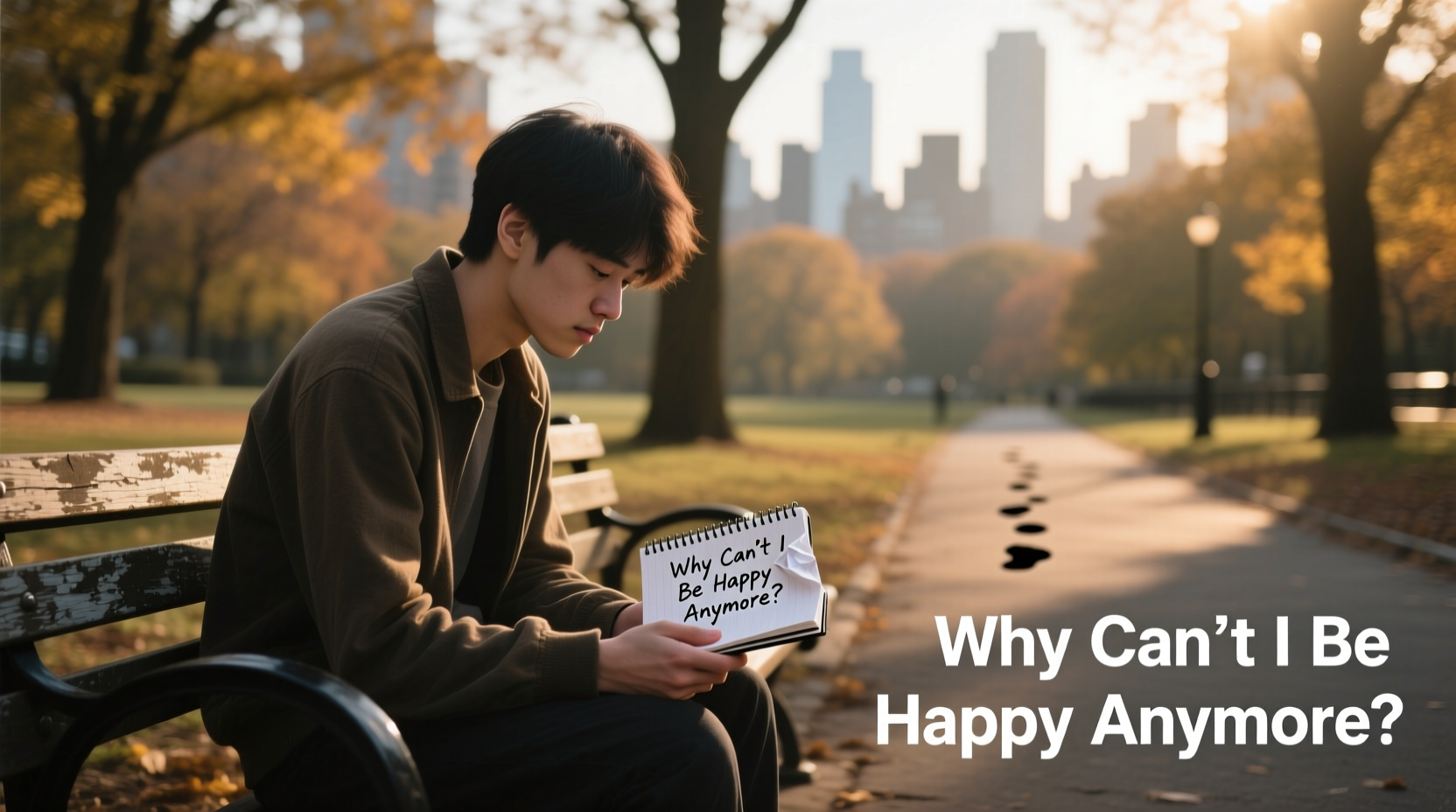
Happiness isn’t simply the absence of sadness. It’s an active state fueled by purpose, connection, and psychological balance. When it fades, the reasons are often layered—not one single event, but a combination of biological, psychological, and environmental factors.
- Chronic Stress: Long-term stress floods the body with cortisol, disrupting sleep, mood regulation, and cognitive function. Over time, this wears down resilience.
- Unresolved Trauma: Past experiences—abuse, loss, or neglect—can linger beneath the surface, shaping how we relate to ourselves and others.
- Social Isolation: Despite being more connected digitally, many people report feeling profoundly lonely. Real, face-to-face connection is essential for emotional health.
- Lifestyle Imbalance: Poor sleep, sedentary habits, and unhealthy diets directly impact brain chemistry and emotional stability.
- Existential Drift: A lack of purpose or direction can create a void, especially during major life transitions like career changes or empty-nest phases.
When Happiness Fades: Signs It’s More Than Just a Bad Day
Everyone has off days. But persistent emotional flatness may signal something deeper. Consider whether you’re experiencing several of the following over two weeks or more:
| Symptom | Normal Fluctuation | Potential Concern |
|---|---|---|
| Mood | Occasional low energy or irritability | Constant emptiness or inability to feel pleasure |
| Sleep | Occasional difficulty falling asleep | Chronic insomnia or excessive sleeping |
| Appetite | Minor changes due to stress | Significant weight loss or gain without trying |
| Focus | Distraction during busy periods | Inability to concentrate on simple tasks |
| Self-Worth | Temporary self-doubt | Persistent feelings of worthlessness or guilt |
“Happiness isn’t about constant euphoria. It’s about having the capacity to feel joy when it arises—and not being trapped in numbness when it doesn’t.” — Dr. Lena Reyes, Clinical Psychologist
Real-Life Example: Maria’s Journey Back to Feeling Alive
Maria, 38, worked in corporate finance and seemed to have it all—a stable job, a home, a supportive partner. Yet for over a year, she felt increasingly detached. Mornings were exhausting. She stopped cooking her favorite meals, canceled plans with friends, and scrolled endlessly through her phone at night. At first, she blamed burnout. But when even her daughter’s laughter failed to lift her spirits, she knew something was wrong.
After consulting a therapist, Maria discovered that years of suppressing work-related anxiety and unresolved grief over her father’s death had culminated in what clinicians call “emotional exhaustion with depressive features.” Through therapy, mindfulness practices, and setting firm boundaries at work, Maria gradually rebuilt her emotional resilience. It took months, not weeks—but today, she describes herself as “reconnected, not fixed.”
Action Plan: Rebuilding Your Capacity for Joy
Happiness isn’t something you wait for—it’s something you cultivate. Below is a step-by-step guide to help reignite your emotional life.
- Assess Your Baseline: Keep a journal for 7–10 days noting mood, sleep, activity, and moments (however small) that sparked any positive emotion.
- Rule Out Medical Causes: Visit a doctor to check for thyroid issues, vitamin deficiencies (especially B12 and D), or hormonal imbalances.
- Reintroduce Pleasure Gradually: Make a list of activities you once enjoyed. Start with the easiest—even if you don’t feel like doing them.
- Strengthen Social Ties: Reach out to one person per week with a meaningful message. Not just “Hi,” but “I’ve been thinking about our conversation last month…”
- Move Your Body: Aim for 20 minutes of walking, stretching, or dancing daily. Movement regulates mood-enhancing neurotransmitters.
- Limit Digital Overload: Reduce passive scrolling. Replace 30 minutes of screen time with reading, journaling, or calling a friend.
- Seek Professional Support: A licensed therapist can help uncover patterns and offer tools tailored to your experience.
What Helps—and What Doesn’t
Well-meaning advice can sometimes do more harm than good. Here’s a checklist of effective strategies versus common pitfalls.
| Do | Don’t |
|---|---|
| Practice self-compassion instead of self-criticism | Blame yourself for “not trying hard enough” |
| Set small, achievable goals (e.g., “Walk outside today”) | Expect immediate transformation |
| Allow yourself to feel emotions without judgment | Suppress feelings with alcohol, food, or distractions |
| Ask for help when needed | Isolate yourself because you “don’t want to burden others” |
| Focus on progress, not perfection | Compare your journey to others’ highlight reels |
Frequently Asked Questions
Is it normal to lose the ability to feel happy?
While not “normal” in the sense of being ideal, it’s surprisingly common. Emotional numbness is a protective mechanism the brain uses under prolonged stress or trauma. With awareness and care, it’s usually reversible.
Can medication help if I can’t feel happy anymore?
For some, yes. Antidepressants can help rebalance brain chemistry, particularly when symptoms interfere with daily functioning. However, they work best in combination with therapy and lifestyle changes—not as a standalone fix.
How long does it take to feel like myself again?
There’s no universal timeline. Some notice shifts within weeks of consistent effort; others need months. Progress is rarely linear. What matters most is consistency, not speed.
Conclusion: Small Steps Toward Meaningful Change
Not being able to feel happy doesn’t mean you’re broken. It means you’ve been carrying weight—visible or invisible—for too long. The path back begins not with grand gestures, but with gentle, intentional choices: a walk in the sun, a honest conversation, a visit to the doctor, or simply allowing yourself to say, “I’m not okay.” Healing isn’t about returning to who you were, but rediscovering who you can become when you prioritize your inner world as much as your outer one.




 浙公网安备
33010002000092号
浙公网安备
33010002000092号 浙B2-20120091-4
Comments
No comments yet. Why don't you start the discussion?