
Millions of people lie awake at night, staring at the ceiling, wondering why they can’t sleep. It’s not just about feeling tired the next day—chronic sleep disruption affects mood, cognitive function, immune health, and long-term well-being. Insomnia and other sleep disorders are more than inconvenient; they’re signals that something in your body or lifestyle needs attention. Understanding the root causes, recognizing patterns, and taking informed steps can make the difference between restless nights and restorative rest.
What Is Insomnia and How Does It Manifest?
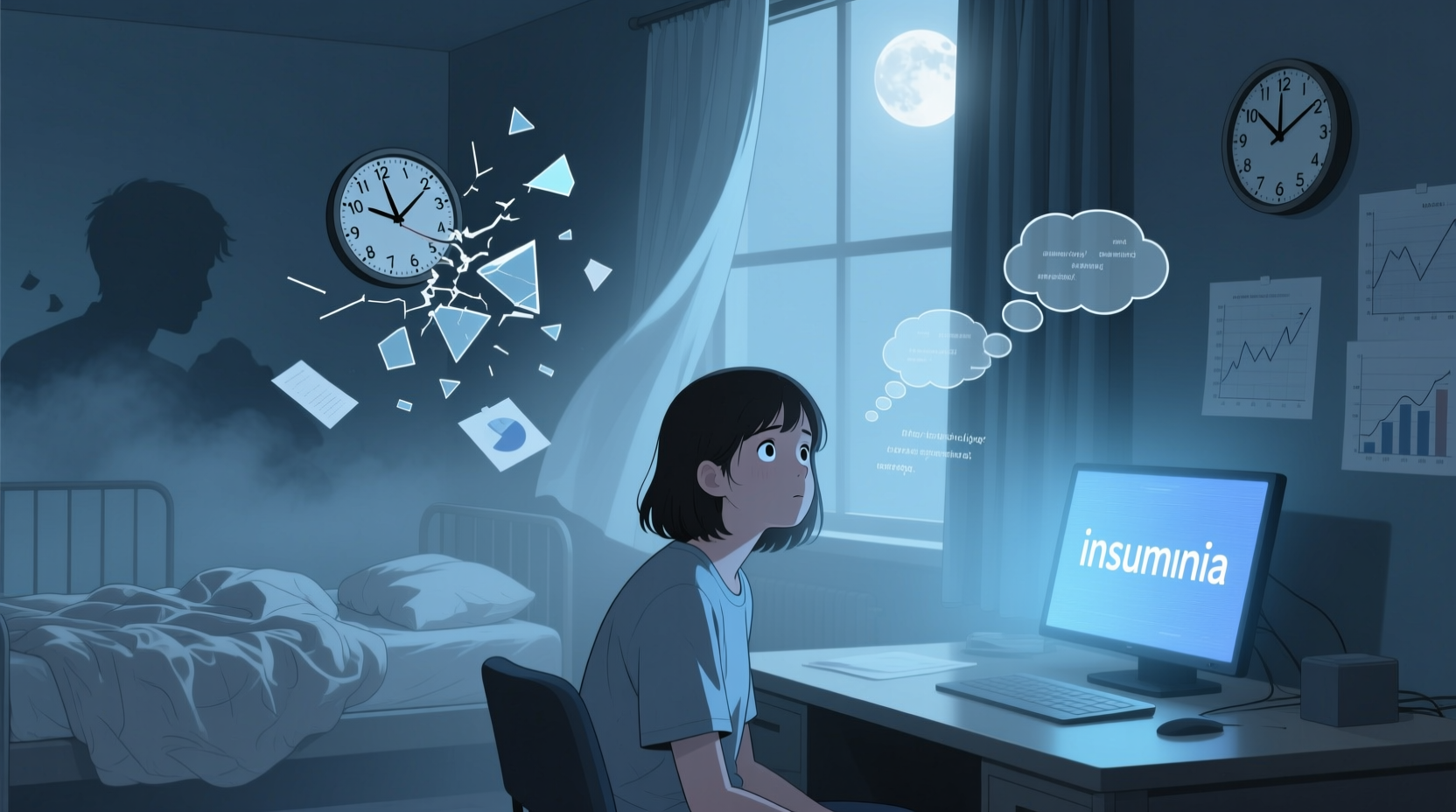
Insomnia is more than occasional sleeplessness. Clinically, it’s defined as difficulty falling asleep, staying asleep, or waking too early—and experiencing these issues at least three nights a week for three months or longer. There are two primary types: acute (short-term) and chronic (long-term). Acute insomnia often stems from stress, travel, or illness and may resolve on its own. Chronic insomnia, however, usually ties into deeper behavioral, psychological, or medical factors.
Symptoms extend beyond nighttime struggles. Daytime consequences include fatigue, irritability, poor concentration, low motivation, and even increased risk of accidents. Many sufferers also report a heightened awareness of their inability to sleep, which ironically fuels anxiety and worsens the cycle.
Common Causes Behind Sleep Disruption
The reasons you can’t sleep are rarely singular. Most cases involve a combination of biological, psychological, and environmental influences. Below are some of the most prevalent contributors:
- Stress and Anxiety: Racing thoughts, work pressure, financial worries, or relationship conflicts activate the nervous system, making relaxation difficult.
- Poor Sleep Hygiene: Irregular bedtimes, screen use before bed, caffeine consumption late in the day, and noisy or bright sleeping environments disrupt natural rhythms.
- Mental Health Conditions: Depression and anxiety disorders are strongly linked to insomnia. In fact, sleep problems can be both a symptom and a contributing factor.
- Medical Issues: Chronic pain, acid reflux, asthma, hormonal imbalances (like hyperthyroidism), and neurological conditions such as Parkinson’s can interfere with sleep.
- Medications: Some antidepressants, beta-blockers, corticosteroids, and decongestants have stimulating side effects that delay sleep onset.
- Lifestyle Factors: Shift work, frequent time zone changes, sedentary habits, and excessive alcohol intake impair circadian alignment.
“Sleep is not a luxury—it's a biological necessity. When patients come to me with insomnia, we don’t just treat the symptom; we investigate what’s disrupting their internal balance.” — Dr. Lena Patel, Board-Certified Sleep Specialist
Breaking the Cycle: A Step-by-Step Guide to Better Sleep
Reversing chronic sleep issues requires consistency and intentionality. Here’s a practical, science-backed timeline to help reset your sleep patterns over four weeks:
- Week 1: Track and Assess
Keep a sleep diary noting bedtime, wake time, nighttime awakenings, caffeine/alcohol intake, and mood. This helps identify patterns and triggers. - Week 2: Optimize Your Environment
Make your bedroom conducive to sleep: cool (60–67°F), dark, and quiet. Remove electronics, use blackout curtains, and consider white noise if needed. - Week 3: Establish a Routine
Go to bed and wake up at the same time every day—even on weekends. Pair this with a calming pre-sleep ritual: warm bath, light stretching, or journaling. - Week 4: Address Cognitive Triggers
Practice stimulus control (only use the bed for sleep and sex) and cognitive restructuring to challenge unhelpful beliefs like “I’ll never sleep again.”
Do’s and Don’ts of Managing Insomnia
| Do | Don’t |
|---|---|
| Limit screen exposure 1 hour before bed | Scroll through social media in bed |
| Use your bed only for sleep and intimacy | Work, eat, or watch TV in bed |
| Practice mindfulness or deep breathing | Force yourself to fall asleep |
| Get daylight exposure in the morning | Consume caffeine after 2 PM |
A Real-Life Example: Recovering From Chronic Insomnia
Sarah, a 38-year-old marketing manager, struggled with sleep for over a year. She would go to bed at 10:30 PM but spend hours lying awake, worrying about deadlines. By morning, she felt groggy and anxious. Her doctor ruled out medical causes and referred her to a behavioral sleep therapist. Through cognitive behavioral therapy for insomnia (CBT-I), Sarah learned to reframe her thoughts about sleep, adopted strict sleep scheduling, and eliminated late-night email checks. Within six weeks, her sleep efficiency improved from 68% to 89%. “I realized I wasn’t broken—I was just stuck in habits that were sabotaging my rest,” she said.
Actionable Checklist: What You Can Do Tonight
Start tonight with these evidence-based actions to improve your chances of falling asleep and staying asleep:
- ✅ Turn off screens (phones, tablets, TVs) at least 60 minutes before bed
- ✅ Write down any lingering thoughts or to-dos to clear your mind
- ✅ Dim the lights and engage in a relaxing activity (reading, gentle yoga)
- ✅ Avoid caffeine, heavy meals, and alcohol within 4–6 hours of bedtime
- ✅ Set a consistent wake-up time for tomorrow, regardless of when you fall asleep
- ✅ Keep your bedroom temperature cool and comfortable
Frequently Asked Questions
Can insomnia go away on its own?
Acute insomnia often resolves once the triggering event—such as stress or illness—passes. However, without intervention, it can evolve into chronic insomnia due to maladaptive behaviors like napping or spending excessive time in bed. Early action improves outcomes significantly.
Is it harmful to take sleep medication regularly?
While prescription sleep aids can provide short-term relief, long-term use may lead to dependency, reduced effectiveness, and side effects like daytime drowsiness or memory issues. They should ideally be combined with behavioral strategies and used under medical supervision.
How effective is CBT-I compared to medication?
Cognitive Behavioral Therapy for Insomnia (CBT-I) is considered the gold standard for chronic insomnia. Studies show it produces longer-lasting improvements than medication alone, with benefits persisting even after treatment ends. The American College of Physicians recommends CBT-I as the first-line treatment.
Taking Back Control of Your Nights
Not being able to sleep doesn’t mean you’re doomed to endless nights of tossing and turning. Insomnia is highly treatable, especially when approached with patience and the right tools. Whether through refining daily habits, seeking professional support, or simply changing how you think about sleep, improvement is possible. Your body wants to rest—you just need to create the conditions that allow it to do so.




 浙公网安备
33010002000092号
浙公网安备
33010002000092号 浙B2-20120091-4
Comments
No comments yet. Why don't you start the discussion?