
Struggling to speak clearly or feeling like your words don’t come out the way you intend can be frustrating, isolating, and even alarming. Speech is a complex process involving coordination between the brain, nerves, muscles, and respiratory system. When any part of this system falters, communication becomes difficult. Understanding the root causes—whether temporary, neurological, psychological, or developmental—is essential in determining whether intervention is needed.
This article explores the most common reasons people experience difficulty speaking properly, signs that indicate it’s time to consult a professional, and actionable steps toward improvement.
Common Causes of Speech Difficulties
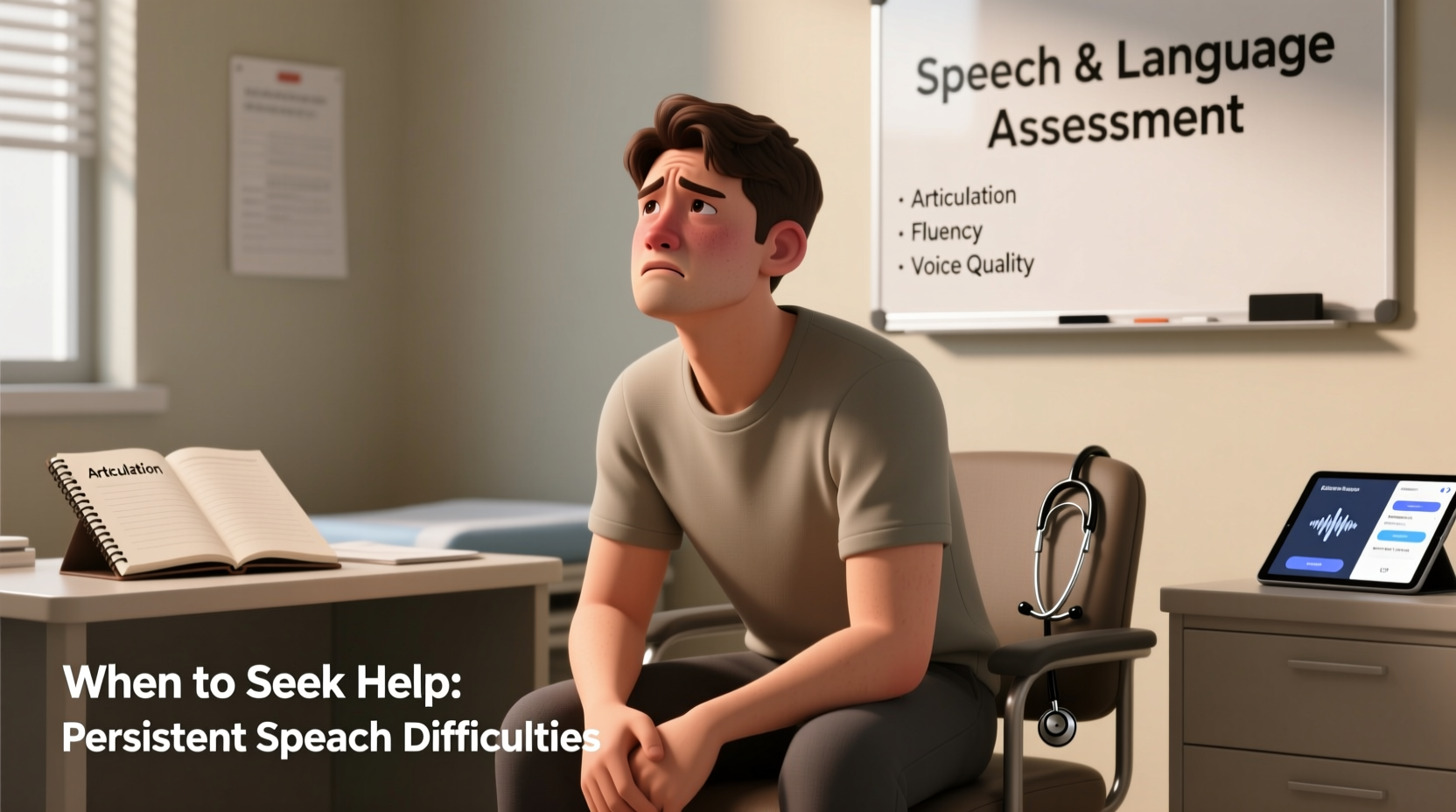
Speech impairments can arise from a wide range of sources. Some are short-term and resolve on their own; others may require long-term management or therapy. The underlying cause often determines the nature and severity of the issue.
- Neurological conditions: Strokes, traumatic brain injuries, Parkinson’s disease, multiple sclerosis, and ALS can disrupt neural pathways responsible for speech production.
- Developmental disorders: Conditions such as autism spectrum disorder or childhood apraxia of speech affect how children learn to coordinate sounds and words.
- Physical impairments: Cleft palate, dental issues, or tongue-tie (ankyloglossia) can interfere with articulation.
- Psychological factors: Anxiety, stress, or selective mutism may cause someone to freeze up or struggle to form coherent sentences despite having no physical impairment.
- Infections or inflammation: Laryngitis, vocal cord nodules, or throat infections can temporarily alter voice quality and clarity.
- Medication side effects: Certain drugs, especially those affecting the central nervous system, may slow speech or cause slurring.
- Fatigue or sleep deprivation: Mental exhaustion impairs cognitive processing, making it harder to retrieve words or maintain fluent speech.
When to Seek Professional Help
Not every hiccup in speech requires intervention, but certain red flags should not be ignored. Early diagnosis often leads to better outcomes, particularly in cases involving neurological or developmental concerns.
“Any persistent change in speech lasting more than two weeks, especially if accompanied by weakness, numbness, or confusion, warrants prompt medical attention.” — Dr. Lena Patel, Neurologist and Communication Disorders Specialist
Consider consulting a healthcare provider if you or a loved one experiences any of the following:
- Sudden slurred speech or difficulty forming words (dysarthria)
- Recurring stuttering that interferes with daily communication
- Difficulty finding words during conversation (anomia)
- Voice hoarseness lasting over three weeks without infection
- Noticeable slowing or monotone speech patterns
- Increased effort required to speak
- Family members frequently asking for repetition due to poor clarity
Who to Consult Based on Symptoms
| Symptom | Potential Cause | Recommended Specialist |
|---|---|---|
| Slurred speech after injury | Brain trauma or stroke | Neurologist / SLP* |
| Child struggling to form sentences | Developmental delay | Pediatrician / Speech-Language Pathologist |
| Hoarse voice with no cold | Vocal cord damage or reflux | ENT (Otolaryngologist) |
| Stuttering under stress | Anxiety-related disfluency | Counselor / SLP |
| Gradual loss of speech clarity | Neurodegenerative disease | Neurologist / Movement Disorder Specialist |
*SLP: Speech-Language Pathologist
Real-Life Example: Recovering After a Stroke
James, a 58-year-old teacher, woke up one morning unable to say his daughter’s name. His speech was slurred, and simple sentences took immense effort. At first, he assumed it was fatigue, but when symptoms persisted into the afternoon, his wife called an ambulance.
Diagnosed with a mild ischemic stroke affecting the left hemisphere of his brain—the area responsible for language—he began working with a speech-language pathologist within 48 hours. Over six months of targeted therapy focusing on word retrieval, sentence construction, and muscle coordination, James regained nearly full fluency. His case highlights the importance of rapid response and consistent rehabilitation.
“I didn’t realize how much I relied on effortless speech until it was gone,” James said. “Therapy gave me my voice back—and my confidence.”
Step-by-Step Guide to Addressing Speech Issues
If you're concerned about your ability to speak clearly, follow this structured approach to identify and address the problem effectively:
- Monitor symptoms: Keep a journal noting when speech issues occur, their duration, and any triggers (e.g., stress, fatigue).
- Rule out temporary causes: Assess recent illnesses, medications, alcohol use, or lack of sleep that might explain the issue.
- Consult your primary care physician: Discuss your concerns and undergo basic screening for hearing, neurological function, and overall health.
- Get referred to specialists: Depending on findings, see a neurologist, ENT, or speech-language pathologist for in-depth evaluation.
- Begin therapy if recommended: Attend regular sessions with a licensed SLP who will design personalized exercises to improve articulation, fluency, or voice control.
- Practice at home: Reinforce progress through daily drills, reading aloud, and using apps designed for speech training.
- Track improvements: Reassess monthly and adjust goals with your therapist.
Checklist: Signs It’s Time to See a Specialist
Use this checklist to evaluate whether professional assessment is needed:
- ☑ Speech has become noticeably slurred or slow
- ☑ You frequently pause to find words during conversation
- ☑ Others regularly misunderstand what you’re saying
- ☑ There’s a history of stroke, brain injury, or neurological disease
- ☑ A child isn’t meeting expected speech milestones
- ☑ Voice changes persist beyond three weeks
- ☑ Speaking feels physically tiring or strained
- ☑ You avoid conversations due to embarrassment or frustration
Frequently Asked Questions
Can anxiety really affect how I speak?
Yes. Anxiety can trigger or worsen conditions like stuttering, rapid speech, or vocal tremors. In high-stress situations, some people experience “mental blocks” where words feel stuck. Cognitive-behavioral therapy (CBT) and breathing techniques can significantly reduce these effects.
Is it normal for older adults to slur words slightly?
Some age-related changes in voice strength or articulation are common, but significant slurring, word-finding difficulty, or monotone speech is not a normal part of aging. These could signal early neurological decline and should be evaluated.
How effective is speech therapy?
For most diagnosed speech disorders, therapy is highly effective—especially when started early. Studies show that consistent participation in speech-language therapy improves communication abilities in over 70% of adult patients post-stroke and nearly 85% of children with developmental delays.
Taking Action Matters
Your voice is a vital tool for connection, expression, and independence. Ignoring persistent speech problems risks missed diagnoses, social withdrawal, and reduced quality of life. Whether the cause is medical, emotional, or developmental, solutions exist. From lifestyle adjustments to clinical therapies, regaining clear speech is often possible with timely action.
Don’t wait for symptoms to worsen. Pay attention to your body, trust your instincts, and reach out to a qualified professional if something feels off. Clear communication isn’t just about words—it’s about being heard.




 浙公网安备
33010002000092号
浙公网安备
33010002000092号 浙B2-20120091-4
Comments
No comments yet. Why don't you start the discussion?