
The question of human purpose has echoed through centuries of philosophy, theology, and personal reflection. At its core lies a fundamental inquiry: Why did God create human beings? This is not merely an abstract theological puzzle but a deeply personal exploration that shapes how individuals live, love, and find meaning. Across religious traditions, particularly within Christianity, Judaism, and Islam, the answer centers on relationship, stewardship, and divine glory. Understanding this purpose offers more than doctrinal clarity—it provides a compass for daily living, moral decision-making, and spiritual fulfillment.
The Foundation of Divine Relationship
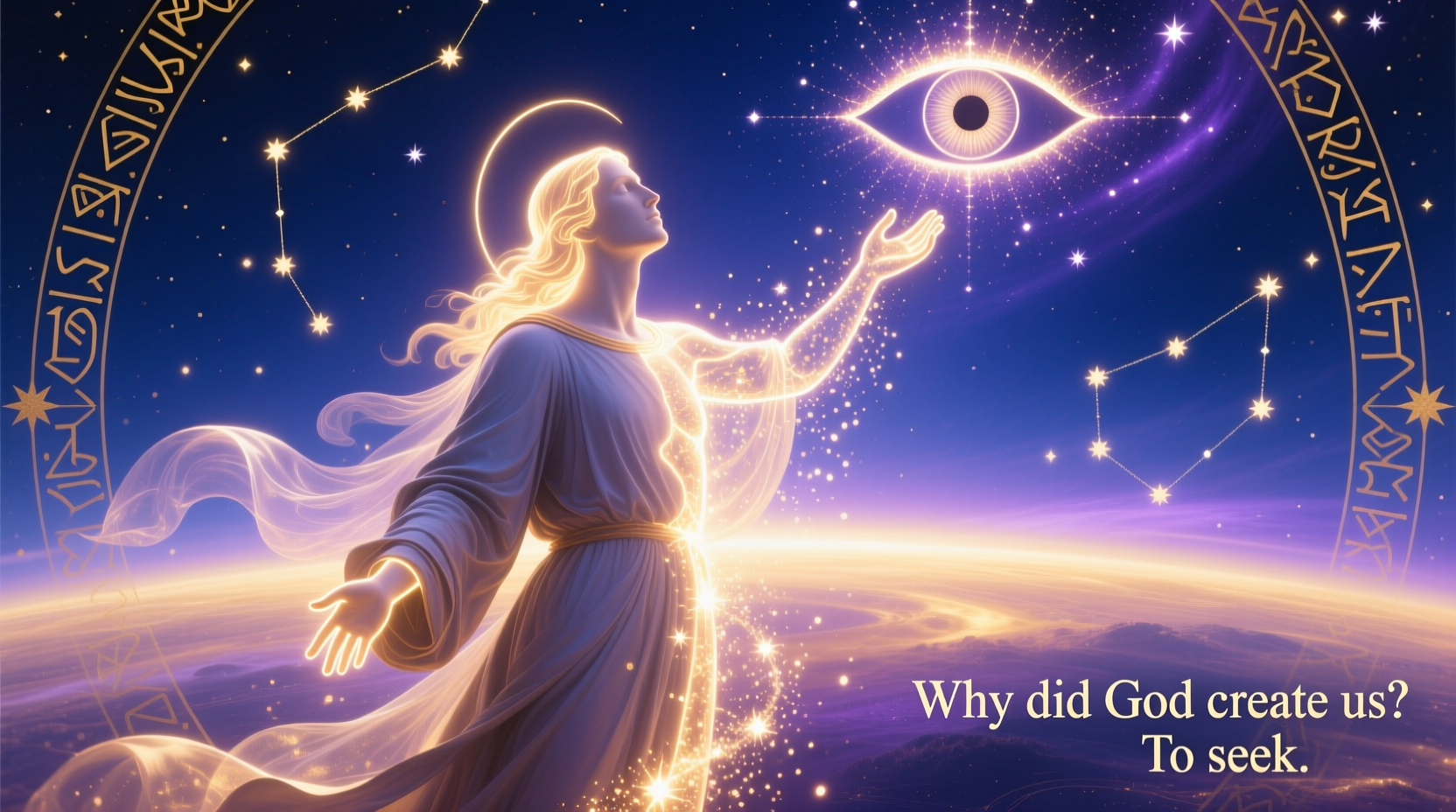
At the heart of most monotheistic beliefs is the idea that God is relational by nature. The creation of humanity was not an isolated event but the beginning of an intended communion. Unlike other creatures, humans are described as being made “in the image of God” (Genesis 1:27), which implies a unique capacity for self-awareness, moral reasoning, creativity, and spiritual connection. This imago Dei—image of God—is foundational to understanding human worth and purpose.
This relational design suggests that God did not create humans out of necessity or loneliness, but out of a desire to share love, beauty, and truth with beings capable of reciprocating it. The Garden of Eden narrative illustrates this intimate bond—walking with Adam in the cool of the day (Genesis 3:8)—a picture of unhindered fellowship before brokenness entered the world.
Moral Stewardship and Earthly Responsibility
Alongside relationship comes responsibility. In Genesis 1:28, humans are given the mandate to “be fruitful and multiply, and fill the earth and subdue it.” This dominion is not one of exploitation, but of stewardship—a sacred trust to care for creation. The Hebrew word *radah*, often translated as “rule” or “subdue,” carries connotations of benevolent governance, much like a wise king who nurtures his kingdom.
This aspect of purpose emphasizes that human life is not self-referential. We are not here merely to pursue pleasure or accumulate wealth, but to serve as caretakers of the natural world, cultivators of culture, and builders of communities grounded in justice and compassion.
| Purpose Dimension | Divine Mandate | Practical Expression |
|---|---|---|
| Relationship | Be in communion with God | Prayer, worship, spiritual growth |
| Stewardship | Care for creation | Sustainable living, environmental action |
| Creativity | Exercise dominion wisely | Innovation, art, ethical leadership |
| Community | Love your neighbor | Service, empathy, justice advocacy |
The Role of Free Will and Spiritual Growth
One of the most distinctive aspects of human creation is free will—the ability to choose love, obedience, or rebellion. Unlike programmed beings, humans possess moral agency, allowing for genuine relationship but also the risk of estrangement. The presence of suffering and evil in the world is often tied to this freedom, yet it underscores the authenticity of love: true love cannot be coerced.
From this perspective, life becomes a journey of spiritual formation. Trials, joys, relationships, and choices all contribute to shaping character, deepening faith, and refining virtue. As theologian C.S. Lewis wrote,
“God whispers to us in our pleasures, speaks in our conscience, but shouts in our pains: it is His megaphone to rouse a deaf world.” — C.S. Lewis, *The Problem of Pain*
This suggests that even hardship has purpose—not because God causes pain, but because He works through it to draw people closer to truth, humility, and dependence on Him.
A Real-Life Example: Finding Purpose in Suffering
Consider the story of Sarah, a teacher from Colorado who lost her brother in a car accident. Grief consumed her, and she questioned God’s existence. Yet over time, she began volunteering at a trauma center, using her pain to comfort others. She later said, “I don’t know why he died, but I know my pain wasn’t wasted. It gave me eyes to see others differently.”
Sarah’s experience mirrors a broader truth: human purpose often emerges not in ease, but in response to challenge. Her life became a testament to redemptive purpose—where personal loss transformed into compassionate service. This aligns with the belief that God can weave broken stories into something meaningful, not erasing pain but redeeming it.
Living Out the Purpose: A Practical Checklist
Understanding divine purpose is only the first step. Integration into daily life requires intentionality. Here is a checklist to help ground this understanding in action:
- Cultivate daily reflection: Spend 10–15 minutes in prayer, meditation, or journaling about your relationship with God.
- Practice mindful stewardship: Reduce waste, support ethical brands, and engage in local environmental efforts.
- Use your gifts creatively: Whether in art, teaching, leadership, or listening—serve others through your talents.
- Invest in community: Volunteer, mentor, or simply show up for friends in need.
- Embrace growth through difficulty: When facing trials, ask, “What can I learn?” rather than “Why me?”
Frequently Asked Questions
Does every person have a unique purpose?
Yes. While the overarching purpose—relationship with God and stewardship of creation—applies to all, each individual is gifted uniquely. Some may influence through science, others through parenting, art, or quiet acts of kindness. Your specific path reflects your temperament, experiences, and calling.
If God is all-powerful, why did He need to create humans?
God didn’t “need” to create, but chose to out of love. Creation is an overflow of divine goodness, not a remedy for lack. Think of a musician who composes not because they must, but because beauty compels them to share it.
Can someone find purpose without believing in God?
People can find meaning in relationships, work, and service apart from faith. However, from a theological standpoint, ultimate purpose is rooted in the Creator. Without that anchor, meaning may shift with circumstances. Faith provides a stable foundation that transcends temporary conditions.
Conclusion: Embracing a Life of Intentional Purpose
The question of why God created human beings is not one that yields a single-sentence answer. It unfolds across lifetimes, revealed in moments of awe, service, sorrow, and joy. The evidence points to a Creator who desires relationship, entrusts responsibility, and invites participation in a story far greater than any individual.
To live with purpose is to recognize that you are neither accidental nor insignificant. You were created with intention—to reflect divine qualities, to care for the world, and to grow in wisdom and love. That purpose doesn’t require grand achievements; it begins with a choice to live intentionally, compassionately, and with awareness of the sacred.




 浙公网安备
33010002000092号
浙公网安备
33010002000092号 浙B2-20120091-4
Comments
No comments yet. Why don't you start the discussion?