
In August 2021, the football world stood still. Lionel Messi, the player most associated with a single club in modern sports history, announced he was leaving FC Barcelona. For many fans, it wasn’t just a transfer—it felt like the end of an era. How could the man who had spent 21 years at Camp Nou, won 10 La Liga titles and four Champions Leagues, suddenly be gone? The official reason was financial: Barcelona couldn’t afford to renew his contract under La Liga’s salary cap rules. But behind that simple explanation lies a complex web of broken promises, institutional failure, political infighting, and deep personal disappointment.
The Contract That Couldn’t Be Signed
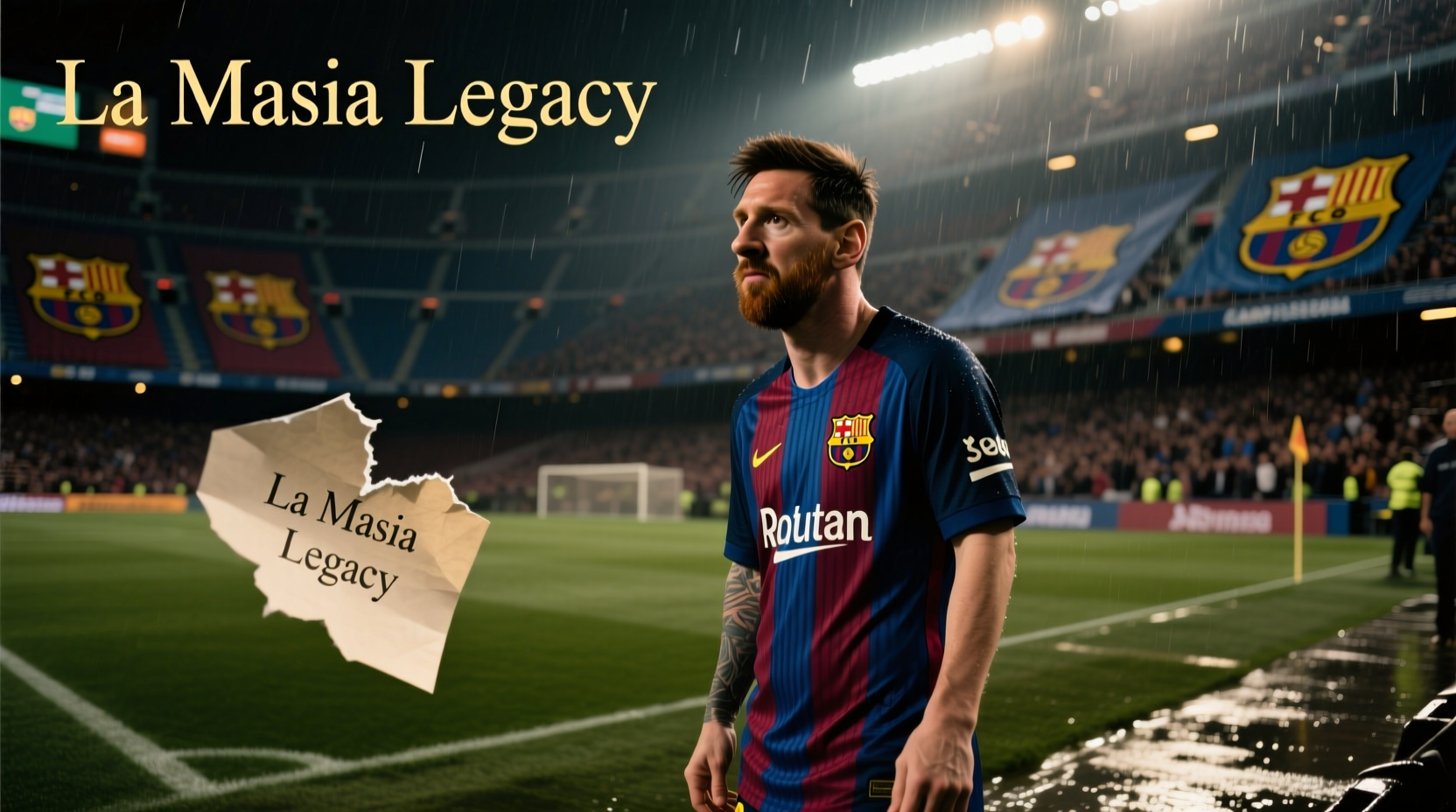
Messi’s existing deal expired in June 2021, but he had verbally agreed to a new five-year contract worth a reported €550 million after tax. This would have included a significant pay cut—up to 50%—to help the club manage its spiraling finances. The agreement was confirmed by then-president Josep Maria Bartomeu before his resignation in 2020, and negotiations continued under interim leadership.
By summer 2021, however, the club’s economic situation had worsened dramatically. Years of overspending, poor management, and declining revenues left Barcelona with over €1.3 billion in debt. La Liga’s Financial Fair Play regulations prevented the club from registering any new contracts unless they reduced their wage bill by 30–50%. Despite months of effort, Barça could not meet these requirements in time for Messi’s registration.
“Despite the club’s best efforts, the economic and structural obstacles made Messi’s renewal impossible under current regulations.” — FC Barcelona Official Statement, August 6, 2021
A Legacy Built on Loyalty—and One Broken Clause
Messi joined Barcelona at age 13. His now-famous contract scribbled on a napkin symbolized a bond deeper than money. For nearly two decades, he stayed through ups and downs, rejecting lucrative offers from clubs like Manchester City and Paris Saint-Germain. A key reason was a clause in his previous contracts: starting June 30 each year, he could leave for free if he chose.
That clause expired in 2021. Had he triggered it a day earlier, he might have departed without cost. But he delayed, trusting the club would find a way to keep him. When the board failed to act decisively, the window closed. By July 1, the clause no longer applied, and only a mutually agreed transfer could facilitate his exit.
The Institutional Collapse Behind the Scenes
Barcelona’s decline wasn’t sudden. It was the result of long-term mismanagement:
- Overspending on transfers: Players like Ousmane Dembélé, Philippe Coutinho, and Antoine Griezmann were signed for over €300 million combined, with mixed results.
- Declining matchday and commercial revenue: The pandemic hit when the club was already vulnerable, reducing income streams critical for payroll.
- Lack of financial transparency: Audits later revealed accounting irregularities and inflated asset valuations used to justify spending.
- Leadership instability: Four different presidents held office between 2014 and 2021, leading to inconsistent strategy.
When Joan Laporta returned as president in March 2021, he inherited a financial disaster. He publicly promised to keep Messi, but even he admitted the numbers didn’t add up. “We can’t lie to Messi,” Laporta said. “We don’t have the tools to register his contract.”
Timeline of Key Events Leading to the Exit
- June 30, 2020: Messi informs Barça he wants to leave, citing the termination clause. Club refuses, saying it doesn’t apply post-season.
- September 2020: Messi stays after court rulings support the club’s position.
- January 2021: Bartomeu resigns amid fan backlash; elections scheduled.
- March 2021: Joan Laporta wins presidency, vows to retain Messi.
- June–July 2021: Negotiations intensify; proposed contract includes pay cut and performance bonuses.
- August 5, 2021: Barcelona announces Messi’s departure due to “financial and structural obstacles.”
- August 10, 2021: Messi holds emotional press conference confirming exit.
- August 10, 2021: Signs with Paris Saint-Germain on a two-year deal.
The Emotional Fallout: Messi’s Press Conference
No moment captured the heartbreak better than Messi’s farewell press conference. With tears in his eyes, he spoke for over 30 minutes about his love for the club, his children growing up at La Masia, and his shattered dreams.
“I wanted to stay. I did everything I could. I accepted a huge pay cut. But they told me it was impossible… I never thought this day would come.” — Lionel Messi, August 10, 2021
He criticized the board not out of anger, but out of grief. “I feel betrayed,” he said quietly. “Not by the people who tried, but by the system that failed us both.”
What Could Have Been Done Differently?
Experts point to missed opportunities years before the crisis peaked:
| Action | What Happened | What Should Have Been Done |
|---|---|---|
| Financial Planning | Wage-to-revenue ratio exceeded 110% | Implement austerity measures post-2017 Champions League exits |
| Contract Management | Delayed renewal talks until final year | Negotiate extension in 2019 or 2020 while leverage was high |
| Commercial Strategy | Overreliance on jersey sales and sponsorships | Diversify revenue with digital platforms and global partnerships |
| Youth Integration | Failed to promote homegrown talent consistently | Rebuild around academy players like Gavi and Balde earlier |
Mini Case Study: Manchester City’s Near-Signing (2020)
In 2020, Messi came within days of joining Manchester City. Pep Guardiola, his former coach, was ready to welcome him. City prepared a two-year contract with family-friendly terms and a role in their football structure post-retirement. However, the collapse of that move—due to Messi deciding to honor his loyalty to Barcelona—only deepened the tragedy. A year later, when he finally left, it was under far less dignified circumstances, joining PSG not out of ambition, but necessity.
This contrast highlights how quickly trust eroded. In 2020, he left because he believed in the club’s future. In 2021, he left because he no longer could.
FAQ
Could Messi have stayed if he took a bigger pay cut?
Possibly, but not enough. Even a 70% reduction wouldn’t have satisfied La Liga’s requirements without additional player departures and structural reforms—which weren’t feasible in time.
Did La Liga block the deal intentionally?
No. La Liga enforced existing financial rules equally. They expressed regret but stated they couldn’t make exceptions, even for Messi, without undermining league integrity.
Has Messi ever returned to Camp Nou since leaving?
Yes, but only as an opponent. In November 2022, he played there with PSG in the Champions League. He received a standing ovation, reflecting the fans’ enduring affection despite the painful separation.
Expert Insight: Governance Over Emotion
“Messi’s exit wasn’t a football decision—it was a symptom of institutional failure. No player should carry the financial weight of an entire club. Sustainable models require long-term planning, not last-minute heroics.” — Dr. Ramon Besa, Sports Economist and Author of *The Business of Football*
Checklist: Lessons for Clubs Facing Financial Crisis
- ✅ Conduct annual financial health audits, independent of board influence
- ✅ Maintain wage-to-revenue ratios below 70%
- ✅ Begin contract renewals at least 12 months before expiration
- ✅ Develop multiple revenue streams beyond sponsorships
- ✅ Prioritize youth development to reduce reliance on expensive transfers
- ✅ Communicate transparently with players during crises
Conclusion
Lionel Messi didn’t leave Barcelona because he wanted to. He left because the institution he loved failed to adapt, plan, or protect the very legacy it celebrated. His departure was not a betrayal by the player, but a wake-up call for the club. The full story is one of love, loyalty, and systemic collapse—a reminder that even immortality has a contract expiry date.




 浙公网安备
33010002000092号
浙公网安备
33010002000092号 浙B2-20120091-4
Comments
No comments yet. Why don't you start the discussion?