
Tech stocks have long been a cornerstone of growth in modern financial markets. Known for their high valuations and strong performance during periods of low interest rates, they’ve attracted both retail and institutional investors alike. However, in recent months, technology equities have experienced sharp declines amid heightened market volatility. Investors are asking: Why did tech stocks drop? What forces are driving this turbulence? And what does it mean for the future?
This article breaks down the complex interplay of macroeconomic trends, monetary policy shifts, and investor behavior that contributed to the tech sell-off. By understanding these dynamics, you can make more informed decisions—whether you're holding shares in major tech firms or considering new investments.
Rising Interest Rates and Their Impact on Tech Valuations
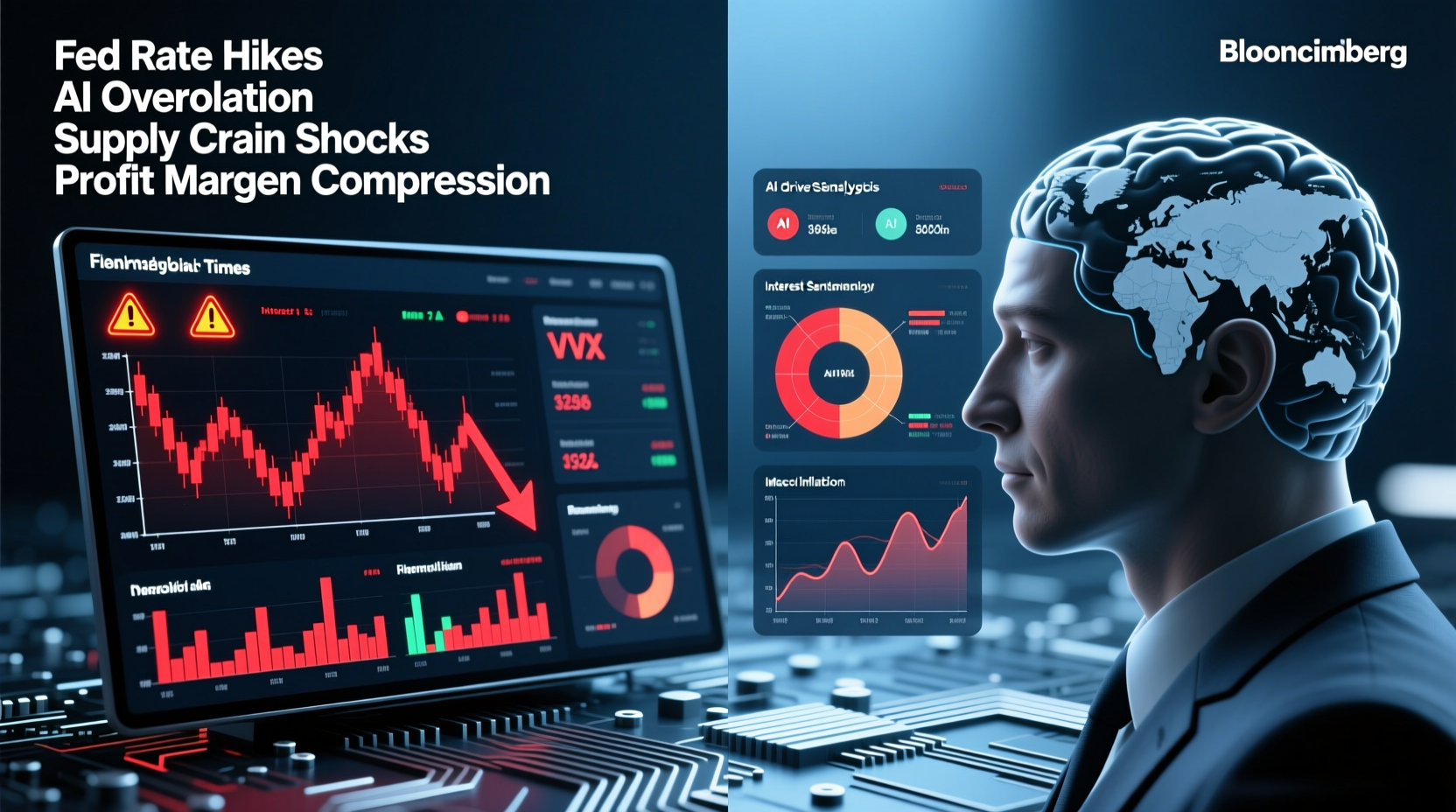
One of the most significant drivers behind the tech stock downturn is the shift in monetary policy led by central banks, particularly the U.S. Federal Reserve. For over a decade following the 2008 financial crisis, interest rates remained historically low. This environment favored growth-oriented sectors like technology, where companies often reinvest profits into expansion rather than paying dividends.
Low discount rates increase the present value of future earnings—a critical factor when valuing companies expected to grow rapidly over time. But as inflation surged post-pandemic, central banks responded with aggressive rate hikes. The Fed raised its benchmark federal funds rate from near zero in early 2022 to over 5% by mid-2023.
Higher interest rates reduce the attractiveness of future cash flows. A dollar earned five years from now is worth less today when borrowing costs rise. As a result, high-growth tech firms—especially those without current profitability—saw their valuations contract sharply.
Inflation and Market Sentiment Shifts
Inflation eroded consumer purchasing power and squeezed corporate margins. While some industries could pass higher costs onto customers, many tech companies—particularly in software and digital services—faced slowing demand as businesses delayed IT spending and consumers cut discretionary budgets.
The psychological impact was equally important. After years of steady gains, investors grew wary of extended valuations. When inflation data consistently beat expectations, fear replaced complacency. Volatility indexes like the VIX spiked, signaling growing uncertainty.
As risk aversion increased, capital rotated out of speculative assets into safer holdings such as bonds, energy stocks, and dividend-paying blue chips. This \"risk-off\" rotation disproportionately affected tech-heavy indices like the Nasdaq Composite, which fell over 30% from its peak in late 2021 to its trough in 2022.
“Tech stocks don’t just fall because of earnings—they fall because expectations change. And nothing changes expectations faster than rising rates and sticky inflation.” — Dr. Lena Patel, Chief Economist at Horizon Capital
Company-Specific Pressures and Earnings Revisions
Beyond macroeconomic forces, individual tech giants faced operational challenges. Cloud growth slowed for some providers, advertising revenue declined at social media platforms due to privacy changes and competition, and hardware sales dipped as pandemic-driven demand waned.
For example, Meta (formerly Facebook) reported declining user engagement and missed revenue forecasts in early 2022, triggering a single-day market cap loss of nearly $250 billion—the largest in U.S. stock history at the time. Similarly, Netflix lost millions of subscribers, sparking concerns about streaming saturation.
These events weren’t isolated. They signaled a broader trend: tech companies were no longer immune to economic cycles. As Wall Street revised earnings estimates downward, price-to-earnings ratios became harder to justify, prompting further selling.
Key Events That Accelerated the Tech Sell-Off
| Date | Event | Market Impact |
|---|---|---|
| Jan 2022 | Fed signals aggressive rate hikes | Nasdaq drops 5% in first month |
| Apr 2022 | Netflix reports subscriber loss | Stock plunges 35%; sector contagion follows |
| Jul 2022 | Meta misses earnings, announces hiring freeze | Shares fall 26%, dragging ad-tech peers |
| Sep 2022 | Fed raises rates by 75 basis points | Nasdaq enters bear market territory (-30%) |
| Oct 2023 | Strong CPI reading halts rate-cut hopes | Tech rebounds briefly before renewed selloff |
Investor Behavior and Algorithmic Trading Amplification
Market volatility isn't just driven by fundamentals—it's also shaped by psychology and technology itself. As retail participation surged during the pandemic, platforms like Robinhood enabled rapid trading based on sentiment rather than analysis. Social media fueled momentum swings, with meme stocks influencing broader market trends.
Meanwhile, algorithmic trading systems reacted swiftly to changing conditions. Many quantitative strategies use volatility thresholds to automatically rebalance portfolios. When tech stocks began falling, algorithms sold futures and leveraged ETFs, amplifying downside moves.
This feedback loop created short-term dislocations. Stocks sometimes dropped not because of new company news but because models flagged them as \"overextended\" or \"high-beta\"—meaning they moved more dramatically than the overall market.
Mini Case Study: The October 2023 Volatility Spike
In October 2023, stronger-than-expected inflation data dashed hopes for near-term rate cuts. Within hours, bond yields jumped, and the Nasdaq fell 3.5%. Apple, Amazon, and Nvidia each lost over $100 billion in market value in a single session.
What made this drop different wasn’t fundamentals—it was positioning. Hedge funds had piled into tech anticipating a soft landing and Fed pivot. When that narrative collapsed, they unwound positions rapidly. Options markets showed extreme put buying, indicating panic hedging.
By Friday of that week, however, some stocks rebounded sharply. The episode highlighted a new reality: tech markets are now more sensitive to macro surprises than ever before.
Strategic Checklist for Navigating Tech Stock Volatility
While no one can predict short-term market movements, disciplined investors can manage risk and position themselves for long-term success. Consider the following checklist:
- Evaluate your time horizon: Are you investing for 5+ years? Short-term volatility matters less if your goals are long-term.
- Diversify across sectors: Don’t let tech dominate your portfolio. Balance with healthcare, utilities, or consumer staples.
- Assess company fundamentals: Focus on free cash flow, revenue growth sustainability, and competitive moats—not just hype.
- Use dollar-cost averaging: Invest fixed amounts regularly to reduce timing risk during volatile periods.
- Monitor bond yields and Fed commentary: These are leading indicators for tech stock performance.
- Avoid emotional trading: Panic selling locks in losses. Stick to your investment plan.
Frequently Asked Questions
Why are tech stocks more affected by interest rates than other sectors?
Tech stocks rely heavily on future earnings for valuation. Higher interest rates reduce the present value of those distant profits. In contrast, sectors like banking or energy benefit from rising rates or inflation, making them relatively more attractive during tightening cycles.
Are all tech stocks dropping together?
No. While broad indices like the Nasdaq fell significantly, performance varied widely. Profitable, cash-generative companies like Microsoft and Adobe held up better than unprofitable growth names like certain SaaS startups or EV-related tech firms.
Is now a good time to buy tech stocks?
It depends on your strategy. Some valuations are more reasonable than in 2021, but risks remain if rates stay high or earnings decline further. Consider gradual entry via index funds or ETFs rather than large lump-sum bets.
Conclusion: Staying Calm Amid the Storm
Market volatility is inevitable, especially in fast-moving sectors like technology. The recent drop in tech stocks reflects a recalibration—not a collapse. Economic realities have caught up with optimistic projections, and investors are adjusting accordingly.
Understanding the root causes—rising rates, inflation, shifting sentiment, and company-specific challenges—empowers you to make rational choices instead of reactive ones. Whether you’re holding, buying, or re-evaluating your exposure, focus on quality, diversification, and patience.




 浙公网安备
33010002000092号
浙公网安备
33010002000092号 浙B2-20120091-4
Comments
No comments yet. Why don't you start the discussion?