
Artificial Christmas trees offer convenience, reusability, and a clean alternative to shedding evergreens. But for many households, unpacking the tree each holiday season comes with an unwelcome surprise: a strange, chemical-like odor that lingers in the air. This smell can be off-putting, especially around children or pets, and may even trigger sensitivities. The good news is that this issue is both common and fixable. Understanding the root causes—and knowing how to neutralize the odor effectively—can transform your artificial tree from a source of discomfort into a festive centerpiece you look forward to decorating year after year.
The Science Behind the Smell
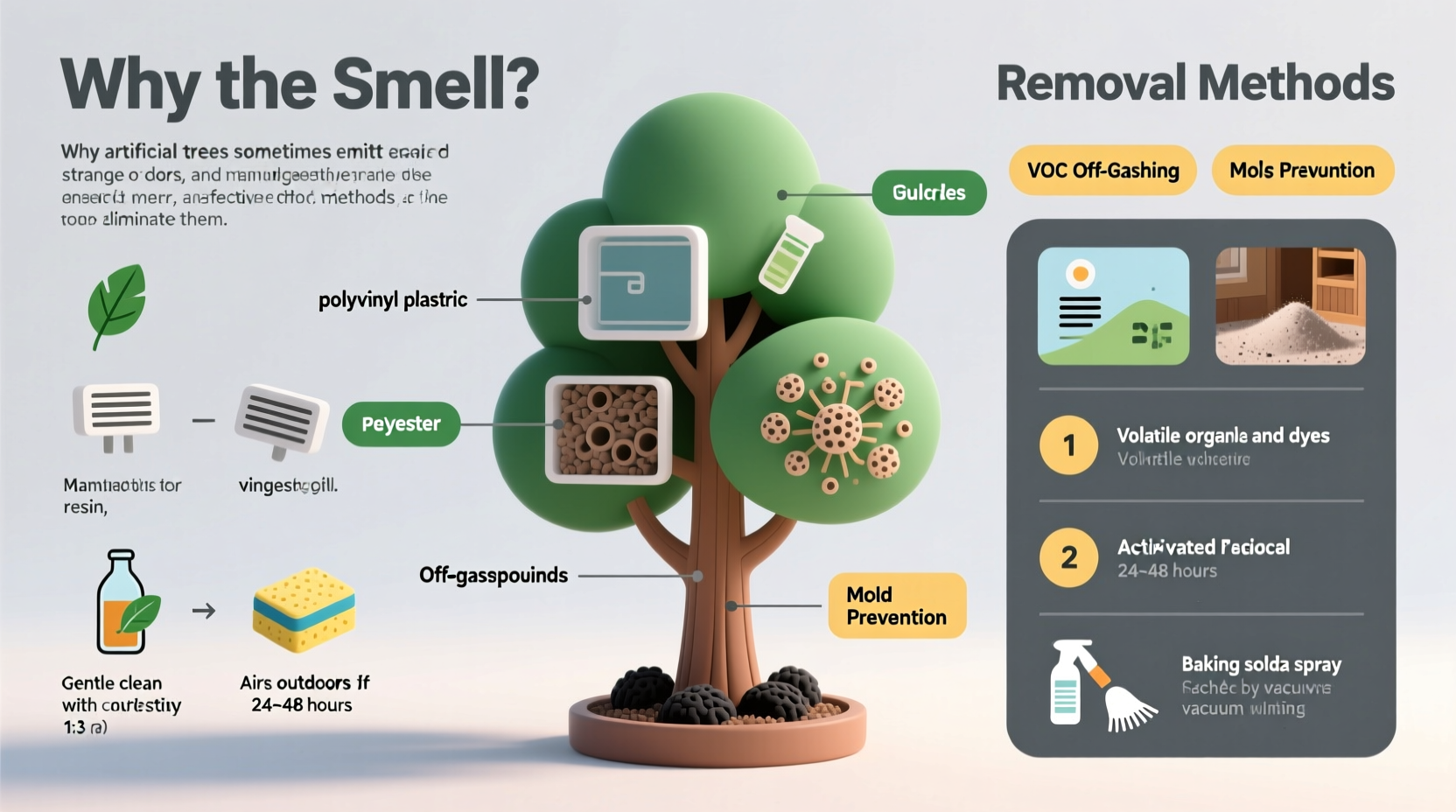
The peculiar odor associated with artificial trees primarily stems from the materials used in their construction. Most are made from polyvinyl chloride (PVC), a synthetic plastic polymer known for its durability and flame resistance. During manufacturing, PVC is combined with plasticizers—chemicals like phthalates—that make the material flexible enough to mimic the texture of real pine needles. Over time, especially when stored in warm, enclosed spaces, these chemicals can off-gas, releasing volatile organic compounds (VOCs) into the air.
This process, known as outgassing, is most noticeable when the tree is first unboxed after long-term storage. Heat accelerates the release of these compounds, which explains why the smell often intensifies once the tree is set up indoors near radiators or heating vents. Additionally, dust, mold spores, and residual moisture trapped during storage can contribute to musty or stale odors, compounding the problem.
“Plastics like PVC continue to emit low levels of VOCs for months after production, and heat or sunlight can reactivate this process years later.” — Dr. Lena Peterson, Environmental Health Scientist, University of Colorado
Common Sources of Artificial Tree Odors
Not all smells from artificial trees are the same. Identifying the type of odor can help determine the best removal strategy:
- Chemical or plasticky smell: Caused by off-gassing of PVC and plasticizers. Most prominent in newer trees but can persist in older models if stored improperly.
- Musty or damp odor: Indicates mold, mildew, or moisture buildup from storage in basements or garages.
- Dusty or stale scent: Results from accumulated household dust and poor ventilation during storage.
- Sweet or pungent aroma: Sometimes linked to added scents or fire retardants applied during manufacturing.
While the chemical smell typically fades within a few days of airing out, persistent or strong odors require targeted intervention—especially in homes with asthma sufferers, allergies, or heightened sensitivity to airborne irritants.
Step-by-Step Guide to Removing Artificial Tree Smell
Eliminating unwanted odors from an artificial tree involves a combination of cleaning, deodorizing, and preventive storage. Follow this timeline-based approach for best results:
- Unbox in a ventilated area (Day 1): Remove the tree sections from storage and set them up outside, in a garage, or near an open window. Allow at least 24–48 hours for natural ventilation to reduce initial off-gassing.
- Dust thoroughly (Day 2): Use a microfiber cloth or soft duster to wipe down every branch and trunk section. For hard-to-reach areas, attach a brush to a vacuum cleaner’s hose attachment.
- Clean with vinegar solution (Day 3): Mix one part white vinegar with three parts water in a spray bottle. Lightly mist the branches—avoid soaking—then let dry completely in a well-ventilated area. Vinegar neutralizes both chemical and organic odors without damaging PVC.
- Deodorize with baking soda (Optional, Day 4): Place open boxes of baking soda near the tree base or sprinkle lightly on a cloth beneath the stand. Leave for 12–24 hours to absorb lingering smells.
- Use activated charcoal or odor absorbers (Ongoing): Position activated charcoal bags or commercial odor eliminators (like Moso bags) near the tree during display. These naturally trap VOCs and moisture.
- Air out post-season (Before Storage): After taking the tree down, allow it to breathe for a day before packing. This prevents trapping residual odors inside storage bags.
Alternative Cleaning Methods
For stronger odors or sensitive households, consider these additional techniques:
- Steam cleaning (with caution): Use a handheld garment steamer on low heat, keeping it several inches from branches. Steam helps lift embedded dust and disinfects without excessive moisture.
- Odor-neutralizing sprays: Choose plant-based, non-aerosol sprays containing ingredients like citric acid or essential oils. Avoid products with alcohol, which can degrade plastic over time.
- Freezing method (for small trees): If feasible, place tree sections in sealed bags and leave them in a freezer for 24 hours. Cold temperatures slow molecular activity and can reduce odor intensity upon thawing.
Do’s and Don’ts of Artificial Tree Odor Control
| Do | Don't |
|---|---|
| Wipe down the tree annually before setup | Use bleach or ammonia-based cleaners |
| Store in breathable fabric bags | Compress the tree tightly in plastic bins |
| Let the tree air out before decorating | Place near heat sources immediately after unpacking |
| Use natural deodorizers like baking soda | Apply perfume or air fresheners directly to branches |
| Inspect for mold or damage yearly | Store while still damp or dusty |
Real Example: A Family’s Holiday Turnaround
The Thompson family in Portland, Oregon, had grown to dread their annual tree setup. For three years, their 7.5-foot pre-lit artificial tree emitted a sharp, acrid smell within hours of being assembled—so strong that their youngest child developed headaches. They tried masking it with pine-scented sprays, but the mixture of artificial fragrance and chemical odor only worsened the air quality.
After consulting an indoor air quality specialist, they learned that their basement storage was contributing to both mold growth and accelerated off-gassing. They implemented a new routine: unpacking the tree in the garage, wiping it down with a vinegar solution, and letting it air out for two full days. They also replaced their plastic storage tub with a ventilated canvas bag and placed charcoal packets inside. The following holiday season, the smell was nearly undetectable. “It felt like getting our Christmas joy back,” said Sarah Thompson. “We didn’t realize how much the smell was affecting our mood until it was gone.”
Preventing Future Odors: Smart Storage Solutions
Proper storage is the single most effective way to prevent recurring smells. Many people assume that sealing a tree in plastic protects it, but this often traps moisture and encourages mold and odor retention. Instead, adopt these long-term prevention strategies:
- Use vertical storage tubes made of breathable fabric: These allow airflow while protecting branches from dust and crushing.
- Add desiccant packs: Silica gel or reusable moisture absorbers help maintain dry conditions inside storage containers.
- Elevate off concrete floors: If storing in a garage or basement, place the container on a shelf or pallet to avoid ground moisture.
- Label and rotate usage: Trees used less frequently can accumulate more odor; regular use and airing reduce chemical buildup.
Frequently Asked Questions
Is the smell from artificial trees dangerous?
Most off-gassing from PVC releases low levels of VOCs, which are generally not harmful in small amounts for healthy adults. However, prolonged exposure in poorly ventilated areas may irritate eyes, nose, or throat, especially for individuals with respiratory conditions. Taking steps to air out the tree and reduce emissions minimizes any risk.
Can washing the tree in a machine remove the smell?
No. Submerging or machine-washing an artificial tree—especially one with built-in lights—can cause irreversible damage, including electrical shorts, frayed wires, and weakened branches. Always clean manually using gentle sprays and cloths.
How long does the chemical smell last?
In most cases, the strongest odor dissipates within 48 to 72 hours of airing out. Older trees tend to emit less over time as initial off-gassing slows. Persistent smells beyond a week usually indicate improper storage or contamination from mold or dust.
Expert Insight: Choosing Low-Odor Trees
If you're in the market for a new artificial tree, material choice matters. Some manufacturers now produce trees labeled as \"low-odor\" or \"PVC-free,\" using alternatives like polyethylene (PE) for more realistic foliage. While PE trees are typically more expensive, they are less prone to off-gassing and have a more natural feel.
“PE-based trees are molded from life-cast branches, so they don’t rely on the same level of plasticizers as traditional PVC. That means fewer VOCs and a much milder scent profile.” — Mark Reynolds, Product Designer at EverGreen Holiday Co.
Additionally, look for certifications such as ASTM F963 (U.S. toy safety standard) or EN71 (European equivalent), which indicate lower levels of harmful chemicals. Trees made in countries with stricter environmental regulations—such as Germany or Canada—may also use safer formulations.
Final Checklist: Eliminate and Prevent Artificial Tree Odors
- Unpack the tree in a well-ventilated or outdoor area
- Inspect for dust, mold, or moisture damage
- Dust thoroughly with a microfiber cloth or vacuum attachment
- Clean branches with a vinegar-water solution (1:3 ratio)
- Air out for 24–48 hours before decorating
- Use activated charcoal or baking soda near the base
- Store in a breathable fabric bag with desiccant packs
- Elevate container off the floor in a dry, cool location
Conclusion: Enjoy a Fresh, Fragrant Holiday Season
The strange smell from an artificial tree doesn’t have to be a seasonal inevitability. With a clear understanding of its causes—off-gassing plastics, trapped moisture, and poor storage—you can take practical, effective steps to eliminate and prevent unpleasant odors. Simple habits like annual cleaning, proper ventilation, and smart storage go a long way toward ensuring your tree enhances, rather than detracts from, the holiday atmosphere.
Whether you’re reviving an old favorite or selecting a new model, prioritizing air quality means a healthier, more enjoyable experience for everyone in your home. This holiday season, don’t just decorate—refresh. Your tree should bring joy, warmth, and the spirit of celebration, not a cloud of chemical fumes.




 浙公网安备
33010002000092号
浙公网安备
33010002000092号 浙B2-20120091-4
Comments
No comments yet. Why don't you start the discussion?