
Candles create warmth, ambiance, and comfort in homes across the world. Their soft glow enhances dinner settings, meditation spaces, and quiet evenings. Yet, few things disrupt that tranquility like an erratic, unpredictable flicker. While some degree of movement in a flame is normal, persistent or violent flickering can raise questions—about safety, air quality, or even superstition. Understanding the science behind candle behavior separates harmless quirks from potential hazards. This article explores the real reasons candles flicker, identifies warning signs, and provides practical steps to maintain safe, steady flames.
The Science Behind a Steady Flame
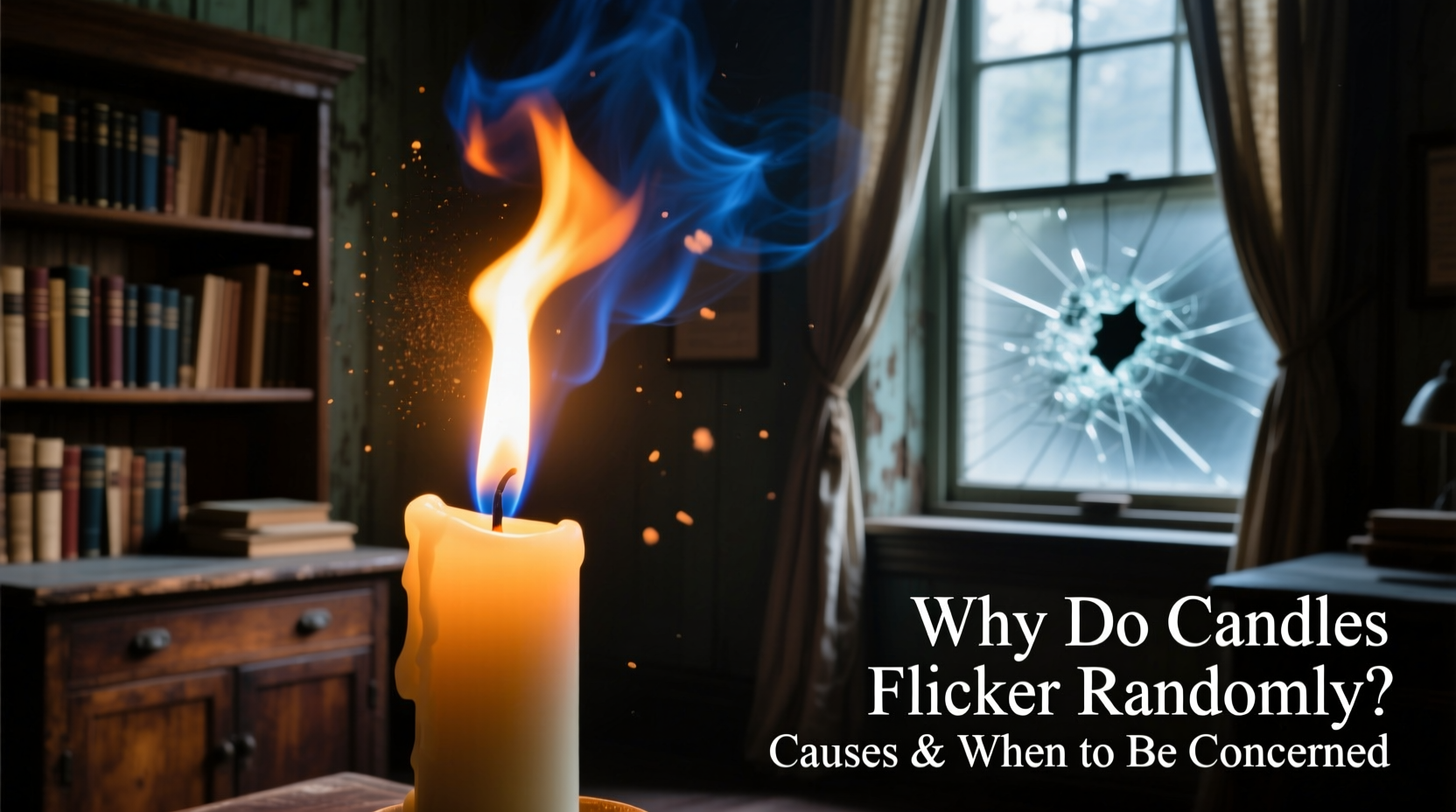
A candle flame is a delicate balance of heat, fuel, and oxygen. When a candle burns, the heat of the flame melts wax near the wick. This liquid wax is drawn up through the wick via capillary action, where it vaporizes and combusts, producing light and heat. For this process to remain stable, three elements must be consistent:
- Fuel supply: The wick must draw wax evenly.
- Oxygen availability: Air must circulate around the flame without turbulence.
- Wick integrity: The wick should burn cleanly, not mushrooming or bending.
Any disruption to these factors can cause flickering. A small fluctuation may result in a gentle dance of light—pleasant, even poetic. But larger disturbances can lead to sputtering, smoke, or sudden flare-ups, indicating deeper issues.
Common Causes of Candle Flickering
Flickering isn’t always a sign of danger. In fact, most causes are entirely natural and easily corrected. Below are the most frequent reasons for random flickering:
1. Air Currents and Drafts
Drafts are the number one cause of candle flicker. Even subtle air movement from HVAC systems, open windows, ceiling fans, or foot traffic can disturb the flame. These currents cool parts of the flame unevenly, disrupting combustion and causing visible wavering.
2. Wick Issues
An improperly sized, too long, or uneven wick leads to inconsistent burning. A long wick produces a larger flame that consumes more wax than can be steadily supplied, leading to sputtering. A crooked or bent wick may burn off-center, creating hot spots and instability.
3. Wax Pool Imbalance
If the melted wax pool is uneven—due to tunneling or prior short burns—the wick may struggle to draw fuel uniformly. This results in intermittent sputtering as the wick alternates between adequate and insufficient fuel.
4. Low-Quality Materials
Candles made with low-grade wax (like paraffin with high impurities) or synthetic dyes and fragrances can burn unpredictably. Additives may clog the wick or alter combustion chemistry, increasing flicker and soot production.
5. Humidity and Ambient Temperature
High humidity can dampen the wick slightly, affecting its ability to vaporize wax efficiently. Conversely, very cold rooms reduce wax liquefaction speed, slowing fuel delivery and destabilizing the flame.
6. Container Shape and Size
In container candles, narrow openings or tall vessels restrict airflow. As the candle burns lower, oxygen access diminishes, leading to flickering or even self-extinguishing. Wide jars allow better ventilation but may expose the flame to more drafts.
“Flame stability depends on micro-environmental conditions. Even a 1 mph air current can visibly affect a candle.” — Dr. Alan Prescott, Combustion Physicist, University of Colorado
When Flickering Should Raise Concern
Not all flickering is benign. Certain patterns indicate underlying risks, including fire hazards or poor indoor air quality. Recognizing these red flags helps prevent accidents.
Sudden, Violent Flaring
If a candle suddenly flares up with a large burst of flame—especially if accompanied by popping sounds—it may mean water or moisture has entered the wax. Water sinks below molten wax and, when it contacts the hot wick, turns instantly to steam, causing explosive vaporization.
Excessive Smoke Alongside Flickering
Smoky, sooty flames that flicker erratically suggest incomplete combustion. This occurs when the wick is too long, the wax contains impurities, or oxygen is restricted. Chronic exposure to candle soot can contribute to respiratory issues and stain walls and ceilings.
Persistent Flickering Despite Still Air
If a candle flickers constantly in a draft-free room with a trimmed wick and even wax pool, there may be a manufacturing defect. Wicks that are braided incorrectly or coated unevenly can cause unstable burning. In rare cases, metal-core wicks (now largely banned but still found in older candles) may warp or degrade.
Flickering Accompanied by Unusual Odors
A chemical, acrid, or bitter smell during flickering suggests the fragrance oils or dye are overheating or breaking down. Some synthetic compounds release volatile organic compounds (VOCs) when burned improperly. Discontinue use immediately.
Multiple Candles Flickering Simultaneously
If several candles in different locations flicker at once, especially in sealed rooms, it could indicate shifting air pressure or ventilation problems. In extreme cases, this might point to backdrafting from furnaces or blocked chimneys—conditions that risk carbon monoxide buildup.
Prevention and Best Practices
Most flickering issues are preventable with proper candle care. Follow these guidelines to ensure safer, cleaner burns.
Step-by-Step Guide to Stable Candle Burning
- Trim the wick to ¼ inch before lighting. Use wick trimmers or nail clippers for precision.
- Burn long enough to achieve a full melt pool across the surface (usually 1 hour per inch of diameter).
- Avoid placing candles near vents, doorways, fans, or open windows.
- Use candle shades or hurricane glasses to shield flames from minor air movements.
- Inspect the wick before lighting. Ensure it’s centered and straight.
- Store candles in a cool, dry place away from sunlight to preserve wax integrity.
- Limit burn time to 4 hours maximum to prevent overheating containers.
Do’s and Don’ts of Candle Placement
| Do | Don't |
|---|---|
| Place on level, non-flammable surfaces | Set on plastic, fabric, or near curtains |
| Keep at least 12 inches apart from other candles | Cluster tightly—heat buildup warps wax |
| Use sturdy holders that won’t tip | Leave burning unattended or near pets |
| Light in well-ventilated rooms | Burn in tiny, sealed bathrooms or closets |
Real-Life Scenario: A Warning Sign Ignored
In 2021, a family in Portland, Oregon, reported their living room candle repeatedly flickering despite being in a closed room. They initially dismissed it as a draft, but over several days, the flickering worsened, and black soot began coating nearby walls. A heating technician later discovered that their furnace exhaust vent was partially blocked by nesting birds. The obstruction caused slight negative pressure indoors, pulling combustion gases backward into the home—a condition known as backdrafting. The candle flames responded to the altered airflow dynamics before any carbon monoxide alarm triggered. After cleaning the vent and installing updated detectors, the flickering ceased.
This case illustrates how candles can act as unintentional environmental sensors. While not diagnostic tools, abnormal flame behavior in otherwise stable conditions warrants investigation.
Frequently Asked Questions
Is it normal for candles to flicker a little?
Yes. Minor flickering due to microscopic air movements or natural convection currents is normal. A healthy flame will gently move but remain blue at the base and produce minimal smoke.
Can flickering candles be dangerous?
Occasional flickering is not dangerous. However, violent flaring, excessive smoke, or sustained instability can increase fire risk or emit harmful particles. Always extinguish candles showing these signs.
Why does my new candle flicker even though the wick is trimmed?
Some hand-poured or soy-based candles have natural inconsistencies in wax density or wick saturation. Allow a full first burn (2–4 hours) to establish an even melt pool. If flickering persists, the candle may be defective.
Checklist: Responding to Problematic Flickering
- ✅ Extinguish the candle safely using a snuffer or lid.
- ✅ Check for drafts—close windows, turn off fans.
- ✅ Inspect the wick—trim if longer than ¼ inch.
- ✅ Look for debris or moisture in the wax.
- ✅ Evaluate room ventilation and air pressure changes.
- ✅ Replace candles that consistently flicker or smoke after corrective steps.
- ✅ Install carbon monoxide detectors if flickering occurs system-wide.
Final Thoughts
Candle flickering is often harmless, rooted in physics rather than peril. Yet, understanding the difference between ambient flutter and alarming instability empowers safer choices. By respecting simple principles of combustion and maintenance, you preserve both atmosphere and safety. A steady flame isn’t just aesthetic—it’s a sign of balanced chemistry and mindful practice.




 浙公网安备
33010002000092号
浙公网安备
33010002000092号 浙B2-20120091-4
Comments
No comments yet. Why don't you start the discussion?