
Cats sitting in boxes is one of the most universally recognized quirks of feline behavior. From viral internet videos to casual home observations, it’s common to find a cat curled up in a cardboard container far too large for its body. At first glance, it seems illogical—why would an animal choose a space significantly bigger than itself when smaller, cozier nooks are available? The answer lies deep within their evolutionary instincts, sensory preferences, and psychological needs. This behavior isn’t random; it’s a window into how cats perceive safety, territory, and comfort.
Understanding why cats exhibit this seemingly paradoxical preference requires examining not just modern domestication but also the ancestral roots of feline survival strategies. By unpacking the science and observation behind this habit, we gain insight into broader aspects of cat cognition and emotional well-being.
The Evolutionary Roots of Enclosed Spaces
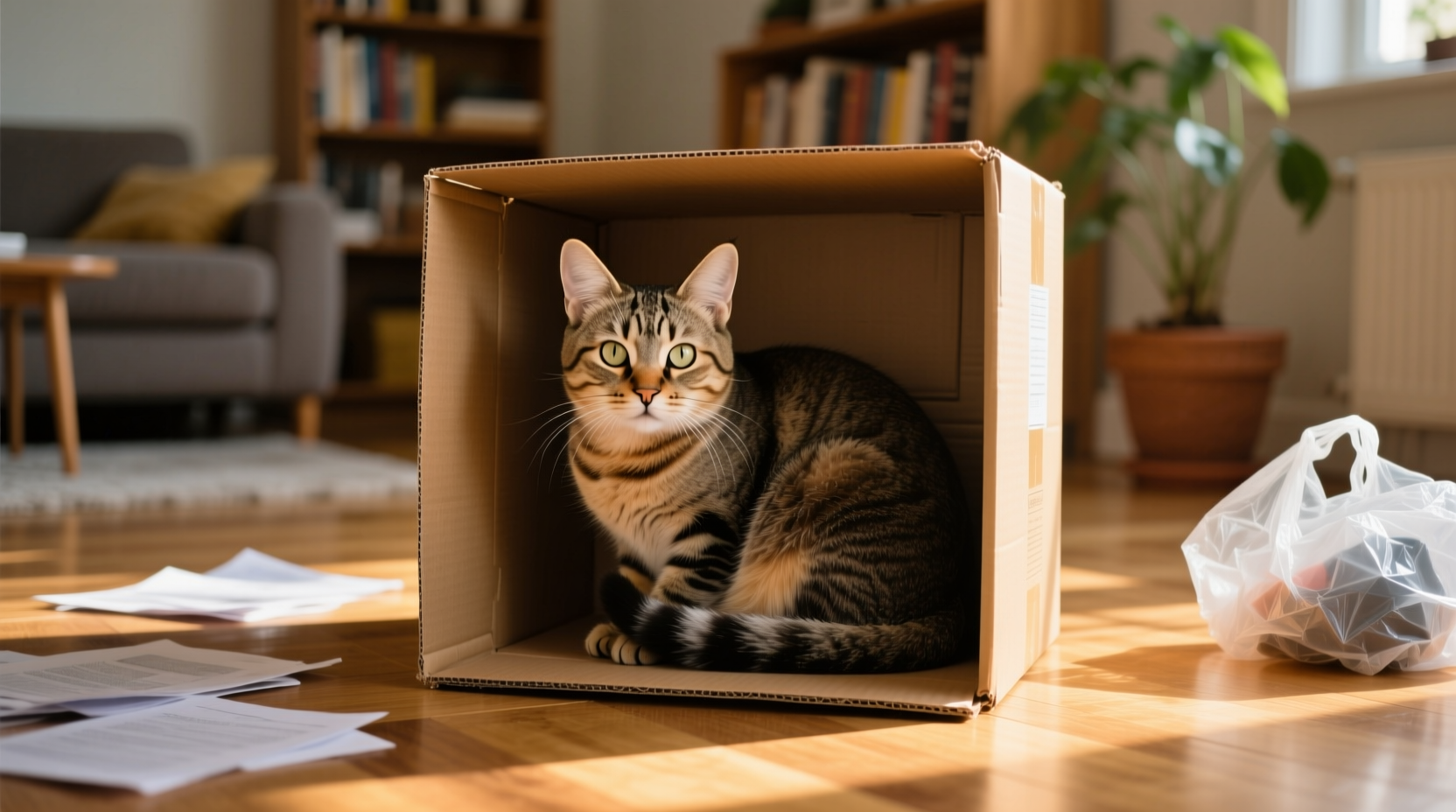
In the wild, cats are both predators and prey. While they hunt small animals with precision, they are also vulnerable to larger predators such as birds of prey, foxes, or even other territorial cats. This dual role has shaped their need for secure, enclosed environments where they can observe without being seen. An enclosed box—even one larger than the cat—offers visual concealment, which satisfies a primal urge for protection.
Enclosures mimic natural shelters like hollow logs, rock crevices, or dense underbrush. These spaces allow cats to remain hidden while maintaining visibility over their surroundings. A study conducted at the Utrecht University Faculty of Veterinary Medicine found that shelter cats given access to cardboard boxes showed significantly lower stress levels than those without. While the box provided physical containment, its primary benefit was psychological: a sense of control over their environment.
This need for environmental control persists in domestic cats. Even in safe homes, unfamiliar stimuli—new people, loud noises, household changes—can trigger low-level anxiety. A box becomes a refuge, a place where the cat can retreat and reassess. The size of the box matters less than its enclosure quality. In fact, a larger box may offer more flexibility in positioning—allowing the cat to stretch, turn, or adjust based on temperature or mood—while still providing overhead cover that mimics a den-like structure.
“Cats don’t seek tightness for warmth alone—they seek perceptual security. A box, regardless of size, creates a boundary between ‘me’ and ‘not-me.’ That cognitive separation reduces stress.” — Dr. Sarah Ellis, Feline Behavior Researcher, University of Lincoln
Sensory Comfort and Thermoregulation
Beyond safety, thermoregulation plays a key role in a cat’s attraction to boxes. Cats have a higher baseline body temperature than humans—ranging from 100.5°F to 102.5°F (38°C–39.2°C)—and prefer ambient temperatures between 86°F and 97°F (30°C–36°C) to feel comfortable. Most human homes are kept cooler, especially with air conditioning, prompting cats to seek out heat-conserving microenvironments.
Cardboard is a natural insulator. Its fibrous composition traps body heat, creating a warm pocket within an otherwise cool room. When a cat settles into a large box, it often curls tightly, tucking paws and tail close to minimize surface area exposed to the air. This posture conserves heat efficiently, even in oversized containers. Interestingly, many cats will knead or rub the sides of the box before settling—a behavior linked to marking territory with scent glands in their paws and preparing the surface for thermal retention.
Predatory Instincts and Observation Posts
A box does more than provide warmth and shelter—it functions as a strategic vantage point. Cats are ambush predators by nature. Even well-fed domestic cats retain the hunting drive to stalk, pounce, and surprise. A box elevated slightly off the ground or positioned near foot traffic becomes an ideal surveillance post.
From inside a large box, a cat can remain partially concealed while scanning for movement. Whether it's a family member walking by, a bird outside the window, or a toy rolling across the floor, the box offers a “hide” from which the cat can launch brief bursts of activity. This aligns with ethological studies showing that cats prefer resting places with multiple escape routes and clear sightlines—features often present in open-topped boxes.
Moreover, the acoustics of a box can enhance auditory perception. Sound reflects off the interior walls, amplifying subtle noises like rustling paper, crinkling bags, or distant footsteps. For a species that relies heavily on hearing to detect prey or threats, this acoustic boost adds functional value beyond mere novelty.
Psychological Security in Unpredictable Environments
Domestic life, while safe, is full of unpredictable stimuli: vacuum cleaners, visitors, construction noise, or rearranged furniture. These disruptions challenge a cat’s sense of environmental stability. Unlike dogs, which often look to humans for reassurance, cats typically self-soothe through displacement behaviors—actions that help manage stress, such as grooming, hiding, or claiming new territories.
Sitting in a box is a displacement behavior rooted in control. By choosing a specific location—even one that appears impractical—the cat reasserts agency over its surroundings. The act of entering and occupying the box is deliberate, reinforcing a sense of ownership and predictability.
Interestingly, cats often ignore purpose-built cat beds in favor of cardboard boxes. Why? Many commercial beds lack the rigid boundaries and overhead coverage that signal safety. Soft, open beds resemble exposed terrain—more akin to a field than a burrow. In contrast, even a flimsy box provides defined edges and partial cover, fulfilling the cat’s neurological blueprint for security.
| Feature | Cardboard Box | Commercial Cat Bed |
|---|---|---|
| Boundary Definition | Clear, rigid edges | Often soft, indistinct borders |
| Overhead Cover | Partial to full (depending on height) | Rarely present |
| Thermal Insulation | Moderate to high (cardboard traps heat) | Varies; often less effective |
| Scent Retention | High (absorbs oils and pheromones) | Lower (synthetic materials) |
| Cost & Accessibility | Free or low-cost | Can be expensive |
Real-World Example: The Office Cat Phenomenon
In a documented case at a tech startup in Portland, Oregon, employees noticed their office cat, Miso, consistently chose to rest in shipping boxes used for equipment deliveries—some nearly twice her length. Despite having multiple heated cat beds, perches, and custom cubbies, Miso returned daily to a particular large box near the printer station.
After consulting a feline behavior consultant, the team realized two factors were at play: routine and sound dampening. The box was replaced every Tuesday, giving Miso a fresh, unscented space each week—something she appeared to prefer over older, shared-smelling beds. Additionally, the location near the printer offered consistent low-frequency humming, which cats often find soothing. The box absorbed ambient noise while amplifying the steady mechanical rhythm, creating a calming sensory bubble.
The company began leaving clean boxes in rotation, observing improved relaxation and reduced startle responses in Miso during busy work hours. This real-world example underscores that feline preferences are rarely arbitrary—they respond to subtle environmental cues invisible to humans.
Actionable Tips for Cat Owners
Understanding the instinctual reasons behind box-sitting empowers owners to support their cats' emotional health. Below is a checklist to optimize your cat’s environment using insights from feline behavior science.
- Provide at least one enclosed space per cat (e.g., cardboard box, covered bed, or DIY hideout)
- Place boxes in quiet, low-traffic areas initially, then observe if your cat prefers busier zones
- Use plain, unprinted cardboard—bright inks or glossy finishes may deter some cats
- Replace boxes regularly; stale or soiled ones lose appeal
- Add soft lining (like an old fleece blanket) for extra warmth without sacrificing structure
- Experiment with box size—some cats prefer large spaces for stretching, others like snug fits
- Leave flaps or lids partially closed to maintain airflow and escape options
Frequently Asked Questions
Do all cats like boxes, or is it individual preference?
While not universal, the majority of cats show interest in enclosed spaces. Studies suggest over 70% of cats will choose a box over an open bed when given the option. However, early socialization, personality, and breed can influence preference. More outgoing cats may use boxes less frequently but still seek them during stressful events.
Is it safe for cats to chew or eat cardboard?
Minor nibbling is usually harmless, but ingesting large amounts can cause gastrointestinal blockages. Monitor your cat—if they’re consuming cardboard rather than just scratching or kneading it, consult a veterinarian. Provide alternative outlets like cat-safe grass or chew toys.
Can I use plastic containers instead of cardboard?
Some cats accept plastic bins, but many avoid them due to poor insulation and slippery surfaces. Cardboard’s texture, absorbency, and warmth make it more appealing. If using plastic, line it with fabric and ensure ventilation holes are present.
Conclusion: Respecting the Hidden Logic of Feline Behavior
The sight of a cat lounging in a box far too large is more than a whimsical moment—it’s a reflection of deeply ingrained survival mechanisms. From thermoregulation to stress reduction, from predatory readiness to environmental control, every aspect of this behavior serves a purpose rooted in biology and evolution. What appears inefficient or illogical to humans is, in fact, a finely tuned response to sensory and psychological needs.
By recognizing the intelligence behind these actions, we shift from amusement to appreciation. Instead of questioning why a cat chooses a giant box, we begin to see it as an act of self-care—an autonomous decision to create safety in a complex world.




 浙公网安备
33010002000092号
浙公网安备
33010002000092号 浙B2-20120091-4
Comments
No comments yet. Why don't you start the discussion?