
Cats have a curious relationship with cardboard boxes. Whether it’s a shipping container twice their size or a small shoebox, felines seem irresistibly drawn to squeezing into spaces that defy logic. But this isn’t just random quirkiness—it’s deeply rooted in biology, psychology, and survival instincts. Understanding why cats sit in boxes larger than themselves reveals more about their needs, behaviors, and emotional well-being than one might expect.
From shelter cats in research studies to housecats lounging on living room floors, the box phenomenon is universal. Veterinarians, animal behaviorists, and cat owners alike have observed this behavior across breeds, ages, and environments. The answer lies at the intersection of thermoregulation, stress reduction, hunting instincts, and environmental control.
The Comfort of Confinement: A Safe Haven
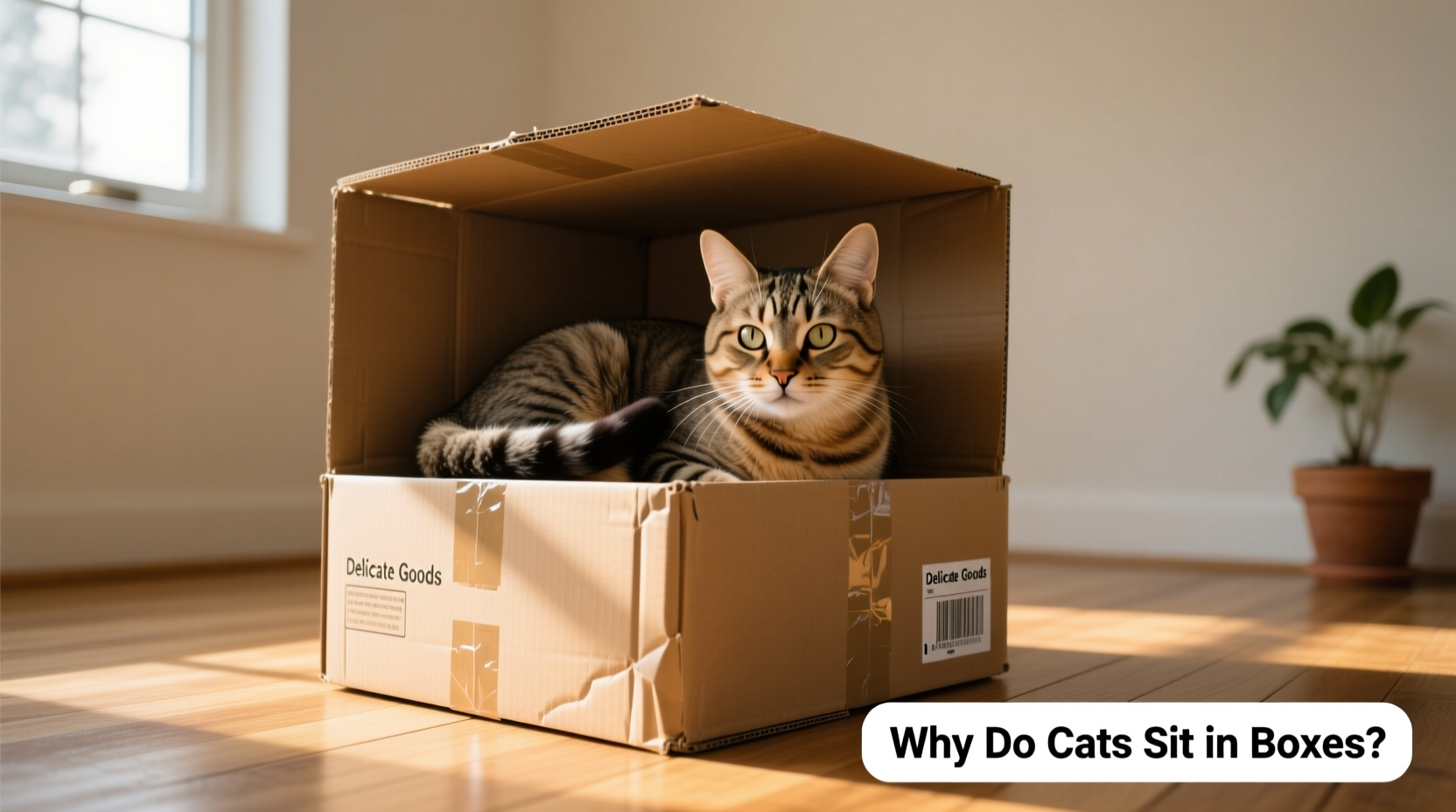
Despite their domestication, cats retain many wild instincts. One of the most fundamental is the need for secure, enclosed spaces where they can observe without being seen. In the wild, small mammals like rodents seek out burrows or hollow logs to avoid predators. Cats, as both predator and prey-analog (especially as kittens), are wired to value enclosures that offer protection.
A box—even one significantly larger than the cat—provides psychological safety. The walls create a barrier between the cat and potential threats, reducing anxiety in unfamiliar or stimulating environments. This is especially evident in multi-cat households or homes with frequent visitors, loud noises, or changes in routine.
“Enclosed spaces give cats a sense of control over their environment. Even if the box is oversized, its presence signals a retreat option.” — Dr. Sarah Ellis, Feline Behavior Scientist, University of Lincoln
Interestingly, studies conducted by the *Animal Welfare Institute* show that shelter cats given access to cardboard boxes acclimate faster, display fewer stress-related behaviors, and are more approachable by humans. The box doesn’t need to fit snugly; its symbolic function as a den is enough to trigger calming neurological responses.
Thermoregulation: Seeking Warmth in Cool Spaces
Cats maintain a higher body temperature than humans—between 100.5°F and 102.5°F (38°C–39.2°C). To conserve energy, they prefer resting in warm environments, ideally around 86°F (30°C). Cardboard, despite being thin, provides moderate insulation. When a cat curls up inside a box, its body heat warms the interior, creating a microclimate that helps maintain optimal thermal balance.
Even oversized boxes contribute to this effect. While the space may not be fully enclosed by the cat’s body, the partial walls reduce airflow and trap radiant heat. This makes boxes particularly appealing during colder months or in air-conditioned homes.
Moreover, the act of tucking into confined areas mimics nesting behavior seen in kittens huddled together for warmth. Adult cats retain this preference, often choosing tight spots even when larger, open beds are available.
Preferred Resting Temperatures for Cats
| Life Stage | Ideal Ambient Temperature | Common Behaviors |
|---|---|---|
| Kittens | 85–90°F (29–32°C) | Huddle, seek enclosed spaces |
| Adults | 80–86°F (27–30°C) | Use sun patches, boxes, radiators |
| Seniors | 82–88°F (28–31°C) | Prefer heated beds, avoid drafts |
Hunting Instincts and Environmental Control
Beyond comfort and warmth, boxes serve a tactical purpose. Cats are ambush predators. Their natural hunting strategy relies on stealth, patience, and sudden bursts of speed. An oversized box becomes a vantage point—a concealed observation deck from which they can monitor household activity.
You may notice your cat sitting upright in a large box near a doorway or window, eyes tracking movement. Though no prey is present, the behavior satisfies deep-seated predatory drives. The box functions as a blind, allowing the cat to remain hidden while scanning for “targets”—be it a fluttering curtain, a passing foot, or a toy on the floor.
This also explains why some cats prefer boxes with multiple openings or partially collapsed sides. These configurations allow for quick escape routes or surprise pounces, aligning with instinctual risk-assessment behaviors.
Real Example: Luna and the Moving Box
Luna, a 3-year-old tabby living in a busy Brooklyn apartment, was introduced to a new dog during a family visit. Initially stressed, she avoided common areas for two days. Her owner placed a medium-sized cardboard box near the bedroom door with a fleece liner. Within hours, Luna occupied it—not curled tightly, but sitting upright with her head above the rim, watching the living room.
Over the next 48 hours, she used the box as a command center, gradually increasing her exposure to the dog. By day four, she had transitioned to shared napping spaces. The oversized box didn’t physically hide her, but it gave her a psychological buffer zone essential for recalibrating her sense of safety.
Stress Reduction Through Environmental Enrichment
Modern indoor cats face unique challenges: limited territory, reduced hunting opportunities, and sensory monotony. Boxes provide low-cost environmental enrichment. The novelty of a new box stimulates curiosity, encouraging exploration and play. Even reused boxes carry different scents, textures, and structural variations that engage a cat’s senses.
According to the American Association of Feline Practitioners (AAFP), providing accessible hiding places is a cornerstone of feline mental health. Boxes fulfill this need without requiring investment in commercial products. Their impermanence—eventually being scratched apart or discarded—is itself beneficial, giving cats a sense of agency over their surroundings.
An oversized box allows room for additional behaviors: stretching, rolling, scratching the corners, or rearranging bedding materials. It becomes a multipurpose space rather than just a sleeping spot.
Do’s and Don’ts of Cat Box Provision
| Do | Don't |
|---|---|
| Use clean, unscented cardboard boxes | Use boxes with tape residue or staples |
| Remove plastic liners or packing materials | Place boxes in high-traffic zones without escape routes |
| Add soft, washable bedding | Force a cat into a box |
| Provide multiple boxes in multi-cat homes | Use chemical cleaners on or near boxes |
Step-by-Step Guide: Creating the Ideal Box Environment
Maximizing the benefits of cardboard boxes for your cat involves thoughtful placement and maintenance. Follow these steps to support your cat’s behavioral and emotional needs:
- Select the right size: Choose a box that allows your cat to enter freely. It should be large enough for turning and stretching but not so vast that it loses den-like qualities.
- Modify for accessibility: Remove flaps and ensure at least one wide opening. For older or arthritic cats, cut a low entry point.
- Enhance comfort: Line the base with a removable fabric mat or old sweater. Avoid fluffy materials that could shed fibers if ingested.
- Position strategically: Place the box in a quiet area with partial visibility—near a window, beside a favorite chair, or in a hallway corner.
- Incorporate scent: Rub the interior lightly with a cloth used on your cat’s face (where facial pheromones transfer) to promote familiarity.
- Maintain hygiene: Replace or clean the box weekly. Discard if heavily soiled or structurally unsound.
- Rotate regularly: Introduce new boxes monthly to sustain interest and prevent boredom.
“Environmental predictability is key for cat well-being. Boxes are simple tools that empower cats to self-regulate stress.” — Dr. Karen Overall, Veterinary Behaviorist
Frequently Asked Questions
Why does my cat sit in a box larger than herself instead of a cat bed?
Cat beds, while comfortable, often lack the visual barriers and sense of enclosure that boxes provide. Even oversized boxes offer psychological containment. Additionally, beds may be placed in exposed locations, making them less appealing for nervous or territorial cats.
Is it normal for cats to prefer boxes over expensive cat furniture?
Yes, extremely normal. Studies consistently show that cats favor simple, enclosed spaces over complex, open structures. Price and design mean little to a cat—their choices are driven by instinct, not aesthetics. A $200 cat tree may go unused while a free Amazon box becomes prime real estate.
Should I be concerned if my cat suddenly starts hiding in boxes more often?
Increased hiding can signal illness, pain, or stress. If accompanied by appetite loss, lethargy, or aggression, consult a veterinarian. Otherwise, occasional increased use of boxes during home changes or weather shifts is typical.
Conclusion: Embracing the Box Instinct
The sight of a cat perched in a box far too big to snuggle into may seem illogical, but it’s a perfect expression of feline nature. Boxes fulfill core needs: security, warmth, control, and mental stimulation. They are not mere novelties—they are functional tools that support emotional regulation and behavioral health.
As cat owners, we don’t need to replace boxes with high-end alternatives. Instead, we should embrace them as essential components of a cat-friendly environment. By understanding the reasons behind this behavior, we gain deeper insight into our pets’ inner lives and improve their quality of life through simple, compassionate choices.




 浙公网安备
33010002000092号
浙公网安备
33010002000092号 浙B2-20120091-4
Comments
No comments yet. Why don't you start the discussion?