
Cats are enigmatic creatures. Their behaviors often leave owners puzzled—especially when they sit motionless, eyes locked on a blank wall with intense focus. While occasional wall-staring may seem quirky or harmless, repeated or prolonged episodes can sometimes point to underlying medical or psychological conditions. Understanding the difference between normal feline curiosity and a potential red flag is essential for responsible pet ownership.
From tracking invisible movements to neurological disturbances, the reasons behind this behavior vary widely. This article explores the science and psychology of why cats stare at walls, identifies warning signs that warrant concern, and offers practical steps to ensure your cat’s well-being.
The Science Behind Feline Perception
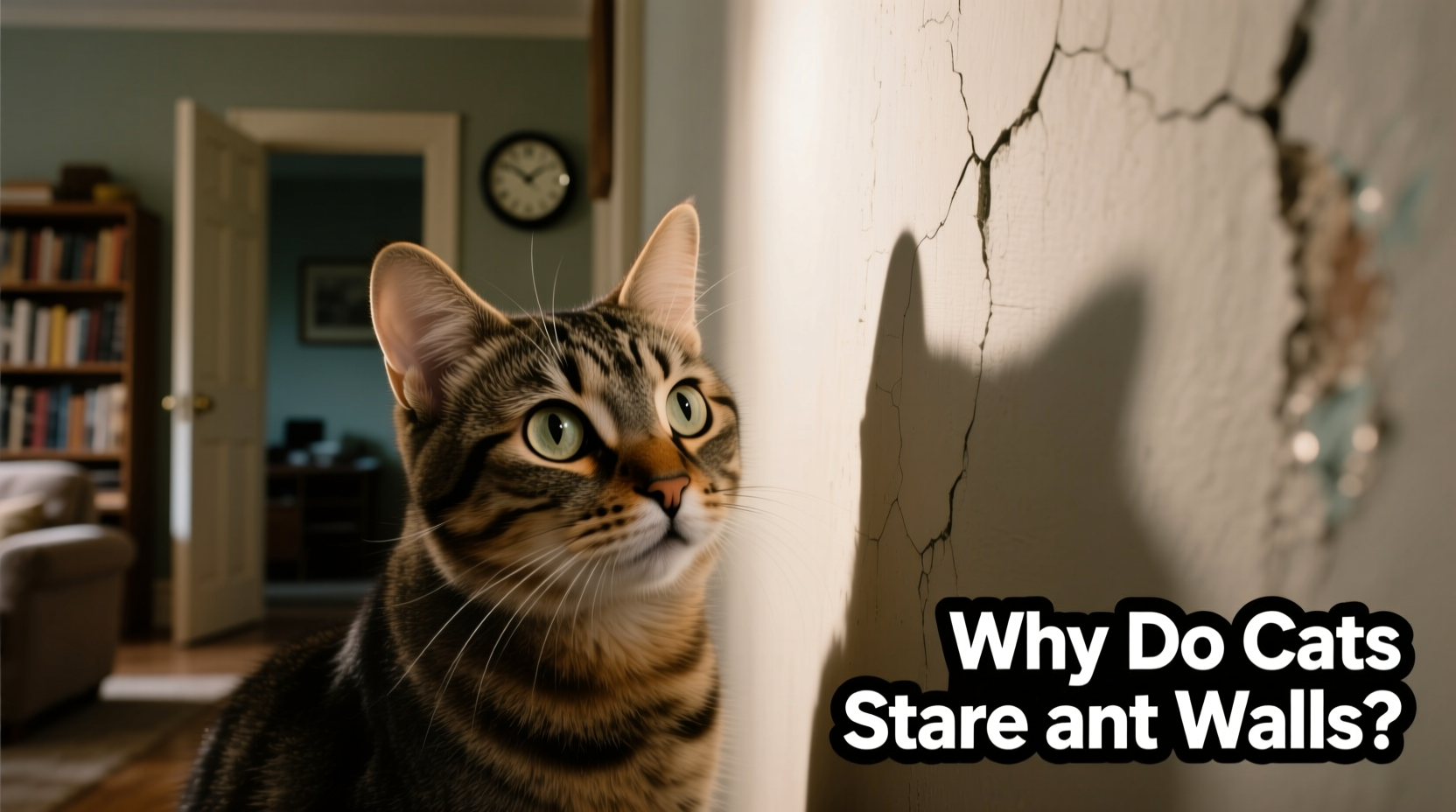
Cats possess sensory capabilities far beyond those of humans. Their vision, hearing, and reflexes are finely tuned for hunting and survival. What appears to be an empty wall to us might not be so to a cat.
Feline eyes are adapted for low-light environments. They have a higher concentration of rod cells than humans, allowing them to detect even the faintest movements in dim lighting. Additionally, cats can perceive ultraviolet light and rapid flickers imperceptible to human eyes. A shadow from a curtain fluttering outside, dust particles dancing in a sunbeam, or a tiny insect crawling along the baseboard might capture their full attention—even if we see nothing.
Their hearing also plays a role. Cats can hear frequencies up to 64 kHz, compared to the human limit of about 20 kHz. Sounds like electrical buzzing from outlets, pipes shifting within walls, or rodents scurrying inside insulation could draw their gaze. In such cases, staring is simply a response to stimuli we cannot detect.
Common Non-Serious Reasons Cats Stare at Walls
In most cases, wall-staring is completely normal and rooted in instinctual or environmental factors. Here are several benign explanations:
- Hunting Instincts: Even indoor cats retain predatory drives. If a fly, spider, or dust mote catches their eye, they may fixate on the spot, preparing to pounce.
- Light and Shadow Play: Sunlight filtering through blinds or reflections from mirrors and windows can create moving patterns that fascinate cats.
- Auditory Stimuli: Noises inside walls—such as plumbing, HVAC systems, or pests—can trigger alertness and focused gazing.
- Boredom or Overstimulation: Cats left alone for long periods may develop repetitive behaviors. Staring can become a form of mental stimulation when toys and interaction are lacking.
- Dreaming or Trance-Like States: Some cats enter light dozing states while remaining seated. Their eyes may remain open and fixed, mimicking wakeful staring.
These behaviors typically last only a few seconds to a couple of minutes and occur sporadically. The cat resumes normal activity afterward without disorientation or distress.
When Wall-Staring Signals a Health Problem
Prolonged, frequent, or unexplained staring—especially when accompanied by other symptoms—can indicate medical or neurological issues. The following conditions should be considered if your cat exhibits abnormal staring behavior:
Epilepsy and Seizure Activity
Focal (partial) seizures in cats often manifest as vacant staring, facial twitching, lip-smacking, or unresponsiveness. These episodes may last seconds to minutes and are sometimes followed by confusion or disorientation. Unlike typical alert behavior, the cat does not react to calls or touch during the episode.
Vision Impairment or Blindness
Cats losing their sight may appear to stare into space because they no longer process visual input effectively. They might also bump into furniture or hesitate in unfamiliar areas. Cataracts, glaucoma, or retinal detachment are possible causes, particularly in older cats.
Cognitive Dysfunction Syndrome (CDS)
Similar to dementia in humans, CDS affects older cats (typically over 10 years). Symptoms include disorientation, altered sleep cycles, litter box accidents, and prolonged staring at walls. These cats may seem “lost” in familiar environments.
Pain or Discomfort
A cat experiencing chronic pain—such as from arthritis, dental disease, or internal illness—may withdraw and exhibit vacant stares. This behavior is part of a broader pattern of lethargy, reduced grooming, or decreased appetite.
Toxic Exposure or Medication Side Effects
Ingestion of household toxins (e.g., lilies, antifreeze, certain medications) can lead to neurological symptoms, including glazed eyes and immobility. Similarly, some prescribed drugs may cause drowsiness or altered mental states.
“Cats are masters at hiding discomfort. A change in behavior like persistent wall-staring should never be dismissed as ‘just being a cat.’ It’s often the first clue of an underlying issue.” — Dr. Lena Torres, DVM, Feline Neurology Specialist
Behavioral vs. Medical: How to Tell the Difference
Distinguishing between harmless quirks and concerning symptoms requires careful observation. Use the following checklist to assess whether your cat’s behavior warrants veterinary evaluation.
- Staring lasts more than 5 minutes without interruption
- Accompanied by twitching, drooling, or limb paddling
- Occurs multiple times per day
- Followed by confusion, wandering, or vocalization
- Associated with changes in appetite, grooming, or litter use
- Observed in a senior cat with other cognitive signs
- No identifiable environmental trigger after thorough inspection
If three or more items apply, schedule a vet visit promptly. Early diagnosis improves outcomes for conditions like epilepsy or cognitive decline.
Diagnostic Process: What to Expect at the Vet
Your veterinarian will likely perform a comprehensive assessment, including:
- A detailed history of the behavior (frequency, duration, triggers)
- Physical and neurological examination
- Blood work to rule out metabolic disorders (e.g., kidney disease, hyperthyroidism)
- Ophthalmologic evaluation for vision problems
- Imaging (MRI or CT scan) if seizures or brain abnormalities are suspected
In some cases, video evidence of the behavior can be invaluable. Recording an episode on your phone helps the vet differentiate between a seizure, hallucination, or compulsive behavior.
Real-Life Example: Bella’s Sudden Change
Bella, a 12-year-old domestic shorthair, had always been active and affectionate. Her owner, Maria, began noticing that Bella would sit for 10–15 minutes at a time, staring at the corner of the living room wall. At first, Maria assumed she was watching a bug. But the behavior increased to five times a day, and Bella started missing the litter box and sleeping in odd places.
Concerned, Maria brought a video to her vet. After blood tests ruled out organ failure, the vet diagnosed Bella with Cognitive Dysfunction Syndrome. With a management plan involving a prescription diet, environmental enrichment, and a daily supplement containing antioxidants and omega-3 fatty acids, Bella’s symptoms improved significantly within two months. While she still has occasional staring spells, they are less frequent and no longer disrupt her quality of life.
This case illustrates how seemingly minor behavioral shifts can reflect progressive conditions—and how early intervention makes a meaningful difference.
Preventive Care and Environmental Enrichment
While not all causes of wall-staring are preventable, proactive care can reduce risks and support overall brain and sensory health.
Nutrition and Supplements
A balanced diet rich in taurine, antioxidants, and essential fatty acids supports neurological function. For senior cats, consider vet-approved supplements designed for cognitive support, such as those containing SAM-e or medium-chain triglycerides (MCTs).
Mental Stimulation
Boredom contributes to repetitive behaviors. Rotate interactive toys, introduce puzzle feeders, and provide vertical spaces like cat trees. Daily play sessions using wand toys mimic hunting and keep the mind engaged.
Routine Veterinary Checkups
Annual or biannual wellness exams help catch early signs of disease. Blood panels can detect thyroid imbalances, kidney dysfunction, or diabetes—all of which may contribute to behavioral changes.
| Factor | Healthy Practice | What to Avoid |
|---|---|---|
| Environment | Provide climbing shelves and window perches | Leaving cat alone for 12+ hours daily |
| Diet | Feed high-quality, species-appropriate food | Free-feeding dry kibble only |
| Monitoring | Track behavior changes in a journal or app | Assuming “it’s just old age” |
| Stimulation | Use treat puzzles and rotating toys | Same toys for months without rotation |
FAQ: Common Questions About Cat Wall-Staring
Is it normal for my cat to stare at the wall occasionally?
Yes, brief episodes of staring—especially if triggered by movement, light, or sound—are normal. Cats are naturally observant and may focus on things invisible to humans. As long as the behavior is infrequent and doesn’t interfere with daily activities, it’s likely harmless.
Can cats hallucinate?
Yes, under certain conditions. Cats experiencing seizures, toxicity, or advanced cognitive decline may appear to react to non-existent stimuli. This can include chasing invisible bugs, growling at empty corners, or suddenly fleeing from nothing. These behaviors often accompany other neurological symptoms and require veterinary evaluation.
Should I interrupt my cat when they’re staring at the wall?
If the episode is brief and your cat responds normally when called, gentle redirection is fine. However, if the cat seems unresponsive, disoriented, or is showing signs of a seizure, avoid physical contact and keep the area safe until the episode passes. Count the duration and inform your vet.
Conclusion: Trust Your Instincts and Act Early
Cat behavior is complex, and wall-staring sits at the intersection of instinct, environment, and health. While many instances are entirely normal, dismissing persistent or worsening episodes can delay critical treatment. Your intimate knowledge of your cat’s routines gives you a unique advantage in spotting subtle changes.
If you notice frequent, prolonged, or unexplained staring—especially alongside other behavioral shifts—do not hesitate to consult your veterinarian. Advances in feline medicine mean that conditions like epilepsy and cognitive dysfunction are more manageable than ever. With timely care, environmental support, and consistent monitoring, your cat can continue to live a comfortable, enriched life.




 浙公网安备
33010002000092号
浙公网安备
33010002000092号 浙B2-20120091-4
Comments
No comments yet. Why don't you start the discussion?