
Every holiday season, millions of homes across the world light up with strings of festive Christmas lights. But if you've ever seen a brief flash or small spark when plugging them in, you might pause—should you be concerned? A tiny spark can be normal, but under certain conditions, it could signal a serious electrical hazard. Understanding the difference between harmless arcing and dangerous malfunction is essential for keeping your home and family safe during the holidays.
This article breaks down the science behind why Christmas lights spark upon connection, identifies warning signs that demand immediate attention, and provides practical steps to assess, maintain, and safely use your holiday lighting each year.
The Science Behind the Spark: Why Lights Arc When Plugged In
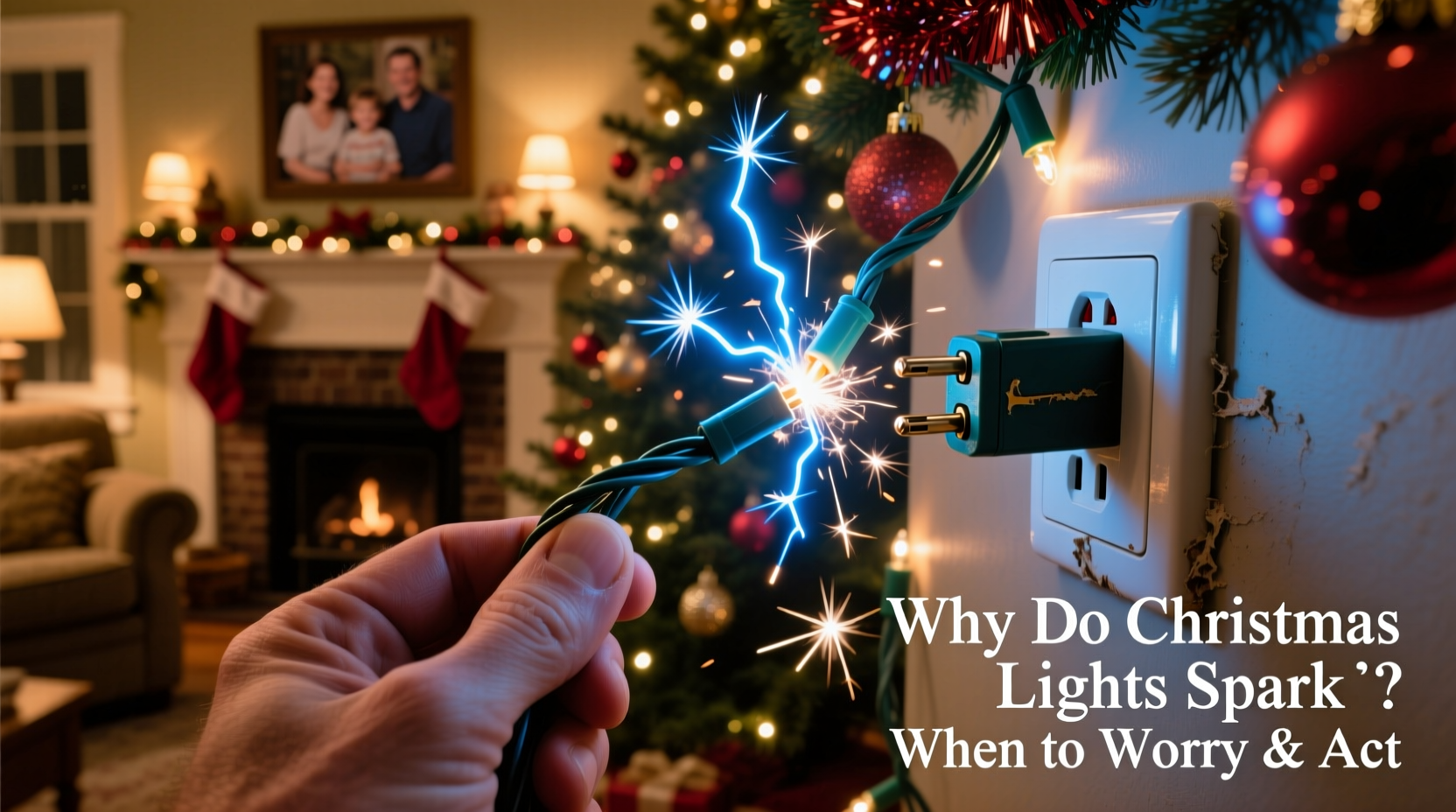
When you plug in a strand of Christmas lights, especially older incandescent models, a small spark at the outlet or plug is relatively common. This phenomenon is known as \"inrush arcing.\" It occurs because electricity jumps across the tiny gap between the plug prongs and the outlet contacts just before full contact is made. During this split second, electrons ionize the air, creating a visible spark.
This momentary arc is more likely to happen when:
- The circuit is under load (e.g., multiple strands are connected).
- The lights contain capacitors or transformers (common in LED sets with controllers).
- The outlet or plug has minor wear, increasing resistance.
In most cases, this spark lasts less than a fraction of a second and poses no danger. It’s similar to the small zap seen when plugging in high-wattage appliances like space heaters or vacuum cleaners.
“Minor sparking at plug-in is generally normal due to inrush current, especially with capacitive loads. What matters is consistency and context.” — James Roderick, Licensed Electrician & NFPA Contributor
When a Spark Is Normal vs. When It’s Dangerous
Not all sparks are created equal. The key is evaluating the spark’s characteristics and the behavior of the lights afterward. Below is a comparison table summarizing typical indicators of normal versus hazardous sparking.
| Feature | Normal Spark | Dangerous Spark |
|---|---|---|
| Duration | Instantaneous (less than 0.5 seconds) | Sustained or repeated arcing |
| Size | Small, blue-white flash | Large, bright yellow or orange burst |
| Sound | Faint snap or pop | Loud crackle, sizzle, or buzzing |
| Smell | None | Burning plastic, ozone, or melting insulation |
| After Effect | Lights function normally | Flickering, partial failure, tripped breaker |
If your lights exhibit any of the “dangerous” traits listed above, unplug them immediately and do not reuse until inspected or replaced.
Step-by-Step Guide: How to Safely Test and Use Christmas Lights
To minimize risk and ensure your holiday display remains safe, follow this inspection and activation sequence every season:
- Inspect Before Use: Examine each strand for cracked sockets, frayed wires, exposed conductors, or bent plugs. Discard any damaged sets.
- Check Ratings: Confirm the lights are rated for indoor, outdoor, or both uses depending on placement. Never use indoor-only lights outside.
- Test Outlets First: Ensure the outlet isn’t loose or warm to the touch. Use a GFCI outlet outdoors for added protection.
- Plug In Away From Flammables: Stand back slightly when plugging in, especially if using older lights. Keep away from curtains, dry trees, or paper decorations.
- Observe Initial Behavior: Watch and listen closely after plugging in. If there’s excessive sparking, smoke, or odor, disconnect immediately.
- Monitor Operation: Let the lights run for 10–15 minutes. Check for overheating wires or flickering patterns.
- Use Timers or Smart Plugs: Automate operation to prevent extended use and reduce fire risk from forgotten lights.
Following these steps annually helps catch issues early and promotes consistent safety practices.
Real Example: A Close Call with Vintage Lights
Daniel M., a homeowner in Vermont, reused a set of vintage incandescent Christmas lights passed down from his grandparents. The strands had been stored in an attic box for over a decade. When he plugged them into an outdoor outlet to decorate his porch, a loud pop occurred, followed by a brief flame at the plug base. He quickly disconnected the power and discovered melted insulation near the male end.
He took the strand to a local electrician, who explained that moisture had seeped into the plug during storage, degrading the internal connections. The combination of compromised insulation and high inrush current caused a short circuit. Had Daniel not been present, the incident could have ignited nearby wood trim or seasonal décor.
This case underscores the importance of inspecting older lights—even if they worked last year—and never assuming that sentimental value equates to electrical safety.
Common Causes of Hazardous Sparks in Christmas Lights
Beyond normal inrush arcing, several underlying issues can lead to dangerous sparking:
- Moisture ingress: Water inside sockets or connectors creates conductive paths, leading to shorts.
- Loose wire connections: Wires that have come loose inside sockets or plugs can arc intermittently.
- Damaged insulation: Rodents, age, or improper storage can wear down protective coatings.
- Overloaded circuits: Connecting too many strands exceeds amperage limits, causing heat buildup and potential arcing.
- Faulty manufacturing: Rare, but defective batches with poor soldering or substandard materials exist.
LED lights are generally less prone to sparking due to lower voltage and current requirements, but they are not immune—especially if used with incompatible adapters or controllers.
Checklist: Holiday Light Safety Inspection
Use this checklist before installing any string of Christmas lights:
- ✅ No visible damage to wires, sockets, or plugs
- ✅ All bulbs are intact and properly seated
- ✅ Labels indicate appropriate usage (indoor/outdoor)
- ✅ Plug fits snugly into the outlet without wobbling
- ✅ No discoloration, brittleness, or soft spots on cord
- ✅ Connected to a working GFCI outlet (for outdoor use)
- ✅ Not daisy-chained beyond manufacturer recommendations
- ✅ Stored properly since last use (coiled, dry, pest-free)
- ✅ Tested briefly before full installation
- ✅ Equipped with a timer or automatic shut-off
Failure to meet even one of these criteria increases the risk of sparking, overheating, or fire.
FAQ: Common Questions About Sparking Christmas Lights
Is it safe if my Christmas lights spark a little when I plug them in?
A very brief, small spark with no sound, smell, or lingering effects is typically safe and caused by normal electrical arcing during connection. However, if the spark is large, repeated, or accompanied by noise or odor, stop using the lights immediately.
Can sparking Christmas lights start a fire?
Yes. Persistent arcing generates heat, which can ignite nearby combustible materials like dried Christmas trees, paper garlands, or insulation. According to the U.S. Fire Administration, decorative lighting accounts for an estimated 7% of home fires during the winter months, often linked to faulty wiring or misuse.
Should I replace all my old Christmas lights?
You don't need to replace working, undamaged lights annually. However, consider retiring incandescent sets older than 10 years, especially if they show signs of wear. Modern LED replacements are safer, more durable, and cost-effective over time.
Expert Advice: What Professionals Recommend
Licensed electricians and fire safety experts emphasize proactive maintenance over reactive fixes. The National Electrical Manufacturers Association (NEMA) advises treating holiday lights like any other electrical appliance—inspect, test, and respect their limitations.
“Treat holiday lights with the same caution as kitchen appliances. Just because they’re small doesn’t mean they can’t cause big problems.” — Sarah Lin, Electrical Safety Engineer, Underwriters Laboratories
Experts also warn against complacency. Because Christmas lights are used only once a year, defects can go unnoticed for long periods. A strand that worked perfectly five Decembers ago may now pose a hazard due to environmental exposure during storage.
Conclusion: Stay Festive, Stay Safe
Christmas lights bring joy, warmth, and tradition to the holiday season—but they also carry real electrical risks if not handled responsibly. A small spark when plugging in isn’t automatically cause for alarm, but it should prompt awareness, not dismissal. By learning to distinguish normal electrical behavior from warning signs, conducting thorough annual inspections, and upgrading to safer technologies like LEDs, you protect not only your home but also the memories made within it.
Don’t let convenience override caution. Take ten extra minutes this year to examine each strand, test each connection, and ensure your display meets safety standards. Your future self—and your family—will thank you when the holidays pass without incident.




 浙公网安备
33010002000092号
浙公网安备
33010002000092号 浙B2-20120091-4
Comments
No comments yet. Why don't you start the discussion?