
Every year, millions of households bring home a fresh-cut or artificial Christmas tree, anchoring it in a stand filled with water. While the ritual is joyful, many families encounter an unexpected problem: puddles on the floor. Water leakage from Christmas tree stands isn’t just messy—it can damage hardwood floors, ruin rugs, and create slipping hazards. Understanding why this happens and how to fix it is essential for a stress-free holiday season.
The root causes vary—from poor manufacturing quality to improper use—but most leaks stem from predictable mechanical flaws. Fortunately, with the right knowledge and minor adjustments, you can prevent or resolve these issues before they escalate.
How Christmas Tree Stands Work—and Where They Fail
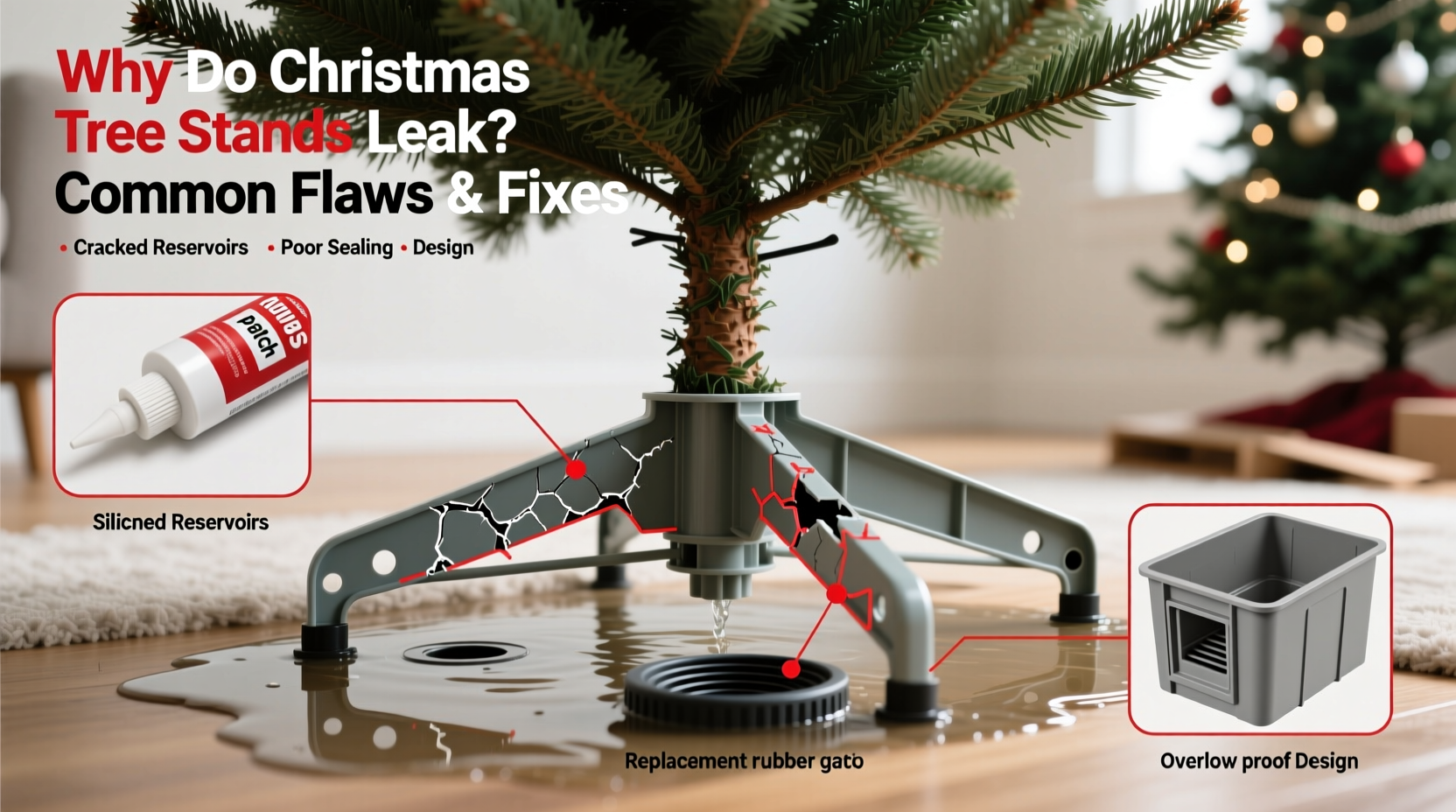
A typical Christmas tree stand functions by holding the tree upright through a system of screws or bolts that press against the trunk. The base doubles as a water reservoir, usually holding one to two gallons, which keeps real trees hydrated and reduces needle drop. Ideally, the water stays contained until it’s absorbed by the tree or evaporates naturally.
In practice, however, several design and usage factors compromise this system. Most leaks occur not because of catastrophic failure but due to small, cumulative flaws:
- Cracked or warped plastic bases – Many stands are made from injection-molded polypropylene, which becomes brittle over time, especially when stored in garages or attics with temperature extremes.
- Over-tightened center bolt mechanisms – Excessive force on metal or plastic components can distort the base, creating micro-fractures.
- Poor seal integrity around fill caps or drain plugs – Some models include removable stoppers or screw-on lids that degrade after repeated use.
- Uneven flooring – If the stand isn’t level, water migrates to the lowest point and may overflow even without structural damage.
- Tree trunk shape mismatches – A tapered or irregular trunk doesn’t seat evenly, causing the stand’s grip mechanism to apply uneven pressure, warping the base.
These issues often go unnoticed during assembly, only revealing themselves once the reservoir is full. By then, the damage may already be done—literally.
Common Flaws in Popular Stand Types
Not all tree stands are created equal. Market demand has led to a wide range of designs, each with its own strengths and weaknesses. Below is a breakdown of the most common types and their associated failure points.
| Stand Type | Pros | Common Flaws | Fixability |
|---|---|---|---|
| Reservoir Bucket (Plastic) | Inexpensive, lightweight, holds 1+ gallons | Brittle material; cracks under pressure; prone to warping | Moderate (can patch with epoxy) |
| Flip-Top / Lever Clamp | Easy setup; no tools required | Lever mechanism stresses one side of base; unbalanced load | Low (design flaw hard to correct) |
| Threaded Bolt (3-Screw) | Strong hold; adjustable; durable metal options | Over-tightening cracks base; alignment issues cause tilt | High (adjustable with care) |
| Center Screw (Single Bolt) | Slim profile; good for tight spaces | Concentrated pressure deforms base; difficult to stabilize | Moderate (use shims or reinforcement) |
| Metal Frame with Detachable Pan | Durable; commercial-grade; often used in offices | Pans rust or warp; gaps between frame and pan cause seepage | High (replace pan or seal edges) |
The cheapest plastic bucket-style stands dominate retail shelves every November, but their long-term reliability is questionable. According to consumer testing by *Home & Hearth Review*, nearly 40% of users reported visible leaks within two years of purchase, primarily due to material fatigue.
“Many budget stands sacrifice structural integrity for cost savings. You’re not just buying a holder—you’re trusting it to contain gallons of water beneath a 7-foot tree.” — Daniel Reeves, Product Engineer at Evergreen Home Safety
Step-by-Step: Diagnose and Fix a Leaking Stand
If your stand is already leaking—or you want to prevent it—follow this systematic approach to identify and resolve the issue.
- Empty and Dry Completely
Remove the tree if possible. Drain all water and let the stand air-dry for 24 hours. Moisture hides cracks and delays accurate inspection. - Inspect for Cracks and Warping
Run your fingers along the inner rim, corners, and around screw holes. Look for spider-webbing patterns in plastic—a sign of stress fractures. Hold a flashlight at low angles to catch subtle deformities. - Test the Seal Points
Check any drain plugs, fill caps, or gaskets. Replace rubber washers if cracked or flattened. For threaded plugs, wrap plumber’s tape around the threads to improve the seal. - Perform a Leak Test
Place the empty stand in a bathtub or large tray. Fill with water and wait 30 minutes. Observe where drips appear. Mark them with a dry-erase marker. - Repair Identified Leaks
For small cracks:- Clean the area with rubbing alcohol.
- Apply marine-grade epoxy (e.g., JB Weld WaterWeld) and smooth with a popsicle stick.
- Allow 12–24 hours to cure fully before refilling.
- Reinforce High-Stress Zones
Add external support using aluminum strips or plastic reinforcement brackets secured with waterproof adhesive. This redistributes pressure from tightening mechanisms. - Level the Setup
Use a small bubble level on top of the tree base. If unlevel, place thin cardboard shims under the low side of the stand. Even a 2° tilt can shift water volume enough to spill.
This process not only stops current leaks but extends the life of your stand for future seasons.
Prevention Checklist: Avoid Leaks Before They Start
Proactive maintenance beats emergency cleanup every time. Use this checklist annually before setting up your tree.
- ✅ Inspect the stand for cracks, warping, or degraded seals
- ✅ Clean the reservoir with vinegar solution to remove algae or mineral buildup
- ✅ Replace worn gaskets or drain plugs
- ✅ Confirm the stand is rated for your tree’s height and trunk diameter
- ✅ Place a waterproof tray or liner underneath the stand
- ✅ Tighten screws gradually and evenly—don’t overtighten
- ✅ Check water level daily and refill before it drops below the trunk base
One often-overlooked factor is tree preparation. Always make a fresh cut at the base of a real tree before placing it in the stand. A sealed sap layer prevents water uptake, leading owners to overfill the reservoir in frustration—increasing hydrostatic pressure and the risk of leaks.
Real-World Example: The Johnson Family’s Holiday Near-Disaster
The Johnsons in suburban Chicago learned the hard way about stand failures. In December 2022, they set up a 7.5-foot Fraser fir in a three-year-old plastic reservoir stand. Two days later, they noticed dampness under the tree skirt. By morning, a quarter-inch of water had spread across their engineered hardwood floor, warping two boards near the wall.
Upon inspection, they found a hairline crack near the back screw mount—caused by over-tightening during installation. The family had cranked the bolts “until it felt secure,” unaware that excessive torque had stressed the already-brittle plastic.
They drained the stand, dried the floor with fans, and repaired the crack with epoxy. For the remainder of the season, they placed absorbent pads under the stand and monitored it hourly. They now replace their stand every four years regardless of appearance and always use a protective tray.
Their experience underscores a broader truth: most leaks are preventable with awareness and modest effort.
Frequently Asked Questions
Can I use duct tape to fix a leaking tree stand?
Duct tape is not recommended for permanent repairs. While it may temporarily cover a small crack, it loses adhesion when wet and can leave residue. Use waterproof epoxy instead for lasting results.
Should I put something under my tree stand?
Yes. Placing a waterproof tree tray, vinyl mat, or even a repurposed baking sheet under the stand catches minor seepage and protects flooring. Choose a tray at least 2 inches wider than the stand base for full coverage.
How much water should a tree stand hold?
A general rule is one quart of water per inch of trunk diameter. A typical 7-foot tree with a 3-inch trunk needs about three quarts daily when first set up. The reservoir should accommodate at least this amount without being overfilled to the brim.
Expert Tips for Long-Term Stand Care
Extending the life of your tree stand starts long after the holidays end. Proper off-season storage is critical.
- Disassemble completely: Remove all screws, bolts, and plugs. Store them in a labeled bag taped to the underside of the base.
- Clean thoroughly: Mix warm water with white vinegar (1:1 ratio) and scrub the reservoir to prevent mold and mineral deposits.
- Store indoors: Keep the stand in a climate-controlled space like a closet or basement. Avoid garages or sheds where freezing temperatures make plastic brittle.
- Stack carefully: Don’t place heavy items on top of plastic stands. Compression over months can cause warping.
“A well-maintained stand can last a decade or more. The key is treating it like any other seasonal appliance—inspect, clean, store properly.” — Lena Patel, Home Maintenance Consultant at SeasonWell Living
Investing in a higher-quality stand upfront—such as those made from reinforced polymers or powder-coated steel—also pays dividends. Though they may cost $20–$40 more, their durability and better engineering reduce long-term hassle and replacement costs.
Conclusion: Keep Your Holidays Dry and Safe
A leaking Christmas tree stand might seem like a minor inconvenience, but it carries real risks—from property damage to safety hazards. The causes are often rooted in overlooked details: material fatigue, improper tightening, or simple wear and tear. Yet with informed care, most problems are avoidable.
Start by inspecting your current stand. Repair what you can, replace what you must, and never underestimate the value of a simple waterproof tray. Make tree setup a ritual of preparation, not panic.
Your holiday memories should be filled with warmth and cheer—not mopping up spills. Take action now, share these insights with family members who help decorate, and ensure your festive centerpiece stays exactly where it belongs: standing tall, staying hydrated, and keeping your floor perfectly dry.




 浙公网安备
33010002000092号
浙公网安备
33010002000092号 浙B2-20120091-4
Comments
No comments yet. Why don't you start the discussion?