
Dogs are creatures of habit, and many of their behaviors—no matter how odd they seem—trace back to survival instincts shaped over thousands of years. One such behavior is circling before lying down. Whether your dog spins once or three times before settling in, this ritual is far more than a quirky habit. It's an echo of ancestral survival strategies embedded deep within canine DNA. Understanding why dogs circle offers insight into their evolutionary past, mental well-being, and even health indicators.
This seemingly simple act connects modern domesticated dogs to their wild ancestors—wolves, jackals, and other canids who relied on instinct to survive in unpredictable environments. While today’s dogs sleep on plush beds indoors, their bodies still follow ancient routines that once ensured safety, comfort, and protection from threats.
The Evolutionary Roots of Circling Behavior
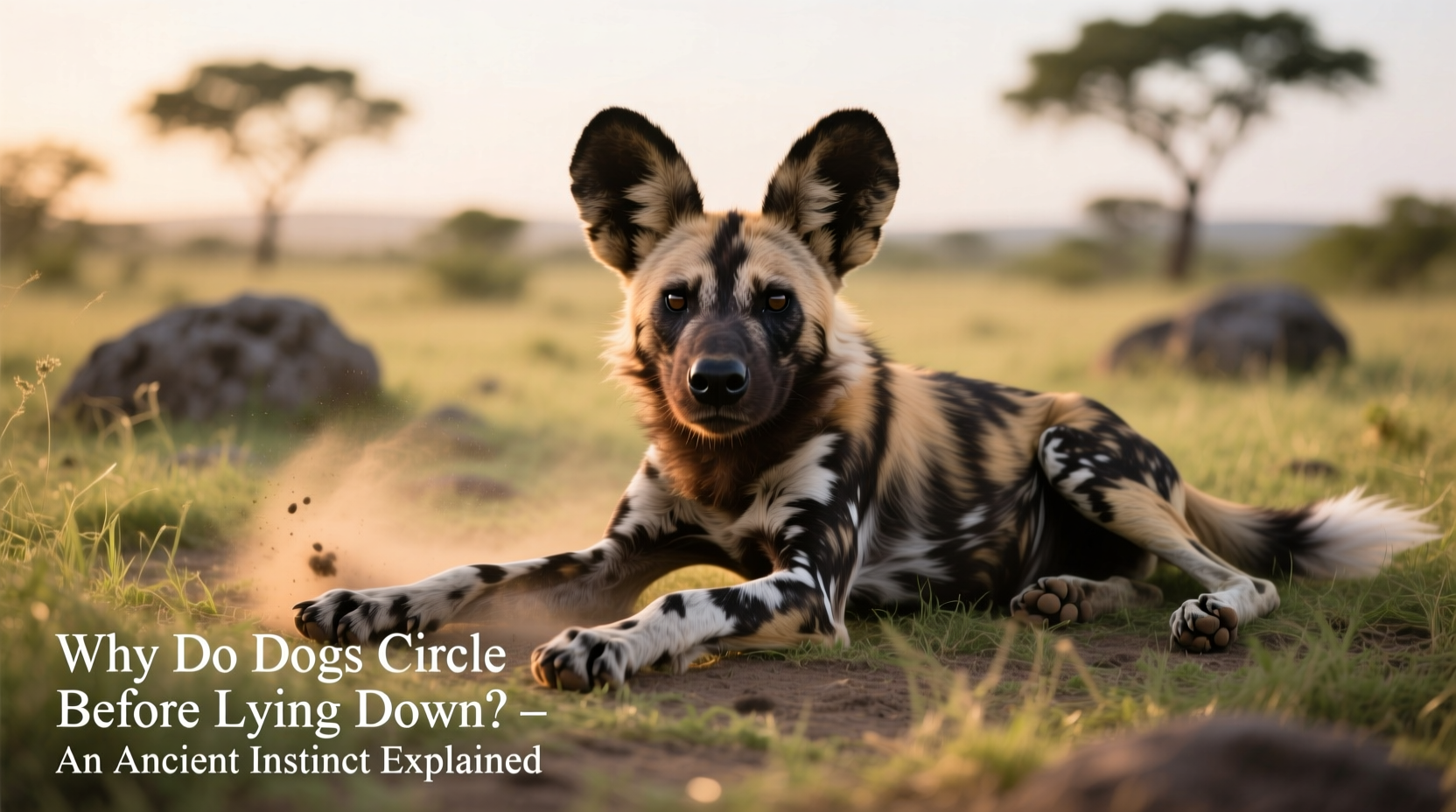
In the wild, dogs’ ancestors didn’t have the luxury of pre-made shelters or climate-controlled homes. They slept outdoors, exposed to weather, predators, and uneven terrain. Before resting, they needed to prepare their sleeping area—a task that involved several steps, one of which was circling.
Circling served multiple practical purposes:
- Trampling down vegetation: Wild canines would flatten tall grass, leaves, or snow to create a comfortable, concealed nest. This reduced exposure and provided insulation.
- Checking for pests: Spinning around disturbed insects, snakes, or scorpions hiding in the underbrush.
- Testing ground stability: Uneven or soft soil could signal danger or discomfort. A few rotations helped assess whether the spot was safe to lie on.
- Marking territory: Paws contain scent glands. As dogs walked in circles, they released pheromones, marking the space as their own and signaling to other animals to keep away.
This routine became hardwired into canine behavior through natural selection. Dogs that took time to prepare their resting spots were more likely to avoid injury, stay warm, and evade predators—increasing their chances of survival and reproduction.
“Circling is not random—it’s a deeply ingrained sequence of actions passed down from wolves. Even in safe environments, the instinct remains because evolution doesn’t erase useful behaviors quickly.” — Dr. Lena Torres, Canine Ethologist, University of Edinburgh
Modern Manifestations: Why Pet Dogs Still Circle
Despite living in secure homes with soft beds, most dogs continue to circle before lying down. This persistence highlights the strength of inherited instincts. The behavior isn't learned; it's automatic, often emerging in puppies before they’ve had any real need to \"prepare\" a sleeping area.
Interestingly, the number of rotations varies between individuals. Some dogs spin just once, others three or more times. This variation may reflect personality, breed tendencies, or even minor environmental cues like the texture of flooring or presence of drafts.
Breed Differences and Instinct Strength
Not all dogs exhibit circling equally. Breeds closer to their wild ancestors—such as Siberian Huskies, Alaskan Malamutes, or Basenjis—tend to show stronger nesting behaviors, including pronounced circling. In contrast, highly bred companion dogs like Pomeranians or Cavalier King Charles Spaniels may skip the ritual altogether or perform a minimal version.
A 2021 study published in *Animal Cognition* observed that working and herding breeds performed significantly more rotations than toy breeds, suggesting a correlation between functional lineage and instinct retention.
The Role of Scent and Territory Marking
While flattening grass is no longer necessary indoors, scent marking still plays a subtle role. When dogs walk in circles, they press their paw pads into the floor, releasing pheromones from sweat glands located between the toes. These chemical signals communicate ownership and familiarity.
This territorial aspect helps dogs feel secure. By “claiming” their bed or favorite spot, they reinforce a sense of control over their environment—an important psychological factor, especially in multi-pet households or high-stress settings.
Moreover, dogs rely heavily on olfactory cues. The act of circling may allow them to re-check the scent profile of their resting zone, ensuring nothing has changed since their last visit. Any unfamiliar odor—like a new cleaner or another pet’s presence—might prompt additional circling or refusal to lie down.
Health and Behavioral Indicators Hidden in the Spin
While circling is normal, changes in this behavior can signal underlying issues. Veterinarians and animal behaviorists use shifts in pre-sleep rituals as diagnostic clues.
When Circling Becomes a Red Flag
Excessive circling—defined as more than five rotations without settling—can be associated with:
- Cognitive dysfunction syndrome (CDS): Similar to dementia in humans, older dogs may lose the ability to complete behavioral sequences, leading to repetitive, unfocused actions.
- Anxiety or OCD-like behaviors: Stress, trauma, or lack of stimulation can manifest as compulsive movements, including persistent spinning.
- Neurological disorders: Issues affecting the vestibular system or brain function may disrupt motor control and spatial awareness.
- Pain or discomfort: Arthritis, hip dysplasia, or spinal injuries make lying down painful. Dogs may circle repeatedly, searching for a position that minimizes strain.
| Behavior Pattern | Normal? | Potential Concern |
|---|---|---|
| 1–3 circles before lying down | ✅ Yes | None |
| Repeated spinning without lying down | ❌ No | OCD, anxiety, neurological issue |
| Sudden stop in circling behavior | ⚠️ Possibly | Pain, illness, cognitive decline |
| Circling accompanied by whining or limping | ❌ No | Physical discomfort or injury |
Mini Case Study: Max, the Senior Labrador
Max, a 10-year-old Labrador Retriever, always spun twice before settling on his orthopedic bed. His owner, Sarah, noticed he began circling five to six times, sometimes walking away without lying down at all. Concerned, she consulted her vet. After a physical exam and X-rays, Max was diagnosed with early-stage hip dysplasia. With anti-inflammatory medication and a heated bed for added support, his circling returned to normal within weeks.
This case illustrates how subtle shifts in instinctive behavior can serve as early warning signs, allowing timely intervention.
Environmental Influences on Circling Habits
Even subtle aspects of a home environment can influence how—and how much—a dog circles before lying down.
Surface Type and Texture
Dogs tend to circle more on smooth surfaces like hardwood or tile, where traction is lower and stability harder to assess. On carpets or rugs, fewer rotations may occur due to better grip and cushioning.
Temperature and Comfort
In cooler rooms, dogs may spend extra time adjusting their position to conserve body heat. Conversely, in warm areas, they might spread out immediately after a single turn, seeking airflow rather than insulation.
Presence of Other Animals
In multi-dog homes, circling can take on social significance. A subordinate dog may delay lying down until a dominant one has settled, or perform exaggerated circling as a submissive gesture. Interruptions during the process—such as another pet approaching—can reset the ritual entirely.
Step-by-Step: How to Support Healthy Pre-Sleep Behavior
If you want to ensure your dog’s circling habit remains a healthy expression of instinct—not a sign of distress—follow these steps:
- Observe the pattern: Note how many times your dog circles, whether they settle afterward, and if there are any vocalizations or signs of hesitation.
- Check the sleeping surface: Ensure the bed is supportive, clean, and appropriate for your dog’s size and age. Older dogs benefit from memory foam or heated options.
- Rule out pain: Gently palpate joints and watch for flinching when lying down. Consult a vet if mobility seems impaired.
- Reduce environmental stressors: Minimize noise, sudden lights, or disturbances near bedtime to prevent interrupted routines.
- Maintain a consistent routine: Dogs thrive on predictability. Feeding, walking, and resting at regular times supports overall behavioral health.
Frequently Asked Questions
Is it normal for puppies to circle before lying down?
Yes. Puppies as young as eight weeks old display circling behavior, even in sterile indoor environments. This confirms its instinctive nature rather than learned action.
Should I stop my dog from circling?
No. Interrupting this natural ritual can cause frustration or anxiety. Allow your dog to complete the process unless it becomes excessive or painful.
Do all dog breeds circle before lying down?
Most do, but the intensity varies. Working and northern breeds typically show stronger circling instincts, while some toy breeds may simply step in place or bypass the behavior entirely—especially if bred for companionship over function.
Conclusion: Honoring the Past, Supporting the Present
The simple act of a dog circling before lying down is a window into millennia of evolution. What appears trivial is, in fact, a sophisticated blend of survival strategy, sensory evaluation, and emotional regulation. By recognizing this behavior for what it is—an enduring legacy of adaptation—we deepen our understanding of our canine companions.
Respecting these instincts doesn’t mean reverting to wilderness care. Instead, it means creating environments where natural behaviors can unfold safely and comfortably. Whether your dog spins once or thrice, that moment before rest is a quiet tribute to resilience, intelligence, and the unbroken thread connecting pets to their wild roots.




 浙公网安备
33010002000092号
浙公网安备
33010002000092号 浙B2-20120091-4
Comments
No comments yet. Why don't you start the discussion?