
Dogs eating grass is one of the most common yet misunderstood behaviors in pet ownership. Nearly every dog owner has witnessed their canine companion suddenly drop to the ground and begin munching on lawn blades with surprising focus. While this behavior might seem odd—or even alarming—grass consumption is generally normal and rarely a cause for immediate concern. However, understanding why dogs do it requires looking beyond surface-level assumptions. Is it boredom? A cry for missing nutrients? Or simply an instinctual habit passed down from their wild ancestors? The truth lies in a combination of biological, psychological, and environmental factors.
The Science Behind Grass-Eating Behavior
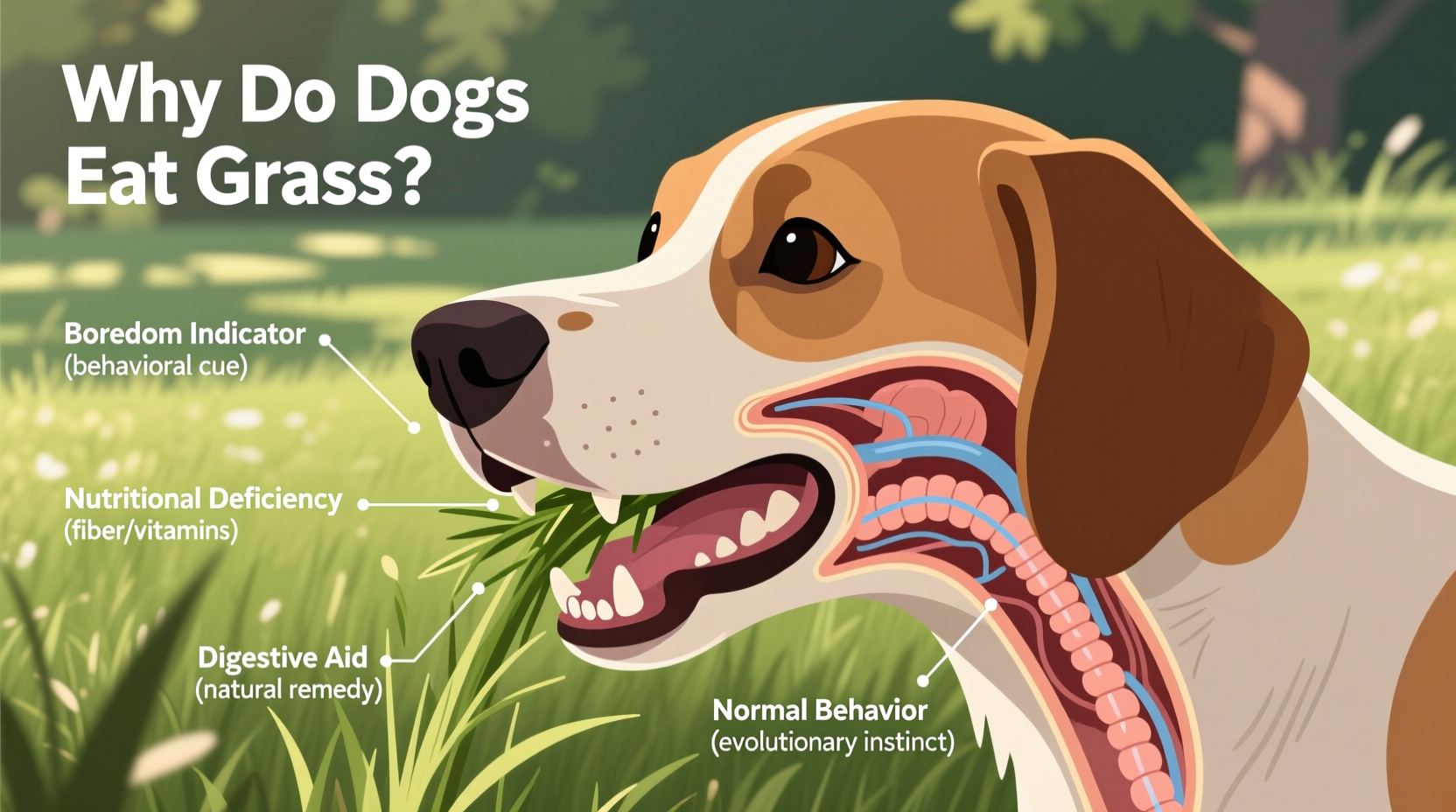
Grass-eating, or \"pica\" when referring to non-food substance consumption, occurs in over 70% of domestic dogs according to veterinary studies. A landmark study published in *Applied Animal Behaviour Science* surveyed more than 1,500 dog owners and found that regular grass consumption was reported in 68% of dogs, with only 22% showing signs of illness beforehand and just 8% vomiting afterward. This suggests that grass eating is not primarily linked to illness or digestive distress in most cases.
From an evolutionary perspective, dogs are omnivores with carnivorous roots. Their wild relatives, such as wolves and coyotes, often consume plant material indirectly through the stomach contents of herbivorous prey. Over time, domestication has broadened their dietary flexibility. Grass may serve as a mild fiber supplement, aiding intestinal motility. Some researchers believe that occasional plant consumption could support gut microbiome balance or help expel intestinal parasites—a self-medicative behavior known as zoopharmacognosy.
“Dogs eating grass is typically not a sign of disease. In fact, it’s likely a normal, ingrained behavior with roots in their ancestral diet.” — Dr. Karen Becker, Integrative Veterinarian
Boredom: A Psychological Trigger
While nutrition plays a role, behavioral factors like boredom or anxiety can significantly influence grass-eating habits. Dogs left alone for long periods, especially those without sufficient mental stimulation or physical exercise, may turn to grazing as a form of occupation. This repetitive action can become a displacement behavior—an activity performed out of stress or frustration when a dog cannot act on its primary motivation.
For example, a high-energy breed like a Border Collie confined to a small yard with no toys or interaction may begin nibbling grass simply because there’s nothing else to do. In these cases, the behavior isn’t driven by hunger but by under-stimulation. Owners might notice increased grass consumption during times of change—such as moving homes, introducing new pets, or altered routines.
Signs That Boredom May Be the Cause
- Eating grass primarily when left alone
- Accompanied by other compulsive behaviors (e.g., tail chasing, licking)
- No vomiting after grass consumption
- Occurs in otherwise healthy dogs on balanced diets
Nutritional Deficiencies: Myth or Reality?
One popular theory is that dogs eat grass to compensate for missing nutrients—particularly fiber, vitamins, or digestive enzymes. While this idea is intuitive, scientific evidence remains limited. Most commercial dog foods are formulated to meet AAFCO (Association of American Feed Control Officials) standards, ensuring complete and balanced nutrition for adult dogs.
That said, lower-quality kibble filled with fillers and artificial ingredients may lack bioavailable nutrients, prompting dogs to seek alternative sources. Grass contains chlorophyll, trace minerals, and soluble fiber, which could theoretically aid digestion or provide micronutrients absent in poor diets. However, the amount consumed is usually too small to make a significant nutritional impact.
Veterinarians caution against assuming grass eating indicates deficiency without further symptoms. True nutritional gaps typically present with additional signs such as dull coat, weight loss, diarrhea, or lethargy. If these accompany frequent grass consumption, a dietary evaluation is warranted.
When Nutrition Might Actually Be the Factor
- The dog is on a homemade or raw diet lacking proper supplementation.
- There’s a sudden switch to low-grade commercial food with corn or soy as primary ingredients.
- Grass eating begins shortly after a diet change and persists.
- Veterinary bloodwork reveals deficiencies in iron, B-vitamins, or zinc.
Instinct, Digestion, and Natural Behavior
Another compelling explanation is that grass eating is simply instinctual. Even well-fed, mentally stimulated dogs may graze occasionally. This behavior doesn’t necessarily require a “reason” in the human sense—it may be a vestigial trait with minimal consequence.
Some experts suggest that dogs use grass to induce vomiting when they feel unwell. However, research contradicts this: only a small minority of dogs vomit after eating grass, and most do so hours later, if at all. Instead, grass may act as a natural laxative or aid in moving hairballs and undigested matter through the intestines.
In multi-dog households, social learning can also play a role. One dog may start eating grass, and others mimic the behavior out of curiosity or pack dynamics. This doesn’t imply any underlying issue—it’s simply observational learning in action.
| Potential Cause | Supporting Evidence | Red Flags |
|---|---|---|
| Boredom/Stress | Occurs during isolation; improves with enrichment | Repetitive, obsessive patterns; other anxiety signs |
| Nutritional Gap | Rare; possible with unbalanced diets | Poor coat, weight loss, chronic GI issues |
| Instinctual Behavior | Common across breeds; no adverse effects | None—considered normal if infrequent |
| Medical Issue | Parasites, GI disorders, diabetes | Frequent vomiting, diarrhea, appetite changes |
Mini Case Study: Max, the Apartment Husky
Max, a three-year-old Siberian Husky living in a city apartment, began eating grass aggressively during his twice-daily walks. His owner, Sarah, initially assumed he needed more fiber and switched to a “high-digestive-health” formula. When the behavior continued, she worried about nutrient absorption.
After consulting her veterinarian, who ruled out parasites and confirmed Max was otherwise healthy, Sarah observed Max more closely. She noticed he only ate grass when passing a busy intersection or hearing loud trucks—times of heightened stress. She also realized his walks were short and lacked engagement.
She adjusted his routine: longer walks in quieter parks, scent games, and chew toys filled with food puzzles. Within two weeks, Max’s grass consumption dropped by 80%. The behavior wasn’t about nutrition—it was about anxiety and understimulation. By addressing the root cause, Sarah improved both Max’s mental health and his walking experience.
Step-by-Step Guide to Assessing and Managing Grass Eating
If your dog frequently eats grass, follow this practical sequence to determine whether intervention is needed:
- Observe the Pattern: Note when, where, and how often your dog eats grass. Is it during walks? After meals? When alone?
- Check for Vomiting: Does your dog vomit shortly after? If yes, monitor frequency and content. Occasional vomiting isn’t alarming; persistent episodes require vet attention.
- Review Diet Quality: Examine ingredient lists. Avoid foods where corn, wheat, or by-products are primary components. Opt for whole meats, vegetables, and named fats.
- Assess Mental Stimulation: Evaluate daily enrichment. Are there enough walks, training sessions, or interactive toys? Aim for at least 30–60 minutes of active engagement per day.
- Schedule a Vet Check: Rule out parasites, inflammatory bowel disease, or endocrine disorders with a fecal exam and blood panel if concerns persist.
- Modify Environment: If grass eating is harmless but undesirable, redirect with treats or toys during walks. Consider leash training cues like “leave it.”
Checklist: Is Your Dog’s Grass Eating a Concern?
- ✅ Eats grass occasionally and seems happy and healthy — likely normal
- ✅ No vomiting or digestive upset — low risk
- ✅ On a high-quality, balanced diet — nutritional gap unlikely
- ✅ Gets daily mental and physical exercise — boredom less probable
- ❌ Eats grass obsessively (multiple times daily) — investigate further
- ❌ Vomits frequently or shows diarrhea/weight loss — consult vet
- ❌ Consumes chemically treated lawns — potential toxicity risk
Frequently Asked Questions
Is it dangerous for dogs to eat grass?
In most cases, no. Plain, untreated grass is not harmful. The main risks come from exposure to lawn chemicals, contaminated soil, or excessive consumption leading to gastrointestinal blockage. If your dog eats grass moderately and shows no ill effects, it’s generally safe.
Should I stop my dog from eating grass?
Not necessarily. If the behavior is occasional and your dog is healthy, intervention isn’t needed. However, if it becomes compulsive or occurs alongside other symptoms, behavioral or medical evaluation is recommended. Redirecting the behavior with toys or commands can help if it’s unwanted.
Can adding fiber to my dog’s diet reduce grass eating?
Sometimes. If a vet suspects low fiber intake, they may recommend pumpkin puree (not pie filling), psyllium husk, or a high-fiber dog food. However, avoid self-prescribing supplements. Too much fiber can cause gas, bloating, or interfere with nutrient absorption.
Conclusion: Understanding, Not Judging, Canine Behavior
Dogs eat grass for a variety of reasons—some rooted in biology, others in environment or emotion. While boredom and nutritional needs can contribute, they are rarely the sole explanation. More often, grass consumption is a normal, multifaceted behavior that reflects a dog’s complex relationship with their world. Rather than reacting with concern, owners should observe patterns, rule out medical causes, and ensure their pet’s physical and emotional needs are met.
Understanding your dog’s actions fosters a deeper bond and leads to better care. If grass eating is part of your dog’s routine, ask not “What’s wrong?” but “What might they be communicating?” With thoughtful observation and proactive care, you can support your dog’s well-being—whether they’re sprinting through a field or pausing to taste the blades beneath their paws.




 浙公网安备
33010002000092号
浙公网安备
33010002000092号 浙B2-20120091-4
Comments
No comments yet. Why don't you start the discussion?