
If you've ever lifted your dog's paw to give it a sniff—or found your face buried in their fur only to catch a whiff of something oddly resembling snack food—you're not alone. Many dog owners report that their pets emit a distinct aroma reminiscent of Fritos corn chips or even stale popcorn. While it may seem bizarre, this phenomenon is surprisingly common and has a solid biological basis. It’s not your dog snacking on leftovers; it’s a natural byproduct of microbial activity on their skin and paws.
This characteristic \"corn chip\" smell, often dubbed \"Frito feet\" or \"cheesy paws,\" isn't usually a sign of poor hygiene. In fact, it’s typically harmless and rooted in the complex ecosystem of bacteria and fungi living on your dog’s body. However, understanding what causes it—and when it might signal an underlying issue—is essential for responsible pet care.
The Science Behind the Smell: Bacteria and Yeast at Work
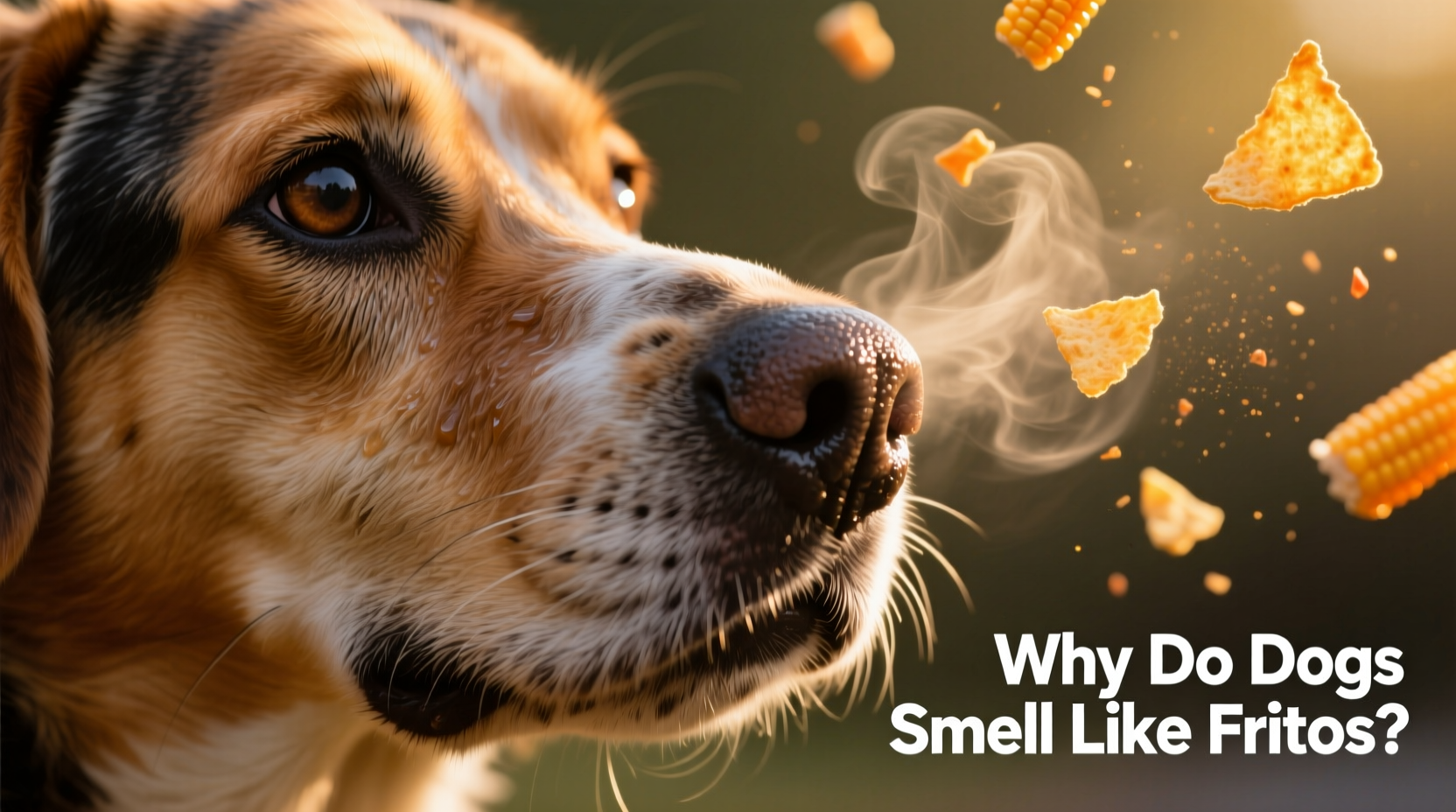
The primary culprits behind the Fritos-like odor are naturally occurring microorganisms: specific strains of bacteria and yeast that thrive in warm, moist environments. Dogs have a unique skin microbiome, much like humans, but with some key differences due to their fur coverage, sweat glands, and behavior (like licking their paws).
The most common microbes involved are:
- Pseudomonas – A genus of bacteria known for producing volatile organic compounds with earthy or musty odors.
- Proteus – Often found in soil and water, these bacteria can contribute to a yeasty or corn tortilla-like scent.
- Malassezia yeast – A type of fungus commonly present on canine skin, especially in skin folds and between toes. When overgrown, it produces a distinctive musty or cheesy aroma.
When these microbes metabolize proteins and fatty acids from dead skin cells and sebum (the oily substance secreted by skin glands), they release aromatic compounds. One such compound, diacetyl, is particularly noteworthy—it's the same chemical responsible for the buttery flavor in microwave popcorn and artificial butter flavoring. Diacetyl has a sweet, creamy, slightly tangy profile that closely resembles the smell of corn chips.
“Dogs host a diverse microbiome on their skin and in their ears. The 'Frito' smell is usually benign, caused by normal flora breaking down skin oils. But persistent or worsening odor can indicate imbalance.” — Dr. Lena Patel, Veterinary Dermatologist
Why Paws Are the Main Source of the Odor
You’ll most often notice the corn chip smell when your dog lifts its paw or after they’ve been lying down. This is no coincidence. A dog’s paws are ideal breeding grounds for odor-causing microbes due to several factors:
- Mild sweating: Unlike humans, dogs don’t sweat through their skin. Instead, they release moisture through their paw pads. This slight dampness creates a humid microclimate perfect for bacterial and fungal growth.
- Fur between toes: Breeds with furry feet (like Poodles, Shih Tzus, or Bichon Frises) trap more moisture and debris, increasing the likelihood of microbial buildup.
- Ground contact: Paws constantly touch floors, grass, mud, and other surfaces teeming with microbes. These external organisms can colonize the skin and contribute to odor.
- Licking behavior: Dogs frequently lick their paws, transferring oral bacteria to their feet and introducing additional microbial strains.
The combination of warmth, moisture, and organic material makes the space between a dog’s toes a microbial hotspot. As bacteria and yeast break down sweat and skin residue, the resulting metabolic byproducts—especially diacetyl and related ketones—create the unmistakable Frito-like aroma.
When the Smell Is Normal vs. When It’s a Warning Sign
Occasional Frito-like odor is typically nothing to worry about. However, if the smell becomes strong, persistent, or is accompanied by other symptoms, it may point to an underlying health issue. Here’s how to tell the difference:
| Normal “Frito Feet” | Potential Problem |
|---|---|
| Mild, intermittent corn chip smell | Strong, foul, or rancid odor |
| No visible irritation on paws | Redness, swelling, or sores between toes |
| Dog doesn’t excessively lick or chew paws | Frequent licking, chewing, or limping |
| Odor improves with basic cleaning | Smell persists despite washing |
| No discharge or crusting | Yellowish discharge, crusts, or hair loss |
A sudden increase in odor intensity or changes in behavior should prompt a veterinary consultation. Conditions such as bacterial infections (pyoderma), yeast overgrowth (malassezia dermatitis), allergies, or even foreign bodies stuck between toes can mimic or exacerbate the Frito smell.
Common Triggers of Abnormal Paw Odor
- Allergies: Environmental or food allergies cause inflammation and increased sebum production, feeding microbial overgrowth.
- Hypothyroidism: This condition alters skin oil composition and weakens immune defenses, making dogs more prone to infections.
- Moisture retention: Long hair around paws traps water after baths or rain, creating a breeding ground for microbes.
- Overbathing: Stripping natural oils can disrupt the skin barrier, leading to compensatory oil production and microbial imbalance.
How to Manage and Reduce the Frito Smell
While you can’t—and shouldn’t—eliminate all microbes from your dog’s body (they’re part of a healthy ecosystem), you can take practical steps to keep the odor under control and ensure your dog remains comfortable and healthy.
Step-by-Step Guide to Fresh-Smelling Paws
- Wipe paws daily: Use a damp washcloth or pet-safe wipe to clean between the toes after outdoor activity.
- Trim excess fur: Keep hair between paw pads short to reduce moisture trapping. Use blunt-nosed scissors or visit a groomer.
- Bathe with medicated shampoo if needed: For recurring odor, use a chlorhexidine or ketoconazole shampoo every 1–2 weeks, following vet guidance.
- Dry thoroughly after baths: Use a towel to dry between toes, or use a low-heat dryer if your dog tolerates it.
- Inspect regularly: Check for cuts, thorns, or signs of infection during grooming sessions.
- Address underlying allergies: If your dog itches frequently, consult your vet about allergy testing and management.
Real-Life Example: Bella the Beagle
Bella, a three-year-old Beagle from Austin, Texas, began emitting a strong cheesy odor from her paws. Her owner initially dismissed it as “normal dog smell,” but soon noticed Bella was limping and obsessively licking her left front foot. A vet examination revealed a small splinter embedded between her toes, causing localized infection and yeast overgrowth.
After removing the splinter and prescribing a course of antifungal wipes and oral antibiotics, Bella’s odor resolved within two weeks. Her owner now checks her paws daily and trims the hair between her pads monthly. The experience highlighted how a seemingly harmless smell can mask a physical injury or infection.
This case underscores the importance of vigilance. While most Frito-like smells are benign, sudden changes warrant investigation.
FAQ: Common Questions About the Corn Chip Smell
Is the Frito smell harmful to my dog?
Not inherently. The odor itself is just a byproduct of normal microbial activity. However, if it’s linked to infection, inflammation, or discomfort, then yes—it indicates a problem needing attention.
Can I prevent the smell completely?
You can reduce it significantly with regular paw hygiene, but eliminating it entirely isn’t necessary or advisable. The microbes involved play a role in protecting the skin from more harmful pathogens.
Do certain breeds smell more like Fritos?
Yes. Dogs with dense fur between their toes (e.g., Pomeranians, Lhasa Apsos, Cocker Spaniels) or those prone to allergies (like Bulldogs or Retrievers) are more likely to develop noticeable odors due to increased moisture retention and skin issues.
Expert Insight: What Veterinarians Recommend
Routine monitoring is key. Vets emphasize that owners should become familiar with their dog’s baseline scent and behavior. Any deviation—especially combined with itching, redness, or behavioral changes—should prompt a checkup.
“The ‘Frito feet’ phenomenon is usually just a quirky aspect of canine biology. But when the smell turns sour or your dog seems uncomfortable, it’s time to look deeper. Early intervention prevents minor issues from becoming chronic.” — Dr. Marcus Tran, Small Animal Practitioner
Checklist: Managing Your Dog’s Paw Health
- ✅ Wipe paws after walks or playtime
- ✅ Trim hair between paw pads every 3–4 weeks
- ✅ Inspect paws weekly for cuts, swelling, or debris
- ✅ Bathe with gentle or medicated shampoo as needed
- ✅ Dry thoroughly after water exposure
- ✅ Schedule vet visits if odor worsens or behavior changes
- ✅ Consider allergy evaluation for chronic licking or odor
Conclusion: Embrace the Quirk, Monitor the Health
The reason dogs sometimes smell like Fritos corn chips is a fascinating intersection of microbiology, anatomy, and everyday pet life. It’s a testament to the invisible world of microbes that coexist with our animals—most of the time, in peaceful balance. That buttery, snack-like aroma isn’t a flaw; it’s a signature of your dog’s natural biology.
But as with any bodily signal, context matters. While a light corn chip scent is normal, strong or worsening odors deserve attention. With consistent care, simple hygiene practices, and awareness of your dog’s health patterns, you can keep your pet smelling pleasant and feeling great.




 浙公网安备
33010002000092号
浙公网安备
33010002000092号 浙B2-20120091-4
Comments
No comments yet. Why don't you start the discussion?