
Wearing a face mask has become second nature for many, whether for health protection, workplace safety, or personal preference. But for those who wear prescription glasses or sunglasses, one persistent annoyance remains: foggy lenses. The moment you step indoors, speak, breathe deeply, or even sip coffee, your vision blurs behind a veil of condensation. This isn’t just inconvenient—it can be dangerous when clarity is essential, such as while driving or working in medical settings.
The root cause lies in basic physics, not poor hygiene or faulty eyewear. Understanding the science behind lens fogging—and how breath interacts with masks and temperature—empowers you to implement practical solutions. From simple DIY fixes to specialized products, there are proven strategies to keep your glasses clear and your focus sharp.
The Science Behind Foggy Glasses
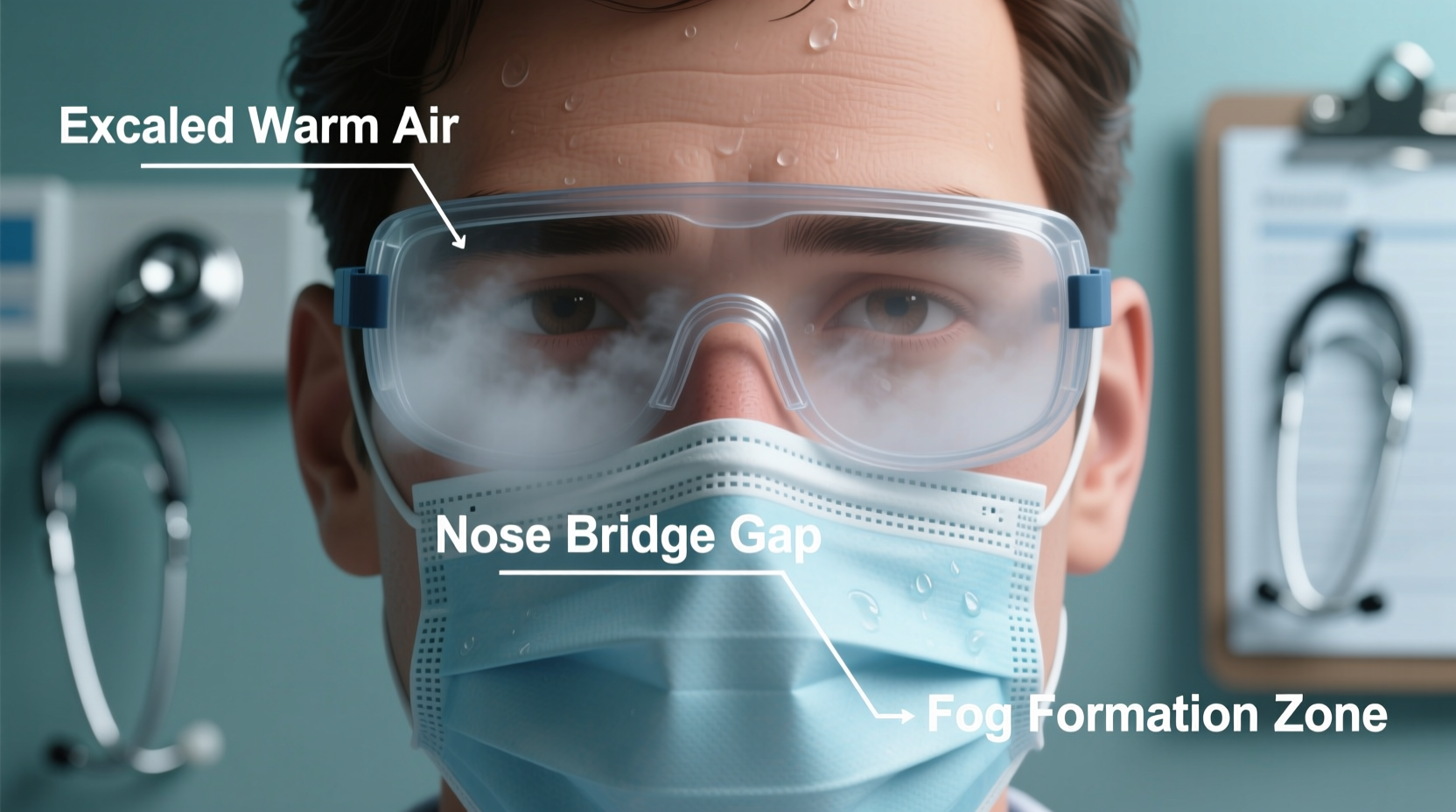
Fogging occurs due to condensation. When warm, moist air from your breath escapes upward from the top of your mask, it comes into contact with the cooler surface of your glasses’ lenses. This temperature difference causes water vapor in the air to cool rapidly and transform into tiny liquid droplets on the lens surface—what we perceive as fog.
This process mirrors what happens when you enter a warm room with cold glasses on a winter day, or when a bathroom mirror steams up after a hot shower. In all cases, humid air meets a cooler surface, triggering condensation. With masks, the problem intensifies because breathing is continuous and concentrated, especially during physical activity or conversation.
The fit of the mask plays a critical role. If the upper edge doesn’t seal snugly against the bridge of the nose, exhaled air will naturally rise toward the path of least resistance—right onto your lenses.
“Masks that don’t conform well to facial contours redirect airflow upward, directly impacting spectacle wearers. A proper seal is key.” — Dr. Lena Patel, Optometrist and Vision Scientist
Effective Prevention Strategies
Preventing fog starts with controlling where your breath goes. The goal is to redirect airflow forward through the front of the mask rather than allowing it to escape upward. Several methods achieve this, ranging from adjustments in mask design to behavioral changes and household hacks.
1. Ensure a Proper Mask Fit
A well-fitted mask is the first line of defense. Look for masks with a moldable nose wire—a thin strip of metal sewn into the top edge. Pinch this wire firmly over the bridge of your nose to create a tight seal. This prevents air leakage and forces breath downward.
If your current mask lacks a nose wire, consider upgrading to one designed for better fit, such as N95 respirators, surgical masks with enhanced shaping, or cloth masks with built-in stiffeners.
2. Tape the Top Edge of the Mask
An underused but highly effective method involves taping the upper edge of the mask to your skin. Use medical tape, hypoallergenic adhesive strips, or even painter’s tape to secure the mask along the nasal ridge. This creates an airtight barrier that blocks upward airflow.
3. Adjust Wearing Order: Glasses Over the Mask
One surprisingly simple fix is changing how you put on your gear. Instead of wearing your glasses first, place the mask on your face, then rest the arms of your glasses over the top edge of the mask. This traps the upper portion of the mask between the lenses and your face, blocking rising air.
This technique works best with full-frame or semi-rimless glasses that press the fabric slightly against your cheeks and nose. For optimal results, combine this with a nose wire for added sealing power.
Household Hacks and DIY Solutions
Not everyone wants to invest in specialty anti-fog sprays or new eyewear. Fortunately, common household items can offer temporary relief using surfactant principles—reducing surface tension so water droplets spread into a transparent film instead of clustering into fog.
Soapy Water Coating
A thin layer of diluted dish soap applied to both sides of the lenses can prevent fogging. Mix a drop of mild liquid soap with water, dip a soft cloth, gently wipe the lenses, then allow them to air dry without wiping. The residue disrupts droplet formation.
While effective, this method requires reapplication throughout the day and may leave streaks if overused. Avoid harsh detergents or abrasive cloths that could damage lens coatings.
Shaving Cream Application
Another popular trick among medical professionals is applying a small amount of non-gel shaving cream to the lenses, rubbing it evenly, then buffing off with a microfiber cloth. Like soap, it leaves behind a hydrophobic film that resists fog.
Commercial Anti-Fog Products Compared
For long-term reliability, especially in high-demand environments like hospitals or laboratories, commercial anti-fog treatments provide consistent performance. These come in sprays, wipes, and permanent lens coatings.
| Product Type | Effectiveness | Durability | Best For |
|---|---|---|---|
| Anti-fog sprays (e.g., Rain-X Anti-Fog) | High | Several hours | Daily use, reusable masks |
| Disposable anti-fog wipes | Moderate to High | Single use | On-the-go situations |
| Permanent lens coatings | Very High | Months to years | Prescription eyewear users |
| Silicone mask seals (adhesive pads) | Moderate | Days to weeks | Improving mask fit |
While sprays and wipes need frequent reapplication, professional-grade lens treatments applied during eyeglass manufacturing offer lasting protection. Some opticians now include anti-fog coating as a standard upgrade—worth asking about during your next eye exam.
Step-by-Step Guide to Fog-Free Vision
Follow this daily routine to minimize fogging and maintain lens clarity:
- Choose the right mask: Select one with a flexible nose wire and snug fit around the upper face.
- Position the mask correctly: Press the nose wire firmly along the bridge of your nose before securing ear loops.
- Wear glasses over the mask: Slide the arms of your glasses over the top edge of the mask to seal the gap.
- Apply anti-fog treatment: Use a commercial spray or homemade solution (diluted soap) and let lenses air dry.
- Test breath flow: Exhale sharply to check for upward leakage. Re-adjust if fog appears.
- Carry touch-up supplies: Keep anti-fog wipes or a small bottle of solution in your bag for midday refreshes.
Consistency matters. Even minor gaps or missed steps can compromise the entire system, leading to sudden fogging at inopportune moments.
Real-World Example: A Nurse’s Solution
Sarah M., an emergency room nurse in Chicago, faced constant fogging during 12-hour shifts. Standard surgical masks failed to stay sealed, and frequent handwashing made touching her glasses risky.
After experimenting, she adopted a three-part strategy: she began using N95 masks with enhanced nose clips, applied a single swipe of baby shampoo diluted in water to her lenses each morning, and wore her glasses over the mask. She also taped the top edge with 3M medical tape during double-shifts.
“It cut my fogging incidents by 90%,” she said. “I can finally read patient charts without constantly wiping my lenses. It’s a small change that makes a huge difference in high-stress environments.”
“In clinical settings, visual clarity isn’t a convenience—it’s a safety requirement.” — Dr. Rajiv Mehta, Occupational Health Specialist
Checklist: Stop Glasses from Fogging with Masks
- ✅ Use a mask with a moldable nose wire
- ✅ Press the nose wire tightly against your skin
- ✅ Wear glasses over the top edge of the mask
- ✅ Apply an anti-fog solution (commercial or DIY)
- ✅ Consider taping the upper mask edge for extra seal
- ✅ Avoid overly loose or damaged masks
- ✅ Replace lens coatings if frequently fogging despite precautions
Frequently Asked Questions
Can I use toothpaste to prevent fogging?
No, despite some online claims, toothpaste is abrasive and can scratch lenses, especially those with special coatings. While it may temporarily reduce fog, the risk of permanent damage outweighs any benefit.
Do anti-fog cloths really work?
Yes, many anti-fog cloths are impregnated with safe surfactants that reduce surface tension. They’re convenient for quick wipes and often double as lens cleaners. However, their effectiveness diminishes over time and repeated washing.
Why do my glasses fog up more in winter?
Cold outdoor temperatures make your lenses much cooler than indoor air. When you enter a warm building wearing a mask, the temperature differential increases dramatically, accelerating condensation. Pre-treating lenses and sealing your mask becomes even more crucial in colder months.
Final Thoughts: Clarity Is Within Reach
Foggy glasses with masks aren’t inevitable—they’re a solvable engineering challenge rooted in airflow and temperature dynamics. By combining proper mask fit, strategic eyewear placement, and smart anti-fog treatments, you can reclaim clear vision throughout the day.
Whether you're a frontline worker, a commuter, or someone who simply values unobstructed sight, these solutions offer immediate, tangible improvements. Start with one or two adjustments—like pinching your mask’s nose wire or trying the glasses-over-mask trick—and build from there.




 浙公网安备
33010002000092号
浙公网安备
33010002000092号 浙B2-20120091-4
Comments
No comments yet. Why don't you start the discussion?