
Feeling cold when others are comfortable can be more than just a matter of personal preference. If you're frequently reaching for extra layers while those around you feel fine, it may signal an underlying health issue or lifestyle factor worth addressing. Persistent cold sensitivity affects daily comfort, energy levels, and overall quality of life. The good news is that many causes are manageable with the right knowledge and actions.
This article explores the most common medical and environmental reasons people feel constantly cold, backed by clinical insights and real-world experience. More importantly, it provides clear, actionable strategies to help you regain warmth and balance—naturally and effectively.
Common Medical Causes of Feeling Cold
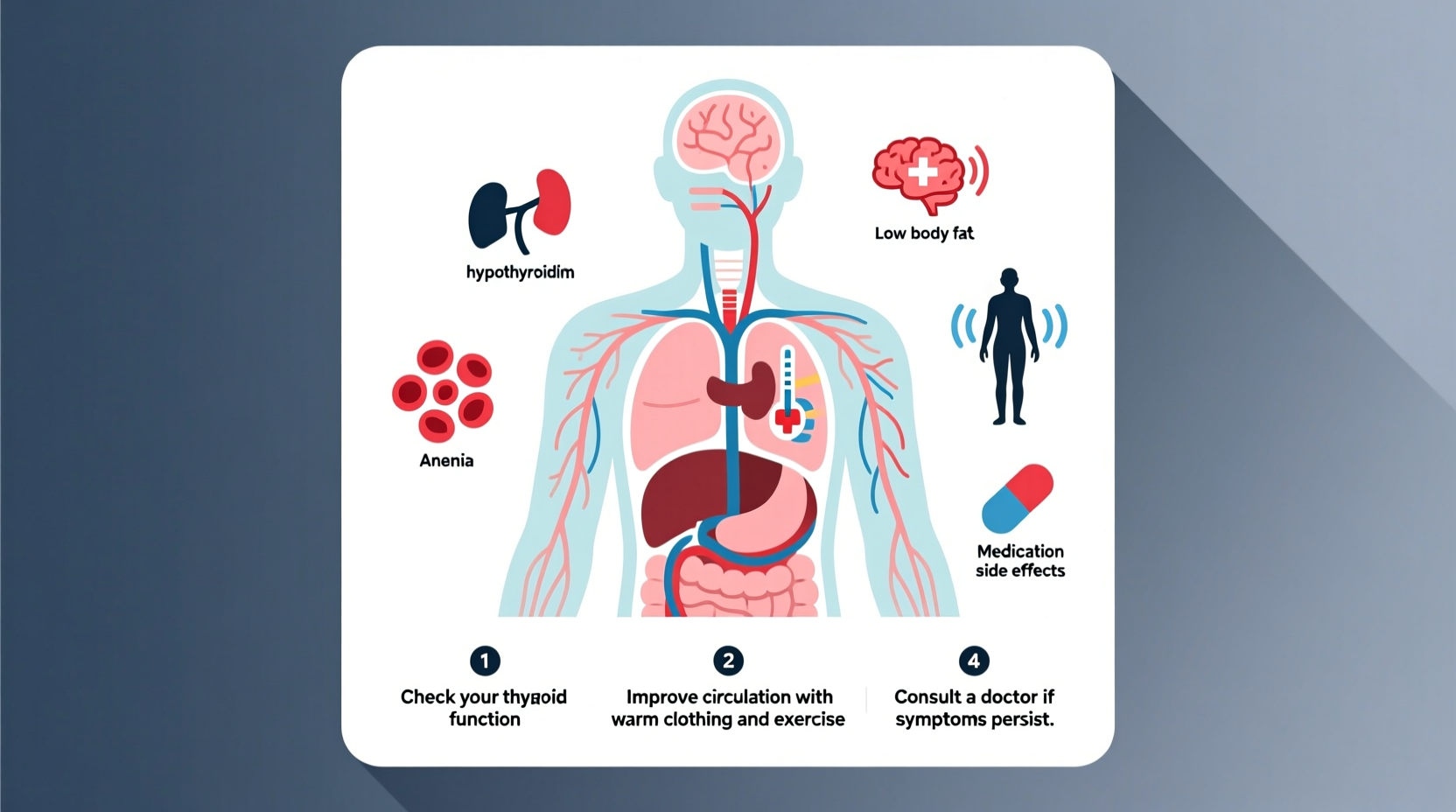
Chronic coldness isn’t normal. While temporary chills from weather or fatigue are expected, persistent cold sensations often stem from internal imbalances. Identifying these early can prevent complications and improve long-term health.
- Anemia: A shortage of healthy red blood cells means less oxygen reaches your tissues. Iron-deficiency anemia is especially common in women and leads to cold hands, fatigue, and pale skin.
- Hypothyroidism: When your thyroid gland underperforms, metabolism slows dramatically. This reduces heat production, causing constant coldness, weight gain, and sluggishness.
- Poor Circulation: Conditions like Raynaud’s disease or peripheral artery disease restrict blood flow to extremities. Fingers and toes may turn white or blue and feel icy even in mild temperatures.
- Diabetes: Nerve damage (neuropathy) and vascular issues associated with diabetes impair temperature regulation and sensation in limbs.
- Low Body Weight: Fat acts as natural insulation. People with very low body fat—especially those recovering from eating disorders—are more vulnerable to feeling cold.
“Patients often dismiss chronic coldness as ‘just how they are,’ but it’s frequently a red flag for thyroid dysfunction or nutrient deficiencies.” — Dr. Lena Torres, Internal Medicine Specialist
Lifestyle and Environmental Factors
Not all causes are medical. Daily habits and surroundings play a major role in how your body regulates temperature.
Diet and Nutrition
Your body burns calories to generate heat. Skipping meals or following restrictive diets deprives it of fuel. Low intake of iron-rich foods (like leafy greens, red meat, lentils) increases anemia risk. Similarly, insufficient B vitamins hinder energy metabolism.
Sedentary Behavior
Muscle movement generates heat. Sitting for long periods—especially in air-conditioned offices—reduces circulation and core warmth. Office workers often report cold feet and hands due to inactivity, not just low thermostat settings.
Clothing Choices
Wearing thin fabrics or open footwear year-round—even indoors—can contribute to constant chill. Layering remains one of the most effective ways to trap body heat.
Stress and Sleep Deprivation
Chronic stress dysregulates the autonomic nervous system, which controls blood vessel constriction. Poor sleep disrupts hormonal balance, including cortisol and melatonin, both involved in temperature regulation.
Medications
Some drugs cause cold intolerance as a side effect. Beta-blockers (used for high blood pressure), certain antidepressants, and migraine medications can reduce circulation or alter metabolic rate.
When to See a Doctor
Occasional cold spells aren’t alarming. But if you experience any of the following, consult a healthcare provider:
- Frequent chills without fever
- Cold extremities accompanied by numbness or color changes
- Fatigue, hair loss, or unexplained weight gain (signs of hypothyroidism)
- Shortness of breath or dizziness (possible anemia)
- Symptoms worsening over time
A simple blood test can detect thyroid issues, iron deficiency, or vitamin deficiencies. Early diagnosis prevents progression and allows for targeted treatment.
Action Plan: What to Do If You Always Feel Cold
You don’t have to live with constant chill. Start with this step-by-step guide to identify and address the root cause.
- Track Your Symptoms: Keep a journal for two weeks noting when you feel cold, what you ate, activity level, sleep quality, and mood. Patterns may reveal triggers.
- Improve Your Diet: Add iron-rich foods (spinach, lentils, lean beef), vitamin C (to boost iron absorption), and complex carbohydrates for sustained energy.
- Stay Active: Walk for 20–30 minutes daily. Even light movement increases circulation and warms muscles.
- Layer Clothing: Wear thermal base layers, wool socks, and insulated outerwear. Don’t underestimate hats and gloves—even indoors during winter.
- Warm Up Naturally: Drink warm beverages like ginger tea or bone broth. Avoid excessive caffeine, which can constrict blood vessels.
- Optimize Sleep Environment: Use flannel sheets, heated blankets, or a hot water bottle to maintain core warmth at night.
- Get Blood Work Done: Request tests for TSH, free T4, ferritin, hemoglobin, and vitamin B12.
Checklist: Daily Habits to Reduce Cold Sensitivity
- ☑ Eat at least one iron-rich meal per day
- ☑ Take a 15-minute walk
- ☑ Drink three warm beverages (herbal tea, soup, etc.)
- ☑ Wear layered clothing, especially in AC environments
- ☑ Stretch before bed to improve circulation
Real-Life Example: Sarah’s Journey to Staying Warm
Sarah, a 34-year-old graphic designer, struggled with cold hands and feet year-round. She wore socks to bed and kept a sweater at her desk, yet still felt chilled. After months of dismissing it as “just her nature,” she visited her doctor following persistent fatigue and hair thinning.
Blood tests revealed low ferritin (iron stores) and elevated TSH—indicating iron-deficiency anemia and subclinical hypothyroidism. With iron supplements, dietary changes (adding red meat and pumpkin seeds), and a low-dose thyroid medication, her symptoms improved within eight weeks. Today, she rarely needs extra layers at home and sleeps comfortably through the night.
Sarah’s case illustrates how overlapping conditions can amplify cold sensitivity—and how targeted interventions bring significant relief.
Do’s and Don’ts: Managing Chronic Coldness
| Do | Don’t |
|---|---|
| Eat regular, balanced meals with protein and complex carbs | Skip meals or follow very low-calorie diets |
| Exercise regularly to boost circulation | Sit for hours without moving |
| Use layered clothing made of wool or thermal materials | Wear cotton socks in cold weather (they retain moisture) |
| Stay hydrated with warm fluids | Overconsume coffee or alcohol (both impair circulation) |
| Monitor symptoms and seek medical testing if needed | Assume coldness is normal without evaluation |
Frequently Asked Questions
Can anxiety make me feel cold?
Yes. Anxiety triggers the fight-or-flight response, redirecting blood from extremities to vital organs. This can leave hands and feet feeling cold or clammy. Deep breathing and mindfulness practices can help regulate this response.
Why do I feel cold but my temperature is normal?
Internal body temperature may be stable, but poor circulation or nerve sensitivity can create the sensation of coldness. Hormonal imbalances like hypothyroidism also affect perception of temperature without changing actual core readings.
Is feeling cold a sign of low immune function?
Not directly. However, chronic nutrient deficiencies (e.g., iron, zinc, vitamin D) that weaken immunity can also impair thermoregulation. So while coldness isn’t a direct marker, it may coexist with immune concerns.
Take Control of Your Comfort
Feeling cold all the time isn’t something you should accept as inevitable. Whether it's a subtle sign of anemia, a slow thyroid, or simply poor daily habits, understanding the cause empowers you to take meaningful action. Small changes—like adjusting your diet, moving more, or getting tested—can yield dramatic improvements in how you feel every day.
Start today: assess your symptoms, try one new habit from the checklist, and don’t hesitate to speak with a healthcare provider if coldness persists. Your body deserves to feel warm, energized, and balanced.




 浙公网安备
33010002000092号
浙公网安备
33010002000092号 浙B2-20120091-4
Comments
No comments yet. Why don't you start the discussion?