
Craving ice at night—chewing on cubes long after your drink has melted—is more common than many realize. While it may seem harmless, especially if it’s become a nightly habit, persistent ice cravings can signal underlying health issues. Unlike cravings for sweets or salty snacks, which often stem from emotional triggers or dietary imbalances, an intense desire to chew ice is frequently tied to physiological conditions. The medical term for this behavior is pagophagia, a form of pica characterized by the compulsive consumption of non-nutritive substances—in this case, ice.
Understanding why this happens, particularly at night, requires looking beyond simple preference. Nighttime often amplifies bodily signals, as distractions fade and internal processes come into sharper focus. If you find yourself reaching for ice before bed or waking up to chew it, your body may be trying to tell you something important about your iron levels, hydration status, or even mental well-being.
The Science Behind Ice Cravings
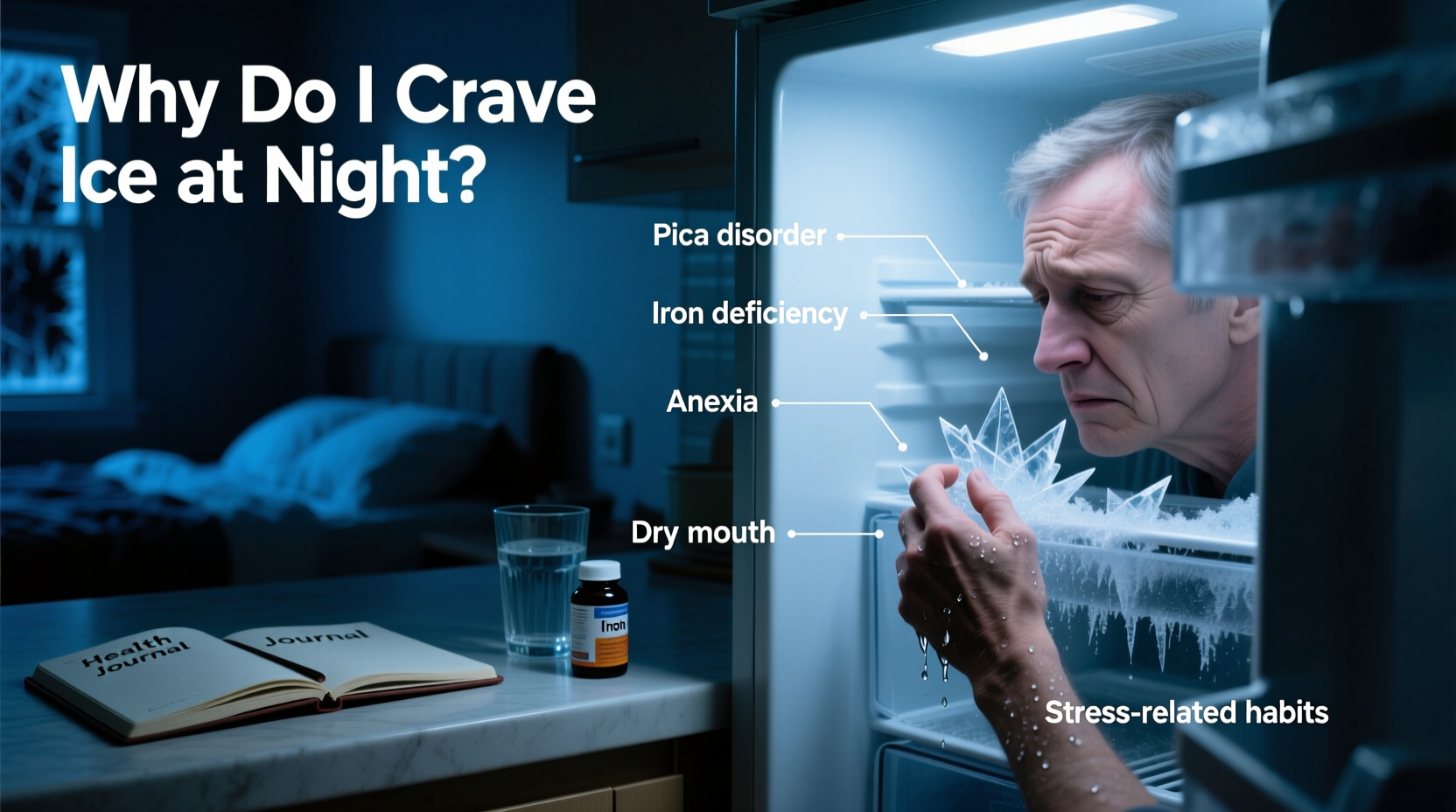
Pagophagia—compulsive ice chewing—is most strongly associated with iron deficiency anemia. Research shows that individuals with low iron stores are significantly more likely to develop ice cravings than those with normal levels. A 2014 study published in *The American Journal of Medicine* found that patients with iron deficiency reported dramatic reductions in ice cravings within days of starting iron supplementation, even before their hemoglobin levels improved.
Why does iron deficiency lead to ice cravings? One theory involves brain function. Low iron reduces oxygen delivery to tissues, including the brain. Chewing ice may increase blood flow to the brain, offering a temporary cognitive boost—similar to how some people feel more alert after drinking cold water. This could explain why individuals with iron deficiency report feeling more focused or less fatigued while chewing ice.
Another hypothesis centers on oral inflammation. Iron-deficient individuals often experience glossitis (inflammation of the tongue) or mouth soreness. The cooling effect of ice may provide soothing relief, reinforcing the behavior through negative reinforcement—relief from discomfort encourages repetition.
“Pagophagia is one of the most specific signs of iron deficiency we see in clinical practice. When a patient reports compulsive ice chewing, I immediately consider checking ferritin and hemoglobin.” — Dr. Lena Patel, Internal Medicine Specialist
Nighttime Triggers: Why Cravings Intensify After Dark
While ice cravings can occur at any time, many people notice them worsening at night. Several factors may contribute:
- Reduced distractions: During the day, work, social interactions, and activities keep attention diverted. At night, bodily sensations become more noticeable.
- Circadian changes in hormone levels: Cortisol and melatonin fluctuations can influence appetite regulation and cravings.
- Dry mouth during sleep: Breathing through the mouth, especially in dry environments or due to allergies, can create a desire for moisture, leading to ice consumption.
- Emotional eating patterns: Stress, anxiety, or boredom at bedtime may trigger repetitive behaviors like chewing ice as a form of oral stimulation.
In some cases, nighttime ice chewing becomes a conditioned ritual—like brushing teeth or reading before bed—making it harder to break even after the original cause resolves.
Associated Health Conditions Beyond Anemia
While iron deficiency is the most common link, other medical conditions may also play a role:
Pregnancy
Pregnant women frequently experience pica, including ice cravings. Increased blood volume and fetal demands raise iron requirements, making deficiency more likely. Hormonal shifts may also alter taste perception and appetite.
Gastrointestinal Disorders
Conditions like celiac disease, Crohn’s disease, or gastric bypass surgery impair nutrient absorption, increasing the risk of iron deficiency and subsequent ice cravings.
Mental Health and Behavioral Factors
Compulsive ice chewing can overlap with obsessive-compulsive disorder (OCD), autism spectrum disorder, or developmental disabilities. In these cases, the behavior may serve as a self-soothing mechanism rather than a response to physical deficiency.
Dehydration and Dry Mouth
Chronic dehydration or medications that cause dry mouth (such as antihistamines or antidepressants) may prompt increased ice consumption. However, pure thirst usually leads to drinking water—not chewing frozen cubes.
Other Nutritional Deficiencies
Though less studied, deficiencies in zinc or magnesium have been loosely linked to pica-like behaviors. These minerals support neurological function and appetite regulation.
| Condition | How It Relates to Ice Cravings | Key Symptoms to Watch For |
|---|---|---|
| Iron Deficiency Anemia | Strongest known link; may improve with iron therapy | Fatigue, pale skin, shortness of breath, brittle nails |
| Pregnancy | Increased iron needs and hormonal shifts | Nausea, food aversions, dizziness |
| Celiac Disease | Malabsorption of iron and other nutrients | Diarrhea, bloating, weight loss |
| OCD or Anxiety | Repetitive behavior used for stress relief | Ritualistic habits, intrusive thoughts, restlessness |
| Chronic Kidney Disease | Anemia common due to reduced erythropoietin production | Swelling, fatigue, changes in urination |
When to Seek Medical Help
Occasional ice chewing isn’t necessarily concerning. But if you’re consuming large amounts nightly, unable to stop, or experiencing other symptoms, it’s time to consult a healthcare provider. Left untreated, iron deficiency can lead to heart problems, weakened immunity, and complications during pregnancy.
Your doctor will likely order blood tests, including:
- Hemoglobin and hematocrit: Measures red blood cell concentration.
- Serum ferritin: Reflects iron stores—this is the most sensitive marker for early deficiency.
- Total iron-binding capacity (TIBC) and serum iron: Assesses iron transport and availability.
If results confirm iron deficiency, treatment may include oral supplements, dietary changes, or intravenous iron in severe cases. It’s crucial not to self-prescribe high-dose iron without medical supervision, as excess iron can damage the liver and heart.
Real Example: Sarah’s Story
Sarah, a 32-year-old teacher, began craving ice heavily during her second trimester. She would finish a pitcher each night, sometimes waking up to refill her glass. Initially dismissing it as a quirky pregnancy habit, she grew concerned when she started feeling dizzy climbing stairs. Her OB-GYN ordered bloodwork and discovered her ferritin was just 8 ng/mL (normal: 15–150). With prescribed prenatal vitamins containing iron and dietary adjustments—including lentils, spinach, and lean beef—her energy returned within three weeks, and the ice cravings vanished completely by week 30.
Practical Steps to Manage and Reduce Ice Cravings
Whether your cravings stem from deficiency or habit, several strategies can help reduce or eliminate the urge to chew ice at night.
- Get Tested: Schedule a complete blood count (CBC) and iron panel. Knowing your baseline is essential.
- Optimize Iron Intake: If deficient, follow your doctor’s supplement plan. Pair iron-rich foods with vitamin C sources (like oranges or bell peppers) to enhance absorption.
- Avoid Ice as a Craving Outlet: Replace chewing with safer alternatives—sugar-free gum, crunchy vegetables, or chilled fruit slices.
- Stay Hydrated: Dehydration can mimic or worsen cravings. Aim for 8–10 glasses of water daily, adjusting for activity level and climate.
- Improve Sleep Hygiene: Reduce screen time before bed, maintain a consistent sleep schedule, and address sleep apnea or snoring, which can cause dry mouth.
- Address Emotional Triggers: If stress or anxiety drives the habit, mindfulness practices, journaling, or therapy may help break the cycle.
- Use a Humidifier: Especially in winter, dry indoor air contributes to nighttime dry mouth. A bedroom humidifier can reduce the need for oral moisture.
Dental Risks of Chronic Ice Chewing
Frequent ice chewing poses real dangers to oral health. Despite its purity, ice is hard and can lead to:
- Enamel erosion
- Tooth fractures or chips
- Damage to fillings or crowns
- Jaw pain or temporomandibular joint (TMJ) strain
Dentists often spot ice-chewing habits during routine exams based on wear patterns. Addressing the root cause protects both systemic and dental health.
FAQ: Common Questions About Nighttime Ice Cravings
Is chewing ice harmful if I’m not anemic?
Even without anemia, habitual ice chewing can damage teeth and jaw joints. It may also indicate another imbalance, such as dehydration or stress-related oral fixation. Monitoring frequency and seeking evaluation if it interferes with daily life is wise.
Can children who eat ice have pica?
Yes. Pica is diagnosed when non-food substance consumption persists for at least one month and is inappropriate to developmental level. Children with autism, intellectual disabilities, or nutritional gaps are at higher risk. Parents should consult a pediatrician if ice chewing is excessive or accompanied by other unusual eating behaviors.
How long does it take for ice cravings to stop after starting iron supplements?
Many people report reduced cravings within 5–7 days of beginning effective iron therapy, often before lab values normalize. This rapid improvement supports the theory that ice chewing is directly tied to iron metabolism in the brain.
Action Checklist: What to Do If You Crave Ice at Night
- ✔ Track your ice consumption and associated symptoms for 5–7 days
- ✔ Schedule a blood test with your primary care provider (request CBC + ferritin)
- ✔ Review medications and supplements that may affect iron absorption or cause dry mouth
- ✔ Increase dietary iron intake with foods like red meat, beans, tofu, and fortified cereals
- ✔ Replace ice chewing with safe oral substitutes (e.g., frozen grapes, sugar-free gum)
- ✔ Use a humidifier at night if dry air is a factor
- ✔ Follow up with your doctor to review test results and adjust treatment as needed
Conclusion: Listen to Your Body’s Signals
Craving ice at night is more than a quirky habit—it can be a meaningful clue to your overall health. Whether driven by iron deficiency, pregnancy, emotional regulation, or dehydration, the behavior deserves attention, not dismissal. By investigating the cause with professional guidance and taking practical steps to manage the craving, you protect both your physical well-being and long-term health.
Don’t wait for fatigue, dizziness, or dental damage to escalate. Take action today: track your symptoms, request appropriate testing, and engage with your healthcare provider. Your body is communicating—answering it could make all the difference.




 浙公网安备
33010002000092号
浙公网安备
33010002000092号 浙B2-20120091-4
Comments
No comments yet. Why don't you start the discussion?