
Craving ice may seem harmless—after all, it’s water in frozen form, with no sugar, calories, or additives. But if you find yourself chewing ice cubes compulsively throughout the day, this behavior could signal more than just a quirky habit. Known medically as pagophagia, chronic ice craving is often linked to underlying health conditions, particularly iron deficiency anemia. While occasional crunching on ice might simply be refreshing, constant and intense cravings deserve attention. This article explores the science behind ice cravings, their connection to nutritional deficiencies, psychological factors, and what steps you can take to determine whether your habit is benign or a symptom of something deeper.
The Science Behind Ice Cravings
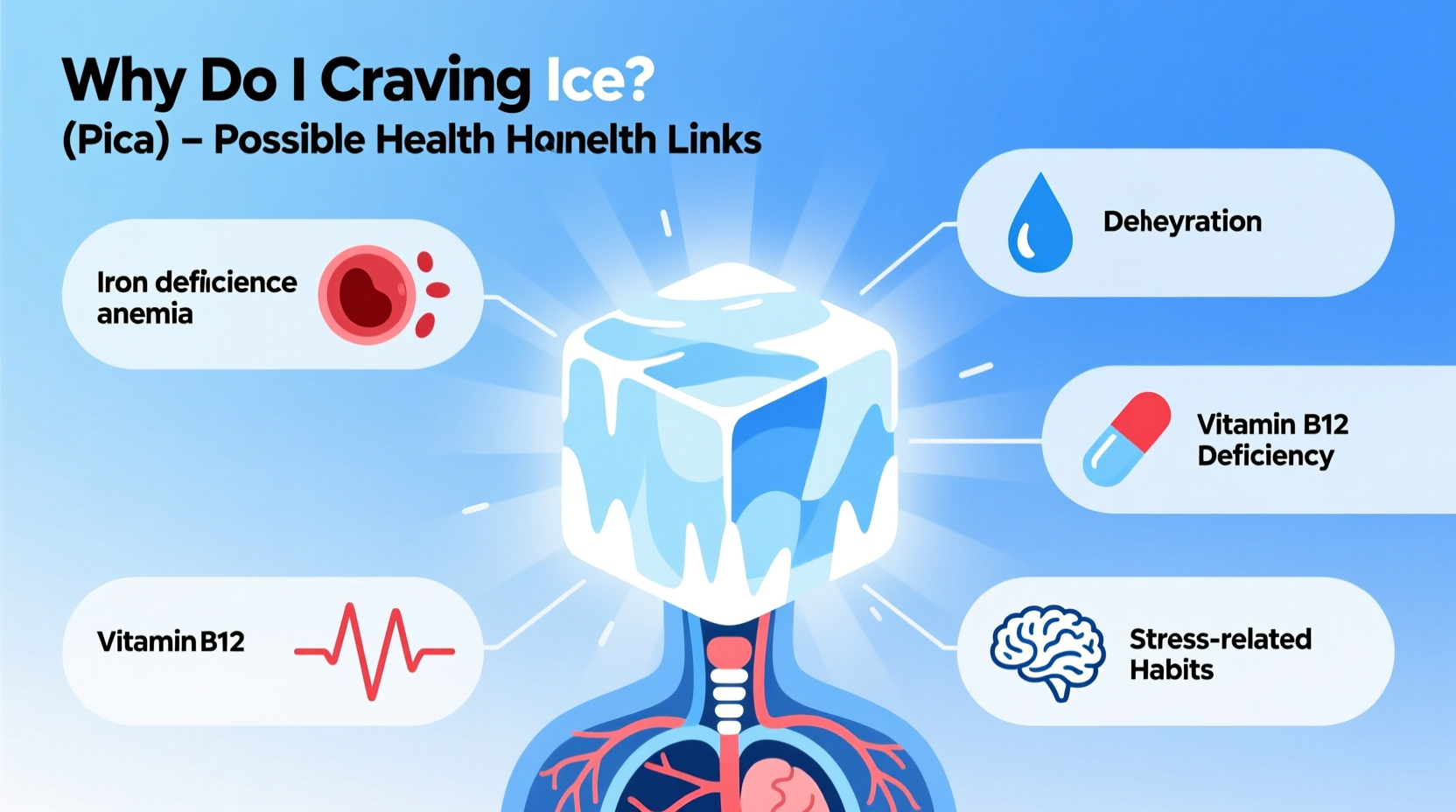
Chewing ice triggers measurable physiological responses. Studies suggest that people with iron deficiency anemia who chew ice report improved alertness and reduced fatigue. Researchers believe this effect may stem from how cold stimulation impacts brain function in individuals with low iron levels.
A small but influential 2014 study published in the journal Medical Hypotheses found that patients with iron deficiency anemia experienced enhanced mental clarity after chewing ice. The researchers proposed that the act increases blood flow to the brain by activating the “dive reflex,” a physiological response triggered by cold stimuli in the mouth. This temporary cognitive boost may reinforce the behavior, making ice chewing both physically satisfying and mentally rewarding for those affected.
Importantly, not everyone who craves ice has anemia. However, the correlation is strong enough that healthcare providers often consider ice cravings a red flag worth investigating further.
“Pagophagia—compulsive ice eating—is one of the most specific symptoms of iron deficiency, even in the absence of other classic signs like fatigue or pallor.” — Dr. Laura Johnson, Hematology Specialist
Iron Deficiency and Anemia: The Primary Suspect
Iron deficiency anemia remains the most well-documented cause of persistent ice cravings. Iron is essential for producing hemoglobin, the protein in red blood cells that carries oxygen throughout the body. When iron stores run low, oxygen delivery drops, leading to symptoms such as weakness, dizziness, shortness of breath—and sometimes, an unusual appetite for ice.
Why would the body respond to low iron by seeking out ice? One theory involves oral inflammation. Iron-deficient individuals often develop glossitis (inflammation of the tongue) or dry, sore mouths. Chewing ice may provide soothing relief through its cooling effect. Another explanation ties back to dopamine regulation. Iron plays a role in dopamine synthesis, and low levels may disrupt reward pathways in the brain, potentially increasing cravings for stimulating behaviors—including ice chewing.
Who Is at Higher Risk?
Certain groups are more prone to iron deficiency and, consequently, ice cravings:
- Women with heavy menstrual cycles – Monthly blood loss increases iron demands.
- Pregnant individuals – Blood volume expands significantly during pregnancy, raising iron needs.
- Vegans and vegetarians – Plant-based iron (non-heme) is less readily absorbed than animal-based (heme) iron.
- People with gastrointestinal disorders – Conditions like celiac disease, Crohn’s, or ulcers impair iron absorption.
- Frequent blood donors – Regular donation depletes iron stores over time.
Pica: When Cravings Go Beyond Ice
Pagophagia falls under the umbrella of pica—a condition characterized by the persistent consumption of non-nutritive substances such as dirt, clay, chalk, paper, or starch. Pica is recognized in the DSM-5 (Diagnostic and Statistical Manual of Mental Disorders) and can occur across age groups, though it's most commonly observed in children, pregnant women, and individuals with developmental disabilities.
While eating ice isn’t inherently dangerous like consuming soil or metal, it becomes concerning when it replaces normal dietary habits or causes dental damage. In clinical settings, pagophagia is often treated as a subtype of pica, especially when associated with nutrient deficiencies.
The exact mechanisms behind pica remain unclear, but theories include:
- Nutritional deficiency hypothesis – The body attempts to correct imbalances by craving missing minerals.
- Sensory or behavioral reinforcement – Textural satisfaction or stress relief reinforces the habit.
- Neurochemical dysregulation – Altered dopamine or serotonin activity may contribute, particularly in cases linked to OCD or autism spectrum disorder.
When Ice Chewing Becomes Harmful
Though ice is non-toxic, excessive chewing poses risks:
- Dental damage – Enamel erosion, cracked teeth, or damaged fillings.
- Jaw pain or TMJ strain – Repetitive motion can lead to temporomandibular joint issues.
- Neglect of real nutritional needs – Time spent craving and consuming ice may displace focus on balanced meals.
Other Possible Health Connections
While iron deficiency is the leading medical explanation, other conditions may also contribute to ice cravings:
Pregnancy
Many pregnant women report new or intensified ice cravings. These are often attributed to increased iron demands, hormonal shifts, or nausea relief. Cold textures can soothe morning sickness, making ice an appealing option. However, persistent cravings should still prompt evaluation for anemia, which affects up to 52% of pregnant women globally according to WHO data.
Stress and Anxiety
In some cases, ice chewing serves as a coping mechanism. The repetitive action can have a calming, almost meditative effect similar to fidgeting or nail-biting. People under chronic stress may unconsciously turn to ice as a form of oral stimulation that helps regulate emotions.
Diabetes Considerations
Some speculate that ice cravings could relate to diabetes, particularly due to dehydration or high blood sugar causing dry mouth. However, there’s limited direct evidence linking ice consumption to diabetes. More commonly, people with uncontrolled diabetes experience thirst (polydipsia), which may increase overall fluid intake—including ice-cold water—but not specifically a desire to chew ice.
Psychological and Behavioral Patterns
Habitual ice chewing can become self-reinforcing. Once started, the sensory feedback—crunch, coldness, mental alertness—can make it difficult to stop, even after correcting an underlying deficiency. Cognitive-behavioral patterns may need to be addressed alongside medical treatment.
Step-by-Step Guide: What to Do If You Crave Ice Constantly
If ice chewing has become a daily ritual you can't ignore, follow these steps to assess and address potential causes:
- Track your habits – Note how much ice you consume daily, when cravings occur, and any associated symptoms (fatigue, dizziness, headaches).
- Review your diet – Assess iron-rich food intake (red meat, spinach, lentils, fortified cereals). Are you vegetarian? Experiencing blood loss?
- Schedule a blood test – Request a CBC, serum ferritin, iron, and total iron-binding capacity (TIBC) panel from your physician.
- Evaluate dental health – Visit your dentist to check for enamel wear or jaw strain from chewing.
- Treat underlying conditions – If iron deficiency is confirmed, follow medical advice on supplementation and dietary changes.
- Replace the habit mindfully – Substitute ice with safer alternatives like chilled cucumber slices, frozen grapes, or sugar-free gum if quitting is challenging.
- Monitor progress – Re-test iron levels after 3–6 months of treatment and observe whether cravings subside.
Do’s and Don’ts: Managing Ice Cravings
| Do | Don’t |
|---|---|
| Get tested for iron deficiency if cravings persist | Assume ice chewing is harmless without checking for deficiencies |
| Include heme iron sources like lean red meat or poultry | Rely solely on spinach or plant iron without vitamin C to aid absorption |
| Use a straw to minimize tooth contact if drinking icy beverages | Chew ice aggressively if you have sensitive teeth or restorations |
| Stay hydrated with cool (not frozen) fluids | Ignore signs of fatigue, weakness, or shortness of breath |
| Seek counseling if the behavior feels compulsive | Disregard emotional triggers behind the craving |
Real Example: Sarah’s Story
Sarah, a 32-year-old teacher, noticed she was going through nearly three trays of ice per day. She kept a freezer pack at her desk and refilled her cup constantly during class. At first, she thought it was just a preference for cold drinks. But when she began feeling unusually tired and developed frequent headaches, she visited her primary care provider.
Blood work revealed low hemoglobin and extremely low ferritin (8 ng/mL—normal is above 20). She was diagnosed with iron deficiency anemia. Her doctor asked about unusual eating habits, and Sarah admitted her ice obsession. After starting iron supplements and adjusting her diet to include more red meat and leafy greens paired with citrus, her energy improved within weeks. Within two months, her ice cravings had vanished completely.
Sarah’s case illustrates how a seemingly minor habit can mask a significant health issue—one that’s easily treatable once identified.
Frequently Asked Questions
Is chewing ice bad for my teeth?
Yes, habitual ice chewing can lead to cracked enamel, broken teeth, or damaged dental work. The hardness of ice puts stress on tooth structure. Dentists often recommend avoiding chewing ice, especially if you have crowns, veneers, or sensitive teeth.
Can low iron cause cravings for things like ice or dirt?
Absolutely. Iron deficiency is strongly associated with pica, including pagophagia (ice), geophagia (dirt), and amylophagia (starch). These cravings often resolve once iron levels are restored through diet or supplementation.
Will my ice cravings go away if I start taking iron supplements?
In many cases, yes. Patients frequently report a dramatic reduction or complete disappearance of ice cravings within a few weeks of beginning effective iron therapy. However, full correction of iron stores may take several months.
Conclusion: Listen to Your Body’s Signals
Craving ice constantly isn’t something to dismiss as merely a quirk. It can be your body’s subtle way of signaling an imbalance—most commonly, a lack of iron. While the habit might offer temporary relief or stimulation, ignoring it could mean overlooking a treatable condition that affects your energy, cognition, and long-term health.
The good news is that identifying the root cause is usually straightforward with proper testing. Whether it’s correcting a nutritional gap, managing stress, or addressing an underlying medical issue, solutions exist. Pay attention to your body’s cues, advocate for appropriate screening, and don’t hesitate to ask questions during medical visits.




 浙公网安备
33010002000092号
浙公网安备
33010002000092号 浙B2-20120091-4
Comments
No comments yet. Why don't you start the discussion?