
Loneliness is not measured by headcount. You can be in a crowded room, laughing at jokes, scrolling through group chats, and still feel profoundly alone. Emotional isolation cuts deeper than physical solitude—it’s the quiet ache of being unseen, unheard, or misunderstood despite constant social contact. This paradox—feeling lonely amid friendship—is more common than many admit, and understanding it begins with recognizing that loneliness is not about quantity of connection, but quality.
The human brain evolved to seek belonging, yet modern life often replaces depth with distraction. We exchange real vulnerability for curated updates, shared moments for likes, and intimacy for availability. When friendships become habitual rather than meaningful, emotional needs go unmet. The result? A silent disconnect that persists even in company. This article examines why emotional isolation occurs, how it manifests, and what you can do to move from surface-level presence to genuine emotional resonance.
The Paradox of Social Connection Without Emotional Intimacy
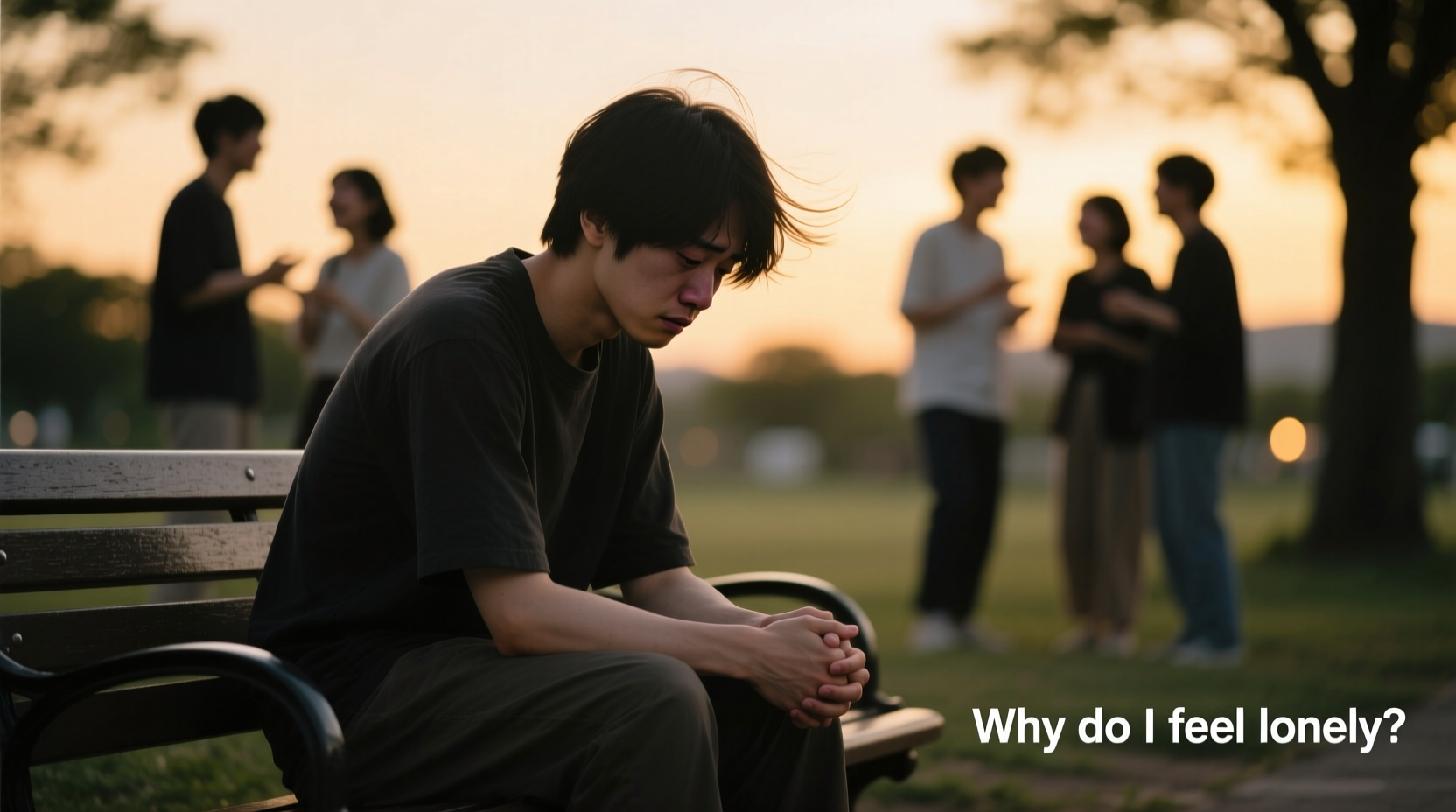
Having friends doesn’t automatically protect against loneliness. In fact, research from the American Journal of Public Health shows that perceived social isolation—feeling disconnected regardless of actual social activity—has stronger links to depression, anxiety, and poor health outcomes than objective measures like living alone.
Emotional intimacy requires mutual vulnerability, active listening, and psychological safety—the sense that you won’t be judged or abandoned when you share your true thoughts. Many modern friendships lack this foundation. Conversations stay on autopilot: weekend plans, work complaints, viral memes. These interactions offer comfort but not catharsis. Over time, the absence of emotional reciprocity creates a subtle erosion of self-worth. You begin to wonder: “If no one truly knows me, do I matter?”
“Loneliness is not about being alone; it’s about feeling invisible. You can be surrounded by people and still feel like a ghost in your own life.” — Dr. Amara Patel, Clinical Psychologist and Author of *The Quiet Mind*
This invisibility is central to emotional isolation. It’s not that your friends don’t care—they may genuinely enjoy your company—but they may not be equipped or inclined to engage beyond the superficial. And if you’ve spent years minimizing your struggles to keep the peace, you may have internalized the belief that your deeper feelings are burdensome.
Why Emotional Isolation Happens: Four Root Causes
Understanding the mechanisms behind emotional isolation helps dismantle the shame often associated with it. Feeling lonely around others isn’t a personal failure—it’s often a signal that something essential is missing in your relational ecosystem.
1. Mismatched Depth Expectations
You might crave deep conversations while your friends prefer light banter. Or perhaps you’re the one avoiding heaviness, fearing that opening up will shift the dynamic. Either way, mismatched expectations create friction beneath the surface. One person longs for authenticity; the other equates friendship with fun. Neither is wrong, but without alignment, emotional needs remain unfulfilled.
2. Fear of Vulnerability
Vulnerability is risky. Sharing insecurities, fears, or past pain requires trust. If previous attempts at openness were met with dismissal, advice, or discomfort, you may have learned to self-censor. Over time, this protective mechanism becomes automatic—even when safer people are present.
3. Life Transitions and Shifting Priorities
Friendships evolve—or dissolve—during major life changes: new jobs, relationships, parenthood, relocation. What once felt effortless may now require intentional effort. If neither party initiates deeper check-ins, the bond can drift into routine interaction without emotional anchoring.
4. Internalized Beliefs About Worthiness
If you grew up believing your emotions were too much, inconvenient, or unworthy of attention, you may carry that narrative into adulthood. You might downplay your struggles (“It’s not that bad”), apologize for needing support (“Sorry to dump this on you”), or assume others wouldn’t understand. These beliefs silently reinforce isolation, even when support is available.
Recognizing the Signs of Emotional Isolation
Emotional isolation doesn’t always announce itself with tears or withdrawal. It often masquerades as normalcy. Here are subtle signs to watch for:
- You participate in social events but feel mentally distant.
- You rarely talk about your inner world—fears, dreams, doubts.
- You edit yourself to fit in or avoid conflict.
- You feel exhausted after spending time with friends.
- You scroll through photos of gatherings and feel like an outsider in your own life.
- You hesitate to reach out when struggling, assuming others are too busy or uninterested.
These patterns suggest a gap between connection and communion. You’re connected, but not seen. Present, but not known.
Rebuilding Authentic Connection: A Step-by-Step Guide
Healing emotional isolation isn’t about finding new friends overnight. It’s about cultivating conditions where genuine connection can grow—within existing relationships and within yourself.
Step 1: Audit Your Current Relationships
Reflect on your closest friendships. Use the following checklist to assess emotional availability:
- Can I express sadness without being told to “cheer up”?
- Do I feel heard, or does the conversation quickly shift back to the other person?
- Have I shared something personal recently? How was it received?
- Do I leave interactions feeling lighter, or drained?
- Does this person ask follow-up questions about my life?
Rate each friend on a scale of 1–5 (5 = highly emotionally available). This isn’t about labeling friends as “good” or “bad,” but identifying who might be capable of deeper connection.
Step 2: Initiate Micro-Moments of Vulnerability
You don’t need to disclose trauma to build intimacy. Start with low-risk honesty:
- “I’ve been feeling overwhelmed lately—work has been nonstop.”
- “I didn’t really enjoy that movie. It felt too chaotic for me.”
- “I actually miss how things used to be before everything got so busy.”
Observe responses. Do they validate? Minimize? Change the subject? Their reaction informs whether deeper sharing is possible.
Step 3: Seek Reciprocity, Not One-Sided Disclosure
Healthy intimacy is mutual. After sharing something personal, gently invite them to reflect: “What about you—have you been feeling any pressure lately?” This balances the emotional load and fosters two-way connection.
Step 4: Invest in Quality Over Quantity
One meaningful conversation per month does more for emotional well-being than ten shallow hangouts. Prioritize depth. Suggest a walk instead of a loud bar. Ask open-ended questions: “What’s something you’ve been thinking about a lot recently?”
Step 5: Reconnect With Yourself
Emotional isolation is often compounded by self-alienation. If you’ve spent years suppressing your needs to please others, you may not even know what you feel. Journaling, therapy, or solo reflection can help you reclaim your inner voice. When you understand yourself, you’re better able to communicate your needs to others.
Do’s and Don’ts of Navigating Emotional Isolation
| Do | Don't |
|---|---|
| Start small with vulnerability—test the waters. | Expect immediate depth from someone who’s never shown emotional capacity. |
| Ask open-ended questions to encourage sharing. | Force intimacy or guilt-trip someone into connecting. |
| Validate feelings—even if you don’t relate. | Dismiss loneliness as “just overthinking.” |
| Accept that not all friendships are meant to go deep. | Blame yourself for unmet emotional needs in mismatched relationships. |
| Seek professional support if isolation feels chronic. | Assume therapy is only for crises. |
Real Example: Maya’s Journey From Loneliness to Connection
Maya, 32, had a bustling social calendar. She attended weekly trivia nights, weekend brunches, and group vacations. On paper, she was deeply connected. Yet, she woke up most mornings with a hollow ache. “I’d laugh at parties,” she said, “but inside, I felt like I was performing.”
After months of sleepless nights, she confided in a colleague during a coffee break: “Sometimes I feel completely alone, even when I’m with everyone.” To her surprise, the colleague replied, “I’ve felt that exact same way.” That single exchange cracked open a door.
They began meeting monthly for honest conversations. Maya started journaling, uncovering a lifelong habit of hiding her anxiety to appear “easygoing.” Gradually, she tested vulnerability with two close friends. One responded with empathy; the other changed the subject. She stopped blaming herself for the mismatch.
Within six months, Maya had two relationships where she felt truly known. She still attended group events, but no longer relied on them for emotional sustenance. “I realized I wasn’t broken,” she said. “I just needed different kinds of connection.”
Frequently Asked Questions
Can you feel lonely in a relationship or friendship group?
Absolutely. Emotional loneliness occurs when there’s a gap between the connection you need and the connection you receive. Being in a relationship or social circle doesn’t guarantee emotional fulfillment. Intimacy requires active effort, mutual vulnerability, and responsiveness—not just proximity.
Is emotional isolation the same as depression?
Not exactly, though they often overlap. Emotional isolation is a relational experience—the feeling of disconnection from others. Depression is a clinical condition involving persistent low mood, fatigue, and loss of interest. However, chronic loneliness increases the risk of depression, and untreated depression can deepen isolation. If symptoms persist, consult a mental health professional.
How do I tell a friend I’m feeling emotionally disconnected?
Use “I” statements to avoid sounding accusatory. For example: “I’ve been wanting to feel closer to you, and I miss having deeper talks. Would you be open to catching up one-on-one sometime?” Frame it as a desire for connection, not a critique of the current dynamic.
Conclusion: Moving From Presence to Belonging
Feeling lonely despite being surrounded by friends is not a flaw—it’s feedback. It signals that your emotional needs are not being met, and that’s okay. You’re allowed to want more than surface-level interaction. You’re allowed to seek relationships where you can breathe, not perform.
True belonging begins with courage: the courage to be slightly more honest, to ask for what you need, and to accept that not every friendship will fulfill every need. Some are for joy, some for depth, some for both. By aligning your connections with your emotional truth, you move from mere presence to genuine belonging.




 浙公网安备
33010002000092号
浙公网安备
33010002000092号 浙B2-20120091-4
Comments
No comments yet. Why don't you start the discussion?