
Exercising outdoors during hot weather can feel invigorating — until a pounding headache sets in. You're not alone if this happens regularly. Many people experience head pain after physical activity in high temperatures, and while it's often harmless, understanding the causes is essential for prevention and long-term comfort. These headaches aren't just a minor inconvenience; they can disrupt workouts, reduce performance, and sometimes signal underlying health concerns. The good news is that most post-exercise heat-related headaches are avoidable with the right knowledge and habits.
What Causes Headaches After Exercising in Hot Conditions?
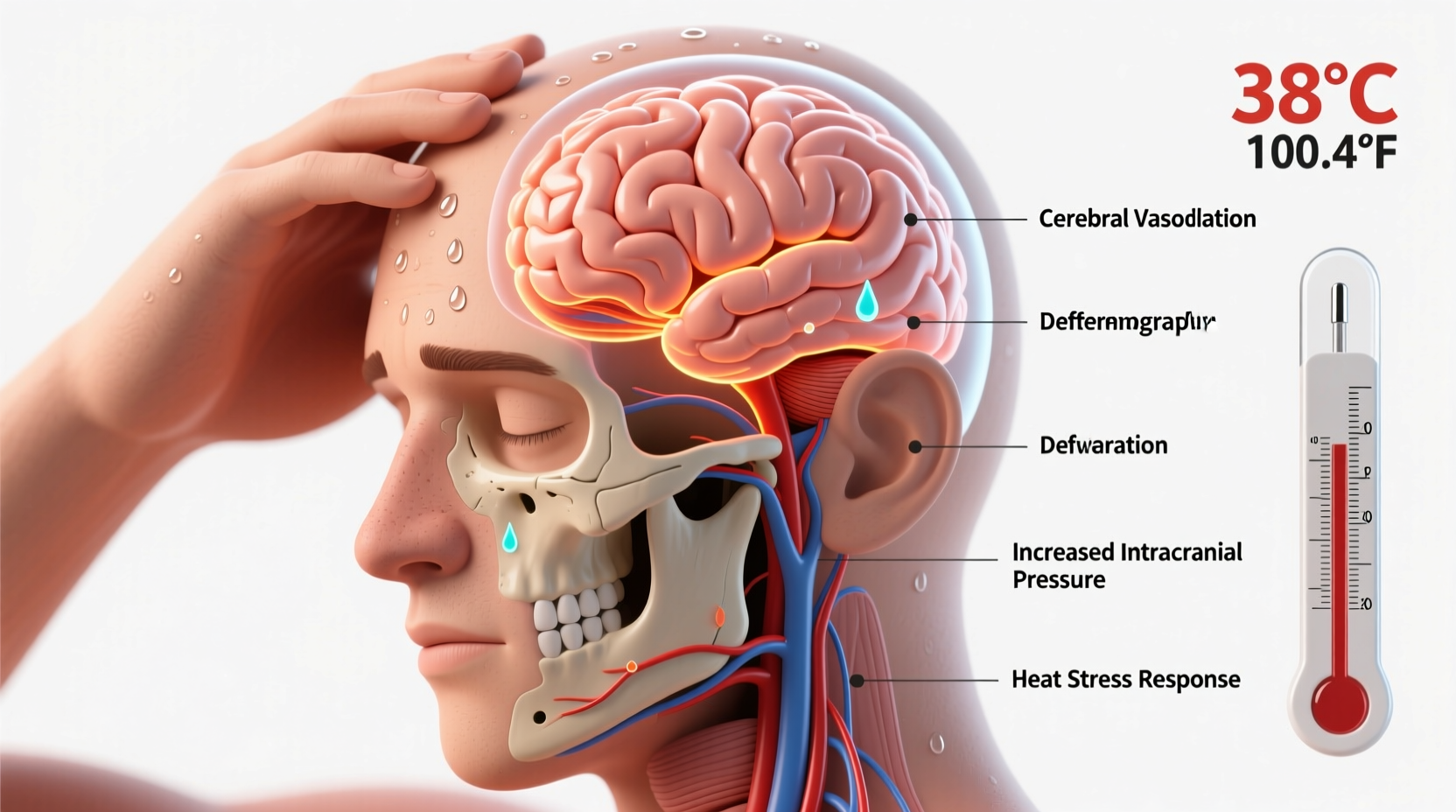
Headaches triggered by exercise in the heat result from a combination of physiological stressors. Unlike typical tension or migraine headaches, these are classified as exertional headaches — specifically, those exacerbated or induced by environmental heat. Several interrelated factors contribute:
- Dehydration: Sweating heavily without adequate fluid replacement reduces blood volume, which can lower oxygen flow to the brain and trigger pain.
- Vasodilation: Heat causes blood vessels to expand, increasing blood flow to the skin for cooling. This dilation can also affect cerebral vessels, leading to pressure and discomfort.
- Electrolyte Imbalance: Loss of sodium, potassium, and magnesium through sweat alters nerve function and muscle regulation, potentially contributing to headaches.
- Increased Core Temperature: When your body temperature rises beyond normal limits (hyperthermia), the brain may respond with protective pain signals.
- Poor Acclimatization: Sudden exposure to extreme heat without gradual adaptation overwhelms thermoregulatory systems.
These mechanisms often act together. For example, dehydration worsens vasodilation effects, and electrolyte loss amplifies neurological sensitivity. Recognizing this cascade helps explain why simply \"pushing through\" the pain isn’t effective — or safe.
Types of Exercise-Induced Headaches in Heat
Not all post-workout headaches are the same. Identifying the type helps determine risk level and appropriate response.
Primary Exertional Headaches
These are benign and typically occur during or immediately after intense physical activity in hot environments. Symptoms include:
- Pulsating or throbbing pain on both sides of the head
- Lasting from 5 minutes to 48 hours
- Often relieved by rest, hydration, and cooling down
Heat Exhaustion-Related Headaches
This type is part of a broader condition caused by prolonged exposure to high temperatures and inadequate fluid intake. It includes additional symptoms such as nausea, dizziness, rapid heartbeat, and cool, clammy skin. The headache here is a warning sign that the body is struggling to regulate temperature.
Rare but Serious: Secondary Headaches
In rare cases, severe headaches after heat exposure could indicate heat stroke — a medical emergency. Warning signs include confusion, loss of consciousness, hot dry skin, and a body temperature above 104°F (40°C). Immediate medical attention is required.
“Exercise-induced headaches in hot conditions are often preventable, but we must differentiate between benign exertional types and those signaling heat illness. The presence of neurological symptoms like blurred vision or disorientation should never be ignored.” — Dr. Lena Torres, Sports Neurologist, University of Colorado School of Medicine
Prevention Strategies: How to Avoid Heat-Related Headaches
Preventing headaches isn’t about avoiding exercise in summer — it’s about adapting smartly. The following evidence-based practices significantly reduce risk.
Stay Hydrated Before, During, and After Exercise
Hydration is the cornerstone of prevention. Thirst lags behind actual fluid needs, so proactive drinking is crucial. Aim for:
- 16–20 oz of water 2–3 hours pre-exercise
- 7–10 oz every 10–20 minutes during activity
- Replenishment based on weight loss: drink 20–24 oz per pound lost
For sessions longer than 60 minutes, consider a sports drink containing 110–170 mg of sodium per 8 oz to maintain electrolyte balance.
Exercise During Cooler Times of Day
Avoid peak sun hours (10 a.m. to 4 p.m.). Early morning or late evening workouts reduce thermal load and UV exposure. Even a 10°F drop in ambient temperature can make a noticeable difference in perceived effort and physiological strain.
Wear Appropriate Clothing
Lightweight, moisture-wicking, and light-colored fabrics help reflect sunlight and enhance evaporative cooling. Avoid cotton, which retains sweat and increases heat retention.
Gradual Heat Acclimatization
Your body adapts to heat over time. Begin with shorter, less intense sessions in warm weather and increase duration and intensity over 7–14 days. Acclimatized individuals sweat earlier, dilute their sweat to conserve sodium, and maintain better cardiovascular stability.
| Acclimatization Stage | Physiological Changes | Recommended Activity Level |
|---|---|---|
| Days 1–3 | Increased heart rate, profuse sweating | 50% intensity, short duration |
| Days 4–7 | Sweat onset faster, improved circulation | 60–70% intensity, moderate duration |
| Days 8–14 | Lower core temp, reduced sodium loss | Near full intensity, normal duration |
Monitor Environmental Conditions
Use the heat index — which combines temperature and humidity — to assess risk. The National Weather Service categorizes risk as follows:
- 80–90°F (Caution): Fatigue possible with prolonged exposure
- 90–105°F (Extreme Caution): Heat cramps, exhaustion likely
- 105–130°F (Danger): High risk of heat-related illness
- Over 130°F (Extreme Danger): Avoid outdoor exertion
Step-by-Step Guide to Managing a Heat-Induced Headache
If you develop a headache during or after exercising in the heat, follow this protocol to recover safely and effectively.
- Stop Exertion Immediately: Continuing activity can worsen symptoms and lead to heat exhaustion.
- Move to a Cool Environment: Seek shade, air conditioning, or a cool indoor space. Elevate your head slightly if lying down.
- Hydrate with Electrolyte-Rich Fluids: Drink water with added sodium and potassium. Coconut water or oral rehydration solutions work well.
- Cool Your Body: Apply cold, wet cloths to the neck, wrists, and forehead. Use a fan if available.
- Rest in a Dark, Quiet Room: Light and noise can amplify headache intensity. Allow 30–60 minutes for recovery.
- Assess Symptoms: If headache persists beyond 2 hours, or is accompanied by vomiting, confusion, or fainting, seek medical evaluation.
- Log the Incident: Note duration, intensity, weather conditions, and hydration habits to identify patterns.
Mini Case Study: Sarah’s Running Routine Gone Wrong
Sarah, a 32-year-old recreational runner, began training for a half-marathon in June. She typically ran at noon, wearing dark athletic gear and drinking only water. After two weeks, she started experiencing severe bilateral headaches within 20 minutes of starting her run. One day, she felt nauseous and dizzy mid-run and had to stop.
After consulting a sports medicine specialist, she learned she wasn’t acclimatized, was under-hydrated, and lacked electrolyte intake. Her doctor recommended shifting runs to 6 a.m., wearing light-colored technical fabric, and consuming a sodium-enhanced beverage during runs over 45 minutes.
Within a week, her headaches disappeared. By adjusting her routine based on environmental and physiological insights, Sarah continued training safely through the summer.
Checklist: Prevent Heat-Related Headaches While Exercising
Use this checklist before heading out in hot weather:
- ✅ Check the heat index and UV forecast
- ✅ Hydrate with 16–20 oz of water 2–3 hours before exercise
- ✅ Wear lightweight, breathable, light-colored clothing
- ✅ Carry a water bottle or hydration pack
- ✅ Plan route with access to shade or water stops
- ✅ Include a source of electrolytes for workouts over 60 minutes
- ✅ Start slow if new to heat exposure — allow 7–14 days to adapt
- ✅ Monitor for early signs of distress: headache, dizziness, nausea
Frequently Asked Questions
Can dehydration cause a headache even if I don’t feel thirsty?
Yes. Thirst is a late indicator of dehydration. By the time you feel thirsty, you may have already lost 1–2% of your body weight in fluids — enough to trigger headaches and impair performance. Proactive hydration is key.
Are some people more prone to heat-induced headaches?
Yes. Individuals with a history of migraines, low blood pressure, or poor heat tolerance are more susceptible. Women may also be more sensitive due to hormonal influences on vascular regulation.
Is it safe to take pain relievers before exercising in the heat?
No. Preemptive use of NSAIDs like ibuprofen or aspirin can increase the risk of kidney strain in dehydrated states. Painkillers should not replace proper hydration and cooling strategies.
Final Thoughts: Train Smart, Not Just Hard
Headaches after exercising in the heat are a common but preventable issue. They serve as a physiological alert — your body signaling that current conditions or habits are pushing beyond safe limits. Rather than dismissing them as normal or inevitable, treat them as valuable feedback. With deliberate hydration, smart scheduling, proper attire, and gradual acclimatization, you can maintain peak performance without sacrificing comfort or safety.
Understanding the link between heat, exertion, and headache empowers you to train smarter. Whether you’re a weekend warrior or a seasoned athlete, respecting environmental demands is as important as any workout plan. Adjust your approach, listen to your body, and make sustainable changes that support long-term health.




 浙公网安备
33010002000092号
浙公网安备
33010002000092号 浙B2-20120091-4
Comments
No comments yet. Why don't you start the discussion?