
Exercising should leave you feeling energized, not with a throbbing headache. Yet many people experience head pain during or after physical activity—whether it's a brisk run, weightlifting session, or intense spin class. These headaches can range from mild discomfort to debilitating migraines, disrupting fitness goals and daily life. Understanding the root causes is essential for prevention and long-term health. While most workout-related headaches are benign and temporary, some may signal underlying conditions that require medical attention. This article explores the types, triggers, and mechanisms behind exercise-induced headaches, backed by clinical insights and practical strategies to help you train smarter and pain-free.
Understanding Exercise-Induced Headaches: Types and Causes
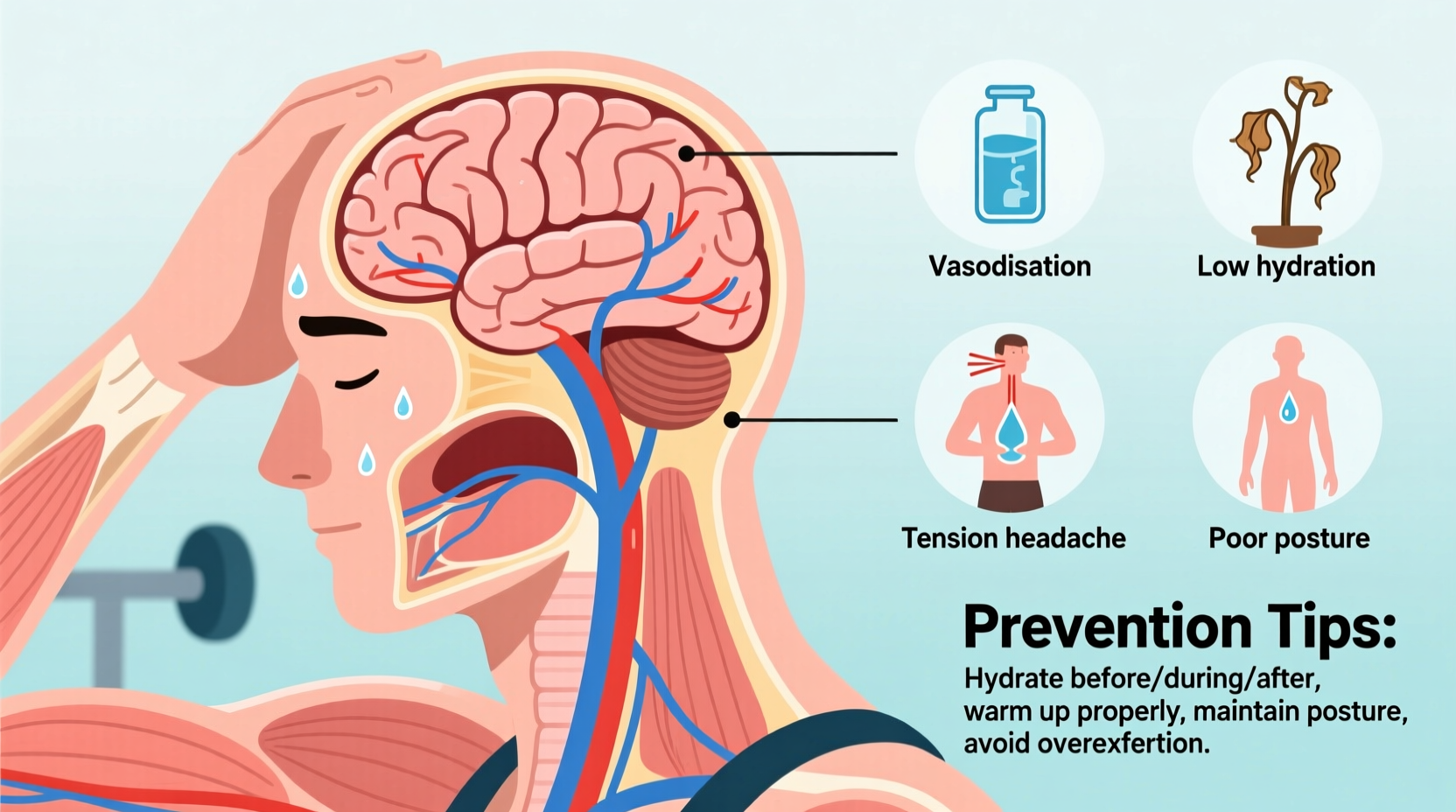
Headaches triggered by physical exertion fall into two primary categories: primary and secondary exercise-induced headaches. The distinction is crucial because one is generally harmless, while the other may indicate a serious medical issue.
Primary Exercise-Induced Headache (PEH) occurs without an underlying structural problem in the brain. It’s typically described as a pulsating or throbbing pain affecting both sides of the head, lasting between 5 minutes and 48 hours. PEH is more common during high-intensity activities like sprinting, heavy lifting, or prolonged cardio. It tends to affect younger adults and is often linked to increased blood flow and dilation of blood vessels in the skull during exertion.
Secondary Exercise-Induced Headache is caused by an underlying condition such as a brain tumor, aneurysm, or spinal fluid leak. These headaches are rarer but more dangerous. They often come on suddenly, are extremely severe, and may be accompanied by neurological symptoms like vomiting, vision changes, loss of balance, or neck stiffness. Secondary headaches require immediate medical evaluation.
Common Triggers Behind Workout Headaches
- Dehydration: Even mild fluid loss can reduce blood volume and oxygen flow to the brain, increasing headache risk.
- Poor Breathing Technique: Holding your breath during lifts (Valsalva maneuver) spikes intracranial pressure.
- High-Intensity Exertion: Sudden bursts of effort cause rapid vasodilation in cerebral arteries.
- Environmental Factors: Hot, humid conditions increase strain on the cardiovascular system.
- Low Blood Sugar: Exercising on an empty stomach can trigger neurovascular responses.
- Caffeine Withdrawal: Skipping your usual morning coffee before a workout may induce headaches.
“Exercise is one of the best things you can do for your health, but when it comes with headaches, it’s a sign something needs adjustment—either in technique, hydration, or medical screening.” — Dr. Lena Patel, Neurologist and Sports Medicine Specialist
How Your Body Reacts: The Science Behind the Pain
During vigorous exercise, your heart pumps faster, increasing blood pressure and causing blood vessels in the brain to expand. This dilation activates pain-sensitive nerve endings surrounding the vessels, leading to what’s known as a vascular headache. Additionally, muscle tension in the neck and shoulders—common during strength training or poor posture—can refer pain to the head, mimicking tension-type headaches.
The Valsalva maneuver, often used unconsciously during heavy lifts, plays a significant role. When you hold your breath and bear down, pressure builds in the chest and abdomen, restricting blood return to the heart and temporarily increasing pressure inside the skull. This spike can trigger sharp, stabbing pains, especially during deadlifts or squats.
Another physiological factor is thermoregulation. In hot environments, your body diverts blood to the skin for cooling, which can compromise cerebral perfusion. Combine this with dehydration, and the brain becomes vulnerable to ischemic-like stress, resulting in headache onset.
Who Is at Risk?
While anyone can experience exercise-induced headaches, certain individuals are more susceptible:
- Those with a personal or family history of migraines
- People who skip warm-ups or push too hard too quickly
- Athletes training in extreme heat or at high altitudes
- Individuals with uncontrolled hypertension
- Frequent caffeine users who abruptly stop intake
Prevention Strategies: How to Stop Headaches Before They Start
Most workout headaches are preventable with proper preparation and awareness. The key lies in addressing modifiable risk factors through lifestyle and training adjustments.
1. Prioritize Hydration
Dehydration is one of the most common—and easiest to fix—causes of post-exercise headaches. Aim to drink at least 16–20 ounces of water 1–2 hours before exercising. During workouts lasting longer than 45 minutes, especially in heat, consume 7–10 ounces every 10–20 minutes. Afterward, replenish fluids based on sweat loss—typically 16–24 ounces per pound lost.
2. Master Your Breathing
Controlled breathing prevents dangerous pressure buildup. Exhale during the exertion phase of a movement—for example, when pushing up in a bench press or standing up from a squat. Inhale during the easier phase. Avoid holding your breath, even momentarily, during resistance exercises.
3. Warm Up and Cool Down Properly
Sudden exertion shocks the cardiovascular system. A 10-minute dynamic warm-up (leg swings, arm circles, light jogging) prepares your blood vessels and nervous system for increased demand. Similarly, cooling down with gentle stretching helps normalize blood pressure gradually.
4. Monitor Intensity and Progress Gradually
Rushing into high-intensity interval training (HIIT) or max-effort lifts without building endurance increases headache risk. Follow the 10% rule: increase workout duration, frequency, or intensity by no more than 10% per week.
5. Optimize Nutrition and Timing
Low blood sugar destabilizes brain function. Eat a balanced snack containing carbohydrates and protein 30–60 minutes before exercising—such as a banana with peanut butter or Greek yogurt with berries. Avoid fasting workouts unless medically supervised.
Checklist: Prevent Post-Workout Headaches
- ✅ Drink water consistently throughout the day and pre-hydrate before workouts
- ✅ Perform a 10-minute dynamic warm-up before intense activity
- ✅ Practice proper breathing techniques during resistance training
- ✅ Avoid maximal lifts or sprints without proper progression
- ✅ Exercise in well-ventilated, temperature-controlled environments when possible
- ✅ Eat a small, balanced meal or snack 30–60 minutes before training
- ✅ Track caffeine intake and avoid abrupt withdrawal
- ✅ Cool down with light cardio and stretching after exercise
- ✅ Consult a doctor if headaches persist despite preventive measures
When to Seek Medical Help: Red Flags to Watch For
While most exercise-related headaches are benign, certain warning signs demand prompt medical evaluation. These “red flags” suggest a secondary, potentially serious cause:
| Symptom | What It Might Indicate |
|---|---|
| Sudden, \"thunderclap\" headache | Subarachnoid hemorrhage or aneurysm rupture |
| Headache with vomiting or confusion | Intracranial pressure issues |
| Pain worsening over days/weeks | Possible brain lesion or tumor |
| Neck stiffness or fever | Meningitis or infection |
| Loss of coordination or vision changes | Neurological disorder |
If you experience any of these symptoms, stop exercising and consult a healthcare provider immediately. Diagnostic tools such as MRI, CT scans, or lumbar punctures may be necessary to rule out dangerous conditions.
Mini Case Study: Sarah’s Story
Sarah, a 32-year-old fitness instructor, began experiencing severe headaches after teaching spin classes. Initially dismissing them as stress-related, she noticed they occurred only after high-cadence intervals. She was skipping breakfast to save time and drinking minimal water due to class back-to-back scheduling.
After consulting a sports neurologist, she was diagnosed with primary exercise-induced headaches exacerbated by dehydration and low blood sugar. With simple changes—adding a pre-class smoothie, setting hydration reminders, and modifying her class structure to include gradual buildups—her headaches resolved within three weeks. Her case highlights how seemingly minor lifestyle oversights can have significant physiological consequences.
Step-by-Step Guide to Managing and Eliminating Workout Headaches
Follow this timeline to systematically address and eliminate post-exercise headaches:
- Week 1: Track Triggers
Keep a journal noting workout type, duration, intensity, food intake, hydration, and headache occurrence. Identify patterns. - Week 2: Optimize Hydration and Nutrition
Set reminders to drink water hourly. Consume a balanced pre-workout snack. Eliminate caffeine for 3 days (if habitual user) to assess withdrawal effects. - Week 3: Refine Technique
Focus on controlled breathing during lifts. Reduce weight slightly to ensure proper form. Replace one high-intensity session with moderate steady-state cardio. - Week 4: Adjust Environment and Schedule
Move workouts to cooler times of day. Add a 10-minute warm-up and cool-down. Consider splitting sessions into shorter, more frequent bouts. - Week 5: Evaluate and Escalate if Needed
If headaches persist despite all modifications, schedule a consultation with a neurologist or sports medicine physician.
FAQ: Common Questions About Exercise-Induced Headaches
Can running cause headaches even if I’m healthy?
Yes. Even healthy individuals can develop primary exercise-induced headaches due to increased blood flow, dehydration, or environmental stressors. Proper preparation usually prevents recurrence.
Are certain workouts more likely to trigger headaches?
Yes. Activities involving sudden straining—like weightlifting, sprinting, or rowing—are more commonly associated with exercise headaches. Low-impact exercises like swimming or cycling tend to carry lower risk.
Will medication help if I keep getting headaches after workouts?
In persistent cases, doctors may prescribe medications like indomethacin (an NSAID) or propranolol (a beta-blocker) to prevent vascular dilation. However, these should only be used under medical supervision and after ruling out secondary causes.
Conclusion: Train Smarter, Not Just Harder
Headaches after working out aren’t something you just have to endure. They’re signals from your body asking for better fuel, hydration, technique, or rest. By understanding the science behind these pains and applying targeted prevention strategies, you can reclaim your workouts and enjoy the full benefits of physical activity without the aftermath of head pain. Small adjustments—like drinking more water, breathing properly, or eating a timely snack—can make a dramatic difference. Listen to your body, respect its limits, and don’t hesitate to seek professional guidance when needed. Fitness is about long-term health, not short-term suffering.




 浙公网安备
33010002000092号
浙公网安备
33010002000092号 浙B2-20120091-4
Comments
No comments yet. Why don't you start the discussion?