
Frequent bowel movements are a common concern, yet they’re rarely discussed in depth. While occasional changes in digestion are normal, consistently needing to go to the bathroom multiple times a day can be disruptive—and sometimes worrying. The reality is that frequent pooping isn’t always a sign of illness. It can stem from dietary habits, stress, underlying medical conditions, or even your gut microbiome. Understanding the root causes is the first step toward regaining comfort and confidence in your daily routine.
Dietary Triggers Behind Frequent Bowel Movements
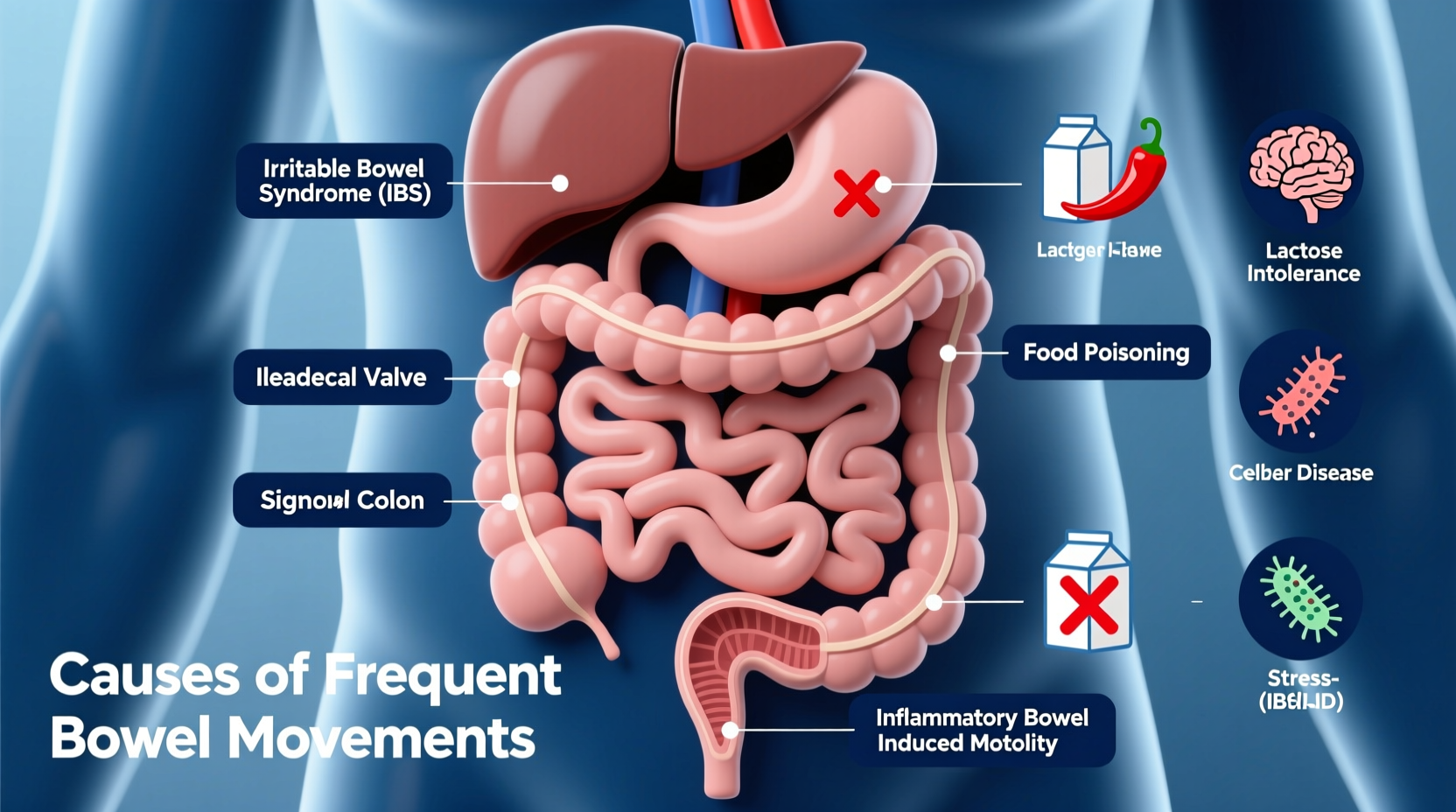
Your digestive system responds directly to what you eat. Certain foods increase intestinal motility—the speed at which food moves through your gut—leading to more frequent trips to the bathroom. High-fiber foods like beans, lentils, whole grains, and leafy greens promote healthy digestion but can also cause increased stool frequency, especially if introduced suddenly.
Caffeine and artificial sweeteners such as sorbitol and xylitol (common in sugar-free gum and candies) stimulate the colon and may trigger urgency. Dairy products can affect individuals with lactose intolerance, leading to bloating, gas, and loose stools. Spicy foods and fatty meals may also accelerate gut transit time in sensitive individuals.
Common Food Culprits Linked to Increased Bowel Activity
| Food/Drink | Why It Affects Digestion | What to Do |
|---|---|---|
| Coffee (especially on empty stomach) | Stimulates colonic contractions via gastrin release | Limit intake; try decaf or have with food |
| Artificial sweeteners (sorbitol, mannitol) | Osmotic effect draws water into intestines | Check labels; reduce sugar-free product use |
| Dairy (in lactose-intolerant individuals) | Lack of lactase enzyme leads to fermentation | Switch to lactose-free alternatives |
| Legumes and cruciferous vegetables | High fiber and fermentable carbs (FODMAPs) | Soak beans before cooking; cook veggies thoroughly |
Medical Conditions That Increase Bowel Frequency
When diet isn’t the sole explanation, an underlying health condition may be responsible. Irritable Bowel Syndrome (IBS), particularly the diarrhea-predominant type (IBS-D), affects up to 15% of people globally. Symptoms include abdominal pain, bloating, and frequent loose stools, often triggered by stress or certain foods.
Inflammatory Bowel Disease (IBD), including Crohn’s disease and ulcerative colitis, involves chronic inflammation of the digestive tract. These conditions lead to urgent, frequent bowel movements, often accompanied by blood in stool, fatigue, and weight loss.
Other potential medical causes include:
- Hyperthyroidism: An overactive thyroid speeds up metabolism, including digestion.
- Malabsorption syndromes: Celiac disease or pancreatic insufficiency prevent proper nutrient absorption, increasing stool volume.
- Bile acid malabsorption: Excess bile acids in the colon stimulate water secretion and motility.
- Chronic infections or parasites: Giardia or bacterial overgrowth (SIBO) disrupt normal gut function.
“Persistent changes in bowel habits lasting more than a few weeks warrant evaluation. It’s not just about discomfort—it’s about ruling out serious conditions.” — Dr. Lena Patel, Gastroenterologist
Stress, Gut-Brain Axis, and Bowel Habits
The gut and brain communicate constantly through the gut-brain axis. Emotional stress, anxiety, or major life changes can activate this pathway, altering gut motility and sensitivity. Many people notice they “have to go” right before a presentation, exam, or stressful event—a phenomenon known as “nervous poops.”
Chronic stress can dysregulate the enteric nervous system, leading to ongoing bowel irregularities. Over time, this may contribute to functional gastrointestinal disorders like IBS. Mind-body practices such as mindfulness meditation, deep breathing, and cognitive behavioral therapy (CBT) have shown effectiveness in reducing symptom severity.
Real-Life Example: Managing Stress-Induced Bowel Urgency
Sarah, a 34-year-old project manager, began experiencing three to five bowel movements daily during a high-pressure work period. Despite eating a consistent diet, she felt sudden urges, especially on mornings with meetings. After ruling out infection and IBS through testing, her doctor suggested stress was a key factor. Sarah started practicing 10 minutes of diaphragmatic breathing each morning and reduced caffeine. Within three weeks, her bowel frequency normalized—even during busy periods.
When Is Frequent Pooping Normal?
There’s no universal standard for “normal” bowel frequency. While many assume one bowel movement per day is ideal, research shows healthy individuals range from three times a day to three times a week. What matters most is consistency in your personal pattern. If you’ve always had multiple daily movements without discomfort, mucus, blood, or weight loss, it may simply reflect your natural physiology.
Factors like age, physical activity level, hydration, and gut microbiota composition influence how often you go. Athletes, for instance, often experience increased motility due to higher core body temperature and gut jostling during exercise.
Action Plan: How to Address Frequent Bowel Movements
If frequent pooping is affecting your quality of life, take these steps to identify and manage the cause:
- Track symptoms: Record bowel frequency, timing, stool consistency, food intake, stress levels, and medications for two weeks.
- Adjust diet gradually: Reduce known irritants (caffeine, artificial sweeteners, spicy foods). Introduce fiber slowly if increasing intake.
- Stay hydrated: Dehydration can worsen diarrhea by concentrating intestinal contents.
- Evaluate medication side effects: Some antidepressants, antibiotics, and diabetes drugs affect bowel habits.
- Consult a healthcare provider: Seek evaluation if symptoms persist beyond four weeks, include blood in stool, unexplained weight loss, or nighttime diarrhea.
Checklist: When to See a Doctor
- Diarrhea lasting more than two weeks
- Blood or mucus in stool
- Unintentional weight loss
- Nighttime bowel movements disrupting sleep
- Family history of IBD or colorectal cancer
- Pain that doesn’t resolve after bowel movement
Frequently Asked Questions
Is pooping 4 times a day normal?
Yes, for some people. If your stools are well-formed, you’re not experiencing pain, and this pattern has been stable, it may be your baseline. However, if it’s a recent change or causes discomfort, further assessment is recommended.
Can anxiety really make me poop more?
Absolutely. Anxiety activates the sympathetic nervous system, which can speed up intestinal transit. The gut contains millions of neurons highly responsive to emotional signals, making it common to feel digestive urgency during stress.
Does drinking more water help with frequent bowel movements?
It depends on the cause. In cases of mild diarrhea, staying hydrated prevents electrolyte imbalance. However, excessive water intake won’t slow down motility. For osmotic diarrhea (e.g., from sugar alcohols), hydration helps flush irritants but doesn’t stop the root cause.
Conclusion: Take Control of Your Digestive Health
Frequent bowel movements are more than a minor inconvenience—they can impact your confidence, productivity, and social life. But in most cases, the cause is manageable once identified. Whether it's adjusting your morning coffee habit, addressing hidden food intolerances, or managing stress, small changes can yield significant relief. Don’t dismiss persistent changes as “just part of your constitution.” Listen to your body, track patterns, and seek professional guidance when needed. Your digestive health is a cornerstone of overall well-being—and worth prioritizing.




 浙公网安备
33010002000092号
浙公网安备
33010002000092号 浙B2-20120091-4
Comments
No comments yet. Why don't you start the discussion?