
Waking up consistently at 3 a.m., often just as deep sleep should be at its peak, is more common than many realize. You’re not alone if you find yourself staring at the ceiling, heart slightly elevated, mind suddenly alert despite being exhausted just hours before. This phenomenon can feel eerie or even spiritual to some, while others dismiss it as coincidence. But persistent 3 a.m. awakenings are rarely random—they’re signals from your body, mind, or environment that something needs attention. Whether rooted in biology, stress, or lifestyle habits, understanding the causes can lead to meaningful improvements in sleep quality and overall well-being.
The Biological Explanation: Circadian Rhythms and Sleep Cycles
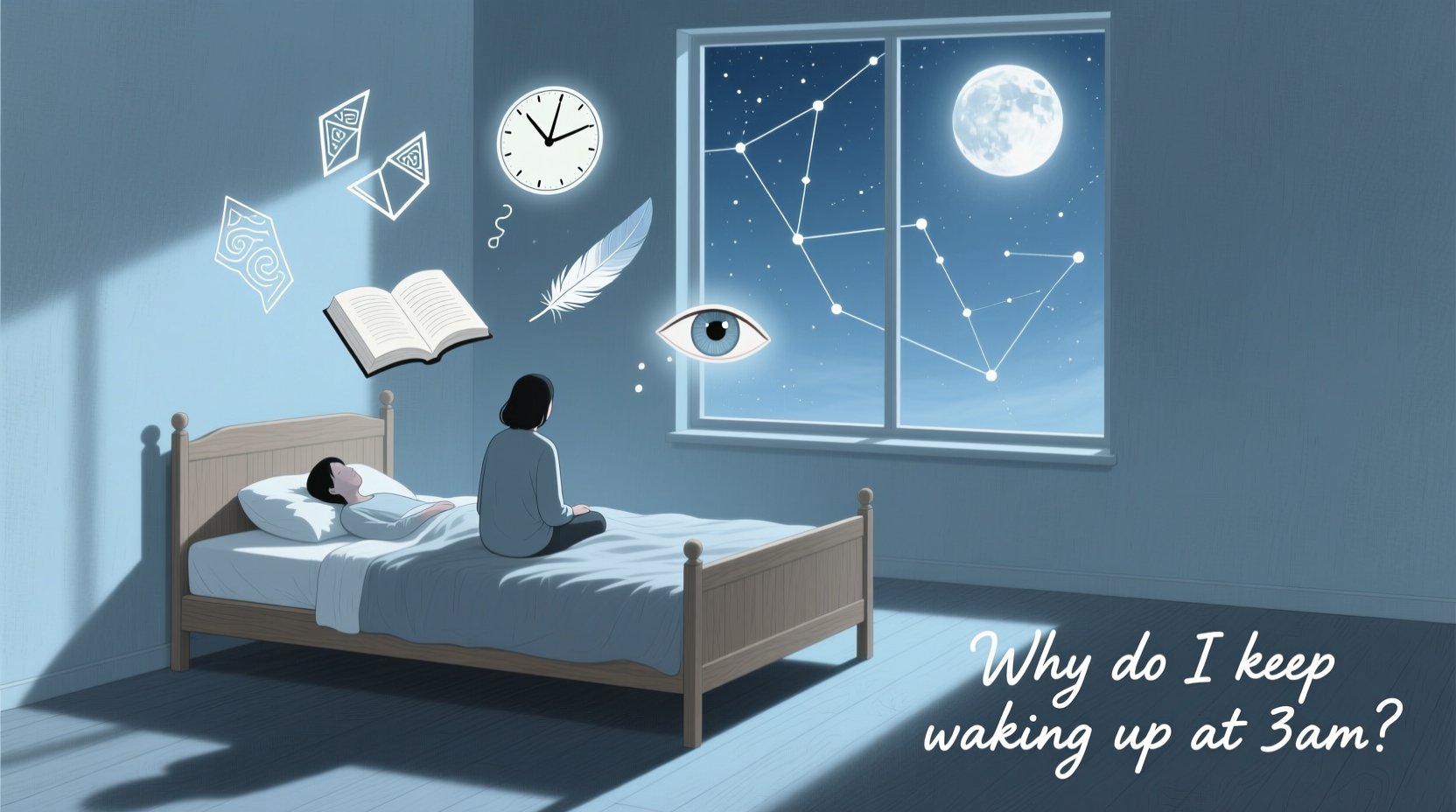
Sleep isn’t a uniform state. It moves through cycles lasting approximately 90 minutes each, alternating between non-REM (deep sleep) and REM (dream-rich) stages. By 3 a.m., most people are entering their final REM phase of the night. This stage is associated with increased brain activity, irregular breathing, and higher sensitivity to external stimuli—all of which make it easier to wake up.
Your circadian rhythm, governed by the suprachiasmatic nucleus in the brain, regulates these cycles based on light exposure, hormone levels, and daily routines. Cortisol, the \"alertness\" hormone, naturally begins to rise around 3–4 a.m. in preparation for waking. For some, especially those under stress or with disrupted rhythms, this cortisol surge may trigger full awakening instead of a quiet transition into lighter sleep.
Hormonal Shifts That Disrupt Sleep
- Cortisol: Levels begin rising in the early morning hours, potentially causing arousal.
- Insulin: Blood sugar fluctuations—especially in people with prediabetes or poor diet—can trigger wakefulness.
- Melatonin: A dip in melatonin production after midnight may leave sleep less stable in later hours.
Potential Medical Causes Behind 3 a.m. Awakenings
While occasional nighttime awakenings are normal, frequent disruptions at the same time may point to underlying health conditions. These aren't always severe, but they warrant attention if symptoms persist.
Sleep Apnea
Obstructive sleep apnea (OSA) causes breathing to stop and start during sleep, often leading to micro-arousals. Many people don’t remember waking, but the effect is fragmented sleep. OSA-related awakenings commonly occur between 2 a.m. and 4 a.m., when muscle tone is lowest and airway collapse is more likely.
Gastroesophageal Reflux Disease (GERD)
Lying flat can allow stomach acid to creep into the esophagus, especially after a late meal. Heartburn or silent reflux may jolt you awake without obvious pain, only discomfort or a need to sit up.
Anxiety and Hyperarousal
Chronic stress keeps the nervous system in a heightened state. During the vulnerable window of deep-to-light sleep transition, anxious thoughts may surface abruptly, making it hard to return to sleep.
“Recurrent awakenings at the same time each night are often tied to physiological triggers like cortisol spikes or respiratory events. It’s the body’s way of saying, ‘Something’s off.’” — Dr. Lena Torres, Board-Certified Sleep Specialist
The Psychological and Emotional Dimension
The mind doesn’t shut down completely during sleep. In fact, the brain remains highly active, processing emotions, memories, and unresolved concerns. Waking at 3 a.m. may coincide with periods of high emotional processing, particularly if you're dealing with anxiety, grief, or subconscious stress.
This timing has long held symbolic meaning across cultures. In traditional Chinese medicine, each organ system is believed to be most active during two-hour intervals throughout the day and night. According to this system, the liver is dominant between 1 a.m. and 3 a.m.—a time associated with detoxification and emotional regulation. Waking during this window may reflect liver imbalance or repressed anger, frustration, or unprocessed emotion.
Modern Psychology Perspective
Cognitive behavioral therapy (CBT) researchers note that nighttime rumination peaks during early morning awakenings. Without distractions, the mind defaults to unresolved problems. This creates a feedback loop: wake → worry → inability to sleep → fear of waking again.
Environmental and Lifestyle Triggers
Even with perfect biology and mental health, external factors can sabotage sleep continuity. These are often the easiest to fix—but frequently overlooked.
| Factor | Impact on 3 a.m. Wakefulness | Solution |
|---|---|---|
| Blue light exposure (phones, tablets) | Suppresses melatonin, delays sleep onset and weakens sleep architecture | Avoid screens 1 hour before bed; use night mode |
| Caffeine after noon | Half-life of caffeine is 5–6 hours; lingering effects disrupt deep sleep | Limit caffeine to morning hours |
| Alcohol consumption | Disrupts second half of sleep cycle, increases awakenings | Avoid alcohol within 3 hours of bedtime |
| Noisy or warm bedroom | External stimuli increase arousal during light sleep phases | Cool room (65°F/18°C), use white noise |
| Inconsistent sleep schedule | Confuses circadian clock, leads to unstable sleep phases | Go to bed and wake up at the same time daily |
Mini Case Study: Sarah’s 3 a.m. Pattern
Sarah, a 38-year-old project manager, began waking every night at 3:07 a.m., unable to fall back asleep for over an hour. She initially blamed stress, but even during low-pressure weeks, the pattern persisted. After tracking her habits, she noticed she regularly drank a glass of wine after dinner and used her phone in bed. Upon eliminating both—switching to herbal tea and reading physical books—her awakenings reduced from five nights a week to one within three weeks. A follow-up sleep diary revealed that on the remaining night, she’d eaten spicy food late—a new clue to address.
Step-by-Step Guide to Stop Waking at 3 a.m.
If this pattern continues to affect your rest, take deliberate steps to reset your sleep system. Follow this seven-day timeline to identify and correct root causes.
- Day 1–2: Track Your Habits
Create a sleep log noting bedtime, wake time, food/alcohol intake, screen use, and mood. Note whether you wake at 3 a.m. and how you feel upon waking. - Day 3: Optimize Your Environment
Set your bedroom temperature to 65°F (18°C). Remove electronics. Use blackout curtains and consider a white noise machine. - Day 4: Adjust Evening Routine
Stop caffeine by 12 p.m. Avoid heavy meals after 7 p.m. Replace screen time with reading, stretching, or meditation. - Day 5: Practice Relaxation Techniques
Try diaphragmatic breathing or progressive muscle relaxation before bed. These reduce sympathetic nervous system activity linked to nighttime arousal. - Day 6: Test a Fixed Wake Time
Wake up at the same time every day—even on weekends—for consistency. This strengthens circadian rhythm over time. - Day 7: Evaluate Progress
Review your log. Have awakenings decreased? Identify patterns (e.g., worse after wine, better after exercise).
Checklist: 7 Actions to Prevent 3 a.m. Wake-Ups
- ✅ Go to bed and wake up at consistent times (even weekends)
- ✅ Avoid alcohol within 3 hours of bedtime
- ✅ Eliminate screens 60 minutes before sleep
- ✅ Keep bedroom cool, dark, and quiet
- ✅ Limit caffeine to morning hours
- ✅ Practice wind-down rituals (bath, reading, breathwork)
- ✅ Address chronic stress with therapy or mindfulness
Frequently Asked Questions
Is waking at 3 a.m. a sign of depression?
Early morning awakening—waking significantly earlier than desired and unable to return to sleep—is a recognized symptom of depression, particularly melancholic depression. When combined with low mood, fatigue, or loss of interest, it warrants evaluation by a healthcare provider. However, isolated 3 a.m. awakenings without other symptoms are more likely due to lifestyle or stress.
Does spirituality explain 3 a.m. wake-ups?
Many spiritual traditions assign meaning to 3 a.m., calling it the “witching hour” or a time of heightened intuition. While science doesn’t validate supernatural causes, the symbolism reflects real psychological states: solitude, introspection, and vulnerability. For some, waking at this hour prompts deep reflection or creativity. But if it harms sleep, practical solutions should take priority over metaphysical interpretation.
When should I see a doctor about waking at 3 a.m.?
If you’ve tried improving sleep hygiene for 4–6 weeks without improvement, or if you experience symptoms like gasping, snoring, chest pain, or excessive daytime fatigue, consult a sleep specialist. A sleep study may be recommended to rule out sleep apnea or other disorders.
Conclusion: Listen to the Signal, Then Take Action
Waking at 3 a.m. isn’t inherently dangerous, but it’s rarely meaningless. It could be your body flagging imbalanced hormones, unmanaged stress, or poor sleep habits. Ignoring it may lead to chronic insomnia, weakened immunity, and reduced cognitive performance. But by responding with curiosity rather than frustration, you gain insight into your inner world and daily choices.
The solution isn’t always complex. Often, small, consistent changes—like swapping wine for chamomile tea or charging your phone outside the bedroom—create dramatic shifts in sleep quality. Pay attention to the pattern, adjust your routine with intention, and give your nervous system the safety cues it needs to stay asleep.




 浙公网安备
33010002000092号
浙公网安备
33010002000092号 浙B2-20120091-4
Comments
No comments yet. Why don't you start the discussion?