
Sudden, involuntary deep breaths—often described as sighing or gasping for air—are more common than many realize. While occasional deep breathing is normal and even beneficial, frequent or unexplained episodes may signal underlying physical, emotional, or environmental factors. Understanding why this happens can help distinguish between harmless habits and potential health concerns.
These breaths aren’t always a sign of trouble. In fact, the body uses deep inhalations to reset lung function, regulate oxygen levels, or respond to subtle shifts in mood. However, when they become persistent or disruptive, identifying the root cause becomes essential.
The Physiology Behind Deep Breathing
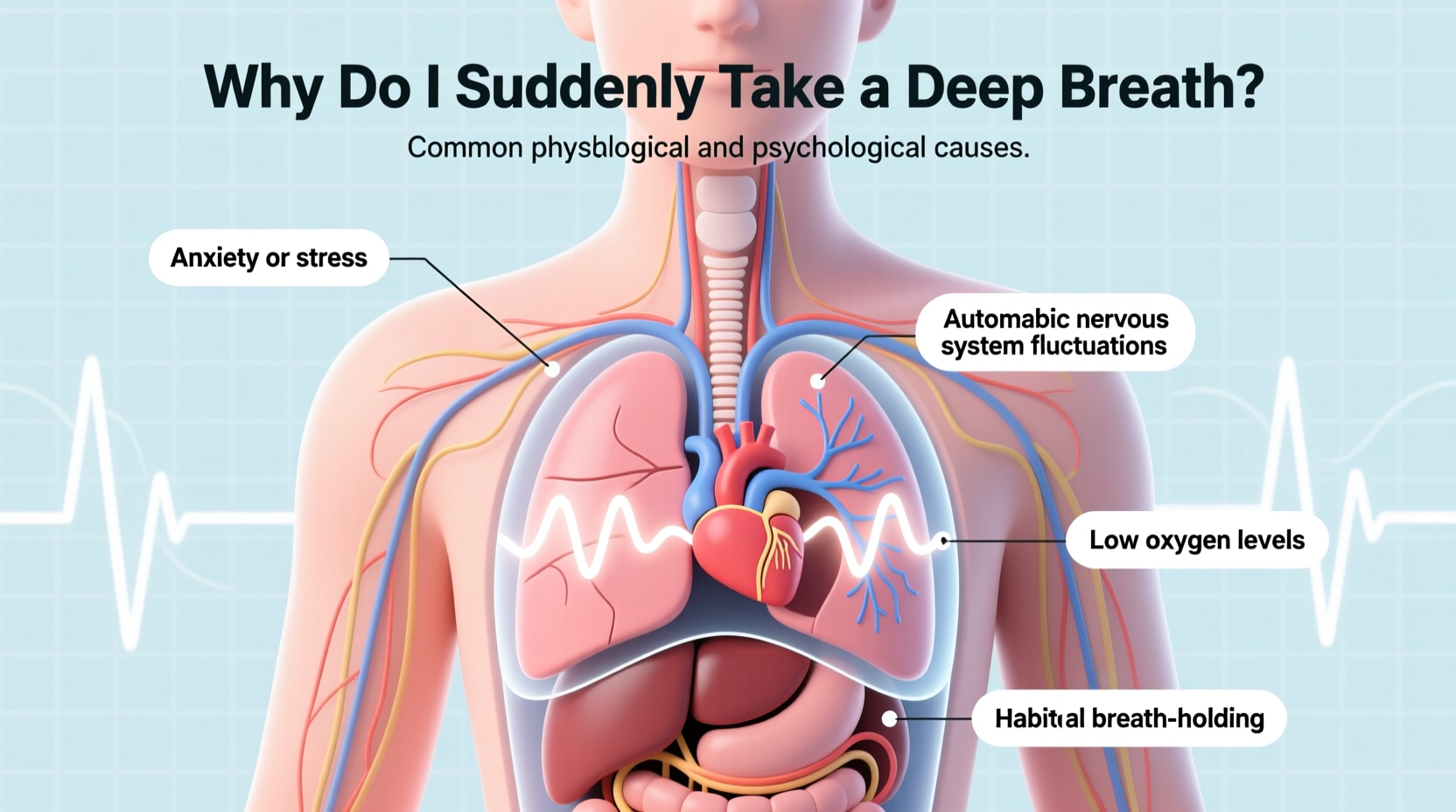
Every breath is controlled by a complex interplay between the brain, lungs, and nervous system. The respiratory center in the brainstem monitors carbon dioxide (CO₂), oxygen (O₂), and pH levels in the blood, adjusting breathing patterns accordingly. A random deep breath, often called a \"sigh,\" is a natural mechanism to reinflate tiny air sacs in the lungs (alveoli) that may have collapsed slightly during shallow breathing.
Research shows that humans naturally sigh every 5–10 minutes as part of healthy lung maintenance. These spontaneous deep breaths help maintain lung elasticity and improve gas exchange efficiency. However, an increase in frequency may point to compensatory behavior—your body trying to correct imbalances in oxygen or CO₂ levels, or responding to internal stress signals.
“Sighing is a built-in reset button for the lungs. But when sighing becomes conscious or excessive, it’s often linked to psychological or physiological strain.” — Dr. Lena Torres, Pulmonologist and Respiratory Researcher
Common Non-Medical Causes
Most instances of random deep breathing stem from lifestyle or emotional triggers rather than disease. Recognizing these everyday contributors can help reduce unnecessary concern and promote better self-awareness.
- Stress and Anxiety: Even low-grade anxiety can trigger subtle changes in breathing. The body may initiate deep breaths to counteract rising tension or prepare for perceived threats.
- Mental Fatigue: Concentrating for long periods—such as during work, studying, or screen time—can lead to shallow, irregular breathing. Deep breaths serve as unconscious corrections.
- Habitual Sighing: Some people develop a pattern of sighing due to learned behavior, especially if they associate deep breaths with relief or focus.
- Poor Posture: Slouching compresses the diaphragm and restricts lung expansion, prompting deeper breaths to compensate.
- Environmental Factors: Poor ventilation, high altitude, or exposure to allergens can subtly lower oxygen availability, prompting the body to breathe more deeply.
Medical Conditions Linked to Frequent Deep Breathing
While most cases are benign, persistent or distressing deep breathing can be a symptom of an underlying condition. It’s important to consider these possibilities, especially if accompanied by other symptoms like dizziness, chest tightness, or fatigue.
1. Anxiety Disorders and Panic Attacks
Chronic anxiety alters baseline breathing patterns. Hyperventilation—rapid or overly deep breathing—often follows, leading to sensations of breathlessness despite adequate oxygen. This creates a feedback loop where the person feels compelled to take deeper breaths.
2. Asthma and COPD
Obstructive lung diseases impair airflow, making it harder to expel air fully. Individuals may take deep breaths in an attempt to clear residual air or overcome airway resistance.
3. Anemia
Low red blood cell count reduces oxygen-carrying capacity. The body responds by increasing respiratory rate and depth to maximize oxygen intake.
4. Heart Conditions
Early signs of heart failure or arrhythmias can include shortness of breath or a sensation of air hunger, prompting frequent deep inhalations, especially when lying down.
5. Acid Reflux (GERD)
Stomach acid irritating the esophagus can stimulate nerve reflexes that affect breathing, sometimes causing sudden gasps or deep breaths, particularly at night.
6. Neurological Issues
Rarely, disorders affecting the brainstem or autonomic nervous system—such as multiple sclerosis or post-viral dysautonomia—can disrupt respiratory control, leading to irregular breathing patterns.
When to Seek Medical Attention
Occasional deep breaths are normal. However, certain red flags warrant evaluation by a healthcare provider:
- Deep breathing occurs multiple times per minute and feels uncontrollable
- You experience lightheadedness, numbness in hands or lips, or chest pain
- Breathing changes interfere with sleep, concentration, or daily activities
- Symptoms worsen during rest or without obvious triggers
A doctor may perform spirometry, blood tests (for hemoglobin, electrolytes, thyroid function), or refer you to a pulmonologist or cardiologist depending on findings.
“If a patient reports constant sighing or air hunger without exertion, we look beyond the lungs—sometimes to the mind, metabolism, or cardiovascular system.” — Dr. Arjun Patel, Internal Medicine Specialist
Practical Steps to Manage Unexplained Deep Breathing
In many cases, simple behavioral adjustments can significantly reduce the frequency of random deep breaths. Here’s a step-by-step approach:
- Track Your Breathing: Keep a journal noting when deep breaths occur, your activity, mood, and environment. Look for patterns over a week.
- Improve Posture: Sit upright with shoulders relaxed and chin slightly tucked. Use ergonomic chairs or posture reminders if needed.
- Practice Diaphragmatic Breathing: Lie on your back, place one hand on your chest and one on your belly. Breathe in deeply through your nose so only the belly rises. Exhale slowly. Do this for 5–10 minutes twice daily.
- Reduce Screen Time Stress: Take breaks every 30 minutes during prolonged computer use. Stand, stretch, and consciously relax your jaw and shoulders.
- Optimize Sleep Environment: Ensure good airflow, avoid heavy meals before bed, and manage GERD if present.
- Address Emotional Triggers: If anxiety or rumination is suspected, cognitive behavioral therapy (CBT) or mindfulness techniques can be highly effective.
Checklist: Actions to Reduce Frequent Deep Breathing
- ✅ Monitor breathing patterns for one week
- ✅ Practice diaphragmatic breathing daily
- ✅ Correct sitting and standing posture
- ✅ Limit caffeine and alcohol intake
- ✅ Try a 5-minute mindfulness session each morning
- ✅ Consult a doctor if symptoms persist beyond 2 weeks
Real-Life Example: Sarah’s Experience
Sarah, a 34-year-old graphic designer, began noticing she was taking deep breaths every few minutes while working remotely. At first, she dismissed it as stress. But when her fingers tingled after long sessions, she consulted her physician.
Testing ruled out asthma and anemia. Her doctor observed her posture during a video call—hunched over a laptop on the couch. A breathing assessment revealed chronic shallow chest breathing. With guidance, Sarah started daily diaphragmatic exercises, adjusted her workspace, and incorporated walking breaks. Within three weeks, her urge to sigh diminished significantly.
Her case highlights how modern work environments can silently disrupt natural breathing—even without overt illness.
Do’s and Don’ts: Managing Random Deep Breaths
| Do’s | Don’ts |
|---|---|
| Do practice slow, nasal breathing regularly | Don’t ignore persistent symptoms lasting over a month |
| Do evaluate your workspace ergonomics | Don’t self-diagnose anxiety or panic disorder without professional input |
| Do stay hydrated and limit stimulants | Don’t suppress natural sighs—they serve a purpose |
Frequently Asked Questions
Is it bad to take deep breaths frequently?
Not inherently. Occasional deep breaths are healthy and necessary. However, if you're doing it constantly and feel unable to control it, or if it's accompanied by discomfort, it may indicate an underlying issue worth investigating.
Can dehydration cause me to take deeper breaths?
Yes. Dehydration affects blood volume and viscosity, which can alter oxygen delivery. The body may respond with deeper or faster breathing to compensate.
Why do I take a deep breath when I’m not out of breath?
This is often a subconscious correction. Shallow breathing during sedentary tasks reduces lung efficiency. A deep breath restores optimal lung volume and resets respiratory rhythm.
Take Control of Your Breathing, Take Control of Your Health
Random deep breaths are usually a quiet signal from your body—asking for better posture, reduced stress, or improved oxygen flow. By paying attention without panic, you gain insight into your physical and emotional state. Most causes are manageable with small, consistent changes.
If lifestyle adjustments don’t bring relief, don’t hesitate to seek medical advice. Breathing is fundamental; it deserves care and understanding. Start today: sit up straight, take one slow, intentional breath, and tune in to your body’s rhythms.




 浙公网安备
33010002000092号
浙公网安备
33010002000092号 浙B2-20120091-4
Comments
No comments yet. Why don't you start the discussion?