
A cluttered pantry can make meal prep stressful and lead to food waste. When space is limited, every inch counts. Organizing a small pantry isn’t just about tidiness—it’s about creating a functional system that maximizes accessibility, reduces duplication, and keeps perishables visible before they expire. With the right approach, even the tiniest pantry can hold more than you think. This guide walks through proven strategies to transform your cramped storage area into an efficient, easy-to-navigate hub for all your kitchen essentials.
Assess Your Pantry: Know What You Have
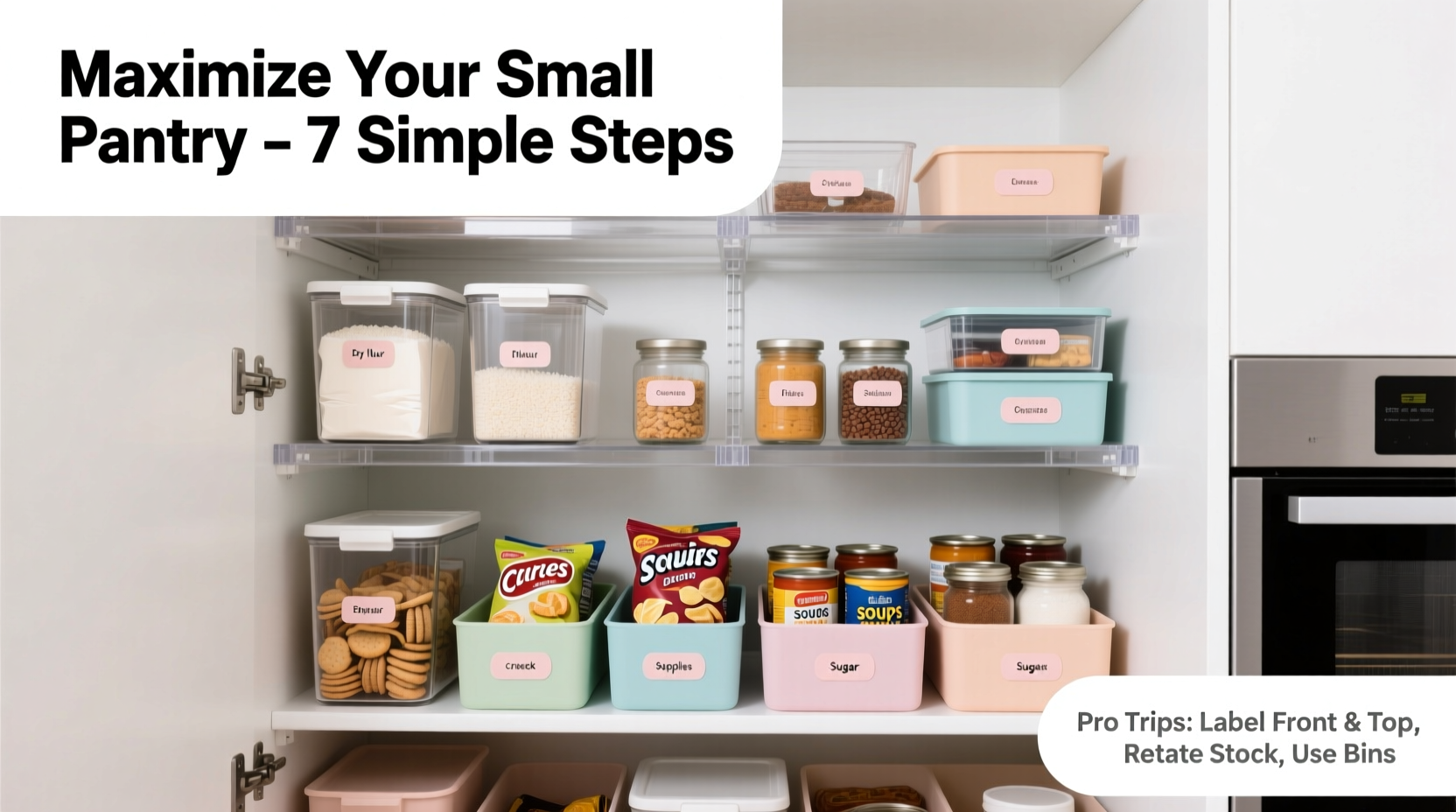
The first step in any successful organization project is understanding what you're working with. Begin by emptying your entire pantry onto a clean surface—kitchen counters or table work well. This allows you to see everything at once, identify expired items, and assess packaging types.
As you remove items, sort them into categories: canned goods, grains, snacks, baking supplies, oils and condiments, pasta, breakfast foods, and so on. Check expiration dates carefully. Discard anything past its prime, and donate unopened non-perishables you won’t use.
While the shelves are bare, take time to wipe them down with a mild cleaner. Inspect for spills, crumbs, or signs of pests. Consider lining shelves with removable, washable shelf liners—they protect surfaces and make future cleanups easier.
This inventory process reveals not only what you own but also how much space each category occupies. It sets the foundation for smart reorganization based on actual usage patterns rather than assumptions.
Create Zones Based on Usage and Type
Efficient pantries rely on zoning—grouping similar items together in designated areas. This reduces search time and encourages consistent habits. For small spaces, strategic zone placement is critical.
Divide your pantry into logical sections. Common zones include:
- Daily Essentials: Items used daily (coffee, tea, oatmeal) go at eye level.
- Cooking Staples: Oils, spices, canned tomatoes, broths—keep near the cooking zone if possible.
- Baking Supplies: Flour, sugar, baking powder—store together in a dedicated bin or lower shelf.
- Snacks: Designate one shelf for family favorites, ideally within reach of children if applicable.
- Breakfast Zone: Cereals, granola bars, pancake mix.
- Bulk or Infrequently Used: Holiday ingredients, large bags of rice—store higher up or on lower shelves.
“Zoning transforms chaos into clarity. When everything has a home, restocking becomes intuitive.” — Sarah Lin, Home Organization Consultant
In small pantries, vertical stacking and depth utilization matter. Place frequently accessed items between waist and shoulder height. Reserve top shelves for lightweight, rarely used items and bottom shelves for heavier goods like bottled water or pet food.
Maximize Space with Smart Storage Solutions
Without proper tools, even a well-planned layout can fail. The key to maximizing a small pantry lies in using space-efficient organizers that enhance visibility and access.
Use Clear, Airtight Containers
Transfer dry goods like pasta, rice, lentils, and snacks into uniform, transparent containers. Not only do they look neater, but they also prevent pests and extend shelf life. Opt for square or rectangular bins—they fit together more efficiently than round ones, minimizing wasted gaps.
Install Adjustable Shelving or Tiered Racks
If your pantry has fixed shelves, consider adding tiered shelf risers. These allow you to stack items while still seeing what's behind. For deeper shelves, pull-out baskets or sliding bins help retrieve items from the back without digging.
Leverage Door and Wall Space
The inside of the pantry door is prime real estate. Install over-the-door organizers with pockets or racks for spices, seasoning packets, tea bags, or small condiment bottles. Wall-mounted rails with hooks can hold measuring cups, aprons, or reusable produce bags.
Stack Vertically and Utilize Floor Space
Don’t overlook floor-level storage. Use stackable bins or low rolling carts for bulky items like potatoes, onions, or paper towels. Rolling utility carts are especially useful—they can be pulled out for access and tucked back in when not needed.
| Storage Tool | Best For | Avoid Using For |
|---|---|---|
| Clear Airtight Containers | Dry goods (pasta, cereal, sugar) | Liquids or hot foods |
| Tiered Shelf Risers | Canned goods, spice jars | Heavy appliances |
| Over-the-Door Organizers | Spices, snacks, wraps | Heavy bottles or cans |
| Pull-Out Bins | Back-of-shelf items | Narrow shelves with no clearance |
Step-by-Step Guide to Organizing Your Small Pantry
Follow this six-step sequence to ensure a thorough, lasting transformation of your pantry:
- Empty Everything Out – Remove all items and place them on a countertop. Wipe down shelves and inspect for damage or pests.
- Sort & Declutter – Group items by category. Discard expired products and consolidate duplicates.
- Measure Your Space – Note shelf width, depth, and height. This helps in selecting appropriately sized bins and organizers.
- Plan Your Zones – Decide where each category will live based on frequency of use and weight.
- Invest in Storage Tools – Purchase clear containers, shelf risers, door racks, and labels as needed.
- Restock Strategically – Return items to their zones. Face labels forward and place newer items behind older ones (FIFO method).
This process typically takes 2–3 hours, depending on pantry size and disorganization level. Doing it in one session prevents half-finished chaos and reinforces commitment to the new system.
Real Example: Transforming a 3-Shelf Apartment Pantry
Take Maria, a busy professional living in a studio apartment with a narrow pantry just 24 inches wide. Her shelves were crammed: cans stacked precariously, cereal boxes spilling open, and snacks buried under baking sheets.
After following the steps above, she made dramatic improvements:
- Transferred pasta, rice, and oats into matching square glass jars with chalkboard labels.
- Added two tiered metal risers to the middle shelf for canned beans and tomatoes.
- Installed a slim over-the-door organizer for spice packets and tea.
- Used a rolling bin on the floor for extra toilet paper and cleaning wipes.
The result? She regained 40% more usable space and could now see every item at a glance. Weekly grocery planning became faster, and food waste dropped significantly because nothing got forgotten behind larger packages.
Maintain the System: Daily Habits That Last
An organized pantry only stays that way with consistent upkeep. Build simple routines into your weekly schedule:
- Do a 5-minute tidy after grocery shopping. Put items back in their zones immediately.
- Check expiration dates monthly. Keep a small notepad inside the door to jot down soon-to-expire items.
- Re-evaluate quarterly. As seasons change, so do eating habits. Adjust zones accordingly—e.g., move soup cans forward in winter.
Encourage household members to follow the same rules. If everyone knows where things belong, the system holds up under daily use.
Frequently Asked Questions
How do I organize a deep pantry without losing items in the back?
Use pull-out bins or Lazy Susans for deep shelves. Arrange items using the FIFO (First In, First Out) rule: place newer purchases behind older ones to ensure nothing gets buried and expires unnoticed.
Should I group items by meal type or ingredient type?
Most people find ingredient-based grouping more sustainable. However, if you frequently prepare specific meals (like overnight oats or taco night), consider creating small “meal kits” in labeled bins with all necessary ingredients pre-packed.
What’s the best way to store potatoes and onions in a small pantry?
Keep them in a cool, dark, ventilated basket or bin—never sealed in plastic. Store separately, as onions emit gases that can cause potatoes to sprout faster. If space allows, use a breathable cotton bag placed on the lowest shelf or under the sink.
Final Checklist: Did You Complete All Key Steps?
Before declaring your pantry complete, run through this checklist:
- ✅ Removed all items and cleaned shelves
- ✅ Discarded expired or unused products
- ✅ Sorted items into clear categories
- ✅ Measured shelf dimensions for accurate storage solutions
- ✅ Assigned zones based on usage frequency
- ✅ Transferred dry goods into labeled, airtight containers
- ✅ Installed organizers (risers, bins, door racks)
- ✅ Restocked using FIFO method
- ✅ Added labels to all containers
- ✅ Established a maintenance routine
Conclusion: Turn Constraints Into Opportunity
A small pantry doesn’t have to mean limited functionality. With intentional planning, the right tools, and consistent habits, compact spaces can become models of efficiency. The goal isn’t perfection—it’s usability. When your pantry supports your lifestyle instead of complicating it, cooking becomes simpler, grocery trips more focused, and meals more enjoyable.




 浙公网安备
33010002000092号
浙公网安备
33010002000092号 浙B2-20120091-4
Comments
No comments yet. Why don't you start the discussion?