
For millions of people, coffee is the morning ritual that jumpstarts the day. Yet for some, that same cup of joe leads not to alertness, but to fatigue—sometimes within just an hour of drinking it. If you’ve ever found yourself yawning after a latte or feeling sluggish despite a double espresso, you’re not alone. The paradox of coffee making you tired instead of awake isn’t imaginary; it’s rooted in biology, chemistry, and individual physiology. Understanding why this happens requires diving into how caffeine is metabolized, how it interacts with your brain’s natural rhythms, and what other factors—like sugar, hydration, and sleep debt—can turn your energizing brew into a crash trigger.
The Science of Caffeine: How It Works in Your Brain
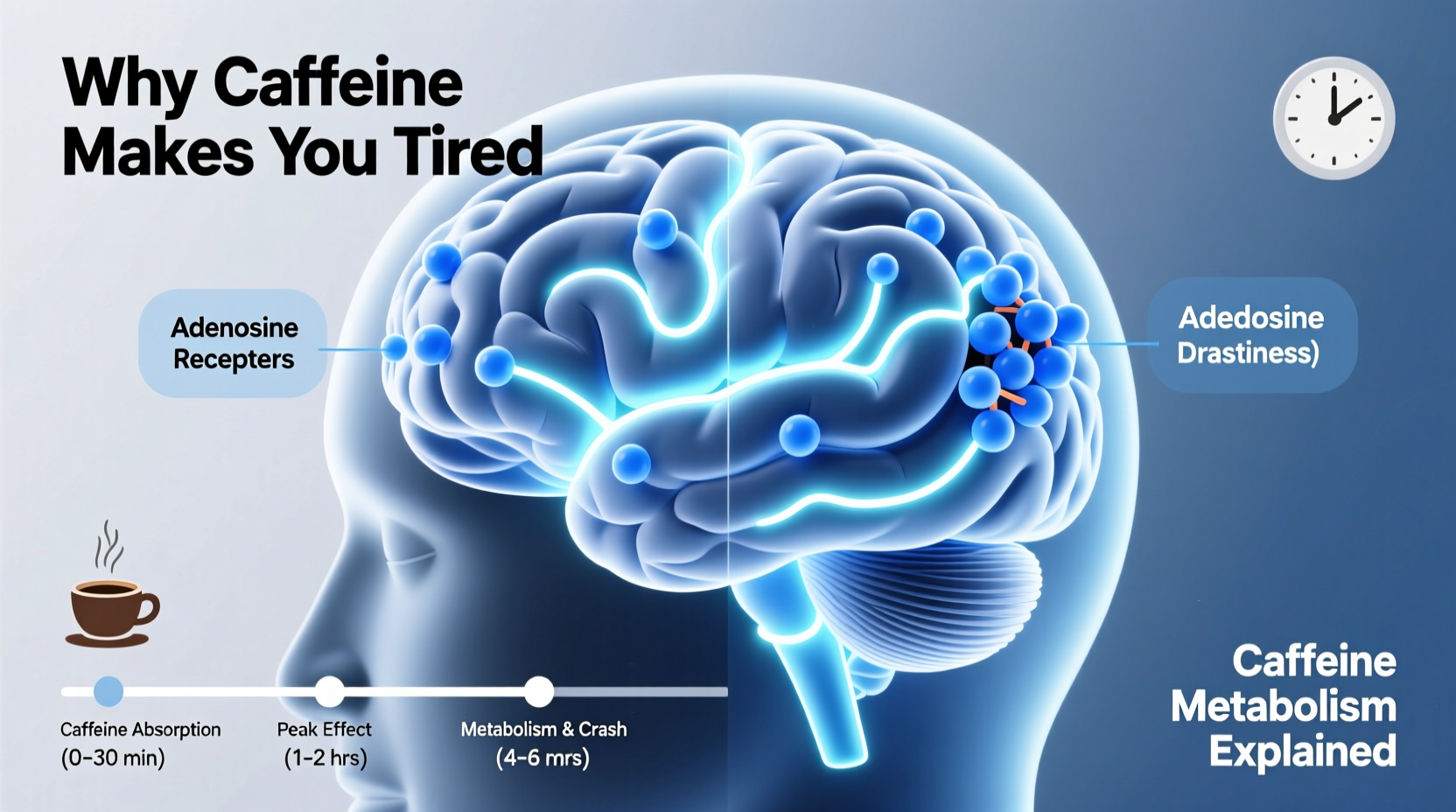
Caffeine doesn’t create energy—it masks fatigue. It achieves this by blocking adenosine, a neurotransmitter that builds up in your brain throughout the day. As adenosine accumulates, it binds to receptors that signal drowsiness, preparing your body for rest. Caffeine is structurally similar to adenosine, allowing it to bind to the same receptors without activating them. This blocks the “tired” signal, temporarily staving off sleepiness.
However, this blockade is temporary. While caffeine occupies the receptors, adenosine continues to accumulate in the background. Once caffeine wears off—typically 3 to 5 hours after consumption—that stored-up adenosine floods the receptors all at once, resulting in a sudden wave of fatigue often described as a “crash.” This rebound effect explains why many people feel more tired after their coffee wears off than they did before drinking it.
“Caffeine is like putting a temporary lock on your brain’s fatigue sensors. But the longer you delay rest, the louder those signals become when the lock is removed.” — Dr. Lena Patel, Neuroscientist and Sleep Researcher
Caffeine Metabolism: Why Some People Crash Faster Than Others
Not everyone experiences caffeine the same way. Genetics play a major role in how quickly your body processes caffeine through the liver enzyme CYP1A2. This enzyme breaks down caffeine into compounds that can be eliminated from the body. People are generally categorized into two groups:
- Fast metabolizers: Efficiently break down caffeine, experiencing shorter-lived effects and fewer side effects.
- Slow metabolizers: Process caffeine slowly, leading to prolonged stimulation, increased jitteriness, and sometimes paradoxical fatigue due to disrupted cortisol rhythms.
A single nucleotide polymorphism (SNP) in the CYP1A2 gene determines which category you fall into. About 40–50% of people are slow metabolizers. If you're one of them, even a small amount of coffee may linger in your system for hours, interfering with natural energy regulation.
Additionally, factors like age, liver health, medications (such as birth control or certain antibiotics), and smoking can alter caffeine metabolism. Smokers, for example, metabolize caffeine up to 50% faster due to enzyme induction, while oral contraceptives can nearly double its half-life.
The Role of Cortisol and Circadian Rhythms
Your body’s natural hormone cycles also influence how coffee affects you. Cortisol, often called the “stress hormone,” plays a key role in wakefulness. Levels naturally peak between 8–9 AM, dip in the early afternoon, and rise again around 5–6 PM. Drinking coffee during your peak cortisol window reduces its effectiveness because your body is already alert.
Many experts recommend avoiding caffeine for the first 60–90 minutes after waking, allowing cortisol to do its job unimpeded. Consuming coffee too early can blunt your body’s natural alertness mechanisms over time, potentially making you more dependent on caffeine to feel awake—even when you don’t need it.
Conversely, drinking coffee later in the day—especially past 2 PM—can disrupt nighttime sleep quality, leading to next-day fatigue. Poor sleep increases baseline adenosine levels, meaning you start each day with a higher “sleep debt.” When you then consume caffeine, the masking effect may be less effective, and the subsequent crash more severe.
Optimal Coffee Timing Based on Circadian Rhythm
| Time of Day | Cortisol Level | Coffee Recommendation |
|---|---|---|
| 6–8 AM | Rising | Wait 60–90 mins after waking |
| 9–11 AM | Peak subsiding | Ideal window for first cup |
| 12–2 PM | Post-lunch dip | Moderate second cup if needed |
| After 2 PM | Evening rise | Avoid to protect sleep |
Sugar, Dehydration, and Additives: Hidden Fatigue Triggers
While caffeine itself may not cause fatigue, what you add to your coffee might. Many popular coffee drinks—frappuccinos, sweetened lattes, flavored syrups—are loaded with sugar. A rapid spike in blood glucose triggers insulin release, which can lead to a sharp drop in energy within an hour, commonly known as a “sugar crash.”
This hypoglycemic dip mimics fatigue and can easily be mistaken for a caffeine-related issue. Even “healthy” additions like honey or maple syrup can contribute to this cycle if consumed in excess.
Dehydration is another overlooked factor. Coffee is a mild diuretic, meaning it increases urine production. Without adequate water intake, you may become dehydrated, leading to headaches, brain fog, and tiredness. Since dehydration symptoms often appear subtly, you might not realize it’s the culprit behind your post-coffee slump.
“I had patients who swore coffee made them tired—until we realized they were drinking two sugary venti mochas and only sipping water once a day. Fixing hydration and sugar intake resolved the crashes.” — Dr. Marcus Tran, Internal Medicine Specialist
Mini Case Study: Sarah’s Afternoon Slump
Sarah, a 32-year-old graphic designer, drank two large caramel macchiatos every morning to stay focused. By 11 AM, she felt jittery; by 1 PM, she was exhausted. She assumed she needed more caffeine and often added an energy drink, worsening the cycle.
After consulting a nutritionist, she discovered her drinks contained over 60 grams of sugar each—equivalent to five chocolate bars. She switched to black coffee with a splash of oat milk and began drinking a glass of water with each cup. Within three days, her energy stabilized, and the midday crash disappeared. Her issue wasn’t caffeine—it was sugar and dehydration amplifying its negative effects.
How to Prevent Coffee-Induced Fatigue: A Step-by-Step Guide
If coffee consistently makes you tired, the solution isn't necessarily to quit—it's to optimize how and when you consume it. Follow this sequence to reset your relationship with caffeine:
- Track your current intake: Log every caffeinated beverage for three days, noting time, quantity, ingredients, and how you feel 30 and 90 minutes later.
- Eliminate added sugars: Replace syrups, sweetened creams, and flavored pods with unsweetened alternatives.
- Hydrate strategically: Drink one full glass of water for every cup of coffee.
- Delay your first cup: Wait 60–90 minutes after waking to let cortisol rise naturally.
- Limit total daily intake: Stay under 400 mg of caffeine (about 3–4 cups of brewed coffee).
- Stop by early afternoon: Avoid caffeine after 2 PM to protect sleep quality.
- Assess your sleep: Aim for 7–9 hours per night. Chronic sleep deprivation undermines caffeine’s benefits.
Checklist: Optimize Your Coffee Routine
- ☐ I wait at least 60 minutes after waking to drink coffee
- ☐ My coffee contains no added sugar or artificial sweeteners
- ☐ I drink water alongside every cup of coffee
- ☐ I avoid caffeine after 2 PM
- ☐ I get at least 7 hours of sleep most nights
- ☐ I limit myself to 3–400 mg of caffeine per day
- ☐ I pay attention to how I feel post-consumption and adjust accordingly
Frequently Asked Questions
Can decaf coffee still make me tired?
Decaf contains only 1–3% of the caffeine in regular coffee, so it’s unlikely to cause a crash. However, if you're highly sensitive or have anxiety around caffeine, even the placebo effect of drinking “coffee” could trigger fatigue. Additionally, additives like creamers or sugars in decaf drinks may still contribute to energy dips.
Is it bad if coffee makes me tired immediately?
An immediate tired feeling after coffee could indicate high stress levels, adrenal fatigue, or poor sleep hygiene. It may also reflect a strong adenosine rebound if you’re sleep-deprived. In rare cases, it could signal an underlying condition like hypothyroidism or anemia. If fatigue persists despite adjustments, consult a healthcare provider.
Does tolerance affect how coffee impacts my energy?
Yes. Regular caffeine use leads to tolerance as your brain produces more adenosine receptors to compensate. Over time, you need more caffeine to achieve the same alertness, increasing the risk of dependency and stronger crashes. Taking periodic caffeine breaks (e.g., weekends off) can help reset sensitivity.
Conclusion: Reclaim Your Energy with Smarter Coffee Habits
Coffee doesn’t have to leave you drained. The fatigue you feel isn’t a flaw in the beverage—it’s a signal from your body that something in your routine needs adjustment. Whether it’s your genetics, timing, sugar intake, or sleep habits, the root causes of coffee-induced tiredness are both identifiable and fixable.
By understanding caffeine metabolism, respecting your circadian rhythm, and eliminating hidden energy thieves like sugar and dehydration, you can transform coffee from a source of fatigue into a sustainable tool for focus and vitality. Start small: delay your first cup, swap out the syrup, drink more water. These simple shifts can make a dramatic difference in how you feel—not just in the morning, but throughout your entire day.




 浙公网安备
33010002000092号
浙公网安备
33010002000092号 浙B2-20120091-4
Comments
No comments yet. Why don't you start the discussion?