
Waking up with a racing heart, tight chest, or overwhelming sense of dread—without any obvious cause—can be one of the most disorienting experiences. You haven’t checked your phone yet, there’s no immediate stressor, and yet anxiety floods your system before your feet even touch the floor. This phenomenon is more common than many realize, affecting people across age groups and lifestyles. While it may feel isolating, early-morning anxiety often stems from identifiable biological, psychological, and lifestyle-related patterns. Understanding these underlying mechanisms is the first step toward regaining control over your mornings—and your mental well-being.
The Biology Behind Morning Anxiety
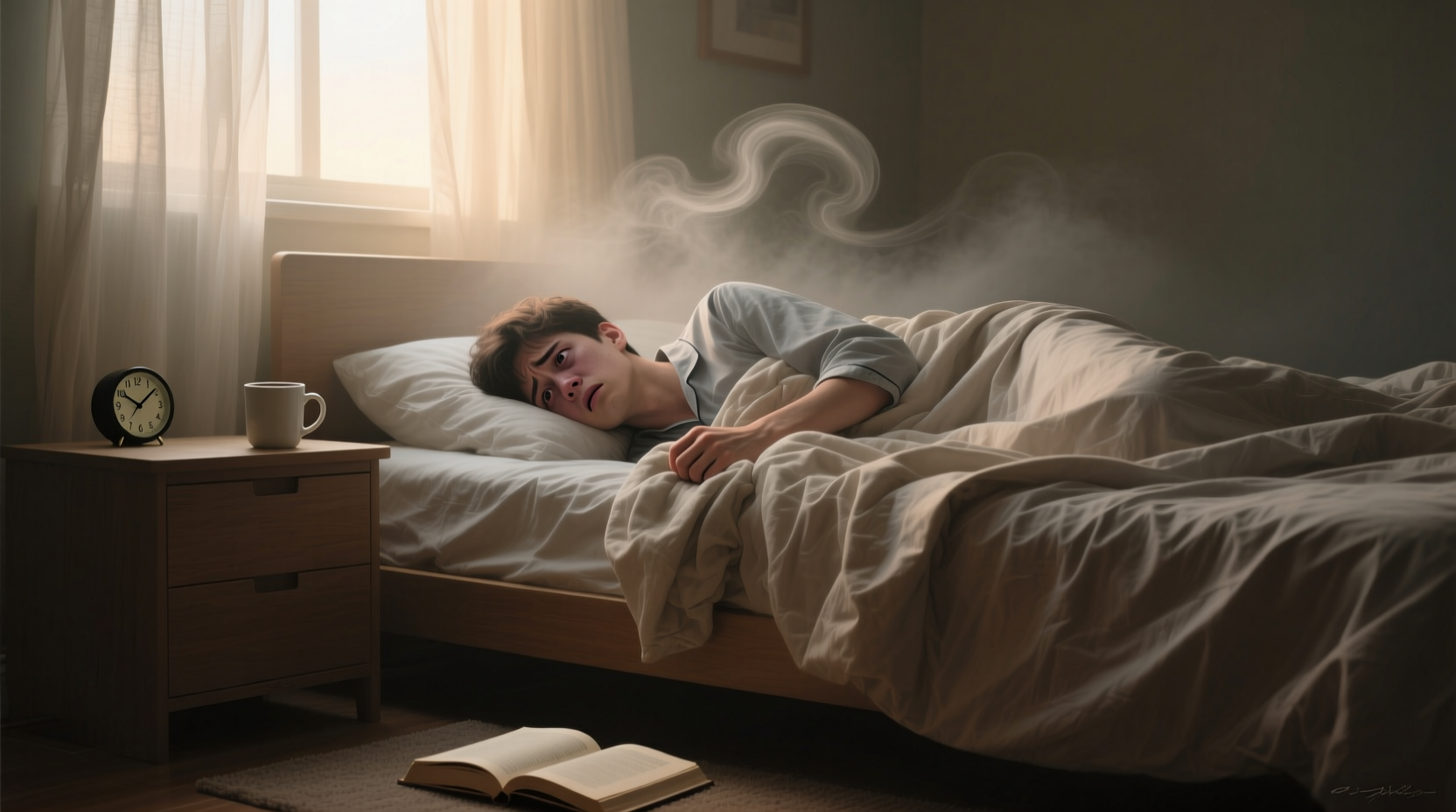
Your body operates on a complex hormonal rhythm governed by the circadian system. One key player in morning anxiety is cortisol, commonly known as the “stress hormone.” Cortisol levels naturally rise in the early hours—typically peaking between 6 and 9 a.m.—to help you wake up, increase alertness, and prepare for the day. This is part of the cortisol awakening response (CAR), a normal physiological process.
However, in individuals prone to anxiety, this natural spike can become exaggerated. Research shows that people with generalized anxiety disorder (GAD) or chronic stress often exhibit a heightened CAR, meaning their bodies release more cortisol upon waking than necessary. This surplus can trigger physical symptoms like rapid heartbeat, sweating, and restlessness—mimicking panic even in the absence of danger.
Additionally, neurotransmitters such as norepinephrine and serotonin play roles in mood regulation during sleep-wake transitions. Imbalances in these systems, especially after fragmented or low-quality sleep, can leave the brain in a hyper-vigilant state upon waking, priming it for anxiety.
“Many patients report morning anxiety not because something went wrong overnight, but because their neurochemistry is already in overdrive before they open their eyes.” — Dr. Lena Torres, Clinical Psychologist and Sleep Specialist
Potential Causes of Unexplained Morning Anxiety
While cortisol dysregulation is a major contributor, several interrelated factors can amplify or trigger unexplained morning anxiety:
- Chronic Stress Accumulation: Even if you manage stress well during the day, unresolved tension can resurface at night or in the early morning when distractions fade.
- Sleep Disorders: Conditions like insomnia, sleep apnea, or restless leg syndrome disrupt deep sleep stages, leaving the nervous system fatigued and reactive.
- Nocturnal Hypoglycemia: Low blood sugar during the night can prompt adrenaline release, leading to anxiety-like symptoms upon waking.
- Medications or Supplements: Certain antidepressants, stimulants, or even high-dose B vitamins taken late in the day may affect sleep architecture and morning arousal.
- Dream Content: Intense or emotionally charged dreams, particularly nightmares or recurring themes of threat, can leave residual anxiety upon waking.
- Lifestyle Habits: Evening alcohol consumption, caffeine intake after noon, or screen exposure before bed can impair sleep quality and increase nocturnal arousal.
Recognizing the Patterns: A Self-Assessment Checklist
If you frequently wake up anxious without an apparent reason, use this checklist to identify possible triggers:
- Do I consistently wake up at the same time with a racing mind?
- Do I experience physical symptoms like chest tightness, nausea, or trembling upon waking?
- Is my sleep often interrupted or non-restorative?
- Do I consume caffeine, alcohol, or heavy meals within three hours of bedtime?
- Have I recently experienced increased life stress, even if I feel I’ve coped well?
- Am I taking medications known to affect sleep or mood?
- Do I go to bed with unresolved thoughts or emotional tension?
Frequent \"yes\" answers suggest that morning anxiety is not random, but rather a signal from your body and mind indicating imbalance. Tracking these patterns over a week using a journal can reveal trends and guide targeted interventions.
Step-by-Step Guide to Calming Your Mornings
Reversing morning anxiety requires consistent, intentional habits that reset your nervous system and retrain your brain’s default state. Follow this seven-day timeline to begin restoring calm:
- Day 1–2: Audit Your Nighttime Routine
Document everything you do in the two hours before bed. Note screen time, food/drink intake, mental activity (e.g., work emails, arguments), and bedtime. Identify at least two habits that could be contributing to poor sleep quality. - Day 3–4: Optimize Your Sleep Environment
Ensure your bedroom is cool (60–67°F), dark, and quiet. Remove electronic devices or place them out of reach. Consider using blackout curtains or a white noise machine if needed. - Day 5: Implement a Wind-Down Ritual
Create a 30-minute pre-sleep routine: dim lights, practice gentle stretching or breathing exercises, and write down any lingering thoughts in a journal. This helps transition your mind from active to restful mode. - Day 6: Practice Grounding Upon Waking
When you wake up anxious, don’t jump out of bed. Instead, lie still and use the 5-4-3-2-1 grounding technique: Name 5 things you see, 4 you can touch, 3 you hear, 2 you smell, and 1 you taste. This brings focus back to the present. - Day 7: Introduce Morning Light Exposure
Within 15 minutes of waking, expose yourself to natural sunlight or bright artificial light. This helps regulate cortisol rhythms and signals your brain that the day has begun safely.
Continue these steps beyond the initial week. Consistency is critical—neurological rewiring takes time, but most people notice improvement within 2–3 weeks.
Common Misconceptions About Morning Anxiety
Several myths prevent people from addressing morning anxiety effectively:
| Misconception | Reality |
|---|---|
| \"It's all in my head—I should just relax.\" | Anxiety has real physiological roots. Telling someone to “calm down” ignores biological processes like cortisol spikes and autonomic nervous system activation. |
| \"If I’m not stressed during the day, I shouldn’t feel anxious at night.\" | Stress can be stored subconsciously. The brain processes emotional experiences during sleep, sometimes surfacing them as anxiety upon waking. |
| \"Only people with mental illness experience this.\" | Morning anxiety affects otherwise healthy individuals, especially under prolonged pressure or poor sleep hygiene. |
| \"Taking a sleeping pill will fix it.\" | While medication can help short-term, long-term solutions require addressing root causes like stress management and circadian health. |
Real-Life Example: Sarah’s Journey to Calmer Mornings
Sarah, a 34-year-old project manager, began waking up at 5:15 a.m. every day with intense anxiety—despite falling asleep easily and logging seven hours of sleep. She had no deadlines looming, yet her chest would tighten, and her mind would race with worst-case scenarios about work, family, and health.
After tracking her habits, she realized she routinely checked work emails until 10 p.m., drank herbal tea with licorice root (a known cortisol booster), and slept with her phone beside her bed. With guidance from a sleep coach, she eliminated screens after 9 p.m., switched to chamomile tea, and started journaling before bed to “offload” worries.
Within ten days, Sarah reported fewer awakenings and reduced morning distress. By week four, she was able to lie quietly upon waking without panic. Her case illustrates how small, targeted changes can significantly alter neurochemical responses—even when anxiety seems unprovoked.
Expert-Backed Strategies for Long-Term Relief
Managing morning anxiety isn’t about eliminating cortisol—it’s about balancing your system so it doesn’t overreact. Experts recommend integrating the following into daily life:
- Mindfulness Meditation: Practicing 10 minutes of mindfulness before bed or upon waking reduces amygdala reactivity—the brain region responsible for fear responses.
- Regular Exercise: Moderate aerobic activity, especially in the morning, helps regulate both cortisol and mood-enhancing neurotransmitters like serotonin.
- Nutritional Support: Eating balanced meals with protein, fiber, and healthy fats stabilizes blood sugar, preventing nocturnal dips that trigger adrenaline.
- Cognitive Behavioral Therapy for Insomnia (CBT-I): Proven effective for anxiety-related sleep disruptions, CBT-I addresses thought patterns that perpetuate nighttime and morning distress.
“Anxiety in the morning isn’t a personal failure—it’s a physiological signal. Respond with compassion, not criticism, and address the systems behind it.” — Dr. Rajiv Mehta, Neurologist and Sleep Researcher
Frequently Asked Questions
Can dehydration cause morning anxiety?
Yes. Overnight, your body goes several hours without fluid intake. Dehydration can elevate cortisol and reduce blood volume, prompting symptoms like dizziness and palpitations that mimic anxiety. Drinking a glass of water immediately upon waking can help stabilize your system.
Is waking up anxious a sign of depression?
It can be. Depression often presents with early-morning awakening and mood worsening in the morning due to disrupted HPA axis function. However, morning anxiety alone does not mean you’re depressed. If accompanied by persistent sadness, fatigue, or loss of interest, consult a mental health professional.
Should I avoid coffee if I wake up anxious?
Yes, especially in the morning. Caffeine amplifies cortisol and adrenaline effects, potentially compounding existing anxiety. Try switching to decaf or herbal tea for at least two weeks to assess its impact.
Taking Back Your Mornings
Waking up anxious for no apparent reason is not a life sentence. It’s a signal—one that, when interpreted correctly, offers a powerful opportunity for self-awareness and healing. By aligning your routines with your biology, respecting the connection between sleep and mental health, and responding with consistent, compassionate action, you can transform your mornings from a source of dread into a foundation for resilience.
Start tonight. Adjust one habit. Breathe through one moment of nighttime worry. Write down one thought instead of ruminating. Small steps compound into lasting change. Your calmer, clearer mornings are not only possible—they’re within reach.




 浙公网安备
33010002000092号
浙公网安备
33010002000092号 浙B2-20120091-4
Comments
No comments yet. Why don't you start the discussion?