
Waking up at 3 a.m. with your mind suddenly alert, heart racing, or thoughts spiraling is more common than many realize. It’s not just a random glitch in your sleep cycle—it often reflects deeper psychological patterns, hormonal fluctuations, or lifestyle imbalances. While occasional nighttime awakenings are normal, consistently waking at the same time each night may signal underlying issues affecting both mental and physical health. Understanding the root causes can help restore restful sleep and improve overall well-being.
The Science Behind 3 a.m. Wake-Ups
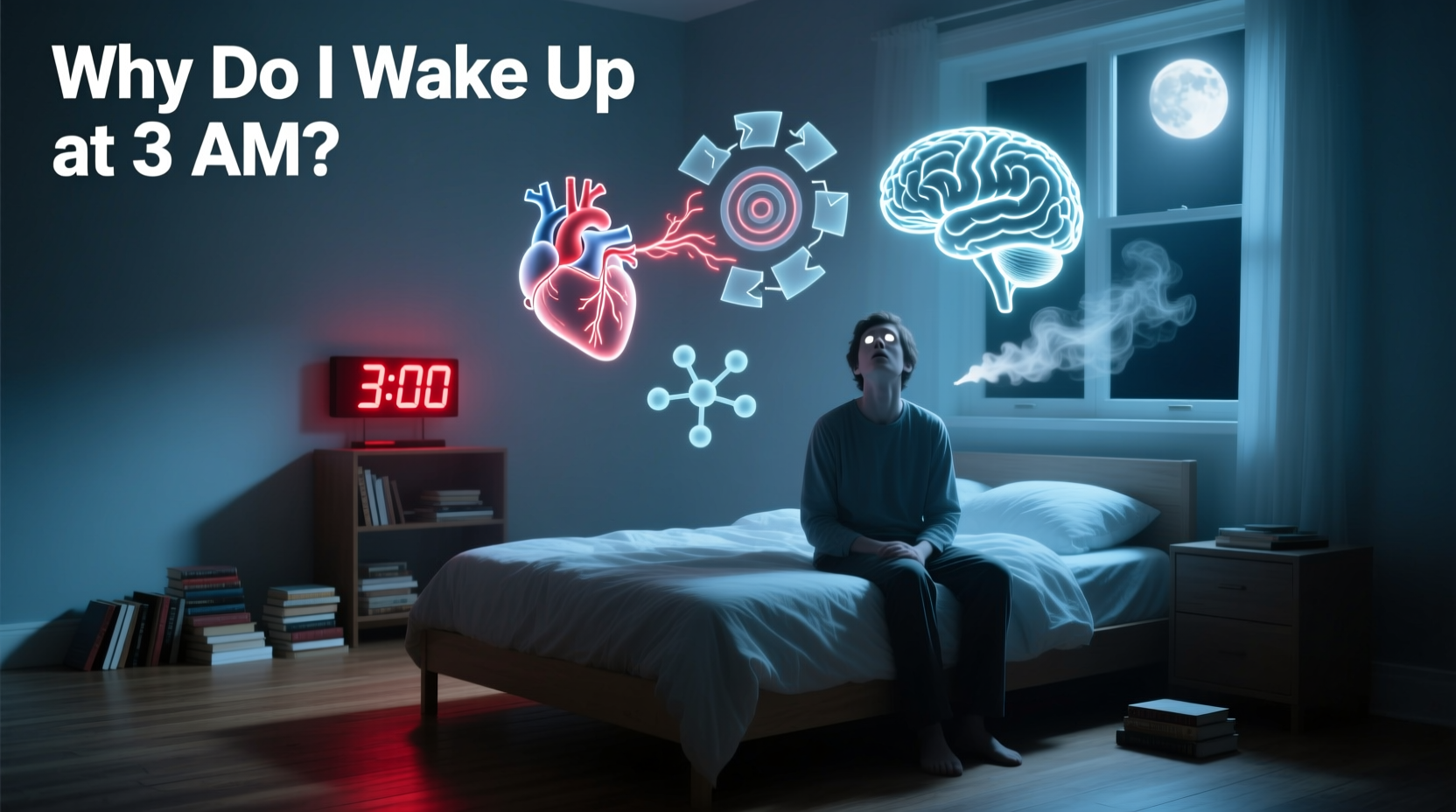
The human sleep cycle follows a predictable pattern of approximately 90-minute stages, cycling through light sleep, deep sleep, and REM (rapid eye movement) sleep. Around 3 a.m., most people are transitioning between their final REM phase and lighter stages. This shift naturally increases brain activity and can make you more susceptible to waking.
At this hour, cortisol—the stress hormone—begins to rise in preparation for morning alertness. In healthy individuals, this increase happens gradually around 4–5 a.m. However, chronic stress or disrupted circadian rhythms can cause cortisol to spike earlier, sometimes as early as 2–3 a.m., triggering sudden wakefulness.
Additionally, blood sugar levels tend to dip overnight. For those with insulin sensitivity or irregular eating habits, a drop in glucose can prompt the release of adrenaline and cortisol to compensate, jolting the body awake.
Psychological Triggers: Anxiety, Rumination, and Stress
Mental health plays a significant role in sleep fragmentation. The quiet darkness of 3 a.m. removes external distractions, making it easier for anxious thoughts to surface. Many people report intrusive thinking, worry about future events, or replaying past conversations during these early hours.
This phenomenon is known as “late-night rumination.” Without daytime stimuli to occupy the mind, subconscious fears and unresolved stressors emerge. Dr. Matthew Walker, neuroscientist and author of *Why We Sleep*, explains:
“During REM sleep, the brain processes emotional experiences. If you're under chronic stress, your brain may remain hyper-vigilant, disrupting sleep continuity and increasing awakenings during emotionally charged phases.” — Dr. Matthew Walker, Neuroscientist and Sleep Researcher
Individuals with generalized anxiety disorder (GAD), depression, or post-traumatic stress disorder (PTSD) are especially prone to waking at 3 a.m. The limbic system—responsible for emotions—becomes overactive when the prefrontal cortex (which regulates rational thought) is less active during sleep. This imbalance can lead to heightened fear responses and emotional flooding upon awakening.
Common Thought Patterns at 3 a.m.
- Fear of failure or financial instability
- Regret over past decisions
- Overthinking relationships or work conflicts
- Catastrophic thinking (“What if something bad happens?”)
- Sense of existential dread or meaninglessness
These thoughts often feel more intense at night due to reduced cognitive control and lack of immediate distraction.
Biological Factors Influencing Early Wakefulness
Beyond psychology, several physiological mechanisms contribute to consistent 3 a.m. awakenings:
1. Circadian Rhythm Disruption
Your internal body clock, regulated by the suprachiasmatic nucleus in the brain, responds primarily to light and darkness. Exposure to blue light from screens late at night suppresses melatonin production, delaying sleep onset and fragmenting later cycles. Shift workers, frequent travelers, or those with irregular bedtimes often experience misaligned circadian rhythms that peak in disruption around 3 a.m.
2. Hormonal Fluctuations
In addition to cortisol, other hormones fluctuate throughout the night:
- Melatonin: Peaks around midnight and declines by 3 a.m., reducing sleep drive.
- Insulin: Low levels overnight can trigger hunger signals and adrenaline release if glucose drops too far.
- Growth hormone: Released during deep sleep; poor sleep quality reduces its secretion, weakening recovery.
3. Sleep Apnea and Breathing Issues
Obstructive sleep apnea (OSA) causes repeated breathing interruptions during sleep, often leading to micro-arousals. These brief awakenings may not be fully remembered but disrupt sleep architecture. People with OSA frequently report waking between 2 a.m. and 4 a.m., feeling gasping or choking.
4. Gastroesophageal Reflux (GERD)
Lying flat after eating can cause stomach acid to rise into the esophagus, especially if dinner was large or spicy. Heartburn symptoms often worsen in the early morning hours, prompting wakefulness.
| Factor | How It Affects 3 a.m. Wake-Ups | What You Can Do |
|---|---|---|
| Cortisol surge | Triggers alertness prematurely | Reduce stress, maintain consistent sleep schedule |
| Low blood sugar | Activates fight-or-flight response | Eat balanced dinner with protein + complex carbs |
| Blue light exposure | Delays melatonin, fragments sleep | Avoid screens 1–2 hours before bed |
| Anxiety/rumination | Heightens emotional arousal | Practice journaling or mindfulness before sleep |
| Sleep apnea | Causes breathing pauses and micro-wakeups | Consult doctor for sleep study |
Step-by-Step Guide to Stop Waking at 3 a.m.
Breaking the cycle requires addressing both lifestyle habits and mental patterns. Follow this timeline to retrain your body and mind for uninterrupted sleep:
- Evening (6–8 p.m.): Eat a Balanced Dinner
Include lean protein, fiber-rich vegetables, and healthy fats. Avoid caffeine, alcohol, and heavy meals after 7 p.m. - Night (8–10 p.m.): Wind Down Routine
Engage in low-stimulation activities: reading, gentle stretching, or listening to calming music. Begin dimming lights to support melatonin production. - Pre-Bed (10–10:30 p.m.): Mental Detox
Write down worries in a journal or practice a 5-minute gratitude reflection. Use a “worry window” technique: schedule 10 minutes earlier in the evening to process concerns so they don’t surface at night. - Bedtime (10:30–11 p.m.): Optimize Sleep Environment
Keep room temperature between 60–67°F (15–19°C). Use blackout curtains and white noise if needed. Reserve bed only for sleep and intimacy. - If You Wake at 3 a.m.: Stay Calm and Ground Yourself
Do not check the time. Practice slow breathing: inhale for 4 counts, hold for 4, exhale for 6. Remind yourself: “This is temporary. My body is still resting even if I’m awake.” - After 20 Minutes of Wakefulness: Leave Bed Briefly
Go to another dimly lit room and read a physical book (no screens). Return only when sleepy. This reinforces the mental link between bed and sleep. - Morning: Consistent Wake Time
Get up at the same time every day—even on weekends. Exposure to natural light within 30 minutes of waking helps reset your circadian rhythm.
Mini Case Study: Sarah’s Journey Back to Restful Sleep
Sarah, a 38-year-old marketing director, began waking at 3 a.m. three times a week after a high-pressure project deadline. Initially, she dismissed it as stress, but after six weeks, the pattern became routine. She’d lie awake ruminating about work performance, team dynamics, and personal goals.
She started tracking her habits and noticed she regularly checked emails until 10:30 p.m., consumed two glasses of wine to unwind, and skipped breakfast most mornings. After consulting a sleep coach, she implemented changes:
- Stopped screen use by 9 p.m.
- Replaced wine with herbal tea
- Introduced a 10-minute evening journaling habit
- Committed to daily morning walks
Within four weeks, Sarah reduced her 3 a.m. awakenings to once every two weeks. Her sleep efficiency improved from 78% to 91%, measured via a sleep tracker. More importantly, she reported feeling calmer and more focused during the day.
Checklist: How to Prevent 3 a.m. Wake-Ups
Use this actionable checklist nightly to build sustainable sleep hygiene:
- ✅ Finish eating at least 3 hours before bed
- ✅ Turn off electronic devices by 9–10 p.m.
- ✅ Dim household lights in the evening
- ✅ Practice a 5–10 minute relaxation exercise (breathing, meditation, journaling)
- ✅ Keep bedroom cool, dark, and quiet
- ✅ Avoid napping after 3 p.m.
- ✅ Get sunlight exposure within 1 hour of waking
- ✅ Limit caffeine to morning hours (before 12 p.m.)
- ✅ Establish a fixed bedtime and wake-up time (+/- 30 minutes)
- ✅ Seek professional help if awakenings persist beyond 4 weeks
FAQ: Common Questions About 3 a.m. Wake-Ups
Is waking at 3 a.m. a sign of a serious health problem?
Occasional awakenings are normal. However, persistent 3 a.m. wake-ups lasting more than a month—especially when accompanied by fatigue, mood changes, or difficulty falling back asleep—may indicate insomnia, anxiety, sleep apnea, or hormonal imbalance. Consult a healthcare provider if sleep disruption affects daily functioning.
Why does my mind race when I wake up at 3 a.m.?
At night, the brain continues processing unresolved emotions and information. With fewer distractions, subconscious worries surface. Additionally, reduced prefrontal cortex activity impairs logical regulation of fear-based thoughts, making them feel more overwhelming. Journaling before bed can help \"offload\" these thoughts proactively.
Can diet really affect my ability to sleep through the night?
Yes. Consuming sugar, alcohol, or large meals late in the day destabilizes blood sugar and liver function overnight. Protein-rich snacks like Greek yogurt or almonds before bed can help maintain steady glucose levels. Staying hydrated during the day—but tapering fluid intake after 8 p.m.—reduces nighttime bathroom trips.
Conclusion: Reclaim Your Night and Restore Deep Sleep
Waking at 3 a.m. isn’t mystical or inevitable—it’s a signal from your body and mind that something needs attention. Whether it’s unmanaged stress, poor sleep hygiene, or an undiagnosed condition, the solution lies in consistency, self-awareness, and small, deliberate changes. By aligning your daily routines with your biology and addressing emotional triggers, you can transform fragmented nights into restorative sleep.
Sleep is not a luxury—it’s foundational to mental clarity, emotional resilience, and long-term health. Start tonight: put down the phone, pick up a notebook, and give your nervous system the safety it needs to stay asleep. Over time, 3 a.m. will no longer be a moment of panic, but just another quiet hour the world forgets.




 浙公网安备
33010002000092号
浙公网安备
33010002000092号 浙B2-20120091-4
Comments
No comments yet. Why don't you start the discussion?