
Waking up drenched in sweat can be more than just uncomfortable—it’s disruptive. Night sweats are a common complaint, affecting sleep quality, mood, and overall well-being. While occasional sweating during sleep might be due to a warm room or heavy blankets, frequent or intense night sweats often point to underlying causes ranging from medical conditions to poor sleep environment choices. Understanding the root causes and knowing how to adjust your bedding and habits can make a significant difference.
What Are Night Sweats—and When Should You Be Concerned?
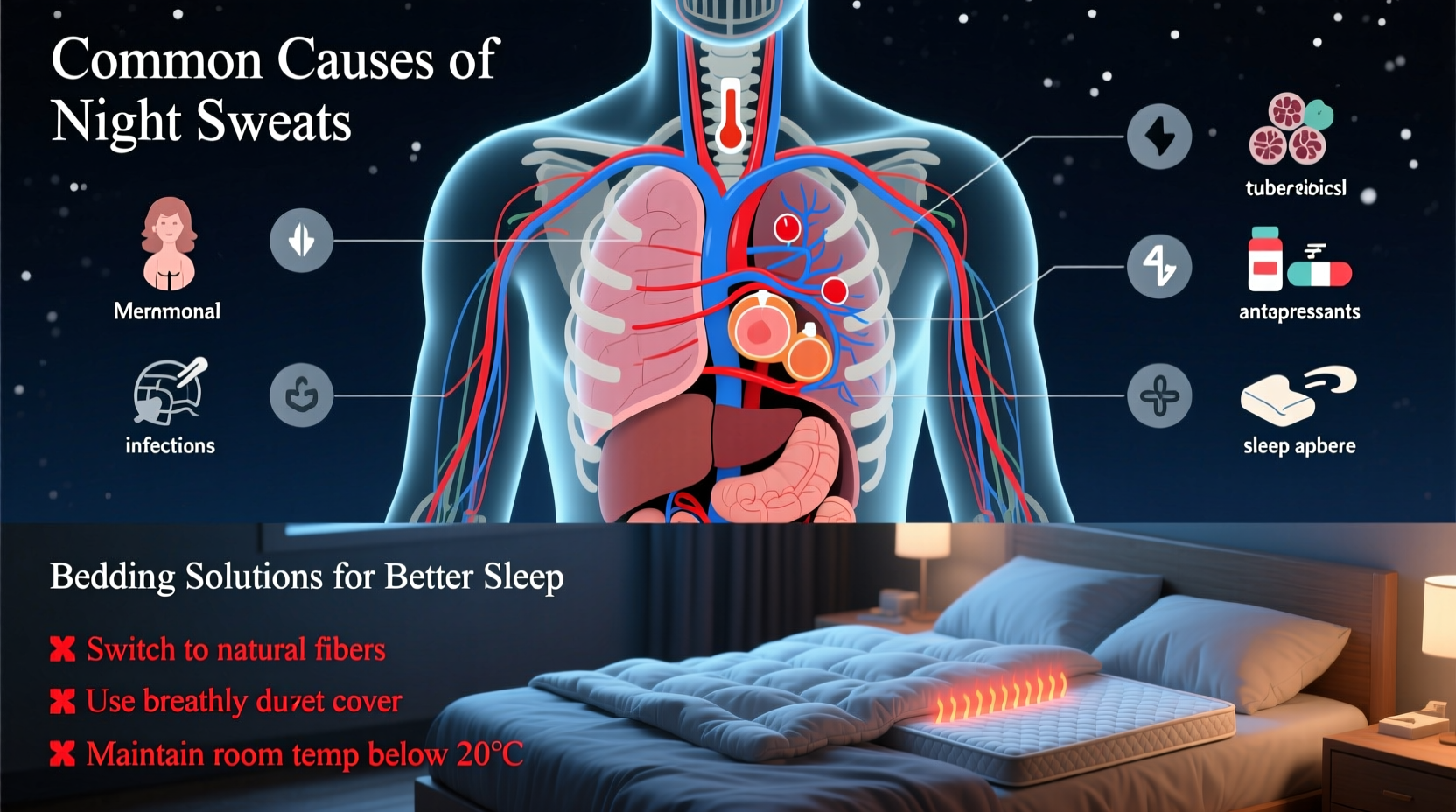
Night sweats go beyond simply feeling warm in bed. They refer to excessive perspiration during sleep that soaks through clothing and bedding—even when the room temperature is cool. Unlike normal sweating caused by overheating, true night sweats are often linked to physiological processes and can occur regardless of ambient temperature.
According to the Mayo Clinic, night sweats are considered a “common symptom with many possible causes,” and they affect people across age groups and genders. Occasional episodes may not require intervention, but if you're regularly waking up soaked, it's worth investigating both health-related triggers and environmental factors.
Common Medical Causes of Night Sweats
While lifestyle and environment play major roles, several medical conditions are known contributors to night sweats. It's important to distinguish between primary (environmental) and secondary (medical) causes.
- Hormonal imbalances: Menopause and andropause (male menopause) frequently cause hot flashes and night sweats due to fluctuating estrogen and testosterone levels.
- Infections: Tuberculosis, HIV, endocarditis, and other chronic infections can trigger night sweats as part of the body’s immune response.
- Diabetes: Nocturnal hypoglycemia (low blood sugar at night) can lead to sweating, shaking, and confusion upon waking.
- Cancer: Lymphoma and leukemia are sometimes first detected due to persistent night sweats, often accompanied by unexplained weight loss and fatigue.
- Anxiety and depression: Mental health disorders can dysregulate the autonomic nervous system, increasing nighttime perspiration.
- Medications: Antidepressants (especially SSRIs), steroids, hormone therapies, and some diabetes drugs list night sweats as a side effect.
“Night sweats should never be dismissed outright. In clinical practice, they’re a valuable diagnostic clue—sometimes pointing to treatable conditions.” — Dr. Lena Patel, Internal Medicine Specialist
When to See a Doctor
Seek medical evaluation if night sweats are:
- Drenching and recurrent (more than twice a week)
- Accompanied by fever, unexplained weight loss, or fatigue
- Affecting daily functioning or causing insomnia
- Beginning suddenly without changes in environment or routine
Environmental & Lifestyle Triggers
Before assuming a medical issue, consider everyday factors that contribute to overheating during sleep. Many cases of night sweats stem from preventable causes tied to sleep hygiene and bedroom setup.
Overheated Sleep Environment
The ideal bedroom temperature for most adults is between 60–67°F (15–19°C). Higher temperatures disrupt the natural drop in core body temperature needed for deep sleep, triggering sweat production.
Poor Bedding Choices
Materials matter. Synthetic fabrics like polyester retain heat and trap moisture, creating a humid microclimate around the body. Similarly, high tog-rated duvets and non-breathable mattress protectors can turn your bed into a sauna.
Diet and Evening Habits
Consuming alcohol, spicy foods, or large meals within three hours of bedtime can elevate metabolism and body temperature. Caffeine and nicotine are stimulants that increase heart rate and may provoke sweating.
Bedding Fixes That Actually Work
Optimizing your sleep environment is one of the fastest ways to reduce or eliminate night sweats. The right combination of breathable materials and smart layering can keep you dry and comfortable all night.
Choose Breathable Bedding Materials
Natural fibers allow air circulation and wick moisture away from the skin. Prioritize these materials:
- Cotton (especially percale or sateen): Lightweight, soft, and highly breathable.
- Linen: Excellent moisture-wicking and cooling properties; becomes softer over time.
- TENCEL™ (Lyocell): Made from eucalyptus, this fabric absorbs moisture better than cotton and resists bacteria.
- Bamboo: Naturally antimicrobial and thermoregulating, though quality varies by brand.
Avoid blends with more than 20% synthetic fiber (e.g., polyester), as they trap heat and reduce airflow.
Select the Right Duvet or Comforter
Ditch heavy down comforters in favor of lightweight, seasonally adjustable options:
- Use a low tog (1.5–4.5) duvet for summer or year-round use.
- Consider a layered approach: a light blanket under a thin duvet allows easy adjustment.
- Look for “cooling” or “all-season” labeled products filled with silk, microfiber, or hollow-fiber polyester designed for breathability.
Upgrade Your Mattress and Pads
Some mattresses, especially memory foam, retain body heat. If you're prone to sweating, consider:
- Mattresses with gel infusions, copper, or graphite layers for heat dispersion.
- Hybrid models with coil support systems that promote airflow.
- Cooling mattress pads or toppers made with phase-change materials (PCMs) that absorb excess heat.
| Bedding Item | Recommended Choice | Avoid |
|---|---|---|
| Sheets | 100% cotton percale, TENCEL™, linen | Polyester blends, satin finishes |
| Duvet | Low tog (2.5–4.5), down alternative | High tog (>10), feather/down in warm climates |
| Pillow | Gel-infused memory foam, buckwheat, latex | Solid memory foam, polyester fill |
| Protector | Breathable bamboo or cotton-based | Plastic-backed or vinyl covers |
Step-by-Step Guide to Eliminate Night Sweats
Follow this practical plan over 7–14 days to identify and resolve your night sweat triggers:
- Assess your bedroom climate: Use a digital thermometer to monitor room temperature at night. Adjust thermostat or use fans to maintain 60–67°F.
- Switch to cooling bedding: Replace synthetic sheets and heavy duvets with breathable, natural-fiber alternatives.
- Wear appropriate sleepwear: Choose loose, moisture-wicking pajamas made from cotton, bamboo, or TENCEL™.
- Adjust evening habits: Stop eating large meals, drinking alcohol, or consuming caffeine at least 3 hours before bed.
- Introduce airflow: Open windows (if safe), use a ceiling fan, or place a box fan near the bed.
- Track symptoms: Note any changes in sweating frequency, associated symptoms, or sleep quality.
- Consult a professional: If no improvement after two weeks, schedule an appointment with your doctor to rule out medical causes.
Real-Life Example: Sarah’s Turnaround
Sarah, a 48-year-old teacher, began experiencing severe night sweats six months before her official menopause diagnosis. She’d wake up multiple times each night, changing damp pajamas and repositioning pillows. Initially, she blamed stress. After reading about hormonal changes, she visited her GP, who confirmed perimenopause.
Rather than starting hormone therapy immediately, Sarah focused on environmental fixes. She replaced her flannel sheets with linen, bought a 3.5 tog duvet, and added a quiet tower fan to her bedroom. She also stopped drinking wine before bed and started wearing lightweight cotton nightgowns.
Within three weeks, her night sweats decreased by 70%. Her doctor later prescribed low-dose bioidentical hormones for residual symptoms, but Sarah credits the bedding changes with restoring her sleep quality and reducing anxiety about nighttime disruptions.
Frequently Asked Questions
Can anxiety really cause night sweats?
Yes. Anxiety activates the sympathetic nervous system, which controls sweat glands. Chronic stress or nighttime panic attacks can lead to nocturnal sweating even in cool environments. Managing stress through mindfulness, therapy, or breathing exercises often reduces episodes.
Are night sweats during pregnancy normal?
Very common. Hormonal surges, increased blood volume, and metabolic changes raise body temperature. Most pregnant women experience some degree of night sweating, especially in the second and third trimesters. Staying hydrated and using breathable bedding helps manage discomfort.
Do cooling pillows really work?
They can. Gel-infused, water-cooled, or ventilated pillows draw heat away from the head and neck—the areas most sensitive to temperature changes. While not a cure-all, they provide noticeable relief when combined with other cooling strategies.
Checklist: How to Fix Night Sweats Tonight
Use this quick checklist to start improving your sleep environment immediately:
- ☐ Lower bedroom temperature to 65°F (18°C)
- ☐ Remove heavy blankets or switch to a low tog duvet
- ☐ Replace synthetic sheets with cotton, linen, or TENCEL™
- ☐ Wear loose, breathable sleepwear
- ☐ Place a fan near the bed (pointed at feet or wall for indirect cooling)
- ☐ Avoid alcohol, spicy food, and caffeine after 6 PM
- ☐ Strip the bed and wash all bedding in hot water to remove moisture-trapping residues
Conclusion: Take Control of Your Sleep Climate
Waking up sweating doesn’t have to be your new normal. Whether the cause is hormonal, medical, or environmental, solutions exist. Start by optimizing your sleep space with breathable, natural materials and smart temperature control. Track your progress, listen to your body, and don’t hesitate to seek medical advice when needed. With the right approach, restful, dry nights are entirely achievable.




 浙公网安备
33010002000092号
浙公网安备
33010002000092号 浙B2-20120091-4
Comments
No comments yet. Why don't you start the discussion?