
You go to bed at a reasonable hour. You sleep for a full eight hours. Yet when your alarm rings, you feel as if you’ve barely rested—dragging yourself out of bed, craving coffee, and struggling to focus. If this sounds familiar, you’re not alone. Millions of people report waking up exhausted despite logging what should be enough sleep. The truth is, quantity doesn’t always equal quality. While eight hours is often cited as the gold standard, how well you sleep matters far more than the number on the clock.
Waking up fatigued can stem from a range of physical, psychological, and environmental factors. From undiagnosed sleep disorders to poor sleep hygiene and chronic stress, multiple influences may disrupt your body’s ability to enter restorative sleep cycles. Understanding these underlying causes is the first step toward reclaiming energy, improving concentration, and enhancing overall well-being.
The Myth of the Eight-Hour Rule
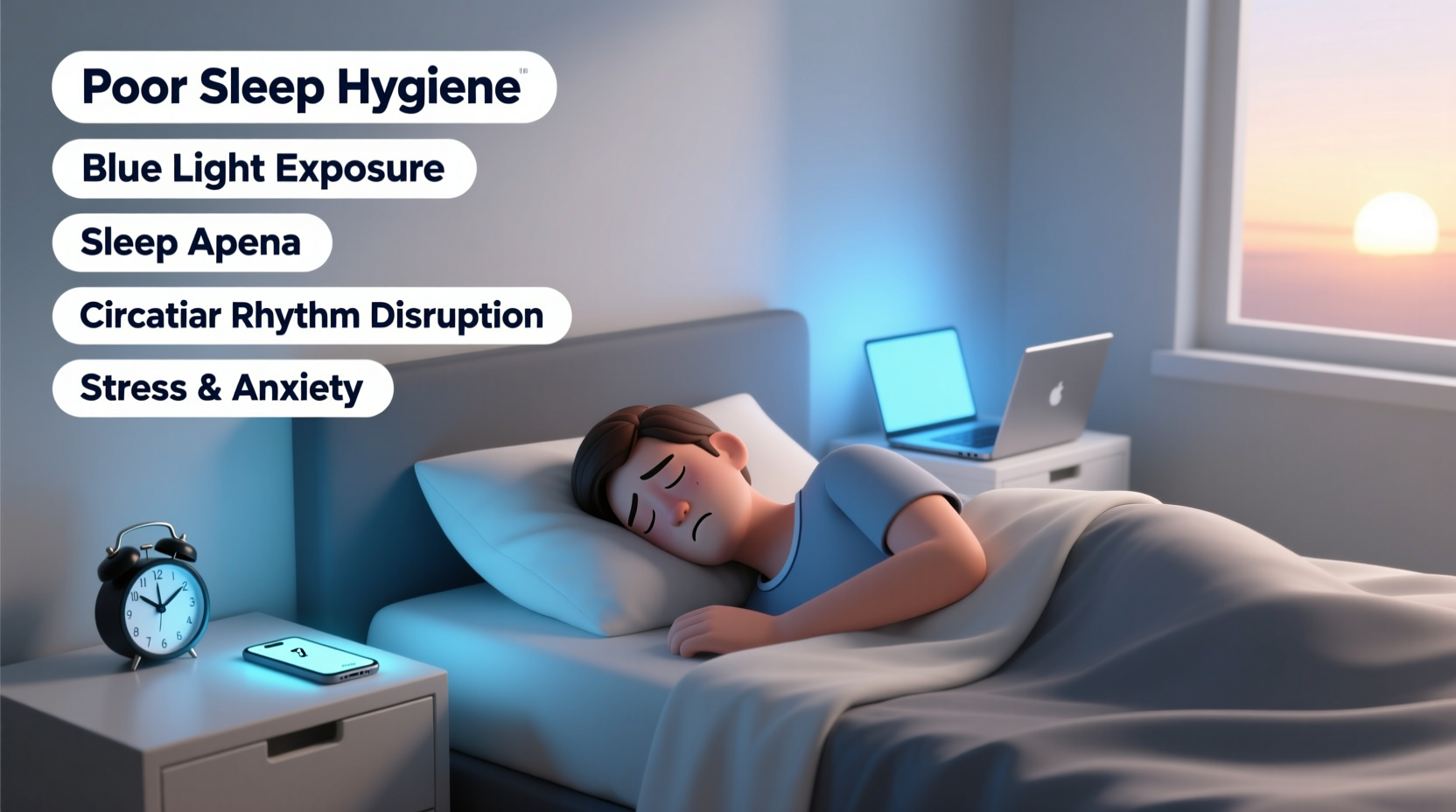
The idea that everyone needs exactly eight hours of sleep is an oversimplification. Sleep requirements vary by age, genetics, activity level, and health status. More importantly, uninterrupted time in bed does not guarantee deep, restful sleep. Your body cycles through different stages: light sleep, deep sleep (slow-wave), and REM (rapid eye movement). Deep sleep and REM are critical for physical recovery, memory consolidation, and emotional regulation.
If your sleep is frequently interrupted—even briefly—you may spend less time in these vital stages. As a result, you might technically sleep eight hours but still wake up feeling unrested. Think of it like driving across the country with constant stops; you cover the distance, but the journey feels exhausting.
Common Causes of Morning Fatigue
Sleep Apnea and Breathing Disruptions
Obstructive sleep apnea (OSA) is one of the most underdiagnosed conditions linked to unexplained daytime fatigue. It occurs when throat muscles relax during sleep, temporarily blocking the airway. This causes breathing to stop and start repeatedly—sometimes hundreds of times per night. Each interruption may only last seconds, but they pull you out of deep sleep without full awakening.
Symptoms include loud snoring, gasping during sleep, dry mouth upon waking, and excessive daytime drowsiness. Many people with OSA don’t realize they have it until a partner notices their breathing issues. Left untreated, sleep apnea increases the risk of hypertension, heart disease, and stroke.
“Patients often come in complaining of fatigue, assuming they just need more sleep. But when we run a sleep study, we discover severe apnea disrupting their rest every few minutes.” — Dr. Alan Reyes, Board-Certified Sleep Specialist
Poor Sleep Hygiene
Your bedtime habits significantly influence sleep quality. Poor sleep hygiene includes behaviors like using screens before bed, consuming caffeine late in the day, irregular sleep schedules, or sleeping in environments that are too bright, noisy, or warm.
Blue light from phones and tablets suppresses melatonin, the hormone that signals sleep onset. Eating heavy meals or exercising too close to bedtime can also delay the transition into deep sleep. Even small disruptions accumulate over time, fragmenting your rest and reducing its restorative value.
Stress, Anxiety, and Hyperarousal
Mental health plays a crucial role in sleep quality. Chronic stress activates the sympathetic nervous system, keeping your brain in a state of hyperarousal. Even when you’re physically lying still, your mind may be racing with worries, replaying past events, or anticipating future challenges.
This mental activity prevents you from entering deeper sleep stages. Over time, elevated cortisol levels interfere with circadian rhythm regulation, making it harder to fall asleep and stay asleep. People with anxiety disorders often experience non-restorative sleep—they sleep, but never feel restored.
Medical Conditions and Medications
Certain health issues contribute directly to morning fatigue. These include:
- Anemia: Low iron reduces oxygen delivery to tissues, causing persistent tiredness.
- Thyroid disorders: Hypothyroidism slows metabolism and induces fatigue.
- Diabetes: Fluctuating blood sugar levels can disrupt sleep and energy.
- Chronic pain: Conditions like arthritis or fibromyalgia cause frequent awakenings.
- Gastroesophageal reflux (GERD): Lying down worsens acid reflux, leading to nighttime discomfort.
In addition, some medications—including antihistamines, antidepressants, beta-blockers, and corticosteroids—can interfere with sleep architecture or cause grogginess upon waking.
Circadian Rhythm Misalignment
Your internal body clock, or circadian rhythm, regulates when you feel alert and sleepy. When this rhythm is out of sync—due to shift work, jet lag, or delayed sleep phase disorder—you may sleep for eight hours but at biologically inappropriate times.
For example, someone who naturally stays up late and wakes late may force themselves to sleep early and rise early for work. Though they get sufficient sleep duration, it doesn’t align with their peak melatonin production, resulting in shallow, fragmented rest.
Do’s and Don’ts: Sleep Optimization Checklist
| Do’s | Don’ts |
|---|---|
| Go to bed and wake up at the same time daily (even weekends) | Use your phone or laptop in bed |
| Create a pre-sleep routine (e.g., reading, light stretching) | Consume caffeine after 2 PM |
| Keep your bedroom cool, dark, and quiet | Eat large meals within 2–3 hours of bedtime |
| Exercise regularly—but finish intense workouts 3+ hours before bed | Use alcohol to fall asleep (it fragments later sleep stages) |
| Expose yourself to natural light in the morning | Check the clock repeatedly during the night |
Real-Life Example: Sarah’s Struggle with Unrefreshing Sleep
Sarah, a 34-year-old project manager, consistently slept seven to eight hours each night. Despite this, she woke up feeling drained, relied on three cups of coffee to function, and experienced afternoon crashes. She assumed her fatigue was due to work stress and skipped lunch breaks.
After months of low energy affecting her performance, she consulted a sleep clinic. A home sleep test revealed moderate obstructive sleep apnea. Her breathing was interrupted an average of 18 times per hour, preventing sustained deep sleep. With treatment—a CPAP (continuous positive airway pressure) machine—Sarah began waking up alert within two weeks. “I didn’t realize how foggy my brain was until I felt clear again,” she said. “It wasn’t laziness—it was my sleep being sabotaged.”
Sarah’s case illustrates how invisible disruptions can undermine even seemingly adequate sleep. Without proper diagnosis, people often blame themselves or attribute fatigue to aging or busyness.
Step-by-Step Guide to Diagnosing and Improving Sleep Quality
If you're waking up tired despite sufficient time in bed, follow this structured approach to identify and address root causes:
- Track your sleep patterns for one week. Note bedtime, wake time, perceived sleep quality, and morning energy levels. Use a journal or app to detect inconsistencies.
- Assess lifestyle factors. Evaluate caffeine intake, screen use, exercise timing, and stress levels. Eliminate obvious disruptors like late-night eating or alcohol.
- Optimize your sleep environment. Ensure your room is dark, cool (~65°F), and free from noise. Consider blackout curtains, white noise machines, or earplugs.
- Rule out medical causes. Visit your doctor to check for anemia, thyroid dysfunction, diabetes, or other conditions. Mention symptoms like snoring or morning headaches.
- Consider a sleep study. If fatigue persists and you suspect apnea or another disorder, ask for a referral to a sleep specialist. Home or lab-based polysomnography can reveal hidden disruptions.
- Implement cognitive behavioral therapy for insomnia (CBT-I). For stress-related sleep issues, CBT-I is highly effective and recommended as a first-line treatment by the American Academy of Sleep Medicine.
- Adjust gradually and monitor progress. Small, consistent changes yield better long-term results than drastic overhauls.
Frequently Asked Questions
Can dehydration cause morning fatigue?
Yes. Mild dehydration overnight—especially if you breathe through your mouth or live in a dry climate—can lead to dry mouth, headaches, and sluggishness upon waking. Drink water before bed and consider a humidifier to maintain moisture levels.
Is it normal to feel groggy for 30 minutes after waking?
Short-term grogginess, known as sleep inertia, is common and usually resolves within 15–30 minutes. However, prolonged fogginess lasting hours may indicate poor sleep quality, apnea, or circadian misalignment.
Does sleeping too much make me more tired?
Yes. Oversleeping (more than 9–10 hours regularly) can disrupt circadian rhythms and lead to hypersomnia, a condition marked by excessive sleep and persistent fatigue. Consistency in sleep duration is key.
Conclusion: Take Control of Your Energy
Waking up tired after eight hours isn't something you should accept as normal. It's a signal from your body that something is off—whether it’s your sleep quality, health status, or daily habits. By investigating potential causes like sleep apnea, stress, or poor routines, you can take meaningful steps toward more restorative rest.
Start with small, sustainable changes: dim the lights an hour before bed, cut back on afternoon caffeine, and create a calming wind-down ritual. If fatigue persists, seek professional evaluation. Sleep is not a luxury—it’s a biological necessity. Prioritizing it transforms not just how you feel in the morning, but how you live every hour of the day.




 浙公网安备
33010002000092号
浙公网安备
33010002000092号 浙B2-20120091-4
Comments
No comments yet. Why don't you start the discussion?