
Waking up with a headache can disrupt your entire day before it even begins. Unlike headaches triggered by stress or screen time later in the day, morning headaches often stem from factors that occur during sleep—many of which go unnoticed. Among the most common yet overlooked causes are dehydration and poor sleeping posture. These silent contributors don’t always announce themselves until you open your eyes to pressure behind the forehead, a dull ache at the base of the skull, or tightness across the temples.
Understanding the root causes is the first step toward relief. While medical conditions like sleep apnea or migraines should be ruled out by a professional, everyday habits—particularly hydration levels and spinal alignment during rest—play a major role. This article explores how insufficient water intake and misaligned neck positioning can lead to morning headaches, backed by expert insights, real-life examples, and practical solutions.
The Role of Dehydration in Morning Headaches
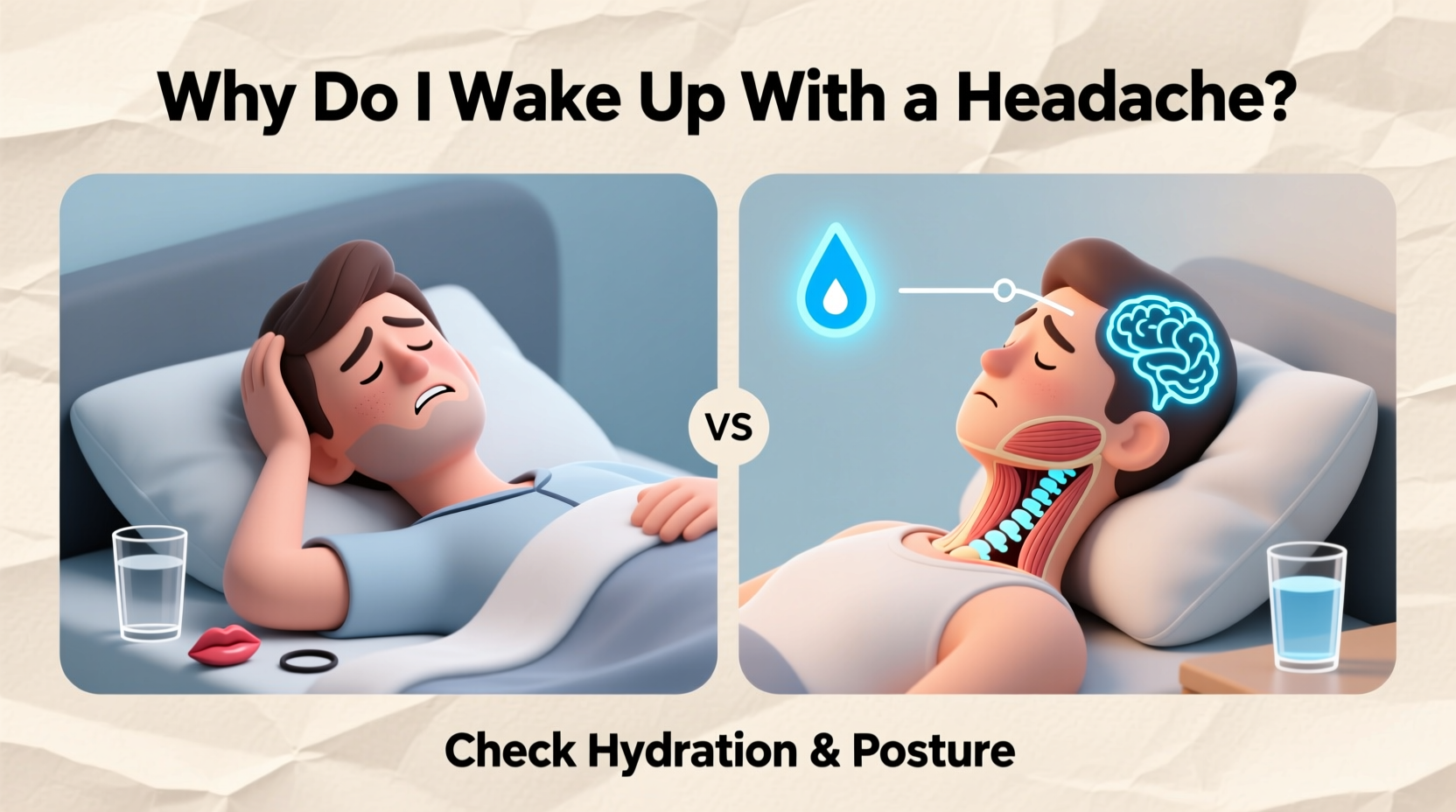
Your body loses moisture throughout the night through respiration and minor perspiration, even if you don’t feel sweaty. Without adequate fluid intake before bed—or due to excessive alcohol or caffeine consumption—your system may enter a state of mild dehydration by morning. When this happens, brain tissues temporarily contract from fluid loss, pulling away from the skull and triggering pain signals.
Dehydration-related headaches are often described as a generalized throbbing sensation, typically worse upon standing or moving quickly after waking. They tend to improve within 30 to 60 minutes of drinking water, which supports the diagnosis.
How Much Water Is Enough?
The National Academies of Sciences, Engineering, and Medicine recommend about 3.7 liters (125 ounces) of total water per day for men and 2.7 liters (91 ounces) for women, including fluids from all beverages and foods. However, individual needs vary based on climate, activity level, and diet.
It’s not just about total daily intake—it’s also about timing. Consuming most of your fluids late in the evening can cause nighttime bathroom trips, disrupting sleep continuity, while drinking too little in the afternoon sets the stage for overnight dehydration.
“Even mild dehydration—just 1–2% loss of body weight in fluids—can impair cognitive function and trigger headaches,” says Dr. Lena Patel, neurologist at the Sleep Wellness Institute. “People underestimate how much they lose through breathing alone while asleep.”
Posture During Sleep: A Hidden Culprit
Your sleeping position and pillow support directly influence spinal alignment, especially in the cervical (neck) region. Poor posture doesn’t just cause back stiffness—it can compress nerves, strain muscles, and restrict blood flow to the brain, all of which contribute to morning headaches.
The ideal sleeping posture maintains a neutral spine, where your head is neither tilted upward nor buried into the mattress. Unfortunately, many people use pillows that are too high, too flat, or made from unsupportive materials, leading to chronic strain.
Common Postural Problems and Their Effects
- Stomach sleeping: Often forces the neck into extreme rotation or extension, increasing tension in the suboccipital muscles at the base of the skull.
- Pillow too high: Causes forward head posture, similar to “text neck,” straining upper trapezius and levator scapulae muscles.
- No pillow (or overly flat): Can lead to hyperextension in back sleepers, creating pressure along the cervical vertebrae.
- Side sleeping with misalignment: If the head drops below shoulder level, it stretches neck ligaments and compresses nerves.
Connecting the Dots: How Hydration and Posture Interact
Hydration and posture don’t operate in isolation. In fact, they interact in ways that amplify their impact on headache development. For example, dehydrated tissues are less elastic and more prone to irritation under mechanical stress. So, if you're already sleeping with suboptimal neck alignment, dehydration makes the surrounding muscles and connective tissues more sensitive to strain.
Likewise, poor posture can restrict venous drainage from the brain. When combined with reduced cerebral perfusion due to low blood volume from dehydration, this creates a double-hit scenario for headache onset.
Consider this: during sleep, your body naturally lowers blood pressure. If you’re dehydrated, blood volume is reduced further. Add in a kinked neck position that impedes circulation, and you have a perfect storm for vascular-type morning headaches.
Mini Case Study: Sarah’s Transformation
Sarah, a 38-year-old graphic designer, had been waking up with dull, persistent headaches three to four times a week for over six months. She initially assumed it was stress-related, but lifestyle adjustments didn’t help. After tracking her habits, she noticed two patterns: she rarely drank water after 6 PM (to avoid nighttime urination), and she used an old feather pillow that flattened significantly by midnight.
Under guidance from a physical therapist, Sarah began hydrating more consistently throughout the day—finishing her last large drink by 8 PM—and switched to a contoured memory foam pillow. Within two weeks, her morning headaches decreased to once every 10 days. By the third week, they were gone entirely. A follow-up assessment confirmed improved cervical alignment and better overnight hydration markers.
Action Plan: Daily and Nightly Habits to Prevent Morning Headaches
Preventing morning headaches isn’t about one big change—it’s about consistent, small adjustments that align your physiology with restorative sleep. Below is a step-by-step guide to integrate hydration and posture checks into your routine.
Step-by-Step Guide to Optimize Hydration & Posture
- Track your daytime fluid intake: Use a marked water bottle or app to ensure you meet your baseline hydration goal before evening.
- Limit diuretics after noon: Reduce caffeine and alcohol, both of which increase fluid loss and disrupt sleep quality.
- Drink a glass of water before bed: Aim for 8–12 ounces, unless contraindicated by medical conditions like heart failure.
- Assess your pillow height and firmness: Lie down and check whether your head stays in line with your spine. Adjust or replace as needed.
- Try a supportive sleep position: Back or side sleeping is generally best. Avoid stomach sleeping if possible.
- Incorporate evening neck stretches: Gentle chin tucks and lateral flexions can release muscle tension built up during the day.
- Set a hydration alarm: Program a reminder for mid-afternoon to boost intake before tapering off.
Checklist: Your Morning Headache Prevention Routine
- ☑ Drink water within 10 minutes of waking
- ☑ Evaluate pillow support monthly
- ☑ Keep a hydration log for 3 days to identify gaps
- ☑ Perform 5 minutes of neck mobility exercises before bed
- ☑ Avoid screens in bed (reduces motivation to get up for water)
- ☑ Replace pillows every 1–2 years or when they lose shape
Do’s and Don’ts: Quick Reference Table
| Category | Do’s | Don’ts |
|---|---|---|
| Hydration | Spread water intake evenly; include hydrating foods (cucumber, watermelon) | Avoid chugging large amounts right before bed |
| Pillows | Use adjustable or contour pillows for neck support | Stack multiple pillows to prop up your head |
| Sleep Position | Sleep on back with slight knee elevation or side with arm positioned comfortably | Twist neck sharply to hold phone or read in bed |
| Diet & Lifestyle | Limit alcohol; consume electrolyte-rich drinks if sweating heavily | Consume salty snacks late at night without extra water |
Frequently Asked Questions
Can dehydration cause headaches even if I don’t feel thirsty?
Yes. Thirst is a late indicator of dehydration. By the time you feel thirsty, your body may already be mildly dehydrated—especially after several hours without fluid during sleep. Morning headaches can be one of the earliest signs, even in the absence of dry mouth or fatigue.
What type of pillow is best for preventing headaches?
The best pillow depends on your sleep position. Side sleepers benefit from higher, firmer pillows (like memory foam or latex), while back sleepers do well with medium-loft pillows that support the natural curve of the neck. Look for ergonomic designs with cervical support. Adjustable pillows allow customization over time.
How long does it take to see improvement after changing hydration or posture habits?
Many people report noticeable reduction in morning headaches within 5 to 10 days of consistent changes. Full resolution may take 2–4 weeks, especially if muscle imbalances or chronic dehydration were present. Track symptoms in a journal to monitor progress objectively.
When to Seek Medical Advice
While hydration and posture account for many cases of recurrent morning headaches, some symptoms warrant medical evaluation. Consult a healthcare provider if you experience any of the following:
- Severe, sudden-onset headaches (“thunderclap” headaches)
- Headaches accompanied by vision changes, weakness, or confusion
- Frequent snoring, gasping, or witnessed pauses in breathing during sleep (signs of sleep apnea)
- Headaches that persist despite correcting hydration and posture
Conditions such as obstructive sleep apnea, intracranial pressure disorders, or nocturnal hypertension can mimic or exacerbate posture- and dehydration-related pain. A physician may recommend a sleep study, imaging, or blood tests to rule out underlying issues.
“Not every morning headache is benign. But in otherwise healthy individuals, simple interventions like proper hydration and cervical alignment resolve the issue in the majority of cases.” — Dr. Rajiv Mehta, Sleep Medicine Specialist, Cleveland Clinic
Conclusion: Take Control of Your Mornings
Waking up with a headache doesn’t have to be your normal. The connection between hydration and posture is powerful, and often overlooked. By paying attention to how much water you drink—and when—and ensuring your spine stays properly aligned through the night, you can eliminate a major source of preventable pain.
Start tonight. Refill your water bottle after dinner, assess your pillow’s support, and commit to one small change. Over time, these habits compound into deeper, more restorative sleep and clearer, pain-free mornings. Your brain—and your day—will thank you.




 浙公网安备
33010002000092号
浙公网安备
33010002000092号 浙B2-20120091-4
Comments
No comments yet. Why don't you start the discussion?