
Morning headaches disrupt the start of your day before it even begins. Unlike headaches that develop later, waking up with head pain often signals an underlying issue related to your sleep, environment, or health. While occasional morning discomfort may not be alarming, frequent episodes deserve attention. Understanding why this happens—and what you can do about it—can transform how you feel each morning.
These headaches aren’t just inconvenient; they can impact concentration, mood, and productivity throughout the day. The good news is that many causes are manageable with lifestyle changes, improved sleep hygiene, and targeted morning habits. This guide explores the most common reasons behind morning headaches and provides practical strategies to help you greet the day with clarity instead of pain.
Common Causes of Morning Headaches
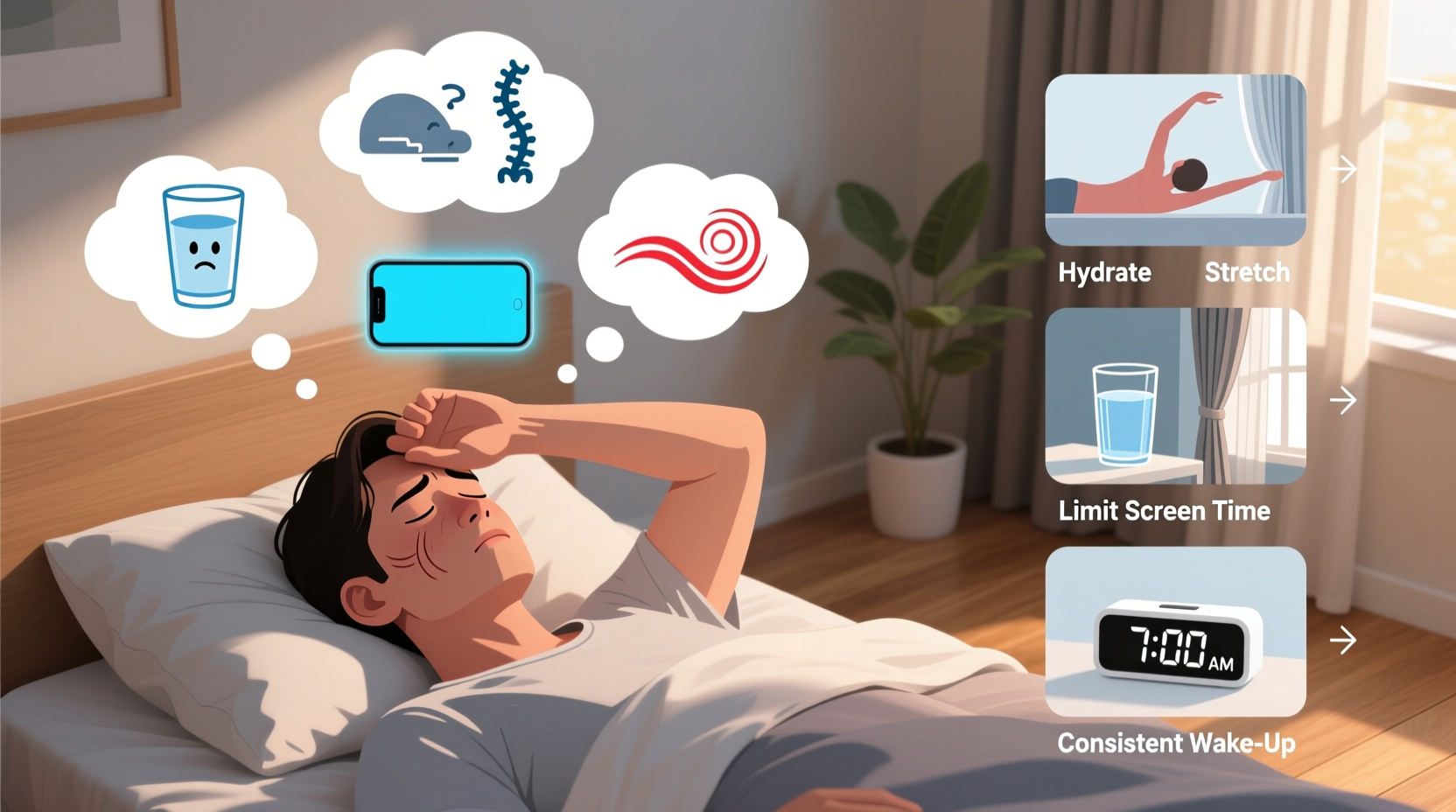
Morning headaches stem from a variety of physiological and environmental factors. Identifying the root cause is essential for effective relief and long-term prevention.
Sleep Apnea and Breathing Disruptions
Obstructive sleep apnea (OSA) is one of the leading medical causes of morning headaches. During sleep, the airway becomes partially or fully blocked, causing brief breathing interruptions. These episodes reduce oxygen levels in the blood and increase carbon dioxide, triggering blood vessel dilation in the brain—a known headache trigger.
People with sleep apnea often snore loudly, gasp during sleep, or experience daytime fatigue despite a full night’s rest. The resulting headache is typically dull, bilateral, and resolves within a few hours of waking. However, untreated sleep apnea increases the risk of hypertension, stroke, and heart disease.
Bruxism (Teeth Grinding)
Many people grind their teeth or clench their jaw during sleep without realizing it. This condition, called bruxism, places constant strain on the muscles of the jaw, face, and scalp. Over time, this tension can lead to chronic tension-type headaches upon waking.
Signs include worn-down tooth enamel, jaw soreness, earache-like pain, and increased sensitivity to hot or cold foods. Stress and anxiety are common contributors, but misaligned teeth or an abnormal bite can also play a role.
Dehydration
Going to bed even mildly dehydrated can result in a headache by morning. Overnight, your body continues to lose fluids through respiration and minimal perspiration. Without adequate hydration, blood volume drops slightly, reducing oxygen flow to the brain.
This type of headache often feels like a tight band around the forehead and improves quickly with water intake. Alcohol consumption before bed significantly increases the risk due to its diuretic effect.
Poor Sleep Posture and Pillow Issues
Your sleeping position influences spinal alignment and neck muscle tension. Using a pillow that’s too high, too flat, or made of unsupportive material can strain the cervical spine. This mechanical stress radiates into the base of the skull and up into the head, producing cervicogenic headaches.
Stomach sleepers are especially prone, as this position often requires turning the head sharply to one side for extended periods. Side and back sleepers benefit more from neutral alignment but still need proper support.
Medication Overuse and Rebound Headaches
Frequent use of pain relievers—even over-the-counter options like ibuprofen or acetaminophen—can lead to medication-overuse headaches (MOH). When taken more than two or three days per week, these medications alter pain pathways in the brain, causing headaches to return as the drug wears off—often overnight.
These rebound headaches tend to be daily or near-daily and worsen in the morning. They may improve temporarily after taking another dose, creating a harmful cycle.
“Morning headaches should never be dismissed as normal. They’re often the body’s way of signaling disrupted sleep, poor oxygenation, or neuromuscular strain.” — Dr. Lena Patel, Neurologist and Sleep Specialist
Lifestyle and Environmental Triggers
Beyond clinical conditions, everyday habits and surroundings contribute to morning head pain.
- Irregular sleep schedule: Going to bed and waking up at different times confuses your circadian rhythm, increasing headache susceptibility.
- Alcohol and caffeine: Both substances affect sleep architecture. Alcohol suppresses REM sleep early in the night and causes rebound arousal later, while caffeine has a half-life of up to 7 hours and can fragment sleep if consumed late.
- Room environment: Dry air, allergens, strong scents, or excessive noise can interfere with restful sleep and trigger headaches in sensitive individuals.
- Screen exposure before bed: Blue light from phones and tablets suppresses melatonin, delaying sleep onset and reducing sleep quality.
Effective Morning Routines to Prevent Headaches
What you do—or don’t do—in the morning sets the tone for your physical state. A thoughtful routine can ease existing symptoms and prevent future episodes.
Step-by-Step: Anti-Headache Morning Protocol
- Hydrate immediately: Drink a glass of room-temperature water upon waking. Add a pinch of sea salt and lemon for electrolyte balance if needed.
- Stretch gently: Perform neck rolls, shoulder shrugs, and chin tucks to release muscle tension built up overnight.
- Avoid sudden movements: Sit up slowly instead of jumping out of bed. Rapid positional changes can worsen vascular headaches.
- Get natural light: Open curtains or step outside for 5–10 minutes. Sunlight helps regulate melatonin and cortisol rhythms.
- Delay caffeine: Wait at least 60–90 minutes after waking to consume coffee. This prevents dependency and reduces the risk of rebound headaches.
- Eat a balanced breakfast: Include protein, healthy fats, and complex carbs to stabilize blood sugar, which can influence headache frequency.
Checklist: Optimize Your Sleep Environment
Use this checklist nightly to reduce the risk of waking with a headache:
- ✅ Maintain a consistent bedtime and wake-up time, even on weekends
- ✅ Use a supportive pillow tailored to your sleep position
- ✅ Keep bedroom temperature between 60–67°F (15–19°C)
- ✅ Eliminate screen use at least one hour before bed
- ✅ Avoid alcohol and heavy meals within three hours of sleep
- ✅ Use a humidifier if indoor air is dry
- ✅ Install blackout curtains or use a sleep mask
- ✅ Consider a white noise machine if external noise is disruptive
- ✅ Practice relaxation techniques like deep breathing or progressive muscle relaxation
- ✅ Consult a dentist if you suspect teeth grinding
When to See a Doctor
While most morning headaches are benign and lifestyle-related, some signs indicate the need for medical evaluation:
- Headaches occurring more than twice a week
- Increasing severity or duration over time
- Neurological symptoms like vision changes, weakness, confusion, or speech difficulties
- Vomiting without nausea
- New-onset headaches after age 50
- Headaches that don’t respond to hydration or rest
If sleep apnea is suspected, a polysomnography (sleep study) can confirm the diagnosis. For bruxism, a custom-fitted night guard from a dentist can protect teeth and reduce muscle strain. In cases of medication overuse, a doctor can help taper usage safely.
Real-Life Example: Sarah’s Turnaround
Sarah, a 38-year-old project manager, had been waking up with a dull ache across her forehead nearly every day for six months. She assumed it was stress-related and relied on morning ibuprofen. But when the headaches began lasting into the afternoon, she consulted a neurologist.
After tracking her sleep and habits, her doctor suspected sleep apnea. A home sleep test confirmed moderate OSA. Sarah started using a CPAP machine and noticed improvement within two weeks. She also replaced her old feather pillow with a contoured memory foam one and began drinking water before bed. Within a month, her morning headaches disappeared completely.
“I didn’t realize how much my sleep quality was affecting my head,” she said. “Fixing one thing—like the CPAP—had a ripple effect on everything else.”
Comparison Table: Common Morning Headache Types
| Type | Symptoms | Triggers | Relief Strategies |
|---|---|---|---|
| Tension-Type | Dull, band-like pressure; both sides of head | Bruxism, poor posture, stress | Warm compress, massage, night guard, posture correction |
| Sleep Apnea-Related | Generalized ache, worse in morning, improves with activity | Snoring, obesity, airway obstruction | CPAP therapy, weight management, side sleeping |
| Dehydration Headache | Throbbing, improves with fluids | Inadequate water intake, alcohol, dry air | Drink water, use humidifier, avoid alcohol before bed |
| Medication-Overuse | Daily or near-daily, worsens overnight | Regular use of painkillers (>2–3 days/week) | Gradual withdrawal under medical supervision |
| Cervicogenic | Pain starting at base of skull, radiating upward | Poor pillow, awkward sleep position | Neck stretches, ergonomic pillow, chiropractic care |
FAQ: Frequently Asked Questions
Can my pillow really cause morning headaches?
Yes. A pillow that doesn’t support the natural curve of your neck can misalign your spine during sleep, straining muscles and nerves. This often leads to cervicogenic headaches. Choose a pillow based on your sleep position—firmer for side sleepers, medium for back sleepers, and very low-profile for stomach sleepers.
Is it normal to have a headache every morning?
No. Waking up with a headache regularly is not normal and should be evaluated. While occasional headaches can happen due to dehydration or poor sleep, daily or frequent morning headaches may point to sleep apnea, bruxism, or medication overuse—all of which require intervention.
How long after waking does a sleep apnea headache usually go away?
Typically within 30 minutes to four hours after waking. As breathing stabilizes and oxygen levels normalize during wakefulness, the headache resolves. Persistent pain beyond this window may suggest another cause.
Conclusion: Start Tomorrow Better Today
Morning headaches are not something you must endure. They are signals—sometimes subtle, sometimes urgent—that something in your sleep, habits, or health needs adjustment. Whether it’s upgrading your pillow, addressing undiagnosed sleep apnea, or simply drinking more water, small changes can yield dramatic improvements.
The best defense is consistency: a stable sleep schedule, a clean sleep environment, and mindful morning habits. Don’t wait for headaches to become routine. Take action tonight—hydrate well, power down screens early, and assess your sleep setup. Your mornings don’t have to begin in pain.




 浙公网安备
33010002000092号
浙公网安备
33010002000092号 浙B2-20120091-4
Comments
No comments yet. Why don't you start the discussion?