
Waking up with a headache is more than just an unpleasant start to the day—it can be a sign that something deeper is affecting your health. Unlike headaches that develop later in the day due to stress or screen fatigue, morning headaches often point to issues occurring during sleep. From breathing disruptions to jaw tension and poor sleep hygiene, multiple factors can contribute. Understanding the root cause is essential for finding lasting relief.
This article explores the most common reasons people wake up with headaches, backed by medical insights and real-world patterns. More importantly, it provides actionable steps you can take to identify triggers and improve your mornings—without reaching for painkillers before breakfast.
Sleep Apnea: A Silent Nighttime Disruptor
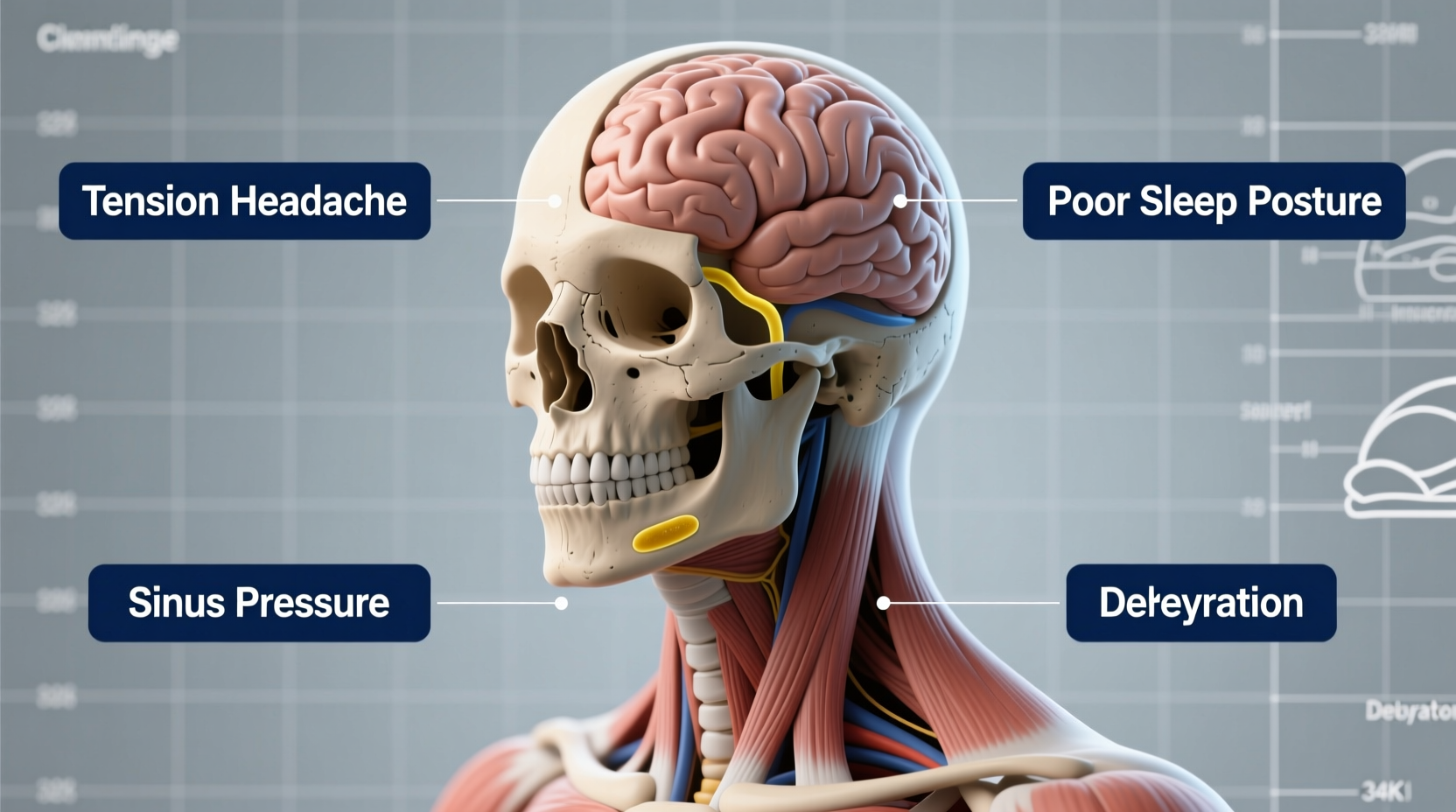
One of the leading medical causes of morning headaches is obstructive sleep apnea (OSA). This condition occurs when the airway becomes partially or fully blocked during sleep, causing breathing to stop and start repeatedly. These interruptions reduce oxygen levels in the blood and increase carbon dioxide, which can trigger vascular changes in the brain—leading to dull, throbbing headaches upon waking.
People with sleep apnea often don’t realize they’re affected because symptoms happen while they’re asleep. However, partners may notice loud snoring, gasping, or choking sounds at night. Other signs include excessive daytime fatigue, difficulty concentrating, and dry mouth upon waking.
“Morning headaches in patients with untreated sleep apnea are linked to nocturnal hypoxia—low oxygen levels during sleep. Treating the underlying breathing issue often resolves the headaches completely.” — Dr. Lena Torres, Sleep Medicine Specialist
Bruxism: The Hidden Impact of Teeth Grinding
Nocturnal bruxism—the involuntary clenching or grinding of teeth during sleep—is another major contributor to morning headaches. This habit places intense pressure on the temporomandibular joint (TMJ) and surrounding muscles, particularly the masseter and temporalis muscles. Over time, this strain leads to tension-type headaches that radiate from the temples to the forehead or behind the eyes.
Many people with bruxism are unaware they grind their teeth until a dentist notices excessive tooth wear or a partner hears the grinding noise at night. Additional symptoms include jaw soreness, earaches, and indentations on the sides of the tongue.
Treatment typically involves wearing a custom-fitted night guard, which creates a protective barrier between upper and lower teeth. In some cases, stress management techniques or physical therapy for jaw muscles may also be recommended.
How to Identify Bruxism at Home
- Check for flattened, chipped, or loose teeth.
- Notice if your jaw feels stiff or tired in the morning.
- Ask your sleep partner if they hear grinding sounds.
- Look for indentations on the inside of your cheeks or along your tongue.
Poor Sleep Posture and Pillow Misuse
Your sleeping position and pillow choice play a crucial role in spinal alignment. When your neck is bent awkwardly throughout the night, it can compress nerves and strain muscles in the cervical spine, leading to cervicogenic headaches. These headaches typically start at the base of the skull and spread upward, often mistaken for migraines.
Stomach sleepers are especially prone to this issue because the head must rotate to one side for extended periods, twisting the neck unnaturally. Even side and back sleepers can suffer if their pillow doesn’t support the natural curve of the neck.
| Sleep Position | Recommended Pillow Type | Risks of Poor Support |
|---|---|---|
| Back Sleeper | Moderately thick contoured pillow | Neck hyperextension or flexion |
| Side Sleeper | Firm, higher-loft pillow | Shoulder and neck misalignment |
| Stomach Sleeper | Very thin or no pillow | Chronic neck rotation and strain |
“Switching from a fluffy feather pillow to a supportive memory foam one reduced my morning headaches within two weeks.” — Marcus R., teacher and chronic headache sufferer
Dehydration and Blood Sugar Fluctuations
It might seem surprising, but what you do—or don’t do—the night before can directly impact how you feel when you wake up. Dehydration is a common yet overlooked cause of morning headaches. During sleep, your body continues to lose water through breath and minimal perspiration. If you go to bed even slightly dehydrated—especially after alcohol consumption or intense evening exercise—the effect can manifest as a headache by sunrise.
Likewise, skipping dinner or going too long without eating can lead to low blood sugar (hypoglycemia) overnight. The brain relies heavily on glucose, and when levels drop, it can trigger a headache, along with feelings of shakiness or irritability upon waking.
Action Steps to Prevent Metabolic Headaches
- Limit alcohol in the evening—it’s dehydrating and disrupts sleep cycles.
- Eat a balanced dinner with protein and complex carbs to stabilize blood sugar.
- Avoid excessive caffeine after 2 PM, as it can interfere with hydration and sleep quality.
- Monitor urine color; pale yellow indicates good hydration.
Medication Overuse and Rebound Headaches
If you frequently use over-the-counter pain relievers like ibuprofen, acetaminophen, or aspirin to treat headaches—even those occurring during the day—you may be setting yourself up for a rebound cycle. Medication-overuse headaches (MOH), also known as rebound headaches, occur when painkillers are used more than two to three days per week over several months.
The brain adapts to the medication, and when levels drop overnight, it triggers a withdrawal-like response that results in a headache upon waking. These headaches often improve temporarily after taking medication, reinforcing the cycle.
Breaking free from MOH requires tapering off the medication under medical supervision. Sudden discontinuation can worsen symptoms initially, so professional guidance is critical.
Do’s and Don’ts of Painkiller Use
| Do | Don’t |
|---|---|
| Track headache frequency and medication use in a journal | Take painkillers more than 2–3 times per week regularly |
| Consult a doctor if headaches persist beyond 10 days/month | Combine multiple types of OTC pain relievers without advice |
| Use non-drug therapies like cold packs or relaxation techniques | Self-diagnose chronic headaches without evaluation |
Step-by-Step Guide to Diagnosing Morning Headaches
Pinpointing the cause of your morning headaches takes careful observation and systematic changes. Follow this timeline to identify and address the root issue:
- Week 1: Track Symptoms
Create a daily log noting headache intensity, location, duration, sleep quality, diet, and medication use. Include observations from a partner if possible. - Week 2: Optimize Sleep Environment
Replace old pillows, maintain consistent sleep hours, eliminate screens an hour before bed, and stay hydrated. Avoid alcohol and heavy meals late at night. - Week 3: Address Physical Factors
Visit your dentist to check for bruxism. Consider a night guard if grinding is suspected. Practice gentle neck stretches before bed. - Week 4: Seek Medical Evaluation
If headaches persist, consult a primary care provider or neurologist. Request a sleep study if apnea is suspected, or discuss medication review if you're using frequent painkillers.
Mini Case Study: Sarah’s Journey to Relief
Sarah, a 38-year-old graphic designer, had been waking up with tight, band-like headaches for nearly six months. She assumed it was stress-related and relied on ibuprofen almost daily. Despite sleeping eight hours, she felt groggy each morning and often needed coffee just to function.
After reading about sleep apnea, she mentioned her symptoms to her doctor. A home sleep test revealed moderate obstructive sleep apnea. She began using a CPAP machine nightly. Within three weeks, her morning headaches disappeared, her energy improved, and she stopped taking daily painkillers.
Her case highlights how a seemingly minor symptom—waking up with a headache—can signal a serious but treatable condition. Without investigation, she might have continued down a path of medication dependence instead of addressing the true cause.
When to See a Doctor
While many morning headaches stem from lifestyle or mechanical causes, some require urgent medical attention. Seek immediate evaluation if your headaches are accompanied by:
- Sudden, severe onset (“thunderclap” headache)
- Vision changes, confusion, or speech difficulties
- Weakness or numbness in limbs
- Fever or stiff neck
- History of cancer or recent head injury
These could indicate conditions such as intracranial pressure changes, stroke, or infection, which demand prompt diagnosis and treatment.
Frequently Asked Questions
Can anxiety cause morning headaches?
Yes. Chronic anxiety can lead to muscle tension, shallow breathing, and disrupted sleep—all of which contribute to morning headaches. Anxiety may also increase nighttime awakenings, reducing restorative deep sleep and making you more susceptible to head pain upon waking.
Is there a link between migraines and waking up with headaches?
Absolutely. Some people experience “sleep-morning migraines,” which are triggered by changes in brain chemistry during sleep transitions. These often occur in the early morning hours and may be associated with irregular sleep schedules, dehydration, or low serotonin levels upon waking.
Can a bad mattress cause morning headaches?
Indirectly, yes. While the mattress itself doesn’t cause headaches, poor support can lead to improper spinal alignment, especially if paired with the wrong pillow. Over time, this strains neck muscles and joints, resulting in tension headaches. A mattress that’s too soft or too firm for your sleeping position should be evaluated as part of your overall sleep setup.
Final Checklist: What You Can Do Tonight
Start improving your mornings today with these practical actions:
- ✅ Drink a glass of water before bed.
- ✅ Set a consistent bedtime and wake-up time—even on weekends.
- ✅ Replace pillows older than 18 months.
- ✅ Avoid alcohol and caffeine in the evening.
- ✅ Schedule a dental checkup to rule out bruxism.
- ✅ Begin a symptom journal to track patterns.
- ✅ Turn off electronic devices one hour before sleep.
Conclusion: Take Control of Your Mornings
Waking up with a headache shouldn’t be your normal. While occasional head pain can happen to anyone, recurring morning headaches are a signal—not just from your brain, but from your entire sleep and wellness system. Whether the cause is sleep apnea, teeth grinding, dehydration, or medication overuse, effective solutions exist. The key is awareness, consistency, and knowing when to seek help.
You don’t have to endure another painful morning. Start tonight by making one small change—swap your pillow, hydrate properly, or begin tracking your symptoms. Each step brings you closer to waking up refreshed, alert, and pain-free.




 浙公网安备
33010002000092号
浙公网安备
33010002000092号 浙B2-20120091-4
Comments
No comments yet. Why don't you start the discussion?