
Waking up to swollen, puffy eyes is a common experience—so common that many dismiss it as just part of the morning routine. But persistent puffiness isn’t normal, nor is it inevitable. While occasional swelling may result from harmless factors like crying or lack of sleep, recurring eye puffiness often signals deeper imbalances in hydration, diet, sleep quality, or even underlying health conditions. Understanding the root causes and making targeted lifestyle adjustments can significantly reduce or eliminate morning puffiness, helping you start your day looking refreshed and feeling confident.
The Science Behind Morning Eye Puffiness
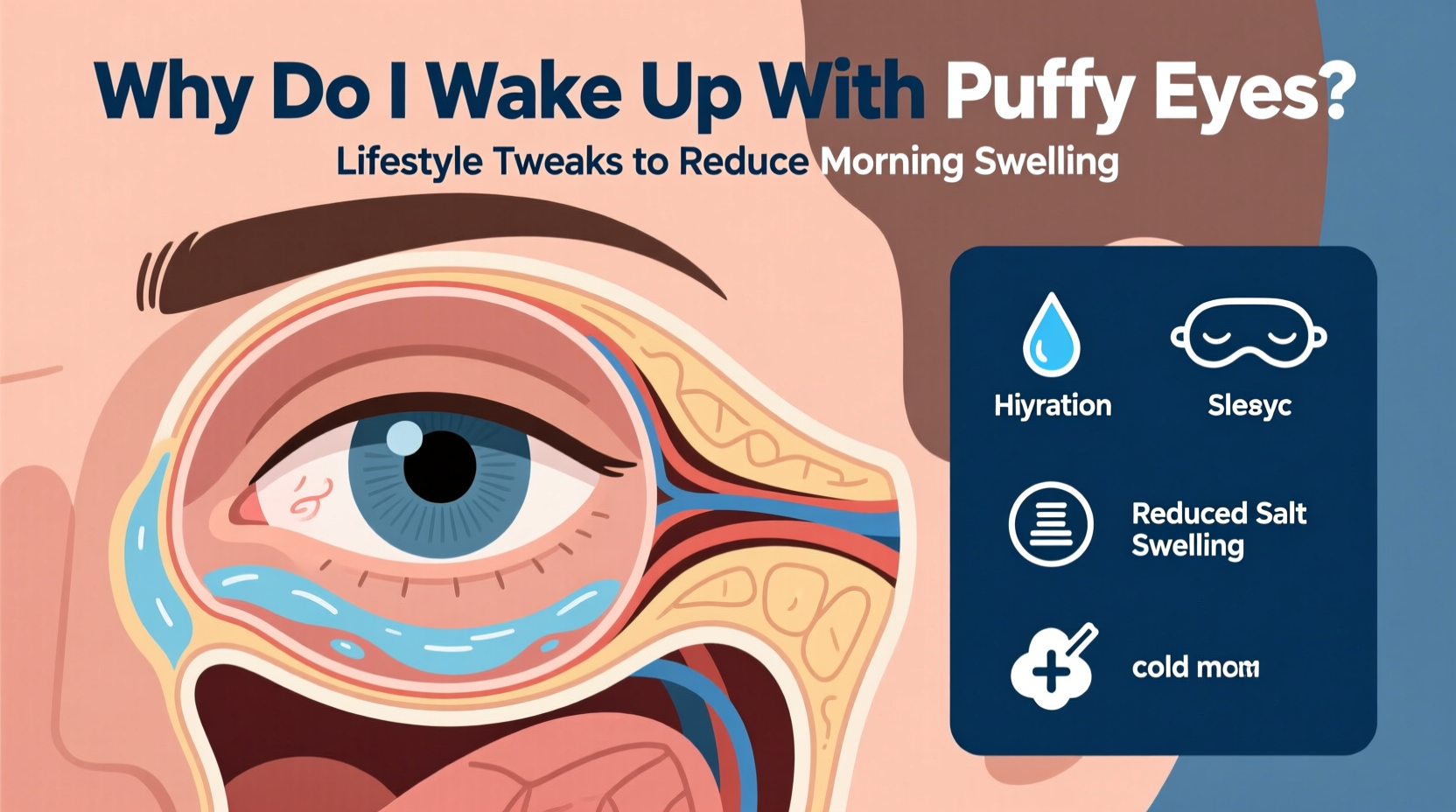
Puffy eyes occur when fluid accumulates in the thin tissue surrounding the eyes. The skin around the eyelids is among the thinnest on the body—just 0.5 millimeters thick—which makes it highly susceptible to visible swelling. During sleep, gravity pulls fluid downward, and if your body retains excess water or your lymphatic system isn’t efficiently draining, that fluid pools beneath the eyes.
Natural circadian rhythms also play a role. Cortisol, a hormone that helps regulate inflammation and fluid balance, dips overnight and rises in the early morning. This dip can temporarily reduce the body’s ability to manage fluid retention, contributing to puffiness upon waking.
Additionally, aging thins the skin and weakens connective tissues, allowing fat pads under the eyes to shift forward, creating a more permanent \"bags\" appearance. However, for most people under 50, temporary puffiness is less about anatomy and more about daily habits.
Lifestyle Factors That Contribute to Puffy Eyes
While genetics and age influence eye appearance, daily behaviors are often the primary culprits behind morning puffiness. Here are the most common lifestyle-related triggers:
- Sodium intake: Consuming too much salt causes the body to retain water. High-sodium meals, especially eaten late at night, increase fluid retention that becomes visible in the delicate eye area by morning.
- Alcohol consumption: Alcohol dehydrates the body and dilates blood vessels, which can lead to both puffiness and dark circles. It also disrupts sleep quality, reducing the body’s ability to regulate fluids effectively.
- Poor sleep hygiene: Inconsistent sleep schedules, insufficient rest (less than 7 hours), or poor-quality sleep impair the body’s natural repair processes, including lymphatic drainage.
- Allergies: Seasonal or environmental allergens trigger histamine release, causing inflammation and swelling around the eyes. Rubbing itchy eyes worsens the condition.
- Dehydration: Paradoxically, not drinking enough water prompts the body to hold onto existing fluids, increasing puffiness.
- Dietary choices: Processed foods, sugar, and dairy can promote inflammation and mucus production, exacerbating puffiness in sensitive individuals.
“Persistent eye puffiness is often a reflection of systemic fluid imbalance. It’s not just cosmetic—it’s a signal from the body.” — Dr. Lena Torres, Integrative Sleep Specialist
Actionable Lifestyle Tweaks to Reduce Puffiness
Addressing puffy eyes requires more than cold compresses or caffeine serums. Lasting improvement comes from adjusting daily routines. These evidence-based changes target the root causes:
1. Optimize Your Evening Hydration
Drink plenty of water throughout the day, but taper off intake 60–90 minutes before bedtime to minimize overnight fluid retention. Aim for half your body weight (in pounds) in ounces of water daily—for example, 75 ounces for a 150-pound person.
2. Reduce Sodium After 4 PM
Avoid high-sodium foods in the evening. Common offenders include canned soups, deli meats, soy sauce, and packaged snacks. Replace table salt with potassium-rich seasonings like garlic, lemon zest, or herbs, which help balance sodium levels.
3. Limit Alcohol and Caffeine in the Evening
Both substances disrupt sleep architecture and contribute to dehydration. Try switching to herbal tea (like chamomile or rooibos) after 6 PM. If you drink alcohol, limit it to one serving and consume it with extra water.
4. Improve Sleep Position and Environment
Sleeping flat allows fluid to settle under the eyes. Use a wedge pillow or elevate the head of your bed by 4–6 inches. Keep your bedroom cool, dark, and quiet to support deep, uninterrupted sleep cycles.
5. Manage Allergies Proactively
If allergies are a factor, use hypoallergenic bedding, wash pillowcases weekly in hot water, and consider an air purifier. Over-the-counter antihistamines (non-drowsy during the day, or sedating at night) can help if approved by your doctor.
Do’s and Don’ts: A Quick Reference Table
| Do | Don’t |
|---|---|
| Drink water consistently during the day | Chug large amounts of water right before bed |
| Eat potassium-rich foods (bananas, spinach, avocado) | Consume salty snacks late at night |
| Use a humidifier in dry climates | Sleep with makeup on (traps bacteria and irritants) |
| Apply a cold compress upon waking | Rub or tug at puffy eyes |
| Wash pillowcases every 3–4 days | Share towels or pillows during allergy season |
Step-by-Step Evening Routine to Prevent Puffiness
Consistency matters. Follow this simple 15-minute evening protocol to support fluid balance and skin health:
- 7:00 PM – Finish salty or processed foods. Choose a dinner rich in lean protein, vegetables, and healthy fats. Add a side of leafy greens for natural diuretic benefits.
- 8:30 PM – Hydrate mindfully. Sip a glass of water with a pinch of Himalayan salt and lemon for electrolyte balance. Avoid large volumes after this point.
- 9:00 PM – Skincare prep. Gently cleanse your face. Apply a lightweight eye cream containing caffeine, peptides, or hyaluronic acid. Use your ring finger to tap—not rub—the product in.
- 9:15 PM – Elevate and relax. Lie back with your head propped up slightly. Practice 5 minutes of deep breathing or light stretching to activate the parasympathetic nervous system.
- 10:00 PM – Lights out. Get into bed at the same time each night. Use blackout curtains and avoid screens for at least 30 minutes before sleep.
Real-Life Example: Sarah’s Transformation
Sarah, a 34-year-old project manager, struggled with chronic puffy eyes for years. She attributed it to stress and long work hours. Despite using expensive eye gels and jade rollers, the swelling returned every morning. After consulting a nutritionist, she discovered her nightly habit of wine and salty popcorn was the main culprit.
She made three key changes: switched to herbal tea in the evenings, reduced sodium intake by cooking at home, and started sleeping with her head elevated. Within two weeks, her morning puffiness decreased by over 70%. “I didn’t realize how much my late-night snacks were affecting my face,” she said. “Now I feel more rested, even if I only got six hours of sleep.”
Frequently Asked Questions
Can drinking more water really reduce puffy eyes?
Yes—when the body is dehydrated, it holds onto water, leading to bloating and facial swelling. Proper hydration supports kidney function and helps flush excess sodium, reducing fluid retention. Just avoid drinking large amounts right before bed.
Are puffy eyes a sign of a serious health issue?
Occasional puffiness is normal, but persistent swelling—especially if accompanied by fatigue, weight gain, or skin changes—could indicate thyroid dysfunction, kidney issues, or chronic allergies. Consult a healthcare provider if lifestyle changes don’t help within 3–4 weeks.
Do eye creams actually work?
Some ingredients are clinically effective. Caffeine constricts blood vessels and reduces swelling. Peptides support collagen. Hyaluronic acid hydrates without heaviness. However, no topical product can override poor sleep, high salt intake, or dehydration. Think of eye creams as complementary, not curative.
Your Plan for Clearer Mornings Starts Tonight
Puffy eyes aren’t just a cosmetic annoyance—they’re a visible indicator of internal balance. By adjusting what you eat, how you sleep, and how you care for your body in the evening, you can wake up with brighter, smoother eyes consistently. Small, sustainable changes compound over time. You don’t need extreme diets or expensive treatments. Start with one tweak: maybe it’s swapping out late-night snacks, washing your pillowcase more often, or simply drinking water earlier in the day. Track your progress for a week. Notice the difference. Then build from there.




 浙公网安备
33010002000092号
浙公网安备
33010002000092号 浙B2-20120091-4
Comments
No comments yet. Why don't you start the discussion?