
Waking up with puffy eyes is a common experience that can make you look tired, stressed, or unwell—even if you feel perfectly rested. While it's usually harmless, persistent puffiness can be frustrating and affect confidence. The good news is that most cases are preventable or treatable with simple lifestyle adjustments and home remedies. Understanding the underlying causes is the first step toward finding lasting relief.
What Causes Puffy Eyes in the Morning?
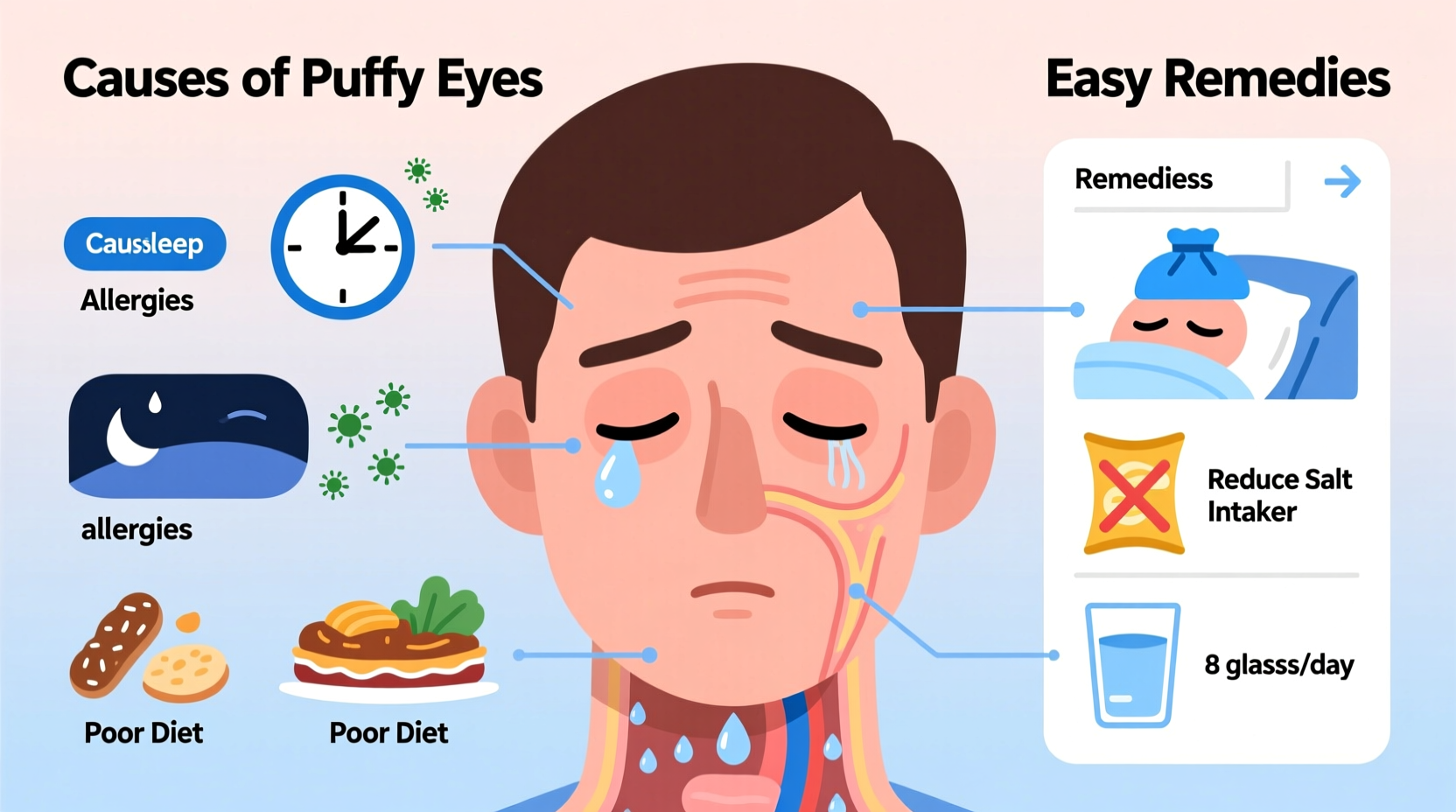
Puffy eyes occur when fluid accumulates in the tissues around the eyelids. The skin in this area is among the thinnest on the body, making it highly sensitive to changes in hydration, circulation, and inflammation. Several factors contribute to this buildup overnight.
Fluid Retention and Gravity
When you lie down to sleep, gravity no longer pulls fluids downward into your lower body. Instead, fluid redistributes more evenly, often pooling in the face—particularly under the eyes. This natural shift is normal, but certain habits can worsen it.
Sodium intake plays a major role. Consuming salty foods late in the day increases water retention, prompting your body to hold onto extra fluid. Alcohol has a similar effect by dehydrating cells and triggering compensatory fluid storage.
Allergies and Inflammation
Seasonal allergies, dust mites, pet dander, or even laundry detergents can irritate the delicate eye area. When allergens trigger an immune response, histamine release causes blood vessels to dilate and tissues to swell. Many people don’t realize they’re reacting to something in their bedroom environment until they notice recurring morning puffiness.
“Chronic periorbital edema—swelling around the eyes—is frequently linked to undiagnosed allergic rhinitis or contact dermatitis,” says Dr. Lena Torres, board-certified allergist at the National Sinus & Skin Clinic. “Patients often improve dramatically once triggers are identified.”
Lack of Sleep and Poor Sleep Quality
While oversleeping can sometimes cause puffiness, not getting enough quality rest is far more damaging. During deep sleep, your body regulates fluid balance and reduces inflammation. Disrupted or insufficient sleep interferes with these processes, leading to visible swelling.
Additionally, poor sleep posture—like sleeping face-down—can compress facial tissues and restrict lymphatic drainage, trapping fluid under the eyes.
Aging and Skin Changes
As we age, the connective tissues and muscles supporting the eyelids weaken. Fat that normally cushions the eyes may shift forward into the lower lids, creating a puffy appearance. This structural change is natural but can be mistaken for temporary swelling.
Other Contributing Factors
- Digital strain: Excessive screen time before bed can cause eye fatigue and mild inflammation.
- Hormonal fluctuations: Menstrual cycles, pregnancy, and thyroid conditions can influence fluid retention.
- Dehydration: Ironically, not drinking enough water prompts the body to retain fluid, increasing puffiness.
- Cosmetic products: Heavy creams or fragranced eye treatments may irritate sensitive skin.
Effective Remedies to Reduce Morning Eye Puffiness
Most cases of morning puffiness resolve within an hour of waking, but if you're preparing for an early meeting or want to start the day feeling refreshed, targeted remedies can speed up recovery and prevent recurrence.
Cold Compress Therapy
Applying cold constricts blood vessels and reduces swelling. Use a chilled spoon (stored in the fridge overnight), a clean washcloth soaked in cold water, or a reusable gel eye mask. Gently press against closed eyelids for 5–10 minutes upon waking.
This method works quickly because cold temperatures slow down capillary leakage and temporarily tighten the skin.
Tea Bags as Natural Decongestants
Used green or black tea bags, cooled in the refrigerator, can significantly reduce puffiness. Both contain caffeine and antioxidants like tannins, which help constrict blood vessels and draw out excess fluid.
- Brew two tea bags in hot water for 3–5 minutes.
- Remove and let them cool completely (refrigerate for faster results).
- Place one over each eye and relax for 10–15 minutes.
Elevate Your Head While Sleeping
Propping your head slightly higher than your heart helps prevent fluid from pooling in the face. Use an extra pillow or consider a wedge pillow designed for side sleepers. Just ensure your neck remains aligned to avoid strain.
Hydrate First Thing in the Morning
Drinking a glass of water as soon as you wake helps flush out excess sodium and kick-starts your body’s natural detoxification systems. Add a squeeze of lemon for mild diuretic effects and vitamin C support.
Gentle Lymphatic Massage
The face has a network of lymphatic vessels that drain excess fluid. A light massage encourages this process. Use your ring finger (it applies the least pressure) and follow this sequence:
- Start at the inner corner of the eye, just beside the nose.
- Press lightly and move outward along the orbital bone.
- Continue to the temples, then down the sides of the face toward the jawline and neck.
- Repeat 5–6 times per side.
This technique should feel soothing, not painful. Perform it daily for best results.
Do’s and Don’ts for Preventing Puffy Eyes
| Do’s | Don’ts |
|---|---|
| Drink plenty of water throughout the day | Consume high-sodium meals before bed |
| Sleep with your head slightly elevated | Sleep on your stomach (face pressed into pillow) |
| Use fragrance-free, hypoallergenic skincare | Rub or tug at your eyes aggressively |
| Apply cold compresses in the morning | Use expired or heavily perfumed eye creams |
| Wash bedding weekly in fragrance-free detergent | Leave makeup on overnight |
Real-Life Example: How Sarah Reduced Her Chronic Puffiness
Sarah, a 34-year-old graphic designer, struggled with persistent morning puffiness for years. She assumed it was due to lack of sleep, but even after improving her sleep schedule, the swelling remained. After tracking her habits, she noticed a pattern: puffiness worsened after dinners high in soy sauce and wine.
She also realized her favorite silk pillowcase, while luxurious, wasn’t washed regularly and collected dust and oil. On her dermatologist’s advice, Sarah began using a low-sodium evening meal plan, switched to fragrance-free detergent, and started sleeping with a slight elevation using a memory foam wedge.
Within three weeks, her morning puffiness decreased significantly. “I didn’t think such small changes would make a difference,” she said. “Now I barely need concealer.”
When to See a Doctor
Occasional puffiness is normal, but consistent or severe swelling may indicate an underlying condition. Seek medical evaluation if you notice any of the following:
- Swelling that doesn’t improve after a full day
- Pain, redness, or warmth around the eyes
- Vision changes or double vision
- Puffiness accompanied by fatigue, weight gain, or dry skin (possible thyroid issue)
- One-sided swelling that worsens over time
Conditions like hypothyroidism, kidney dysfunction, or chronic sinusitis can manifest with periorbital swelling. A simple blood test or allergy panel may reveal the root cause.
Frequently Asked Questions
Can drinking too much water cause puffy eyes?
No—drinking adequate water actually helps reduce puffiness by preventing dehydration-induced fluid retention. However, consuming large amounts right before bed may lead to temporary facial swelling due to reduced kidney filtration during sleep.
Are puffy eyes the same as dark circles?
No. Puffy eyes refer to swelling or bulging under the eyes, while dark circles are discoloration caused by thinning skin, pigmentation, or shadowing from volume loss. They often occur together but require different approaches.
Can lack of sleep cause permanent puffiness?
Not directly, but chronic sleep deprivation accelerates skin aging and weakens connective tissue, which may contribute to long-term structural puffiness. Prioritizing rest supports overall skin resilience.
Step-by-Step Plan to Wake Up with Less Puffiness
Follow this actionable routine to see improvements within a week:
- Evening (6 PM onwards): Avoid salty foods, alcohol, and excessive fluids.
- Before Bed: Remove all eye makeup and apply a lightweight, non-comedogenic eye cream.
- Sleep Setup: Use a slightly elevated pillow and wash your pillowcase weekly.
- Morning Routine: Drink a glass of water immediately upon waking.
- Eye Treatment: Apply a cold compress or chilled tea bag for 10 minutes.
- Lymphatic Boost: Perform a gentle facial massage to encourage drainage.
- Ongoing: Monitor your diet and environment for potential allergens or irritants.
Conclusion: Take Control of Morning Puffiness
Puffy eyes in the morning are rarely a sign of serious health issues, but they can impact how you feel and present yourself each day. By understanding the interplay of hydration, sleep, diet, and environmental factors, you gain the power to make meaningful changes. Most remedies are simple, cost-effective, and fit easily into your daily routine.
Start with one or two adjustments—perhaps reducing evening salt intake or elevating your head while sleeping—and build from there. Small steps lead to visible results. If puffiness persists despite your efforts, consult a healthcare provider to rule out medical causes.




 浙公网安备
33010002000092号
浙公网安备
33010002000092号 浙B2-20120091-4
Comments
No comments yet. Why don't you start the discussion?