
In an era defined by rapid technological change, climate disruption, and complex global interdependencies, understanding the systems around us has never been more critical. Ecosystem intelligence—the ability to gather, analyze, and act on data about interconnected natural, social, and technological systems—is emerging as a cornerstone of sustainable progress. It transcends traditional environmental monitoring by integrating real-time data, predictive analytics, and cross-sector collaboration to inform better decisions across industries, governments, and communities.
Unlike isolated data collection, ecosystem intelligence emphasizes relationships: how species interact, how supply chains affect biodiversity, or how urban development influences local watersheds. This holistic awareness enables proactive responses rather than reactive fixes, helping organizations and societies anticipate risks, optimize resources, and foster long-term resilience.
The Foundations of Ecosystem Intelligence
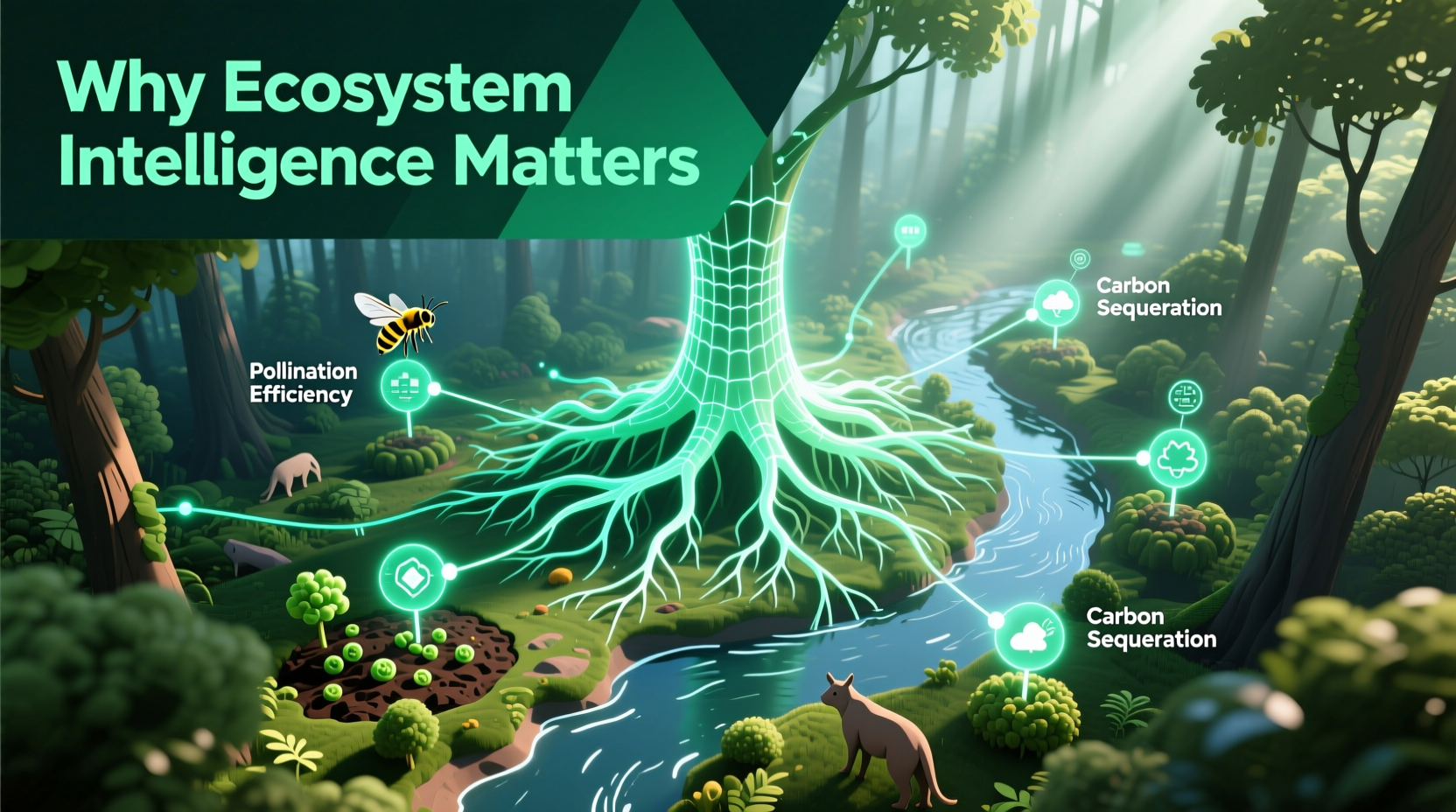
Ecosystem intelligence is built on three core pillars: observation, integration, and action. First, advanced tools such as satellite imaging, IoT sensors, drones, and AI-powered analytics collect vast amounts of environmental and behavioral data. Second, this data is integrated across disciplines—ecology, economics, sociology, and engineering—to reveal patterns invisible through siloed analysis. Finally, insights are translated into actionable strategies, whether restoring degraded land, redesigning supply chains, or adapting cities to climate change.
This approach marks a shift from linear thinking to systems thinking. For example, instead of treating deforestation as a standalone issue, ecosystem intelligence examines its links to agricultural demand, market forces, indigenous land rights, and carbon emissions. By mapping these connections, stakeholders can identify leverage points for meaningful intervention.
Why Ecosystem Intelligence Drives Sustainable Innovation
Businesses that harness ecosystem intelligence gain a competitive edge. They reduce operational risks tied to resource scarcity, comply with tightening environmental regulations, and meet rising consumer demand for transparency. Companies like Unilever and Patagonia use ecosystem data to trace raw materials, assess land-use impacts, and design regenerative practices.
Moreover, ecosystem intelligence supports innovation in circular economies. By understanding material flows and ecological thresholds, firms can develop products that align with planetary boundaries. For instance, a packaging company might use watershed health data to avoid sourcing fibers from regions prone to erosion, thereby reducing downstream pollution and safeguarding water supplies.
“Ecosystem intelligence isn’t just about protecting nature—it’s about future-proofing economies.” — Dr. Amina Jansen, Director of Environmental Systems at the Global Resilience Institute
Applications Across Sectors
The value of ecosystem intelligence spans multiple domains:
- Agriculture: Precision farming platforms combine soil moisture sensors, weather forecasts, and biodiversity indicators to optimize yields while preserving ecosystems.
- Urban Planning: Cities like Singapore and Copenhagen integrate green infrastructure data to manage heat islands, stormwater runoff, and air quality.
- Conservation: Wildlife corridors are designed using animal movement data collected via GPS collars and camera traps, ensuring habitats remain connected despite human development.
- Finance: ESG (Environmental, Social, and Governance) investing relies on ecosystem metrics to evaluate long-term asset risks and opportunities.
Real-World Example: The Great Barrier Reef Monitoring Program
Australia’s Great Barrier Reef faces threats from warming oceans, overfishing, and agricultural runoff. Traditional monitoring struggled to keep pace with rapid degradation. In response, scientists deployed an integrated ecosystem intelligence network combining underwater drones, coral bleaching algorithms, and satellite imagery. This system provides near real-time alerts, enabling targeted interventions such as restricting fishing zones during spawning seasons or redirecting river flows after heavy rains.
The program has improved response times by 60% and informed policy changes that reduced nitrogen runoff by 28% over five years. This case demonstrates how coordinated data streams transform conservation from guesswork into strategic action.
Key Benefits of Adopting Ecosystem Intelligence
| Benefit | Description | Impact Example |
|---|---|---|
| Early Risk Detection | Identifies environmental stressors before they escalate | Predicts droughts months in advance, allowing farmers to adjust planting schedules |
| Resource Efficiency | Optimizes water, energy, and material use based on ecosystem feedback | Reduces irrigation waste by 40% in smart agriculture systems |
| Policy Effectiveness | Supports evidence-based regulation and enforcement | Guides marine protected area expansions based on fish migration data |
| Stakeholder Engagement | Builds trust through transparent, shared data platforms | Enables indigenous communities to co-manage forests using joint monitoring dashboards |
Building an Ecosystem Intelligence Framework: A Step-by-Step Guide
- Define Objectives: Clarify what outcomes matter—biodiversity protection, supply chain resilience, regulatory compliance, etc.
- Map Key Indicators: Identify measurable variables such as water quality, species abundance, land cover change, or carbon flux.
- Select Data Sources: Combine remote sensing, ground sensors, citizen science reports, and public databases.
- Integrate and Analyze: Use GIS software and machine learning models to detect trends and correlations.
- Engage Stakeholders: Share findings with communities, policymakers, and industry partners to drive collective action.
- Iterate and Adapt: Update models regularly as new data emerges and conditions evolve.
Common Pitfalls and How to Avoid Them
Despite its promise, ecosystem intelligence can falter without proper implementation. One common mistake is data overload without clear interpretation. Collecting terabytes of sensor readings means little if decision-makers cannot extract usable insights. Another risk is excluding local knowledge; indigenous communities often possess generational understanding of ecological patterns that complement scientific data.
To avoid these issues, focus on user-centered design. Dashboards should present information clearly, highlighting thresholds and recommended actions. Additionally, adopt inclusive governance models where data ownership and access are equitably managed.
Checklist: Implementing Ecosystem Intelligence Responsibly
- ☑ Define clear goals aligned with sustainability targets
- ☑ Ensure data accuracy and source transparency
- ☑ Involve local stakeholders in data collection and interpretation
- ☑ Protect privacy and prevent misuse of sensitive environmental data
- ☑ Align with international standards (e.g., UN SDGs, IPCC guidelines)
- ☑ Regularly audit and update analytical models
Frequently Asked Questions
What’s the difference between ecosystem intelligence and environmental monitoring?
Environmental monitoring typically tracks specific parameters like temperature or pollution levels in isolation. Ecosystem intelligence goes further by analyzing interactions across biological, social, and economic systems, using integrated data to generate predictive insights and guide strategic decisions.
Can small organizations afford ecosystem intelligence tools?
Yes. Many open-access platforms—such as NASA’s Earthdata, the World Resources Institute’s Global Forest Watch, and the EU’s Copernicus Programme—offer free satellite data and visualization tools. With basic training, even small NGOs or municipalities can leverage these resources effectively.
Is ecosystem intelligence only relevant to environmental issues?
No. While rooted in ecology, its principles apply broadly. Businesses use it to assess supply chain vulnerabilities, cities apply it to improve public health through greener design, and financial institutions rely on it to evaluate climate-related investment risks.
Conclusion: A Call to Action
Ecosystem intelligence is not a luxury—it is a necessity for navigating the complexities of the 21st century. From preventing ecological collapse to building adaptive economies, the ability to understand and respond to systemic interdependencies defines our capacity to thrive. The tools exist. The data is growing. What’s needed now is commitment: to invest in integrated systems, empower diverse voices, and act on the insights we gather.




 浙公网安备
33010002000092号
浙公网安备
33010002000092号 浙B2-20120091-4
Comments
No comments yet. Why don't you start the discussion?