
There’s a quiet strength in choosing solitude. In a world that often celebrates constant connection—social media updates, packed schedules, group activities—it can feel confusing or even concerning when the urge to withdraw arises. You might ask yourself: Why do I want to be alone? Is it a sign of loneliness, depression, or something deeper? The truth is, wanting to be alone doesn’t mean you’re broken or antisocial. For many, it’s a natural and necessary response to internal needs, emotional processing, or personal growth.
Solitude, when chosen intentionally, is not isolation. It’s a space where clarity emerges, creativity flourishes, and self-awareness deepens. Understanding why you seek solitude can transform it from a source of guilt into a tool for resilience and authenticity.
The Difference Between Loneliness and Solitude
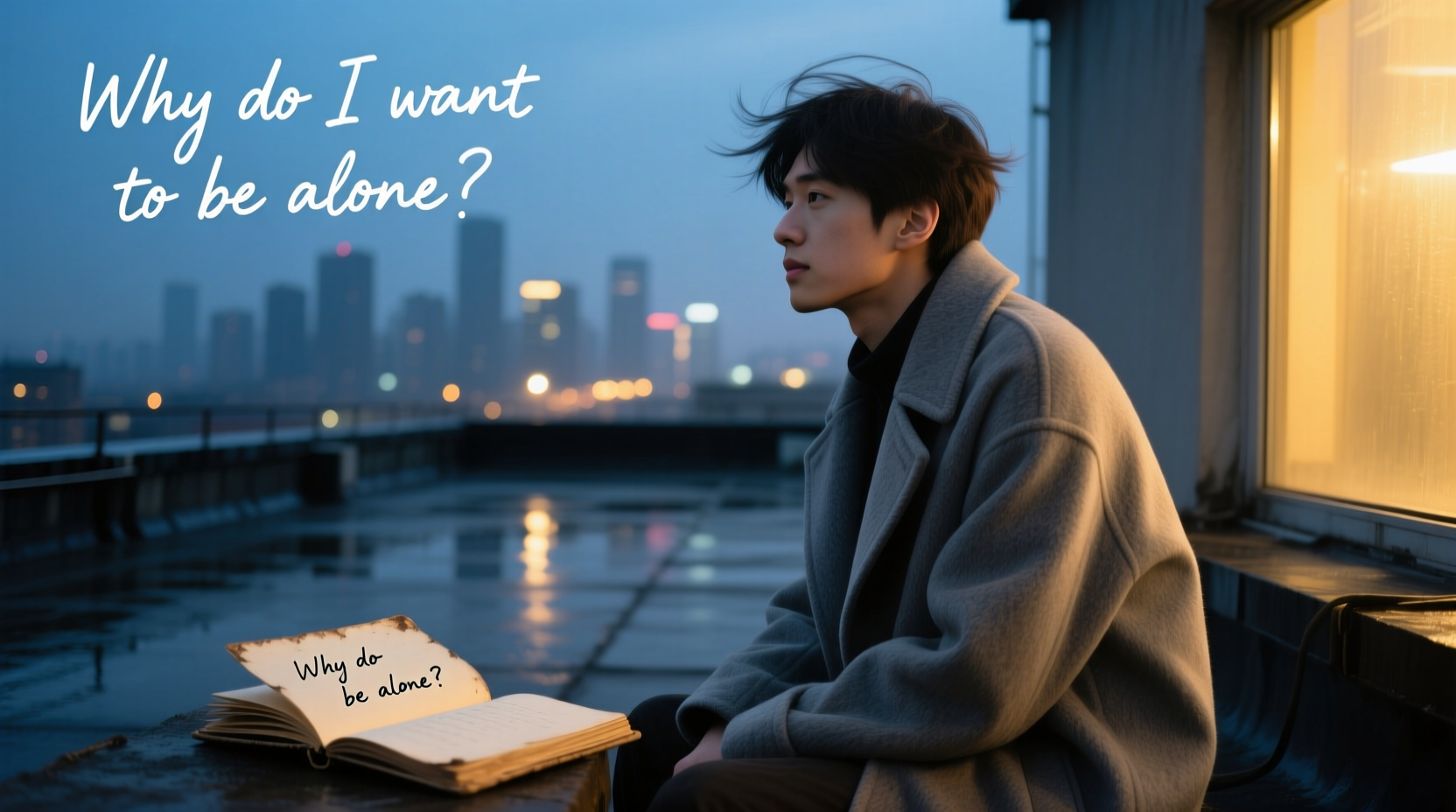
One of the most important distinctions to make is between loneliness and solitude. Loneliness is an unwanted state—a feeling of disconnection or emptiness stemming from a lack of meaningful relationships. It often brings sadness, anxiety, or a sense of being unseen.
Solitude, on the other hand, is voluntary. It’s the conscious choice to spend time alone, often for reflection, rest, or recharging. While loneliness depletes energy, solitude can restore it.
“Solitude is not about escaping others; it’s about making space to meet yourself.” — Dr. Rachel Nguyen, Clinical Psychologist
This subtle but powerful distinction explains why some people thrive in quiet moments alone while others struggle with isolation. If you're drawn to solitude but don't feel lonely, what you're experiencing may be a healthy psychological need rather than emotional distress.
Why Your Mind and Body Crave Alone Time
Modern life is mentally taxing. Constant stimuli—from notifications to social expectations—create cognitive overload. Your brain wasn’t designed to process endless inputs without breaks. When you feel the pull toward solitude, it may be your nervous system signaling a need to reset.
- Mental Recharge: Introverts, in particular, gain energy from quiet environments. Even extroverts benefit from downtime after prolonged social interaction.
- Emotional Processing: Being alone allows space to reflect on feelings, experiences, and decisions without external influence.
- Creative Flow: Many artists, writers, and innovators rely on solitude to access deeper states of focus and inspiration.
- Self-Discovery: Without the noise of others’ opinions, you can reconnect with your values, desires, and inner voice.
When Wanting to Be Alone Signals Deeper Needs
While solitude is often healthy, it’s worth examining the context. Are you withdrawing because you feel overwhelmed? Hurt? Overstimulated? Or are you avoiding something—conflict, responsibility, intimacy?
Consider this real-life example:
Mini Case Study: Maya’s Withdrawal at Work
Maya, a project manager, began declining team lunches and skipping after-work gatherings. Colleagues assumed she was disengaged. But in reality, Maya felt emotionally drained by constant collaboration. She wasn’t rejecting her coworkers—she needed recovery time after hours of back-to-back meetings. Once she started blocking “focus hours” on her calendar and communicating her boundaries clearly, her productivity and mood improved. Her desire for solitude wasn’t a problem—it was a solution.
In cases like Maya’s, solitude serves as a protective mechanism. However, if withdrawal becomes habitual and starts affecting relationships or responsibilities, it may point to underlying issues such as anxiety, burnout, or depression.
Do’s and Don’ts of Healthy Solitude
| Do’s | Don’ts |
|---|---|
| Use solitude for reflection, creativity, or rest | Use it to avoid confronting emotions or problems |
| Set clear boundaries with others about your need for space | Disappear without communication, leaving others worried |
| Return to social connections after recharging | Stay isolated for days without checking in |
| Practice mindfulness or journaling during alone time | Spend the time ruminating or scrolling endlessly |
How to Practice Intentional Solitude: A Step-by-Step Guide
Solitude becomes most beneficial when practiced mindfully. Follow these steps to turn alone time into a constructive experience:
- Identify Your Purpose: Ask yourself why you want to be alone. Is it to decompress? Reflect? Create? Knowing your intention shapes how you use the time.
- Choose a Conducive Environment: Find a quiet, comfortable space free from distractions—your bedroom, a park bench, or a library corner.
- Set a Time Limit: Start with 20–30 minutes. This prevents avoidance behaviors and makes solitude feel manageable.
- Engage in a Focused Activity: Journal, meditate, sketch, read, or simply sit in silence. Avoid passive consumption like binge-watching or doomscrolling.
- Reflect Afterward: Note how you feel. Did the time help? What insights emerged? This builds self-awareness over time.
Signs That Solitude Is Serving You Well
Healthy solitude should leave you feeling more centered, not more detached. Look for these positive outcomes:
- Improved mood and reduced stress
- Greater clarity about personal goals
- Renewed energy for social interactions
- Increased self-trust and confidence
Frequently Asked Questions
Is wanting to be alone a sign of depression?
Not necessarily. While social withdrawal can be a symptom of depression, the key difference lies in motivation and emotional state. Depression-related isolation often comes with persistent sadness, fatigue, and loss of interest in life. If you’re choosing solitude and feel refreshed afterward, it’s likely not depression. However, if isolation feels heavy or involuntary, consider speaking with a mental health professional.
How much alone time is normal?
There’s no universal standard. Needs vary by personality, lifestyle, and life stage. Introverts may require more frequent solitude than extroverts, but everyone benefits from occasional downtime. Focus less on duration and more on quality—does your alone time leave you feeling restored or emptier?
Can too much solitude be harmful?
Yes, if it leads to chronic disconnection from others or replaces meaningful relationships. Humans are inherently social beings. Balance is essential. Use solitude to strengthen your sense of self so you can engage more authentically with others—not to escape them entirely.
Conclusion: Embrace Solitude as Self-Care
Wanting to be alone isn’t a flaw—it’s often a sign of self-awareness. In a culture that equates busyness with worth and socializing with happiness, choosing solitude can feel rebellious. But true well-being includes both connection and separation. By honoring your need for alone time, you’re not running away from life—you’re tuning into it more deeply.
Start viewing solitude not as a retreat, but as a return—to your thoughts, your feelings, your truth. When practiced with intention, it becomes one of the most nourishing forms of self-care available.




 浙公网安备
33010002000092号
浙公网安备
33010002000092号 浙B2-20120091-4
Comments
No comments yet. Why don't you start the discussion?