
Every autumn, a quiet transformation unfolds across temperate forests and city streets alike. Trees shed their leaves in a cascade of reds, golds, and browns, blanketing the ground in crisp layers. While this seasonal spectacle is often admired for its beauty, few pause to consider the intricate biological processes driving it. The falling of leaves isn't random—it’s a carefully orchestrated survival strategy shaped by millions of years of evolution. Understanding why leaves fall in autumn reveals a remarkable interplay between plant physiology, environmental cues, and energy conservation.
The Role of Chlorophyll and Seasonal Light Changes
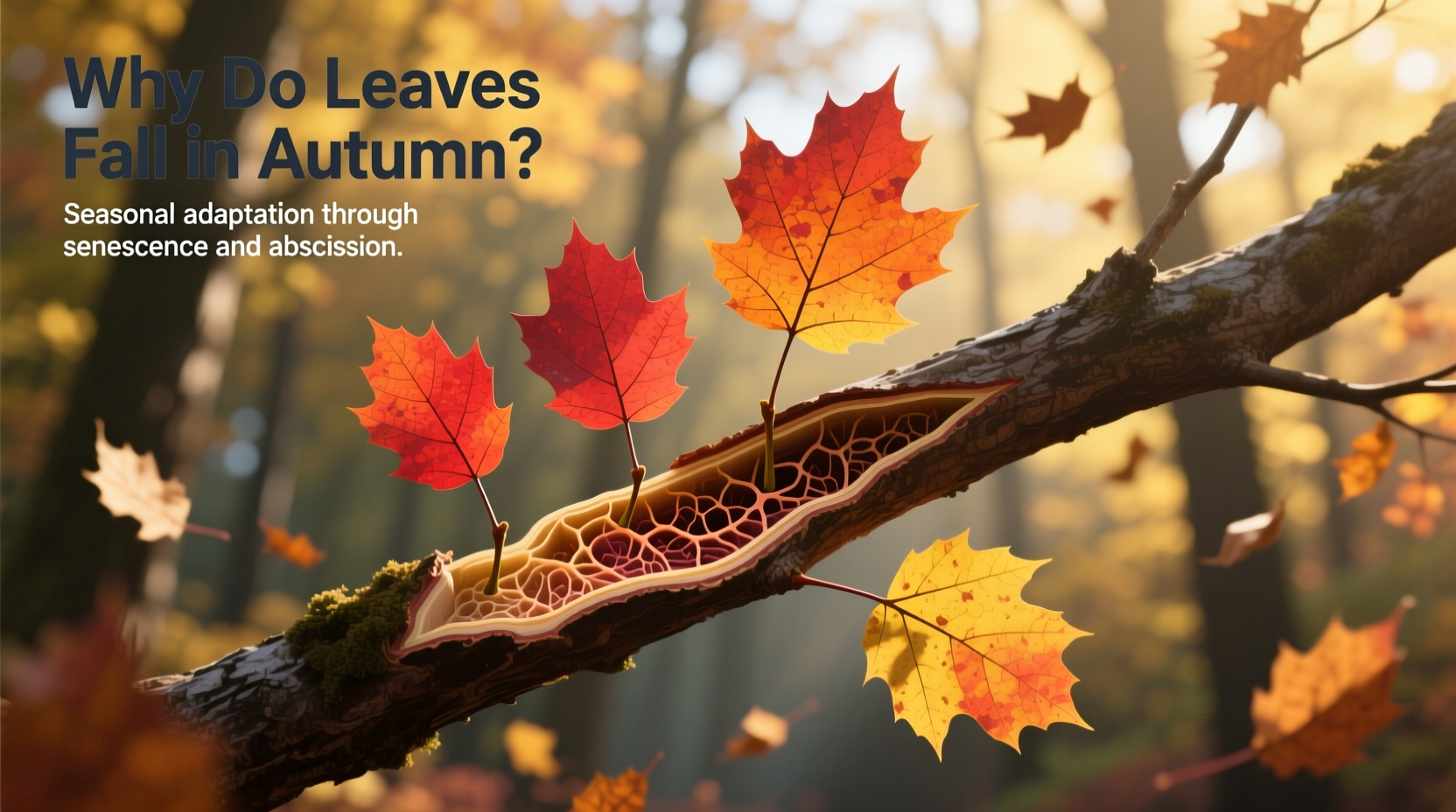
At the heart of autumn leaf color and drop is chlorophyll, the green pigment responsible for photosynthesis. Throughout spring and summer, trees rely on abundant sunlight to convert carbon dioxide and water into glucose, fueling growth and storing energy. Chlorophyll is central to this process, absorbing sunlight and giving leaves their vibrant green appearance.
As daylight shortens in late summer and early autumn, trees detect changes in photoperiod—the length of day versus night. This shift signals the beginning of preparation for winter. With less sunlight available, photosynthesis becomes less efficient. Rather than maintain energy-intensive leaves through the cold months, deciduous trees begin to withdraw valuable nutrients like nitrogen and phosphorus from their foliage.
This nutrient reabsorption causes chlorophyll to break down, revealing other pigments that were always present but masked by green. Carotenoids produce yellow and orange hues, while anthocyanins—newly synthesized in some species—create vivid reds and purples. These colors are not just decorative; they serve protective roles, shielding leaves during nutrient recovery.
The Abscission Layer: Nature’s Detachment Mechanism
Beneath the surface, a microscopic structure forms at the base of each leaf stem: the abscission layer. This thin band of cells develops where the petiole (leaf stalk) meets the branch. As autumn progresses, hormonal changes—especially a decrease in auxin and an increase in ethylene—trigger these cells to weaken and partially dissolve.
The abscission layer acts like a built-in seam, allowing the leaf to detach cleanly when wind or rain provides enough force. Once separated, a protective corky layer forms over the scar left on the branch, sealing it from disease and water loss. This process prevents open wounds and conserves resources during dormancy.
Not all trees use this mechanism. Evergreens retain their needles for multiple seasons, thanks to waxy coatings and antifreeze-like compounds. But for deciduous species—from oaks to birches—abscission is essential for surviving harsh winters.
“Leaf drop is not a sign of decline, but a strategic retreat. Trees aren’t dying—they’re preparing.” — Dr. Lena Patel, Plant Physiologist, University of Vermont
Environmental Triggers That Influence Leaf Drop
While decreasing daylight initiates the process, actual leaf fall timing depends on a combination of environmental factors:
- Temperature: Cool nights accelerate color development and abscission. Early frosts can cause premature leaf drop, sometimes before full coloration.
- Moisture: Drought stress in late summer may prompt early shedding, even if days are still long.
- Wind and Rain: Physical forces complete the detachment once the abscission layer is mature.
In urban environments, streetlights can disrupt natural photoperiod detection, causing some trees to delay leaf drop. Similarly, microclimates around buildings may result in uneven coloring across a single tree.
Case Study: The Urban Maple on Elm Street
A red maple planted near a bright streetlight in downtown Portland exhibited unusual behavior one autumn. While surrounding trees began shedding by late October, this particular maple held onto its leaves two weeks longer. A local arborist noted that artificial light extended the perceived day length, delaying the formation of the abscission layer. When the light was temporarily turned off during repairs, the tree rapidly progressed through color change and dropped its leaves within days. This real-world example illustrates how human infrastructure can interfere with natural plant rhythms.
Benefits of Leaf Fall for Trees and Ecosystems
Shedding leaves offers multiple advantages beyond energy conservation:
- Water Conservation: Leaves lose moisture through transpiration. In winter, frozen soil limits water uptake, making leaf retention risky for dehydration.
- Disease Prevention: Dropping leaves removes potential sites for fungal spores and pests to overwinter.
- Nutrient Recycling: Fallen leaves decompose, enriching soil with organic matter and returning nutrients to the root zone.
- Structural Protection: Without broad leaves, trees reduce wind resistance, minimizing damage from heavy snow and ice storms.
In forest ecosystems, leaf litter supports complex food webs, providing habitat for insects, fungi, and microorganisms. This decomposition cycle sustains soil fertility, benefiting not only the parent tree but neighboring plants as well.
Practical Checklist for Observing Autumn Leaf Science
Whether you're a nature enthusiast, educator, or gardener, here’s how to engage with the science firsthand:
- Track daily sunrise/sunset times to correlate with leaf color changes.
- Collect leaves from the same tree weekly to observe pigment shifts.
- Inspect leaf stems for the formation of the abscission layer (visible as a thin brown line).
- Note weather patterns—especially temperature drops—and their impact on drop timing.
- Compare trees in shaded vs. sun-exposed areas or near artificial lights.
Do’s and Don’ts of Leaf Management in Your Yard
| Do | Don’t |
|---|---|
| Leave a thin layer of leaves in garden beds to act as natural mulch. | Allow thick mats of wet leaves to smother grass or trap mold. |
| Compost shredded leaves to speed decomposition and enrich soil. | Burn leaves—this releases pollutants and wastes organic matter. |
| Mow over small amounts of leaves to chop them into lawn-friendly pieces. | Remove all leaves immediately; some benefit ecosystems and soil health. |
Frequently Asked Questions
Why don’t evergreen trees lose their leaves?
Evergreens have adapted to retain their needles year-round. Their leaves are typically narrow, waxy-coated, and rich in resins that resist freezing and reduce water loss. They shed older needles gradually, not all at once like deciduous trees.
Can a tree lose its leaves too early?
Yes. Stress from drought, pests, disease, or extreme heat can trigger premature abscission. While occasional early drop isn’t harmful, repeated stress weakens trees over time.
Are colorful leaves a sign of a healthy tree?
Bright autumn colors often indicate efficient nutrient reabsorption and strong health. However, sudden browning or shriveling may point to environmental stress or disease.
Conclusion: Embracing the Cycle of Change
The annual fall of leaves is far more than a picturesque event—it’s a masterclass in adaptation, efficiency, and ecological balance. From the molecular breakdown of chlorophyll to the precise cellular separation at the abscission zone, every step reflects nature’s precision. By understanding the science behind autumn leaf drop, we gain deeper appreciation for the resilience of trees and the interconnectedness of seasonal cycles.




 浙公网安备
33010002000092号
浙公网安备
33010002000092号 浙B2-20120091-4
Comments
No comments yet. Why don't you start the discussion?