
Burping is a normal bodily function—everyone does it. But when your burps carry a strong odor resembling vomit, it’s more than just embarrassing. It can be a sign that something’s off in your digestive system. While occasional foul-smelling burps may not be cause for alarm, frequent or intense episodes warrant attention. Understanding the underlying causes and knowing how to manage them can help you regain comfort and confidence.
Common Causes of Vomit-Smelling Burps
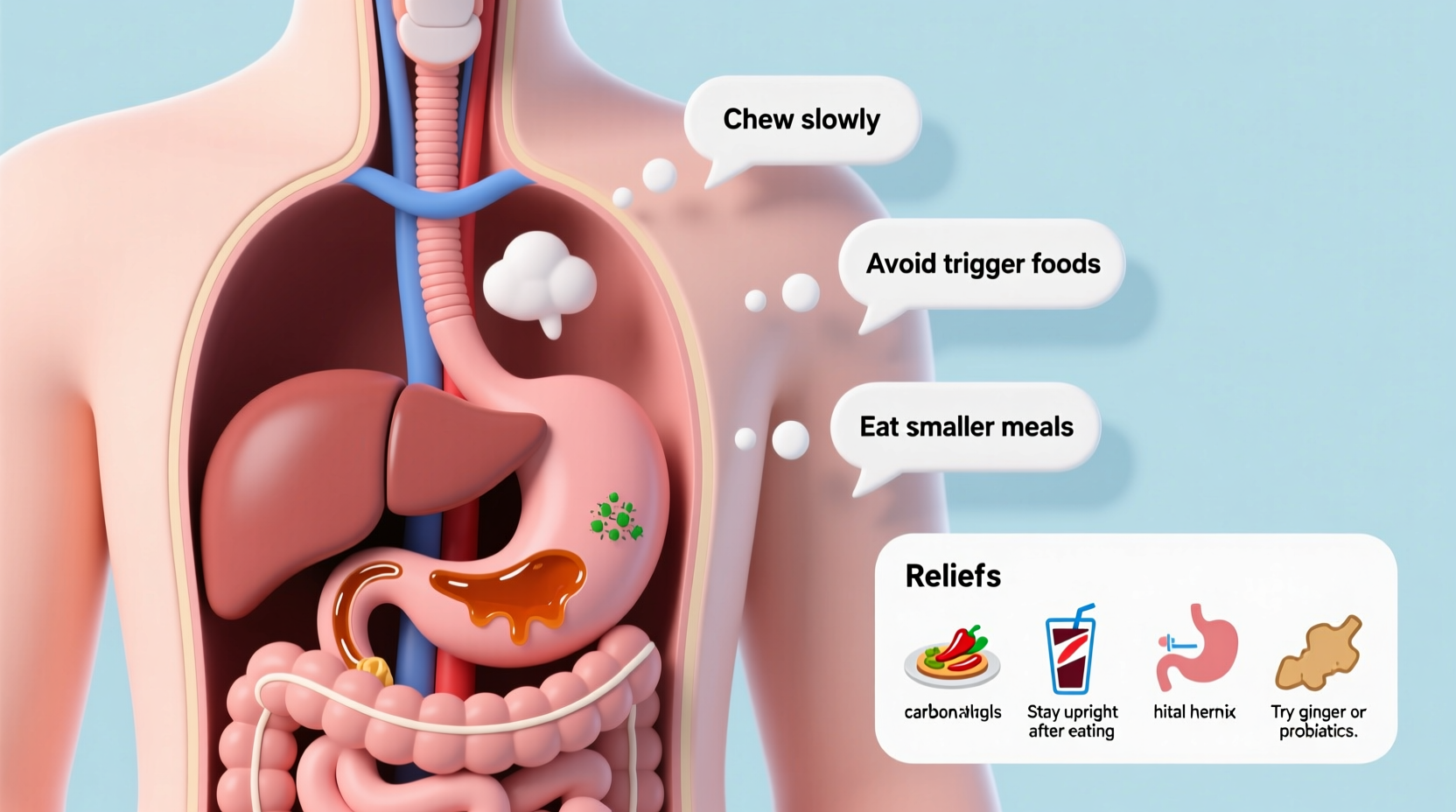
Foul-smelling burps often stem from digestive issues where food isn’t breaking down properly or is regurgitated partially digested from the stomach. The rotten or sour smell typically comes from sulfur-containing gases produced during digestion or bacterial overgrowth.
- Gastroesophageal Reflux Disease (GERD): Stomach acid and undigested food flow back into the esophagus, bringing with them a sour or bitter taste and an odor similar to vomit.
- Gastritis: Inflammation of the stomach lining can delay gastric emptying, allowing food to sit longer and ferment, producing noxious gases.
- Delayed Gastric Emptying (Gastroparesis): When the stomach muscles don’t work properly, food lingers too long, leading to bacterial breakdown and foul-smelling gas.
- H. pylori Infection: This common bacterial infection in the stomach can alter digestion and produce hydrogen sulfide gas, which smells like rotten eggs or vomit.
- Dietary Triggers: Foods high in protein, sulfur (like eggs, meat, garlic, cruciferous vegetables), or processed ingredients can lead to pungent burps.
- Intestinal Obstruction: A partial blockage in the intestines can cause backed-up contents to ferment and emit foul odors when regurgitated.
When to Be Concerned: Red Flags to Watch For
Occasional bad burps after a heavy meal are normal. However, certain symptoms suggest a more serious condition requiring medical evaluation.
“Persistent foul-smelling burps accompanied by nausea, vomiting, weight loss, or abdominal pain should prompt a visit to your gastroenterologist.” — Dr. Lena Patel, Board-Certified Gastroenterologist
Warning signs include:
- Chronic bad breath or burps lasting more than two weeks
- Unintentional weight loss
- Severe heartburn or chest pain
- Frequent nausea or actual vomiting
- Abdominal bloating that doesn’t improve
- Changes in bowel habits (diarrhea or constipation)
Relief Tips and Lifestyle Adjustments
For many people, simple lifestyle changes can significantly reduce or eliminate foul-smelling burps. These strategies focus on improving digestion, reducing reflux, and minimizing gas-producing foods.
Step-by-Step Guide to Reduce Foul Burps
- Eat smaller, more frequent meals to prevent stomach overload and reduce pressure on the lower esophageal sphincter.
- Avoid lying down within 2–3 hours after eating to minimize acid reflux and regurgitation.
- Limit trigger foods such as fried foods, onions, garlic, citrus, chocolate, caffeine, alcohol, and carbonated drinks.
- Drink water throughout the day, but avoid large amounts during meals to prevent diluting stomach acid.
- Chew food thoroughly to aid digestion and reduce swallowed air, which contributes to gassiness.
- Elevate the head of your bed if nighttime reflux is an issue.
- Manage stress through breathing exercises, yoga, or meditation—stress can worsen digestive function.
Dietary Do’s and Don’ts
| Do’s | Don’ts |
|---|---|
| Eat steamed vegetables, oatmeal, bananas, melons, lean proteins | Avoid greasy, fried, or spicy foods |
| Choose low-fat dairy or dairy alternatives | Limit high-sulfur foods: eggs, red meat, broccoli, cabbage |
| Include probiotic-rich foods like yogurt, kefir, sauerkraut | Don’t drink through straws or use chewing gum (increases air swallowing) |
| Use herbs like ginger, fennel, or chamomile tea for digestion | Avoid carbonated beverages and beer |
Medical Treatments and Testing Options
If lifestyle changes don’t bring relief, your doctor may recommend diagnostic tests to pinpoint the cause.
- Endoscopy: To examine the esophagus, stomach, and upper intestine for inflammation, ulcers, or obstructions.
- Helicobacter pylori test: Done via breath, stool, or blood sample to detect this common infection.
- Gastric emptying study: Measures how quickly food leaves the stomach—useful in diagnosing gastroparesis.
- pH monitoring: Assesses acid levels in the esophagus over 24 hours to confirm GERD.
Treatment depends on the diagnosis:
- Antacids or proton pump inhibitors (PPIs) for GERD or gastritis.
- Antibiotics for H. pylori infections, usually in a triple-therapy regimen.
- Prokinetic agents to speed up stomach emptying in cases of gastroparesis.
- Dietary management with a nutritionist for conditions like SIBO (small intestinal bacterial overgrowth).
Real-Life Example: Mark’s Journey to Relief
Mark, a 42-year-old office worker, began noticing his burps had a persistent vomit-like odor, especially after lunch. He also felt bloated and experienced mild nausea. At first, he assumed it was due to eating fast food, but even after switching to healthier meals, the problem continued.
After two months of discomfort, he visited a gastroenterologist. A breath test revealed an H. pylori infection. Mark was prescribed a 14-day course of antibiotics and a PPI. Within three weeks, his symptoms resolved completely. He now maintains better eating habits and avoids late-night meals, keeping his digestion on track.
FAQ: Common Questions About Foul-Smelling Burps
Can dehydration cause burps that smell like vomit?
Yes. Dehydration reduces saliva and digestive secretions, slowing digestion and allowing food to ferment in the stomach. This can produce foul gases. Drinking enough water supports healthy digestion and helps flush out toxins.
Are foul burps a sign of stomach cancer?
Rarely. While persistent digestive symptoms should never be ignored, foul burps alone are not a direct sign of cancer. However, when combined with unexplained weight loss, difficulty swallowing, or blood in vomit, they require immediate medical investigation.
Can probiotics help reduce smelly burps?
In some cases, yes. Probiotics help balance gut bacteria, which can reduce gas production from harmful microbes. Strains like Lactobacillus and Bifidobacterium have shown benefits in managing bloating and indigestion.
Checklist: What You Can Do Today
- ✔ Track your meals and symptoms for 7 days
- ✔ Eliminate carbonated drinks and alcohol
- ✔ Eat slowly and chew thoroughly
- ✔ Avoid eating 3 hours before bedtime
- ✔ Try herbal teas like ginger or peppermint after meals
- ✔ Schedule a doctor’s visit if symptoms persist beyond two weeks
Take Control of Your Digestive Health
Foul-smelling burps don’t have to be a permanent part of your life. Often, the root cause is manageable with dietary adjustments, stress reduction, and proper medical care. Ignoring persistent symptoms can lead to worsening conditions, so early intervention is key. Whether it’s tweaking your diet or seeking professional diagnosis, small steps today can lead to significant improvements in how you feel—and smell—tomorrow.




 浙公网安备
33010002000092号
浙公网安备
33010002000092号 浙B2-20120091-4
Comments
No comments yet. Why don't you start the discussion?