
There’s nothing more frustrating during the holidays than a strand of Christmas lights that won’t stay lit—or worse, one that flickers unpredictably. You’ve spent time untangling, testing, and decorating, only to be met with erratic blinking or dim sections. While it might seem like the entire string is doomed, most flickering issues can be diagnosed and resolved with simple troubleshooting. Understanding the root causes and applying targeted fixes can save you from unnecessary replacements and keep your display shining bright.
Understanding How Christmas Lights Work
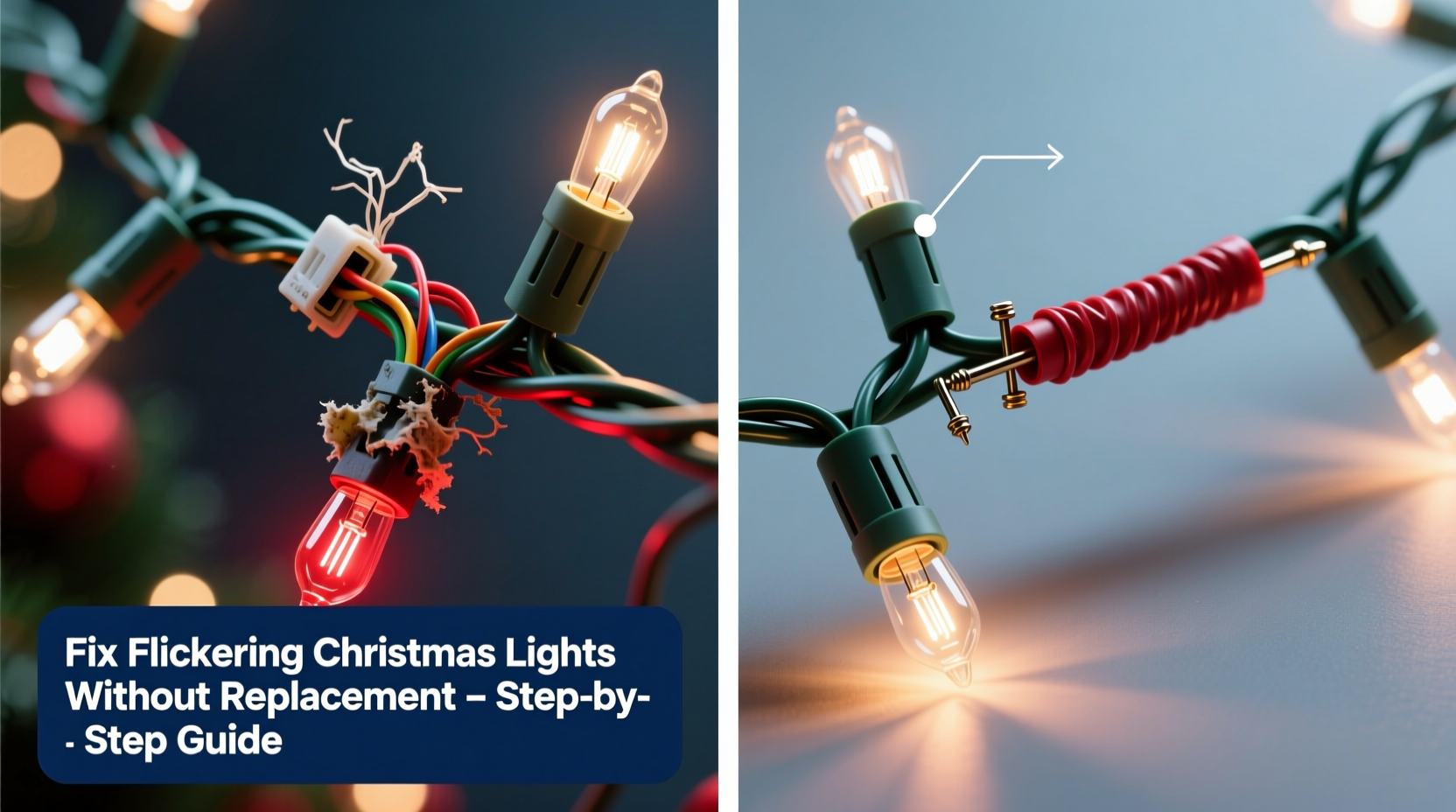
Before diving into solutions, it helps to understand the basic design of most traditional incandescent and LED Christmas light strings. Many modern strands are wired in series or a combination of series and parallel circuits. In a series circuit, each bulb shares the same electrical current; if one fails or becomes loose, it breaks the circuit for all downstream bulbs. This often results in partial or full flickering, especially when thermal expansion causes intermittent contact.
Miniature screw-base bulbs (common in older sets) have shunts—tiny wires inside the bulb base designed to bypass a burned-out filament. When functioning correctly, the shunt activates after a filament breaks, allowing the rest of the string to stay lit. However, faulty shunts, poor connections, or voltage fluctuations can disrupt this process, leading to flickering.
LED strings operate differently. They use low-voltage DC power and are often grouped in parallel segments. Flickering in LED sets is frequently due to driver or transformer issues, incompatible dimmers, or signal interference rather than individual bulb failure.
Common Causes of Flickering Christmas Lights
Flickering isn’t random—it’s a symptom of an underlying issue. Identifying the cause is half the battle. Here are the most frequent culprits:
- Loose Bulbs: The most common reason. Even a slightly unseated bulb can interrupt the circuit.
- Corroded or Dirty Sockets: Outdoor exposure leads to moisture buildup and oxidation, which interferes with conductivity.
- Faulty Shunts: In incandescent sets, a defective shunt fails to reroute current when a filament burns out.
- Damaged Wires: Cracked insulation, rodent damage, or kinks can create intermittent connections.
- Overloaded Circuits: Plugging too many strings into one outlet or power strip causes voltage drops.
- Incompatible Controllers or Timers: Some electronic timers or smart plugs send inconsistent power, causing flicker.
- Low-Quality or Aging Strings: Cheaply made lights degrade faster, especially after multiple seasons of storage.
Step-by-Step Guide to Fix Flickering Lights
Follow this systematic approach to diagnose and repair flickering without scrapping the entire strand.
- Unplug the String: Safety first. Never work on live electrical components.
- Check for Loose Bulbs: Gently press each bulb into its socket. Wiggle it slightly to test stability. Reseat any that feel loose.
- Replace Dark or Damaged Bulbs: Use a bulb tester or swap suspect bulbs with known-working ones. Focus on bulbs that appear dark or blackened.
- Clean the Sockets: Use a cotton swab dipped in rubbing alcohol to wipe corrosion from metal contacts inside the sockets. Let dry completely.
- Inspect Wiring: Run your fingers along the wire length looking for cuts, exposed copper, or soft spots. Pay extra attention to areas near plugs and connectors.
- Test the Fuse: Most plug ends contain small fuses. Remove the fuse cover and check for discoloration or breakage. Replace with the same rating (usually 3A or 5A).
- Use a Voltage Tester or LightKeeper Pro: These tools send a pulse through the circuit to clear shunt failures. Insert the probe into the socket and trigger the pulse while the string is plugged in.
- Check Power Source: Plug the string directly into a wall outlet (bypassing extension cords or timers). If it stops flickering, the issue lies in the power delivery system.
- Segment Test: For longer strings, divide into sections by plugging in only part of the run. Isolate where the flicker begins.
- Swap Out Controllers: If using a timer or dimmer, try running the lights without it. Some digital timers aren’t compatible with resistive or low-wattage loads.
“Most flickering problems stem from physical connection issues, not component failure. A methodical inspection catches 90% of cases.” — Greg Thompson, Electrical Technician & Holiday Lighting Specialist
Do’s and Don’ts When Repairing Christmas Lights
| Do’s | Don’ts |
|---|---|
| Use replacement bulbs from the same manufacturer and model. | Never mix bulb types (e.g., 2.5V with 3.5V) even if they fit. |
| Clean sockets with isopropyl alcohol and a dry swab. | Avoid water or household cleaners—they can leave conductive residue. |
| Store lights on reels or cardboard spools to prevent tangling. | Don’t yank tangled strings apart; this damages wires. |
| Replace blown fuses with identical amperage ratings. | Never bypass a fuse with foil or wire—fire hazard. |
| Use LED-compatible controllers if upgrading to LEDs. | Don’t overload outdoor outlets—stick to 80% capacity. |
Real Example: Fixing a Flickering Front Porch Display
Sarah in Portland had a favorite set of C7 red-and-white lights that framed her porch. Every year, the outer third would flicker or go dark. She assumed she’d need to replace the $45 string again—until she tried a structured fix.
She unplugged the lights and removed each bulb in the dead section, cleaning the sockets with alcohol. One socket was green with corrosion from winter rain. After drying, she reinserted the bulbs but still saw flickering. Using a LightKeeper Pro, she triggered a shunt-clearing pulse in the first dark bulb. The entire section lit up and stayed steady.
The culprit? A failed shunt compounded by moisture-induced resistance. By addressing both the mechanical and electrical aspects, Sarah restored the string for another five years—proving that persistence pays off.
Tips for Preventing Flicker Next Season
Maintenance doesn’t end when you take down the decorations. Smart storage and seasonal checks dramatically reduce future issues.
- Test Before Storing: At the end of the season, plug in each string and replace any failing bulbs before packing away.
- Seal Connections: For outdoor use, apply dielectric grease to plug connections to prevent moisture ingress.
- Use Reels or Boxes: Wrap lights around a piece of cardboard or a dedicated reel to avoid crushing wires.
- Keep Dry and Cool: Store in a climate-controlled area. Humidity promotes corrosion; heat degrades insulation.
- Label by Location: Mark strings used outdoors or in high-moisture areas so you can prioritize their inspection.
FAQ: Common Questions About Flickering Christmas Lights
Why do only some of my lights flicker?
Flickering in specific sections usually points to a localized issue—a loose bulb, corroded socket, or damaged wire in that segment. Series-wired strings are particularly sensitive to single-point failures.
Can LED Christmas lights flicker even if they’re new?
Yes. LED flicker is often caused by incompatible transformers, dimmers, or electromagnetic interference from nearby electronics. Ensure you’re using an LED-rated power supply and controller.
Is it safe to repair flickering lights myself?
Yes, as long as you work with the lights unplugged and avoid modifying internal wiring beyond bulb and fuse replacement. If you notice melted insulation or sparking, retire the string.
Final Checklist: Fix Flickering Without Replacement
- Unplug the light string.
- Visually inspect for damaged bulbs, wires, or sockets.
- Reseat all bulbs firmly in their sockets.
- Clean corroded contacts with rubbing alcohol.
- Replace any dark or broken bulbs with correct replacements.
- Check and replace fuses in the plug if necessary.
- Plug directly into a wall outlet (no extensions or timers).
- Use a shunt-repair tool like the LightKeeper Pro.
- Test in sections to isolate faults.
- If stable, reinstall with proper strain relief and weatherproofing.
Conclusion: Keep the Holidays Bright—Without Breaking the Bank
Flickering Christmas lights don’t mean the end of the line for your favorite string. With a little patience and the right approach, most issues are fixable using tools you likely already own. From loose bulbs to corroded sockets, the causes are often simple and the repairs straightforward. By understanding how your lights function and taking preventive steps each season, you’ll spend less time troubleshooting and more time enjoying the glow of the holidays.




 浙公网安备
33010002000092号
浙公网安备
33010002000092号 浙B2-20120091-4
Comments
No comments yet. Why don't you start the discussion?