
Uneven eyebrow growth is a common concern that affects people of all ages and genders. Whether one brow arches higher, patches appear thinner on one side, or hairs seem to grow in unpredictable directions, asymmetry can be frustrating—especially when grooming efforts don’t yield balanced results. While perfect symmetry is rare (and not even necessary for attractiveness), noticeable imbalances can impact confidence and daily styling routines.
The causes of uneven growth are often more complex than simple over-plucking. They stem from a mix of biological, behavioral, and environmental factors. The good news: with the right understanding and consistent care, you can support healthier, more symmetrical regrowth. This guide explores the root reasons behind uneven brows and provides actionable strategies to improve balance and fullness over time.
Understanding Eyebrow Growth Cycles
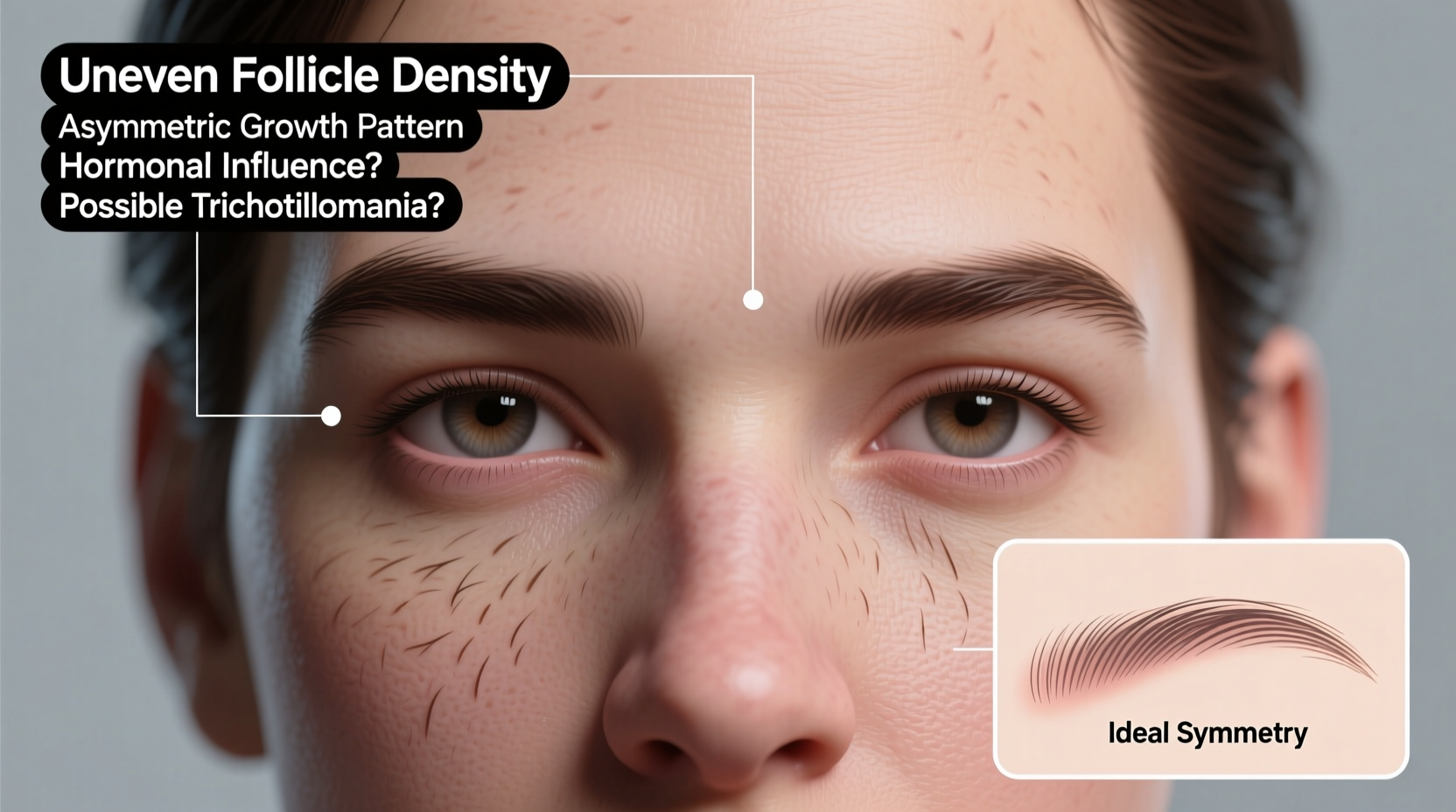
Eyebrows, like scalp hair, follow a cyclical growth pattern made up of three phases: anagen (growth), catagen (transition), and telogen (resting). However, eyebrow hairs have a much shorter anagen phase—typically lasting only 30 to 45 days compared to years for scalp hair. This means they don’t grow as long and shed more frequently.
Because each hair follicle operates independently, it’s normal for some hairs to be in different stages at any given time. When multiple follicles on one side enter the resting phase simultaneously, that area may appear thinner. Over time, this natural variation can create the illusion of unevenness—even if both brows are fundamentally healthy.
External disruptions—like plucking, waxing, or trauma—can further desynchronize these cycles. Repeated manipulation of one area may damage follicles or cause inflammation, delaying regrowth and contributing to persistent asymmetry.
“Facial hair growth, including eyebrows, is inherently asymmetrical due to genetic and hormonal variations across the face.” — Dr. Lena Torres, Dermatologist & Hair Specialist
Common Causes of Uneven Eyebrow Growth
Symmetry in facial features is more the exception than the rule. Slight differences between the left and right sides of the face are completely normal. But when eyebrow imbalance becomes pronounced, it often points to one or more underlying causes:
- Natural facial asymmetry: Most faces aren’t perfectly symmetrical. One brow bone may sit higher, or muscle use may differ slightly, influencing hair distribution.
- Over-grooming habits: Many people unconsciously favor one hand when tweezing, leading to over-thinning on one side. Mirror angles and lighting can also distort perception, causing unintentional over-plucking.
- Hormonal fluctuations: Changes during puberty, pregnancy, menopause, or thyroid imbalances can affect hair growth patterns, sometimes more noticeably on one side.
- Skin conditions: Eczema, psoriasis, or seborrheic dermatitis near the brows can inflame follicles and disrupt growth.
- Trauma or scarring: Accidents, burns, or repeated waxing can damage follicles permanently in localized areas.
- Nutritional deficiencies: Low levels of iron, biotin, zinc, or protein can impair keratin production and slow hair regrowth.
- Medical conditions: Alopecia areata, trichotillomania, or thyroid disorders may lead to patchy or stunted growth.
How to Encourage Symmetrical Eyebrow Growth
While you can’t force perfect symmetry, you can create optimal conditions for balanced regrowth. The key is patience and consistency—eyebrow transformation takes months, not weeks. Below are proven strategies to support healthier, fuller brows.
1. Minimize Mechanical Stress
Give your brows a break from tweezing, waxing, or threading for at least 8–12 weeks. Constant manipulation irritates follicles and can lead to traction alopecia—a condition where hair stops growing due to chronic pulling.
2. Nourish Follicles with Growth Serums
Brow serums containing peptides, biotin, or prostaglandin analogs (like isopropyl cloprostenate) can stimulate dormant follicles. Look for products clinically tested for safety and efficacy. Apply daily with a sterile applicator, focusing on sparse areas.
3. Improve Nutrition
Diet plays a crucial role in hair health. Prioritize foods rich in:
- Biotin (eggs, nuts, sweet potatoes)
- Iron (spinach, lentils, red meat)
- Zinc (pumpkin seeds, shellfish)
- Omega-3 fatty acids (salmon, flaxseeds)
- Protein (lean meats, legumes, dairy)
4. Massage for Circulation
Gentle daily massage increases blood flow to follicles, delivering oxygen and nutrients. Use clean fingertips or a spoolie brush to stroke along the brow line for 1–2 minutes per side. For added benefit, use a drop of castor or rosemary oil—both shown in studies to support hair growth.
5. Address Underlying Health Issues
If uneven growth appears suddenly or worsens over time, see a dermatologist. Blood tests can check for thyroid dysfunction, vitamin deficiencies, or autoimmune conditions affecting hair.
“Castor oil’s ricinoleic acid has anti-inflammatory properties that may help revive sluggish follicles when applied consistently.” — Dr. Alan Kim, Trichology Researcher
Step-by-Step Guide to Balanced Brow Regrowth (12-Week Plan)
Follow this structured timeline to maximize symmetry and minimize setbacks:
- Week 1–4: Pause grooming. Stop all plucking, waxing, and threading. Trim only if hairs extend far beyond natural shape.
- Week 3: Begin nightly serum application. Apply to both brows, emphasizing thinner areas. Use upward strokes for uniform direction.
- Week 5: Start gentle massage. Perform daily using fingertips or a clean spoolie. Do not scrub or tug.
- Week 6: Evaluate diet. Add two nutrient-dense foods per day (e.g., eggs + spinach) to support keratin synthesis.
- Week 8: Assess progress. Take photos under consistent lighting. Note changes in density and texture.
- Week 9–12: Introduce conditioning oils. Apply diluted rosemary or castor oil 3x/week before bed. Wash off in the morning if needed.
- Week 12+: Refine shape minimally. If regrowth is visible, tweeze only stray hairs outside the natural arch—never reshape.
Brow Care Do’s and Don’ts
| Do | Don't |
|---|---|
| Use a brow serum with proven ingredients like peptides or botanical extracts. | Use untested DIY oils or essential oils undiluted—they can cause irritation. |
| Massage gently to boost circulation without damaging follicles. | Rub aggressively or use dirty hands—risk of infection is real. |
| Eat a protein-rich, balanced diet to fuel hair growth. | Skip meals or rely on processed foods low in micronutrients. |
| Protect brows from harsh chemicals in skincare or makeup removers. | Use alcohol-based cleansers near brows—they dry out delicate skin. |
| See a specialist if you notice sudden loss or bald patches. | Ignore signs of medical conditions like thyroid issues or alopecia. |
Real Example: Maria’s Journey to Balanced Brows
Maria, 32, had struggled with uneven brows since her teens. She favored her right hand when tweezing and unknowingly thinned her left brow over years. By her late twenties, the difference was obvious—one brow arched high and full; the other sat flat and sparse.
After researching brow health, she stopped plucking entirely and began a nightly routine: cleansing, applying a peptide-based serum, and massaging with diluted rosemary oil. She also added iron-rich greens and eggs to her diet and took a B-complex supplement.
At six weeks, she noticed tiny vellus hairs emerging along the lower edge of her left brow. By week 12, density improved significantly. After five months, her brows were nearly symmetrical in volume. She now maintains them with minimal grooming and credits patience and consistency for her results.
Frequently Asked Questions
Can I make my eyebrows grow faster?
You can’t speed up the natural growth cycle, which averages 30–45 days for individual hairs. However, optimizing nutrition, using growth serums, and improving blood flow can help follicles stay in the growth phase longer and reduce shedding.
Will my eyebrows grow back the same after over-plucking?
In most cases, yes—if the follicle isn’t permanently damaged. Mild to moderate over-plucking typically allows regrowth within 3–6 months. Chronic trauma, however, can lead to scarring and permanent loss. Early intervention improves outcomes.
Is it normal for one eyebrow to grow faster than the other?
Yes. Due to subtle differences in blood supply, hormone receptor sensitivity, and nerve activity, one side may respond faster to care. This is temporary. With consistent treatment, balance usually evens out over time.
Final Thoughts and Next Steps
Uneven eyebrow growth is rarely a sign of serious health issues—but it can signal habits or imbalances worth addressing. Genetics, grooming behaviors, and lifestyle all play roles. The path to symmetry isn’t about perfection; it’s about nurturing what you have and supporting your body’s natural healing processes.
Start today by putting down the tweezers, evaluating your routine, and committing to a 12-week care plan. Track your progress, adjust as needed, and remember: small, consistent actions yield the most lasting results.




 浙公网安备
33010002000092号
浙公网安备
33010002000092号 浙B2-20120091-4
Comments
No comments yet. Why don't you start the discussion?