
As the years pass, subtle changes in appearance become more noticeable—fine lines deepen, skin loses elasticity, and hair begins to thin. Among these shifts, eyebrow thinning often goes overlooked until it affects facial symmetry or expression. Once full and defined, brows may grow sparser, lighter, or uneven. While this transformation is a natural part of aging, it doesn’t mean you’re powerless to respond. Understanding the biological mechanisms behind thinning eyebrows—and knowing which natural strategies can stimulate regrowth—is essential for maintaining confidence and facial harmony.
The Biology of Eyebrow Thinning with Age
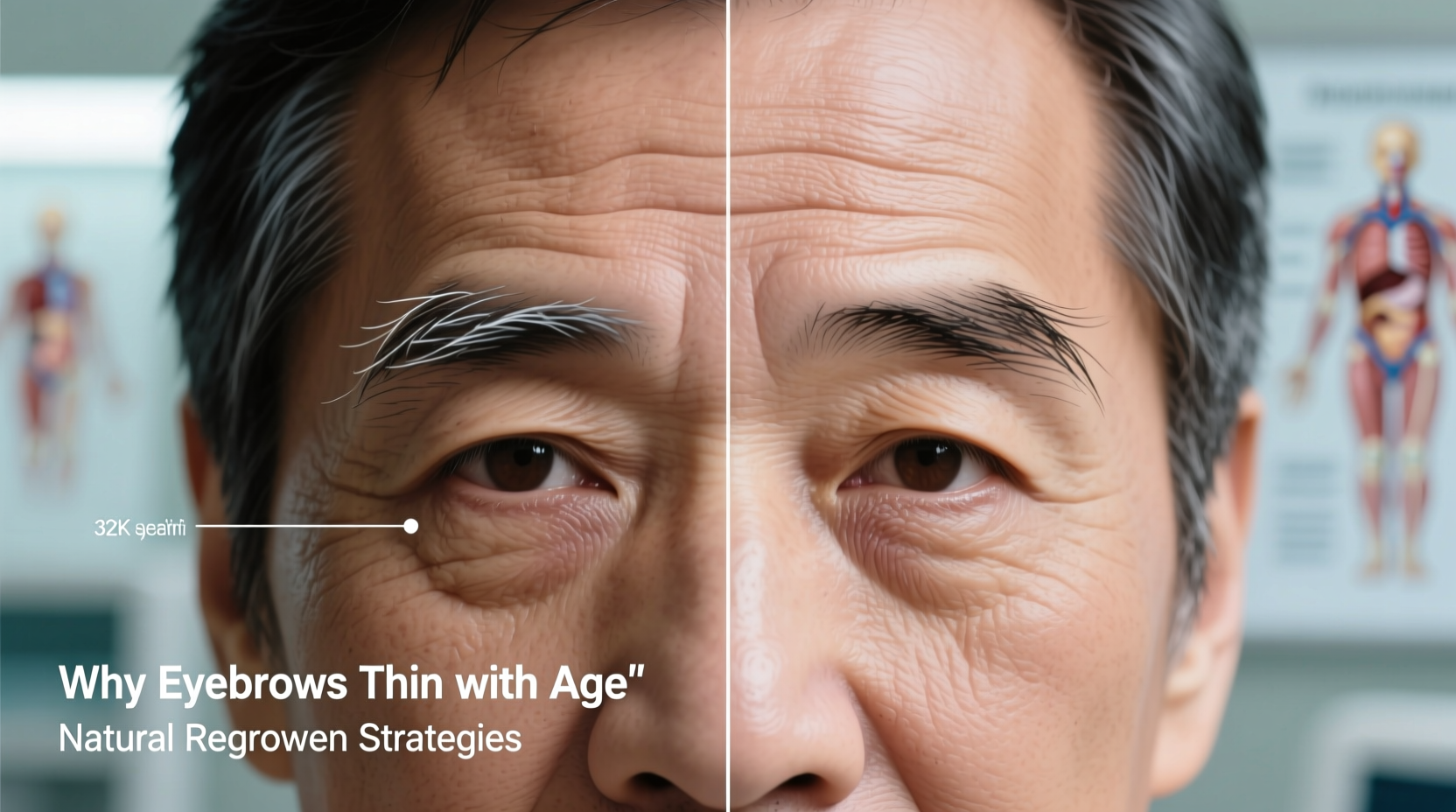
Eyebrows, like scalp hair, go through a cyclical growth process consisting of three phases: anagen (growth), catagen (transition), and telogen (resting). With age, the duration of the anagen phase shortens, meaning hairs spend less time actively growing. This results in finer, shorter strands that are more prone to shedding. Additionally, the density of hair follicles on the brow area diminishes due to hormonal fluctuations, decreased blood circulation, and cumulative environmental damage.
One key factor is the decline in hormone production, particularly estrogen and progesterone in women and testosterone in men. These hormones influence keratin synthesis and follicle vitality. As levels drop during perimenopause, menopause, or andropause, eyebrow hair becomes weaker and slower to regenerate. Moreover, oxidative stress from UV exposure and pollution accelerates cellular aging in follicles, further impairing their function.
“Hair follicles in the eyebrow region are sensitive to systemic changes. Aging-related hormonal shifts directly impact their ability to sustain robust growth cycles.” — Dr. Lena Patel, Dermatologist & Hair Specialist
Common Causes Beyond Natural Aging
While chronological aging plays a central role, several other factors contribute to eyebrow loss or thinning:
- Hormonal imbalances: Thyroid disorders (hypothyroidism or hyperthyroidism) disrupt hair growth patterns across the body, including eyebrows. A classic sign of hypothyroidism is thinning at the outer third of the brow.
- Nutritional deficiencies: Low iron, vitamin D, zinc, biotin, and protein intake impair keratin production and follicle health.
- Over-plucking and trauma: Chronic waxing, threading, or tweezing can cause traction alopecia—permanent damage when follicles scar and stop producing hair.
- Skin conditions: Eczema, psoriasis, or seborrheic dermatitis around the brows can inflame follicles and hinder growth.
- Medications: Chemotherapy, retinoids, beta-blockers, and some acne treatments list hair thinning as a side effect.
- Autoimmune diseases: Conditions like alopecia areata target hair follicles, leading to patchy or complete eyebrow loss.
Natural Approaches to Support Eyebrow Regrowth
Although genetics and age cannot be reversed, the right combination of lifestyle adjustments and topical care can create an environment conducive to healthier, fuller brows. Natural regrowth isn't instantaneous—it requires consistency and patience—but many individuals report visible improvements within 3 to 6 months.
1. Optimize Nutrition for Hair Health
Healthy hair starts from within. Nutrients critical for eyebrow regeneration include:
- Protein: Hair is primarily made of keratin, a structural protein. Include lean meats, eggs, legumes, and quinoa in your diet.
- Iron: Iron deficiency, especially in premenopausal women, correlates strongly with hair loss. Boost intake with spinach, lentils, red meat, and fortified cereals.
- Vitamin D: Supports follicle cycling. Sunlight exposure and foods like fatty fish, egg yolks, or supplements help maintain optimal levels.
- Biotin (B7): Enhances keratin infrastructure. Found in nuts, sweet potatoes, and organ meats.
- Zinc: Regulates oil glands around follicles and aids tissue repair. Oysters, pumpkin seeds, and chickpeas are excellent sources.
2. Use Nourishing Topical Oils
Certain plant-based oils have demonstrated properties that improve circulation, reduce inflammation, and condition fragile brow hairs.
| Oil Type | Key Benefits | How to Apply |
|---|---|---|
| Castor Oil | High in ricinoleic acid; boosts circulation and has antimicrobial effects | Apply nightly with a clean spoolie; leave overnight |
| Coconut Oil | Penetrates hair shafts; reduces protein loss and moisturizes skin | Gently massage into brows before bed |
| Jojoba Oil | Mimics natural sebum; prevents dryness and flaking | Mix with castor oil for enhanced absorption |
| Argan Oil | Rich in vitamin E and antioxidants; strengthens hair | Use 2–3 drops daily after cleansing |
3. Massage to Stimulate Follicles
Gentle daily massage increases blood flow to the brow area, delivering oxygen and nutrients to dormant follicles. Using fingertips or a microbrush, apply light pressure in circular motions for 2–3 minutes each evening. This practice not only supports regrowth but also relaxes facial muscles, reducing tension-related frowning.
4. Avoid Harsh Cosmetic Habits
Stop behaviors that strain or damage follicles:
- Limit plucking to shaping only—avoid over-tweezing.
- Switch to hypoallergenic, fragrance-free brow products.
- Remove makeup thoroughly every night to prevent clogged follicles.
- Avoid waterproof formulas that require aggressive rubbing to remove.
Step-by-Step Guide to Natural Eyebrow Revival (3-Month Plan)
Regrowth is most effective when approached systematically. Follow this timeline to build sustainable habits:
- Week 1–2: Assess & Reset
- Take a baseline photo of your brows.
- Discontinue harsh plucking or waxing.
- Begin tracking diet; identify potential nutrient gaps.
- Week 3–4: Introduce Topical Care
- Start nightly application of castor oil or a blend (e.g., 1 part castor + 2 parts jojoba).
- Add gentle brow massage into your evening routine.
- Switch to mild cleansers and non-comedogenic skincare.
- Month 2: Optimize Internally
- Incorporate iron-rich and protein-dense foods daily.
- Consider a blood test for ferritin, vitamin D, and thyroid markers.
- If deficient, begin supplementation under medical guidance.
- Month 3: Monitor & Refine
- Compare new photos to baseline; note changes in thickness or coverage.
- Adjust oil blends based on skin tolerance (e.g., reduce castor if irritation occurs).
- Introduce a weekly exfoliation using a soft toothbrush to clear dead skin cells.
Real Example: Maria’s Journey to Fuller Brows
Maria, a 54-year-old teacher from Portland, noticed her eyebrows fading over two years. Initially attributing it to aging, she became concerned when the outer edges nearly disappeared. After consulting her doctor, she discovered mild hypothyroidism and low ferritin levels. Alongside prescribed medication, she adopted a holistic regimen: daily castor oil massages, increased intake of spinach and lentils, and eliminated waterproof brow gels.
Within four months, fine hairs began reappearing along the tail of her brows. By six months, she regained 70% of her original density. “I didn’t expect such a change just from oils and diet,” she said. “But now I look in the mirror and feel more like myself again.”
Do’s and Don’ts of Natural Eyebrow Regrowth
| Do | Don’t |
|---|---|
| Be consistent with nightly oil application | Expect overnight results |
| Support growth with balanced nutrition | Over-pluck or wax frequently |
| Protect brows from sun with hats or SPF-safe barriers | Use expired or shared cosmetic tools |
| Consult a dermatologist for sudden loss | Ignore signs of skin irritation or infection |
Frequently Asked Questions
Can eyebrows grow back after years of plucking?
It depends on the extent of follicle damage. If the follicle is still intact, regrowth is possible with proper stimulation and care. However, long-term, aggressive plucking can lead to scarring and permanent loss. Early intervention improves outcomes.
Is there scientific evidence that castor oil works for eyebrow growth?
While no large-scale clinical trials specifically confirm castor oil’s efficacy for eyebrows, its high ricinoleic acid content has documented anti-inflammatory and circulation-boosting properties. Anecdotal reports and small dermatological observations suggest it supports hair retention and conditioning, though it may not induce growth in completely inactive follicles.
How long does it take to see results from natural methods?
Most people notice subtle improvements—such as reduced shedding or finer baby hairs—within 6 to 8 weeks. Visible thickening typically takes 3 to 6 months of consistent effort. Patience and routine adherence are crucial.
Checklist: Your Natural Eyebrow Revival Action Plan
- ✅ Assess current brow condition with a close-up photo
- ✅ Eliminate over-plucking and harsh cosmetics
- ✅ Begin nightly oil treatment (castor, coconut, or blend)
- ✅ Incorporate protein, iron, and biotin-rich foods
- ✅ Start daily brow massage (2–3 minutes)
- ✅ Schedule a blood test if unexplained thinning occurs
- ✅ Re-evaluate progress monthly
Conclusion: Embrace the Process, Restore Confidence
Thinning eyebrows are a common yet deeply personal aspect of aging. While they may signal the passage of time, they don’t have to represent irreversible loss. With informed choices—from nourishing your body with the right nutrients to treating delicate brow follicles with care—you can encourage natural regrowth and restore facial balance. The journey demands consistency, but the results extend beyond aesthetics: fuller brows enhance expression, frame the eyes, and reaffirm self-image.




 浙公网安备
33010002000092号
浙公网安备
33010002000092号 浙B2-20120091-4
Comments
No comments yet. Why don't you start the discussion?