
It’s not uncommon for women and men who wear eyelash extensions to notice increased shedding or even thinning of their natural lashes over time. While extensions can enhance beauty and save morning routine minutes, improper application, aftercare, or extended use can compromise lash health. The good news? Most of this damage is preventable—and often reversible—with the right knowledge and natural care practices.
Natural lashes follow a growth cycle just like scalp hair: anagen (growth), catagen (transition), and telogen (resting/shedding). When extensions are applied too heavily, glued incorrectly, or removed improperly, they disrupt this cycle, leading to premature shedding, traction alopecia, or weakened follicles. Understanding the causes and adopting gentle, science-backed habits can help you enjoy longer lashes—naturally and safely.
Understanding Why Eyelashes Fall Out After Extensions
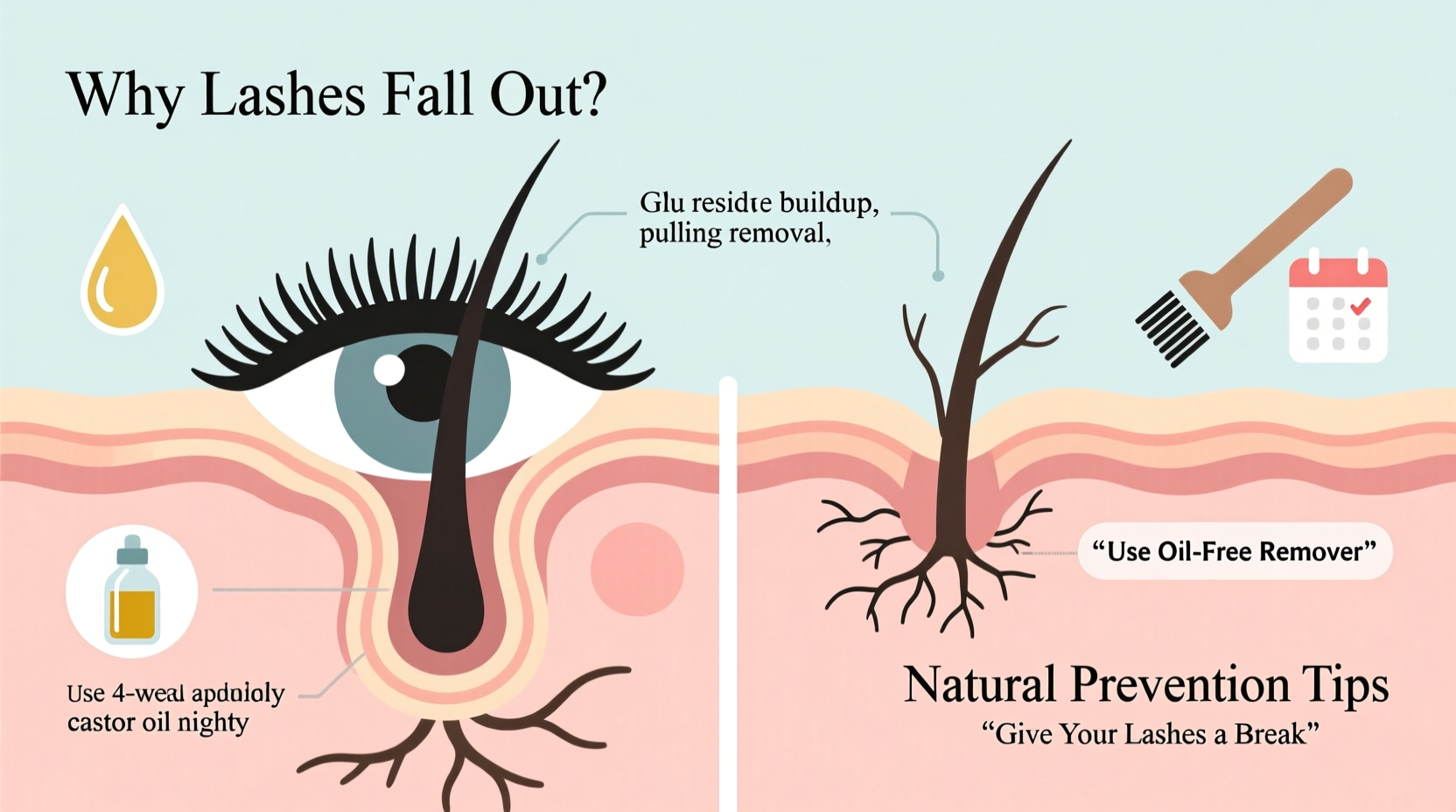
The most common reason people experience lash loss after wearing extensions is mechanical stress. Each natural lash is only meant to support one extension. When multiple extensions are glued to a single lash (a practice known as “volume stacking” without proper training), it creates excess weight. This added strain pulls on the follicle, weakening it over time and causing the lash to shed before its natural cycle completes.
Another major factor is poor adhesive quality or improper curing. Harsh glues containing high levels of cyanoacrylate can irritate the delicate skin around the eyes and even damage the lash shaft. If the adhesive doesn’t cure properly due to humidity imbalances during application, it may remain slightly sticky, causing lashes to stick together and break when moved.
Improper removal is equally damaging. Many individuals attempt to pull off extensions at home instead of having them professionally dissolved with a safe remover. This pulling leads to breakage and can uproot natural lashes still in their growth phase.
“Repeated trauma from heavy extensions or aggressive removal can lead to permanent lash loss in severe cases.” — Dr. Lena Patel, Oculofacial Specialist
Natural Strategies to Prevent Lash Damage and Promote Regrowth
The key to maintaining healthy lashes lies in prevention, nourishment, and allowing time for recovery. Once damage occurs, patience and consistent care are essential for regrowth. Here are evidence-based, natural methods to protect and strengthen your lashes.
1. Choose Lightweight, Properly Applied Extensions
If you continue to wear extensions, opt for classic styles over dense volume fans. Ensure your technician uses a 1:1 ratio—one extension per natural lash—and selects lightweight synthetic or silk fibers. Heavier mink-style lashes may look dramatic but increase the risk of fallout.
2. Use Natural Oils to Nourish Follicles
Certain plant-based oils have been shown to improve hair strength and stimulate circulation to follicles. Castor oil, rich in ricinoleic acid, is widely used for lash enhancement due to its thickening properties. A 2019 study published in *Skin Appendage Disorders* found that participants using castor oil reported improved hair density and reduced brittleness.
Other beneficial oils include:
- Coconut oil – antimicrobial and deeply moisturizing
- Jojoba oil – mimics natural sebum, helping condition without clogging
- Argan oil – high in vitamin E and antioxidants
Apply a small amount using a clean spoolie or cotton swab to the base of your lashes every night before bed. Avoid getting oil into your eyes, and always patch test first if you have sensitive skin.
3. Maintain a Nutrient-Rich Diet
Lash health reflects overall internal wellness. Deficiencies in protein, biotin, iron, and essential fatty acids can contribute to brittle, slow-growing lashes. Incorporate these foods into your daily meals:
- Eggs (rich in biotin and protein)
- Spinach (high in iron and folate)
- Fatty fish like salmon (omega-3s for follicle health)
- Nuts and seeds (vitamin E and zinc)
- Avocados (healthy fats for keratin production)
4. Practice Gentle Cleansing Routines
Residue buildup from makeup, glue, or skincare products can clog follicles and weaken lashes. However, harsh rubbing or using oil-based removers near extensions can loosen bonds prematurely. Instead, use a mild, pH-balanced facial cleanser or micellar water with a soft cotton pad. Gently swipe along the lash line without tugging.
Avoid waterproof mascara if growing out damaged lashes—it requires more aggressive removal and increases breakage risk.
Do’s and Don’ts of Lash Extension Aftercare
| Do’s | Don’ts |
|---|---|
| Brush lashes gently daily with a clean spoolie | Use oily skincare or makeup removers near lashes |
| Keep lashes dry for the first 24 hours post-application | Sleep on your face or press lashes against pillows |
| Get touch-ups every 2–3 weeks to reduce strain | Pull out tangled or stuck-together lashes |
| Take breaks between extension cycles | Use mechanical curlers on extended lashes |
| Wash lash line weekly with diluted baby shampoo | Apply mascara to already extended lashes |
Step-by-Step Guide to Recovering From Lash Damage
If you’ve noticed significant thinning or bald patches after removing extensions, follow this timeline to encourage recovery:
- Week 1–2: Stop All Extensions & Makeup
Give your lashes a complete rest. Avoid mascara, eyeliner, and false lashes. Focus on cleansing and hydration. - Week 3–4: Begin Oil Treatments
Start applying castor or jojoba oil nightly. Use a sterile applicator and massage lightly to boost blood flow. - Week 5–8: Add a Lash Serum (Optional)
Choose a peptide-based serum free of prostaglandins (which can cause side effects). Apply once daily to the lash line. - Month 3–6: Monitor Growth & Adjust Diet
Natural lashes grow slowly—about 0.15mm per day. Track progress monthly with photos. Optimize nutrition and manage stress, which affects hormone balance and hair growth. - After 6 Months: Reassess
If no improvement is seen, consult a dermatologist. Persistent loss could indicate underlying conditions like hypothyroidism or alopecia areata.
Real-Life Example: Sarah’s Lash Recovery Journey
Sarah, a 32-year-old marketing executive, wore eyelash extensions continuously for nearly two years. She loved the convenience but began noticing her natural lashes were shorter and sparser each time she refilled. After a vacation where she forgot her refill appointment, she decided to go bare. To her dismay, her lashes looked patchy and broke easily.
She consulted a licensed esthetician who advised a six-month recovery plan. Sarah stopped all extensions, switched to a gentle foaming eye cleanser, and started nightly applications of cold-pressed castor oil. She also added a biotin supplement and increased her intake of leafy greens and eggs.
By month four, she noticed new, darker lashes growing in. By month six, her lash line was fuller than it had been in years. Today, she wears extensions only seasonally and prioritizes natural care year-round.
Expert-Recommended Checklist for Healthy Lashes
To maintain strong, resilient lashes—whether you wear extensions or not—follow this actionable checklist:
- ✅ Use only trained, certified lash technicians
- ✅ Limit extension wear to 6–8 weeks at a time
- ✅ Never pull out extensions yourself
- ✅ Cleanse lash line gently 2–3 times per week
- ✅ Apply natural oil treatments 4–7 nights per week
- ✅ Eat a balanced diet rich in protein and vitamins
- ✅ Avoid rubbing your eyes or sleeping face-down
- ✅ Replace mascara every 3 months to prevent bacterial buildup
- ✅ Consider taking a break from eye makeup once a week
- ✅ Stay hydrated—dry lashes are more prone to breakage
Frequently Asked Questions
How long does it take for eyelashes to grow back after extensions?
Most natural lashes will regrow within 6 to 8 weeks if the follicle hasn’t been permanently damaged. Full restoration of thickness may take 3 to 6 months, depending on individual health and care practices.
Can I wear eyelash extensions without damaging my natural lashes?
Yes—but only if they’re applied correctly by a skilled technician using lightweight materials and proper isolation techniques. Even then, rotating periods of wear with extension-free breaks is crucial for long-term health.
Are there any side effects to using castor oil on lashes?
For most people, castor oil is safe. However, some may experience mild irritation or allergic reactions. Always patch test behind the ear first. Avoid getting oil into the eyes, as it can cause temporary blurriness or discomfort.
Protect Your Lashes, Preserve Your Beauty
Your natural lashes are more than just a cosmetic feature—they protect your eyes from debris and play a role in facial expression and symmetry. Subjecting them to constant stress for aesthetic gain risks long-term damage that may not be immediately visible. The decision to wear extensions shouldn’t come at the cost of your natural beauty.
By choosing lighter styles, respecting growth cycles, and nurturing your lashes with natural oils and proper nutrition, you can enjoy both enhanced appearance and lasting health. Whether you're recovering from damage or aiming to prevent it, small, consistent actions today create stronger, fuller lashes tomorrow.




 浙公网安备
33010002000092号
浙公网安备
33010002000092号 浙B2-20120091-4
Comments
No comments yet. Why don't you start the discussion?