
It’s a common yet frustrating experience: you wear your favorite waterproof mascara for long-lasting definition, only to notice clumps of eyelashes in the sink the next morning. While losing a few lashes daily is normal—part of the natural hair growth cycle—excessive fallout after using waterproof mascara is often a sign of avoidable damage. The issue isn’t necessarily the product itself, but how it’s used, removed, and how well your lashes are cared for in between applications.
Understanding the science behind lash loss and the mechanical stress caused by waterproof formulas can help you make smarter choices. With proper techniques and preventive care, you can enjoy bold, voluminous lashes without sacrificing their health.
The Science Behind Eyelash Shedding
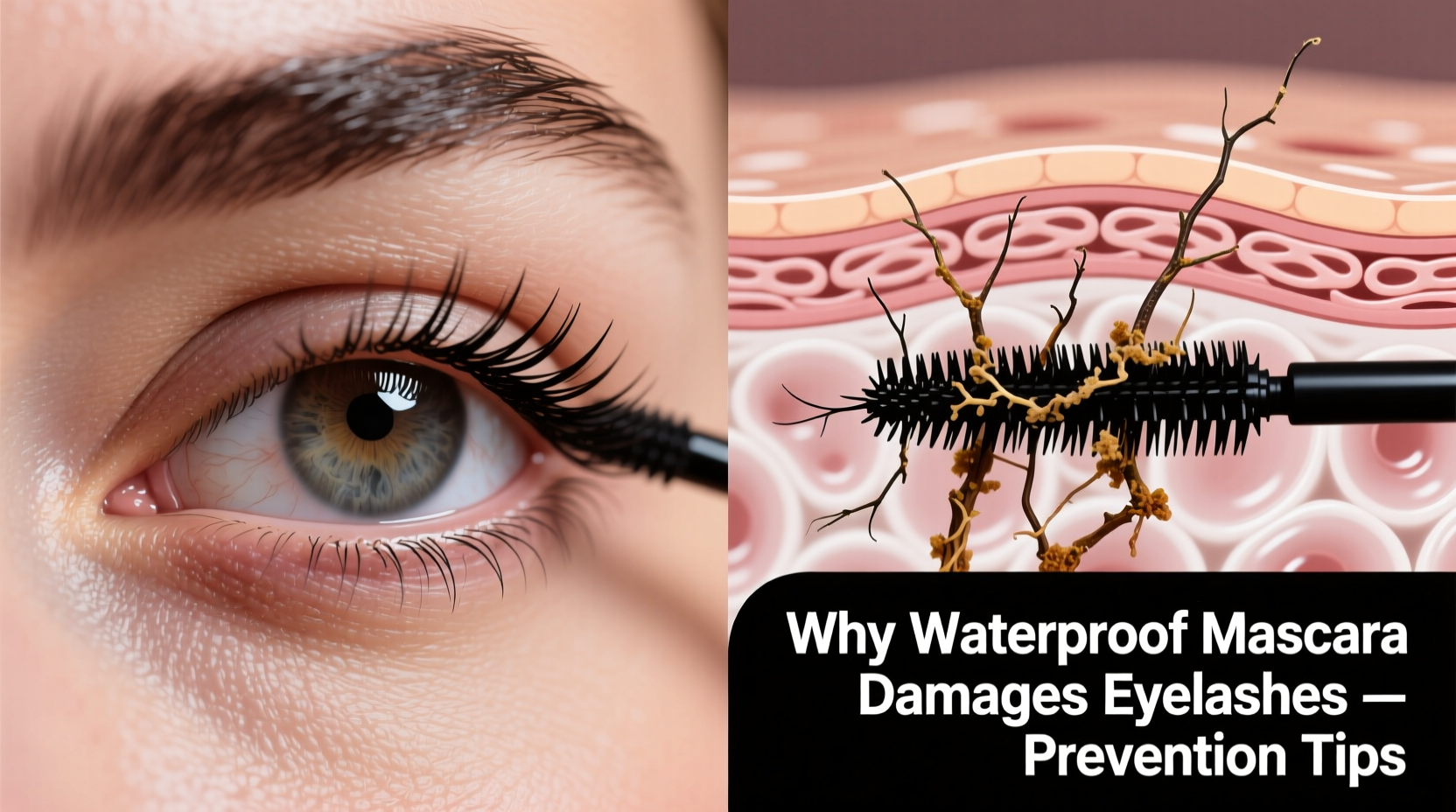
Human eyelashes follow a growth cycle similar to scalp hair, consisting of three phases: anagen (growth), catagen (transition), and telogen (resting/shedding). On average, each lash grows for 30–45 days before naturally falling out to make room for a new one. Most people lose 1–5 lashes per day, which is unnoticeable under normal circumstances.
However, external factors such as friction, chemical exposure, and improper removal can accelerate this shedding process. Waterproof mascara, due to its formulation and tenacity, increases the risk of mechanical trauma when removed. Unlike regular mascaras that dissolve with water or gentle cleansers, waterproof versions are designed to resist moisture, sweat, and oil—making them much harder to take off.
This resistance requires more force during cleansing, often leading users to rub, tug, or pull at their lashes. Over time, this repetitive stress weakens the hair shaft and damages the follicle, resulting in premature shedding and even long-term thinning.
Why Waterproof Mascara Is More Damaging Than Regular Formulas
Waterproof mascaras contain polymers and waxes engineered to form a durable, water-resistant film around each lash. These ingredients create a strong bond that resists smudging and flaking throughout the day. While effective for performance, they also adhere tightly to both the lash and surrounding skin.
When it comes time to remove the mascara, many people resort to harsh scrubbing with cotton pads, fingers, or rough cloths. This friction pulls on delicate lashes, increasing the chance of breakage or dislodging lashes still in their growth phase. Additionally, frequent use of drying makeup removers—especially those containing alcohol—can strip natural oils from the lash line, leading to brittleness and increased fragility.
A study published in the *International Journal of Trichology* notes that chronic mechanical stress from cosmetic use is a leading contributor to acquired madarosis—the medical term for eyelash loss. The research highlights that while cosmetics aren't inherently harmful, improper usage patterns significantly elevate the risk.
“Repeated tugging and aggressive removal of waterproof mascara can traumatize the lash follicle, potentially leading to permanent thinning if not addressed.” — Dr. Lena Torres, Oculofacial Specialist
How to Prevent Lash Damage: A Step-by-Step Guide
Maintaining healthy eyelashes doesn’t mean giving up waterproof mascara entirely. Instead, adopt a mindful approach to application and removal. Follow this timeline to minimize damage and support lash longevity.
- Choose a High-Quality Formula: Opt for waterproof mascaras labeled “ophthalmologist-tested” or “safe for sensitive eyes.” Avoid products with high concentrations of parabens or formaldehyde-releasing preservatives.
- Use Sparingly: Reserve waterproof mascara for occasions when you need extra staying power—like weddings, workouts, or rainy days. Daily use increases cumulative stress.
- Apply Gently: Wipe excess product off the wand before applying. Build volume in thin layers rather than loading lashes with thick coats, which increase weight and strain.
- Remove with Care: Soak a cotton pad with an oil-based eye makeup remover (such as micellar oil or coconut oil). Press it gently against closed eyelids for 20–30 seconds to let the product dissolve the mascara before wiping downward—never back-and-forth.
- Cleanse Thoroughly: After removing mascara, wash your face with a mild facial cleanser to eliminate any residue that could clog follicles.
- Nourish Nightly: Apply a lash serum or a drop of vitamin E oil along the lash line before bed to strengthen follicles and promote regrowth.
- Take Breaks: Designate mascara-free days—especially overnight—to allow lashes to breathe and recover.
Lash Care Checklist: Daily & Weekly Habits
To keep your lashes strong and resilient, integrate these habits into your routine:
- ✅ Remove makeup every night—even if you’re tired
- ✅ Use a non-comedogenic, oil-based eye remover
- ✅ Avoid waterproof mascara on a daily basis
- ✅ Replace mascara every 3 months to prevent bacterial buildup
- ✅ Never share mascara or use old, dried-out tubes
- ✅ Sleep on a silk pillowcase to reduce friction
- ✅ Incorporate biotin or omega-3 supplements if approved by your doctor
- ✅ Avoid eyelash extensions if you're already experiencing thinning
Do’s and Don’ts of Waterproof Mascara Use
| Do’s | Don’ts |
|---|---|
| Use a dual-phase or oil-based remover | Rub or pull at your lashes aggressively |
| Let remover sit for 20–30 seconds before wiping | Use alcohol-heavy wipes or foaming cleansers on eyes |
| Condition lashes with castor or argan oil | Sleep in your mascara |
| Replace mascara every 90 days | Use expired or clumpy products |
| Wear regular mascara on most days | Apply multiple heavy coats daily |
Real Example: Recovering From Lash Damage
Samantha, a 29-year-old marketing executive, wore waterproof mascara every day for over two years. She loved the smudge-proof finish for long workdays and client meetings. However, she began noticing her lashes were shorter, sparser, and falling out in clusters. After consulting a dermatologist, she learned that her aggressive removal technique—using dry cotton pads and rubbing vigorously—was the primary culprit.
Following a six-week recovery plan, Samantha switched to a gentler routine: she used waterproof mascara only twice a week, adopted a micellar cleansing oil, and applied a peptide-based lash serum nightly. Within two months, her lash density improved noticeably, and shedding returned to normal levels. Her experience underscores how small changes can yield significant results.
Choosing the Right Products for Sensitive Lashes
Not all waterproof mascaras are created equal. Some formulations are gentler on lashes due to better ingredient profiles and brush designs. Look for features like:
- Flexible polymer systems that don’t harden excessively on lashes
- Tapered, soft-bristle brushes that distribute product evenly without clumping
- Hydrating additives like panthenol or glycerin to condition while wearing
Brands such as Almay, Clinique, and Neutrogena offer ophthalmologist-tested options specifically designed for contact lens wearers and sensitive eyes. These tend to be less irritating and easier to remove than drugstore alternatives packed with synthetic waxes.
Similarly, when selecting a remover, avoid products labeled “rapid” or “instant,” as they often rely on harsh solvents. Instead, choose ones with natural oils like jojoba, grapeseed, or chamomile extract, which dissolve makeup effectively while soothing the skin.
Frequently Asked Questions
Can waterproof mascara cause permanent lash loss?
In most cases, lash loss from waterproof mascara is temporary and reversible once damaging habits are corrected. However, prolonged pulling, rubbing, or follicle inflammation can lead to scarring alopecia—a rare but serious condition where hair follicles are destroyed and cannot regenerate. Early intervention is key.
Is it safe to use Vaseline on eyelashes?
Yes, petroleum jelly (Vaseline) is generally safe for use on eyelashes and can help condition them, especially when worn overnight. It creates a protective barrier and prevents moisture loss. However, ensure your hands and face are clean before application to avoid introducing bacteria near the eye area.
How long does it take for eyelashes to grow back?
If a lash falls out naturally or is pulled out accidentally, it typically takes 4–8 weeks to fully regrow, depending on your individual growth cycle. Factors like age, nutrition, hormonal balance, and overall health influence regrowth speed. Using nourishing serums may support faster recovery.
Conclusion: Protect Your Lashes Without Sacrificing Style
You don’t have to give up waterproof mascara to keep your lashes healthy—but you do need to change how you use it. By understanding the risks of mechanical stress and adopting a gentle, consistent removal routine, you can enjoy long-wearing beauty without compromising lash integrity. Prioritize quality products, nourish your follicles, and listen to your body’s signals when irritation or excessive shedding occurs.




 浙公网安备
33010002000092号
浙公网安备
33010002000092号 浙B2-20120091-4
Comments
No comments yet. Why don't you start the discussion?