
It’s a subtle change at first—finding a few extra lashes on your pillow, noticing your mascara isn’t catching as many fibers, or realizing your fringe looks thinner when you lean into the bathroom mirror. If this feels familiar during the colder months, you're not imagining things. Many people experience increased eyelash shedding in winter, and while some loss is normal, excessive fallout can signal environmental stressors and nutritional imbalances amplified by seasonal changes.
The delicate hair follicles of your eyelashes are sensitive to shifts in humidity, temperature, and internal health. Winter brings dry air, indoor heating, and lifestyle habits that inadvertently weaken lash integrity. The good news? You don’t need harsh treatments or expensive serums to reverse the trend. With targeted natural care, dietary adjustments, and mindful routines, you can support stronger, fuller lashes—even in the harshest season.
The Science Behind Winter Eyelash Shedding
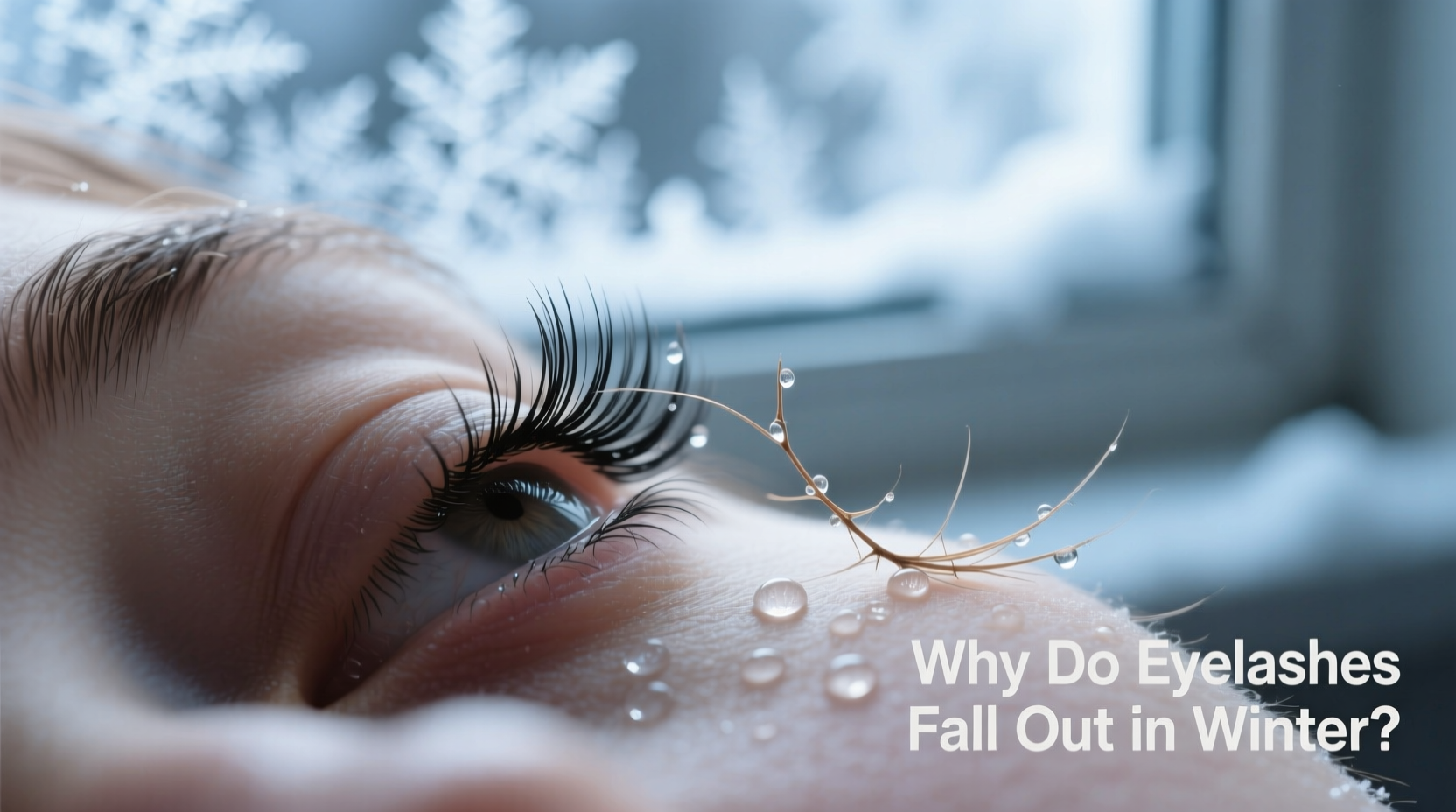
Eyelash growth follows the same cycle as scalp hair: anagen (growth), catagen (transition), and telogen (resting/shedding). On average, you lose 1–5 lashes per day, which are quickly replaced. However, external stressors can push more follicles into the telogen phase prematurely, leading to noticeable thinning.
Winter conditions disrupt this balance in several key ways:
- Dry Air & Indoor Heating: Cold outdoor air holds less moisture, and heated indoor environments further reduce humidity. This dehydrates the skin and hair follicles around the eyes, weakening lash shafts and increasing brittleness.
- Reduced Blood Circulation: Cold temperatures cause blood vessels to constrict, limiting nutrient delivery to peripheral areas like eyelids. Since lashes rely on consistent nourishment, reduced circulation slows growth and increases shedding.
- Increased Eye Rubbing: Dry, itchy eyes are common in winter due to allergies, wind exposure, or contact lens discomfort. Frequent rubbing pulls out lashes and damages follicles over time.
- Harsh Skincare Products: Switching to heavier creams or using makeup removers with alcohol can irritate the lash line, especially if residue builds up overnight.
“Cold weather doesn’t directly kill lashes, but it creates a hostile environment for their growth. The combination of low humidity, thermal stress, and compromised barrier function makes winter a high-risk season for lash loss.” — Dr. Lena Patel, Dermatologist & Trichology Consultant
Natural Causes vs. Medical Conditions
While seasonal shedding is common, it's important to distinguish between temporary thinning and underlying issues. Some medical conditions mimic winter-related lash loss but require professional diagnosis:
| Natural Winter Lash Loss | Potential Medical Concern |
|---|---|
| Gradual thinning, mainly in cold months | Sudden, patchy loss any time of year |
| Lashes regrow within weeks | No regrowth after 6–8 weeks |
| Mild irritation or dryness | Redness, crusting, burning sensation |
| Affects both eyes evenly | Asymmetrical loss or bald patches |
| Improves with hydration and care | Persists despite home remedies |
If your symptoms align more with the right column, consult a dermatologist. Conditions like blepharitis, alopecia areata, thyroid disorders, or allergic reactions may be responsible and require treatment beyond natural methods.
7 Natural Ways to Strengthen and Protect Winter Lashes
Supporting lash health begins with gentle care, proper nutrition, and smart environmental adjustments. These evidence-backed strategies work with your body’s biology—not against it.
1. Hydrate the Lash Line with Natural Oils
Certain plant-based oils penetrate the follicle and deliver essential fatty acids that reinforce keratin structure. Apply nightly using a sterile applicator or clean fingertip:
- Castor Oil: High in ricinoleic acid, known for anti-inflammatory properties and improved circulation. Studies suggest it enhances hair density when applied consistently.
- Coconut Oil: Easily absorbed, with lauric acid that binds to hair proteins, reducing breakage.
- Jojoba Oil: Mimics the skin’s natural sebum, moisturizing without clogging glands.
Warm a small drop between fingers and gently massage along the upper lash line before bed. Leave overnight and rinse in the morning.
2. Boost Internal Nutrition
Lashes are made of keratin, a protein synthesized from amino acids. Deficiencies in key nutrients impair growth cycles. Focus on foods rich in:
- Biotin (B7): Eggs, almonds, sweet potatoes
- Vitamin E: Spinach, avocados, sunflower seeds
- Omega-3 Fatty Acids: Chia seeds, walnuts, flax oil
- Iron & Zinc: Lentils, pumpkin seeds, grass-fed beef
A 2020 study published in the *Journal of Cosmetic Dermatology* found that women supplementing with biotin and antioxidants experienced a 25% increase in lash thickness after 90 days.
3. Humidify Your Sleeping Environment
Running a cool-mist humidifier in your bedroom maintains 40–60% relative humidity, preventing overnight dehydration of facial skin and lashes. Place it at least three feet from your bed to avoid direct airflow.
4. Avoid Harsh Makeup and Removal Habits
Waterproof mascara contains polymers that adhere tightly to lashes, requiring aggressive tugging to remove. In winter, when lashes are already brittle, this accelerates breakage.
Instead:
- Switch to a water-based, non-waterproof formula.
- Use a dual-phase remover with natural oils (like chamomile or rosehip).
- Soak a cotton pad and hold it over closed eyes for 10 seconds before wiping—never rub back and forth.
5. Massage for Follicle Stimulation
Gentle fingertip massage increases microcirculation to the eyelid, delivering oxygen and nutrients. Spend 30 seconds each night using light pressure in tiny circles along the lash line. Do not pull or stretch the skin.
6. Protect Lashes from Wind and Cold
When outdoors, wear wraparound sunglasses or goggles. They shield lashes from desiccating winds and UV rays (yes—winter sun still emits UV radiation). Snow reflects up to 80% of UV light, doubling exposure.
7. Cleanse Gently But Thoroughly
Residual makeup and oil buildup can clog meibomian glands along the lash line, leading to inflammation and weakened follicles. Use a mild, fragrance-free cleanser or diluted baby shampoo on a damp washcloth to wipe the base of lashes every evening.
Step-by-Step Winter Lash Care Routine
Consistency is key. Follow this simple nightly ritual to build resilience over time:
- Remove Makeup: Use an oil-based remover on a soft cotton pad. Hold for 10 seconds, then glide downward gently.
- Cleanse: Wash face with a hydrating cleanser. Lightly stroke eyelids with fingertips to clear debris.
- Dry: Pat—don’t rub—face with a clean towel.
- Apply Serum: Dab a drop of castor or jojoba oil along the lash line using a sterile brush.
- Humidify: Turn on your bedroom humidifier 30 minutes before sleeping.
- Sleep Smart: Use a silk pillowcase to reduce friction and retain moisture.
Repeat nightly. Visible improvements typically appear in 4–6 weeks, with peak results around 8–10 weeks.
Real-Life Example: How Sarah Restored Her Lashes Naturally
Sarah, a 34-year-old teacher from Minnesota, noticed her lashes thinning dramatically each December. “I’d always had long lashes, but by January, they looked sparse and broke easily,” she said. After researching, she realized her routine was working against her: waterproof mascara, hot showers before bed, and no humidifier.
She implemented changes gradually: switching to a coconut-oil-based remover, applying castor oil nightly, and running a humidifier. Within two months, she saw new growth. “They weren’t just coming back—they were thicker than before. I now treat winter lash care like skincare: preventive and non-negotiable.”
Lash-Friendly Foods Checklist
To support keratin production and follicle health, aim to include these foods weekly:
- ✅ 3 servings of leafy greens (kale, spinach)
- ✅ 2 handfuls of nuts or seeds (almonds, chia, pumpkin)
- ✅ 2 eggs (preferably pasture-raised)
- ✅ 1 serving of fatty fish or flaxseed (omega-3s)
- ✅ 1 avocado (vitamin E and healthy fats)
- ✅ 1 legume meal (lentils, chickpeas for iron and protein)
This isn't about perfection—it's about consistent support. Even adding two items daily makes a difference over time.
Frequently Asked Questions
Can lack of sunlight in winter affect my lashes?
Indirectly, yes. Reduced sunlight lowers vitamin D synthesis, which plays a role in hair follicle cycling. Low vitamin D levels have been linked to telogen effluvium (excessive shedding). Consider a supplement if your levels are low, especially in northern climates.
Is it safe to use essential oils on my lash line?
Not without caution. While carrier oils like jojoba are safe, most essential oils (e.g., tea tree, lavender) are too potent for the delicate eye area and can cause irritation or allergic reactions. Always dilute properly and patch test behind the ear first. Better yet, stick to pure, cold-pressed carrier oils.
How long does it take for lashes to grow back naturally?
The full growth cycle takes 4–11 weeks, depending on genetics and health. With improved care, you should notice fine new hairs at the base within 3–4 weeks. Complete regrowth to previous length may take 2–3 months.
Final Thoughts: Small Changes, Lasting Results
Lash loss in winter isn’t inevitable—it’s a sign your body needs extra support during a taxing season. By addressing environmental dryness, improving nutrition, and adopting gentle habits, you create the ideal conditions for strong, lustrous lashes year-round.
Nature offers powerful tools: oils that nourish, foods that rebuild, and routines that protect. You don’t need synthetic solutions to see real change. Start tonight. Swap one harsh product for a gentler alternative. Add a serving of omega-3s to your diet. Run that humidifier. These small acts compound into visible transformation.




 浙公网安备
33010002000092号
浙公网安备
33010002000092号 浙B2-20120091-4
Comments
No comments yet. Why don't you start the discussion?