
We’ve all been there—mid-yawn, suddenly tears stream down our cheeks for no apparent reason. You weren’t sad. You weren’t cutting onions. So why are your eyes watering? This peculiar phenomenon is just one of many strange but perfectly normal bodily quirks that most people experience without understanding the underlying mechanics. From goosebumps during emotional music to the mysterious \"brain freeze\" from eating ice cream too fast, our bodies constantly react in ways that seem bizarre until you look under the hood.
The human body operates on a complex network of nerves, muscles, and reflexes, many of which function automatically. These involuntary responses often serve protective or regulatory purposes, even if they appear odd in modern contexts. Understanding these reactions not only satisfies curiosity but also helps distinguish between harmless quirks and signs of underlying health issues.
The Science Behind Watery Eyes During a Yawn
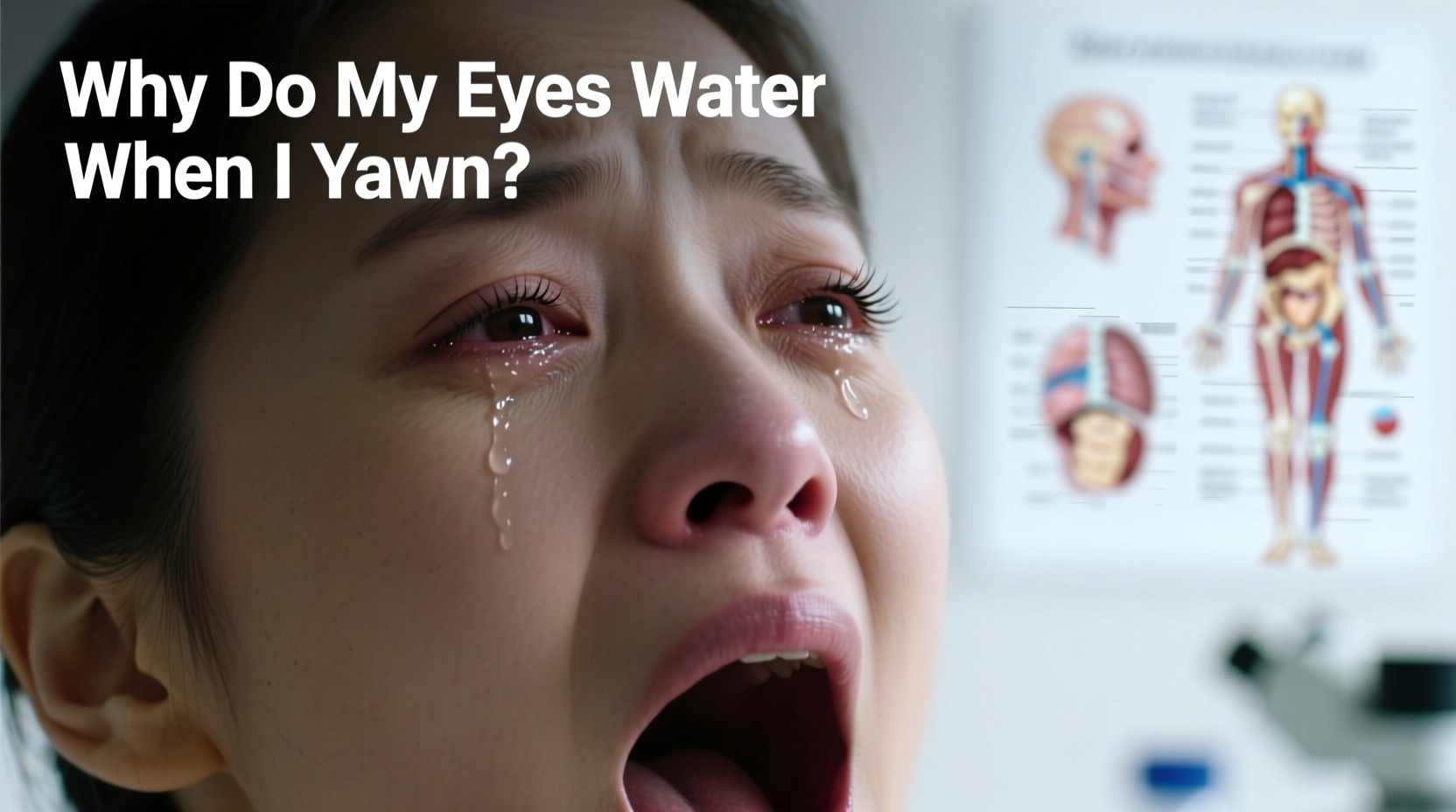
When you yawn, your facial muscles contract forcefully. The jaw stretches wide, the cheeks lift, and the eye sockets compress slightly. This mechanical pressure affects the lacrimal glands—responsible for producing tears—and the small ducts that drain fluid from the eyes into the nasal cavity.
During a deep yawn, the squeezing motion around the eyes can temporarily block the nasolacrimal ducts, which normally carry excess tears away from the surface of the eye and into the nose. With drainage interrupted, tears accumulate and spill over the eyelids—resulting in what feels like sudden, unexplained crying.
This reaction is entirely normal and more common than you might think. It’s especially noticeable in dry environments or when you're tired, as baseline tear production may already be elevated due to mild eye irritation.
Other Common Weird Body Reactions (And Why They Happen)
The body is full of automatic responses that seem random but are rooted in evolutionary biology and neurological wiring. Here are several widespread phenomena and their scientific explanations:
1. Goosebumps During Music or Emotional Moments
Also known as piloerection, this occurs when tiny muscles at the base of hair follicles contract, causing hairs to stand upright. While it once helped mammals trap heat or appear larger to predators, humans now experience it primarily during intense emotions—like awe, fear, or nostalgia.
Neurologically, this response is tied to the release of dopamine in the brain’s reward system when listening to emotionally powerful music. A 2019 study published in *Frontiers in Psychology* found that individuals who experience musical frisson (goosebumps from music) tend to have higher empathy levels and increased activity in brain regions associated with emotion processing.
2. Hiccups After Drinking Carbonated Beverages
Hiccups result from involuntary contractions of the diaphragm, triggered by irritation of the phrenic or vagus nerves. Carbonated drinks introduce air into the stomach, causing distension that presses against the diaphragm. This physical stimulation can initiate the hiccup reflex arc—a rapid loop involving the brainstem and respiratory muscles.
Swallowing large amounts of air while drinking quickly exacerbates this effect. Even excitement or stress can lead to shallow breathing and swallowed air, making hiccups more likely.
3. \"Phantom Vibration Syndrome\" – Feeling Your Phone Buzz When It Didn’t
In our hyper-connected world, many report feeling phone vibrations in their pocket when none occurred. This isn’t a neurological disorder—it’s a perceptual illusion caused by heightened sensory vigilance. The brain becomes so accustomed to anticipating notifications that it misinterprets minor skin sensations (like fabric shifting) as alerts.
A 2012 study from the *Journal of Computer-Mediated Communication* found that nearly 70% of participants experienced phantom vibrations, particularly among younger adults and frequent smartphone users.
4. Seeing \"Stars\" When Standing Up Too Quickly
This sensation—often accompanied by dizziness—is called orthostatic hypotension. When you rise rapidly from sitting or lying down, gravity causes blood to pool momentarily in your lower body. This leads to a brief drop in blood pressure and reduced blood flow to the brain.
The visual cortex, being highly sensitive to oxygen levels, reacts with temporary disturbances such as blurred vision, tunnel vision, or flashes of light. Within seconds, the cardiovascular system compensates by increasing heart rate and constricting blood vessels, restoring normal function.
“Many of these reactions are vestiges of survival mechanisms that evolved over millennia. What seems odd today once served a critical purpose.” — Dr. Lena Patel, Neurophysiologist, Stanford School of Medicine
Do’s and Don’ts of Responding to Unusual Body Signals
| Reaction | Do | Don't |
|---|---|---|
| Watery eyes when yawning | Blink normally; no action needed unless persistent | Worry or assume it's an eye disease |
| Goosebumps from cold | Add layers to maintain body heat | Ignore shivering—can signal hypothermia |
| Frequent hiccups (>48 hrs) | Try breathing techniques or consult a doctor | Assume they’ll always resolve on their own |
| Dizziness upon standing | Rise slowly; stay hydrated | Dismiss if recurrent—could indicate heart or nerve issues |
| Muscle twitches (eyelid, arm) | Reduce caffeine; improve sleep | Panic—most are benign and stress-related |
Mini Case Study: Sarah’s Persistent Eye Watering
Sarah, a 34-year-old graphic designer, began noticing her eyes watered excessively—not just when yawning, but also during computer work and windy commutes. Initially dismissing it as fatigue, she eventually consulted an optometrist after experiencing blurred vision.
Testing revealed she had meibomian gland dysfunction, a common form of dry eye where oil-producing glands in the eyelids become clogged. Ironically, dry eyes often trigger overproduction of watery tears as a compensatory mechanism. Her yawning-related tearing was amplified by this underlying condition.
After starting warm compress therapy and eyelid hygiene routines, Sarah reported significant improvement. Her case highlights how seemingly trivial symptoms can point to manageable—but overlooked—conditions.
Step-by-Step Guide to Managing Common Reflexive Responses
- Observe Frequency and Triggers: Keep a brief log of when unusual reactions occur (e.g., yawning, temperature changes, meals).
- Rule Out Lifestyle Factors: Assess hydration, sleep quality, caffeine intake, screen time, and stress levels.
- Apply Immediate Relief Measures: For example, press gently on closed eyelids during prolonged yawning to reduce tear overflow.
- Modify Habits: Sip carbonated drinks slowly, rise gradually from seated positions, take screen breaks every 20 minutes.
- Consult a Professional: Seek medical advice if symptoms persist, worsen, or interfere with daily life.
Frequently Asked Questions
Is it normal for my eyes to water every time I yawn?
Yes, it’s completely normal. The act of yawning creates pressure around the tear ducts, temporarily disrupting drainage and causing tears to well up. As long as this only happens during yawning and doesn’t occur otherwise, there’s no cause for concern.
Can excessive yawning be a sign of something serious?
Occasional yawning is natural, especially when tired or bored. However, frequent yawning (more than once per minute) unrelated to sleepiness could indicate sleep disorders, medication side effects, or, rarely, cardiovascular or neurological conditions like vasovagal reactions or multiple sclerosis. If yawning disrupts your day, discuss it with a healthcare provider.
Why do some people never get goosebumps?
Not everyone experiences piloerection, and that’s normal. Genetic differences, lower sensitivity in the autonomic nervous system, or less dense hair follicle distribution can reduce or eliminate the response. It doesn’t indicate poor health or lack of emotion.
Checklist: When to Worry About Strange Body Reactions
- ✅ Reaction occurs only occasionally and resolves quickly
- ✅ No pain, swelling, or lasting discomfort involved
- ✅ Triggered by predictable actions (yawning, cold, eating)
- ❌ Happens frequently without clear cause
- ❌ Accompanied by headaches, vision changes, or weakness
- ❌ Interferes with sleep, concentration, or daily tasks
- ❌ Begins suddenly after new medication or injury
If three or more of the “❌” items apply, consider scheduling a consultation with a primary care physician or specialist.
Conclusion: Embrace the Quirks, Understand the Causes
Your body’s odd reactions—from teary yawns to inexplicable shivers—are not flaws. They’re evidence of a finely tuned biological system operating largely behind the scenes. Most of these phenomena are harmless, even fascinating, once you understand the physiology at play.
Instead of brushing them off or worrying unnecessarily, use them as cues to tune into your body’s signals. Simple awareness can help you differentiate between normal reflexes and signs that merit attention. And next time you catch yourself tearing up mid-yawn, remember: it’s not emotion—it’s anatomy.




 浙公网安备
33010002000092号
浙公网安备
33010002000092号 浙B2-20120091-4
Comments
No comments yet. Why don't you start the discussion?