
Farting is a normal part of digestion. On average, people pass gas 10 to 20 times a day. While most flatulence is odorless or mildly scented, some instances produce particularly foul-smelling gas that can be embarrassing or concerning. If you’ve noticed a sudden change in the smell of your farts—especially if they’ve become consistently rotten, eggy, or unusually pungent—it’s worth understanding what might be behind it. Most of the time, smelly farts are due to harmless dietary factors. But in some cases, persistent foul odors can signal an underlying digestive issue.
The smell of flatulence primarily comes from trace gases produced by bacteria in the large intestine as they break down undigested food. The more sulfur-rich the food, the more hydrogen sulfide—and thus, the stronger the stench. However, when strange smells persist despite dietary changes, or are accompanied by other symptoms, it may be time to consult a healthcare provider.
Common Causes of Smelly Farts
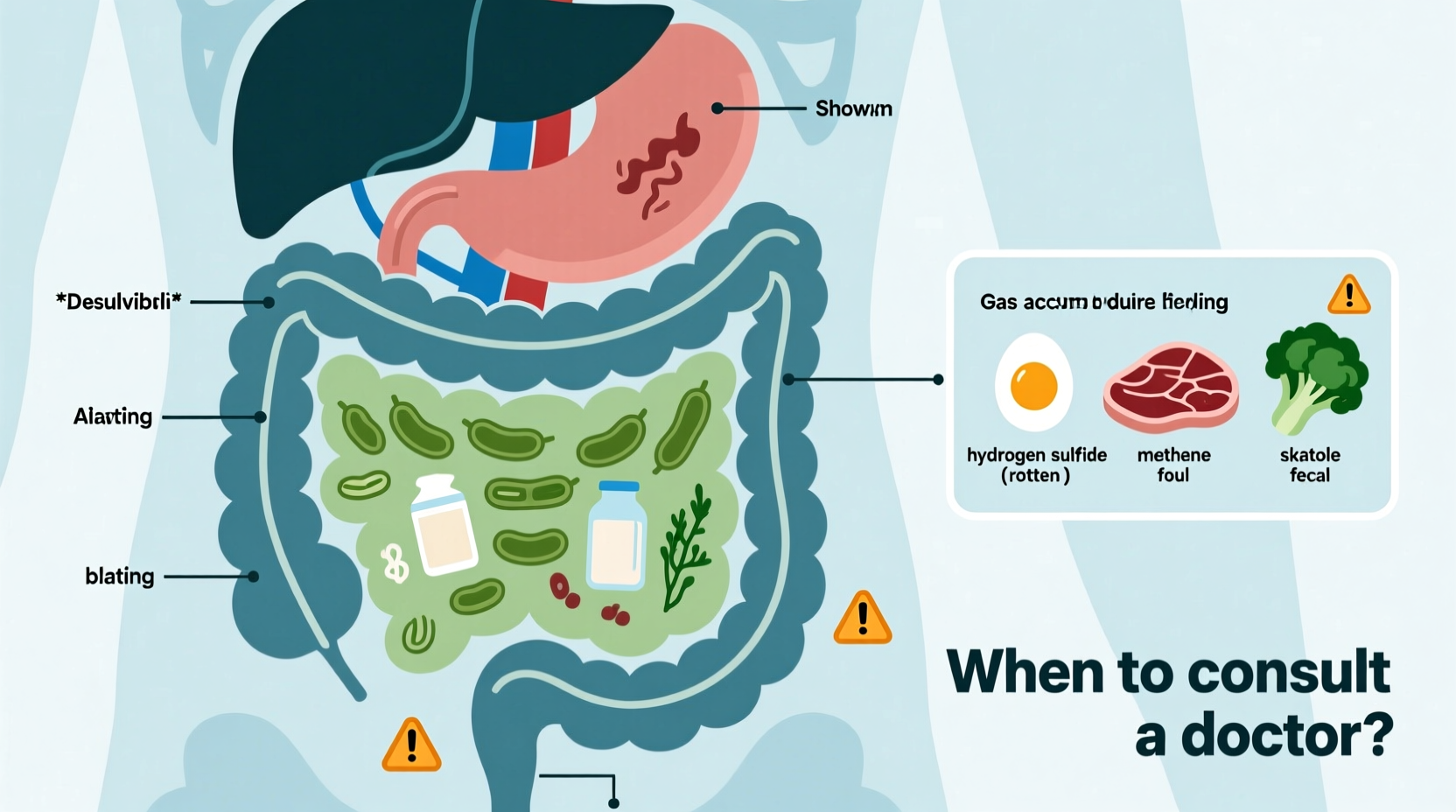
Most foul-smelling gas results from what you eat. Certain foods contain compounds that gut bacteria ferment into malodorous gases. These include:
- Sulfur-rich foods: Cruciferous vegetables like broccoli, cauliflower, cabbage, and Brussels sprouts are high in sulfur, which breaks down into hydrogen sulfide—the gas responsible for the rotten egg smell.
- Red meat: High-protein diets, especially those heavy in red meat, increase sulfur-containing amino acids like methionine and cysteine, leading to more pungent gas.
- Dairy products: For individuals with lactose intolerance, undigested lactose ferments in the colon, producing gas that can be both voluminous and foul-smelling.
- Beans and legumes: Contain raffinose, a complex sugar that humans can’t digest. Gut bacteria feast on it, releasing methane, hydrogen, and sulfur compounds.
- Onions and garlic: High in fructans, which feed gut bacteria and can result in strong-smelling gas.
- Carbonated drinks: Introduce excess air into the digestive tract and alter gut microbiota balance, sometimes worsening odor.
When Gut Bacteria Are to Blame
Your gut microbiome plays a central role in how food is broken down and how gas smells. An imbalance in gut bacteria—known as dysbiosis—can lead to excessive production of foul-smelling gases. This imbalance may occur after antibiotics, prolonged stress, or a diet low in fiber and high in processed foods.
Small Intestinal Bacterial Overgrowth (SIBO) is a condition where bacteria normally found in the colon migrate to the small intestine. These bacteria ferment food prematurely, causing bloating, diarrhea, and notably smelly gas. SIBO is often misdiagnosed as irritable bowel syndrome (IBS), but breath testing can confirm its presence.
“Persistent foul gas, especially when paired with bloating and altered bowel habits, may reflect an overgrowth of sulfate-reducing bacteria in the gut.” — Dr. Lena Torres, Gastroenterologist
Digestive Disorders Linked to Foul-Smelling Gas
While occasional smelly farts are normal, chronic foul odors may point to an underlying gastrointestinal condition. Below are several disorders associated with unusually smelly flatulence:
| Condition | Symptoms Beyond Smelly Gas | Key Notes |
|---|---|---|
| Irritable Bowel Syndrome (IBS) | Abdominal pain, bloating, diarrhea or constipation | Gas odor varies; often linked to food triggers and stress |
| Inflammatory Bowel Disease (IBD) | Bloody stools, weight loss, fatigue, fever | Includes Crohn’s disease and ulcerative colitis; requires medical diagnosis |
| Celiac Disease | Diarrhea, nutrient deficiencies, fatigue | Autoimmune reaction to gluten; leads to intestinal damage |
| Giardiasis (parasitic infection) | Foul-smelling diarrhea, nausea, dehydration | Caused by contaminated water; highly contagious |
| Pancreatic insufficiency | Oily, floating stools; weight loss; indigestion | Pancreas fails to release enough enzymes to digest food |
If smelly gas is persistent and accompanied by any of the above symptoms, it’s important to seek medical evaluation. Left untreated, some of these conditions can lead to malnutrition, chronic inflammation, or long-term complications.
Real-Life Example: When Diet Wasn't the Answer
Mark, a 34-year-old office worker, noticed his farts had become extremely foul over three months. He initially blamed his increased intake of protein shakes and broccoli. After cutting out dairy, beans, and cruciferous vegetables, the smell didn’t improve. He also began experiencing fatigue, unexplained weight loss, and frequent loose stools.
Concerned, Mark visited a gastroenterologist. Blood tests revealed he was anemic and had elevated markers of inflammation. A follow-up endoscopy confirmed Crohn’s disease, a form of IBD. With proper treatment—including anti-inflammatory medication and dietary adjustments—his symptoms, including the foul gas, gradually improved.
Mark’s case illustrates that while diet is often the first suspect, persistent symptoms require deeper investigation. His story underscores the importance of not dismissing ongoing digestive changes as “just gas.”
When to Worry: Red Flags That Need Medical Attention
Smelly farts alone are rarely dangerous. However, certain warning signs suggest it’s time to see a doctor:
- Chronic foul gas lasting more than 2–3 weeks without dietary explanation
- Unintentional weight loss
- Bloody or black stools
- Severe abdominal pain or cramping
- Frequent diarrhea or constipation that disrupts daily life
- Fever or fatigue accompanying digestive issues
- Visible fat in stool (oily sheen or floating stools)
These symptoms could indicate infections, inflammatory conditions, malabsorption syndromes, or even pancreatic or liver dysfunction. Early diagnosis improves outcomes significantly.
Action Plan: What You Can Do Now
If you're concerned about smelly farts, here’s a step-by-step checklist to help determine the cause and take control:
- Track your diet: Note everything you eat and drink for 7 days, along with gas frequency and odor. Look for patterns.
- Reduce sulfur-rich foods: Temporarily eliminate eggs, red meat, onions, garlic, and cruciferous vegetables to test their impact.
- Limit processed foods and artificial sweeteners: Sorbitol, xylitol, and other sugar alcohols are notorious for causing gas.
- Stay hydrated: Water supports healthy digestion and helps move waste efficiently.
- Introduce probiotics: Yogurt with live cultures, kefir, or supplements may help balance gut bacteria.
- Eat slowly: Chewing thoroughly reduces swallowed air and aids digestion.
- Rule out lactose intolerance: Try a lactose-free diet for two weeks to see if symptoms improve.
- Consult a doctor if red flags appear: Don’t delay evaluation if symptoms persist or worsen.
Frequently Asked Questions
Can stress make my farts smell worse?
Yes. Stress affects gut motility and alters the balance of gut bacteria through the gut-brain axis. This can lead to increased fermentation and more pungent gas. Managing stress through mindfulness, exercise, or therapy may improve digestive symptoms.
Are smelly farts a sign of cancer?
Not directly. However, colorectal cancer can cause changes in bowel habits, blood in stool, and unexplained weight loss. Persistent gas with these symptoms warrants a colonoscopy, especially for individuals over 45 or with a family history.
Why do my farts smell like rotten eggs?
This is typically due to hydrogen sulfide gas produced when gut bacteria break down sulfur-containing foods like eggs, meat, or certain vegetables. If the smell is constant and not tied to diet, consider testing for SIBO or giardiasis.
Take Control of Your Digestive Health
Smelly farts are usually nothing to panic about. In most cases, they’re a simple reflection of your diet or temporary digestive adjustments. But your body uses symptoms like gas, bloating, and stool changes to communicate. Ignoring persistent or severe signs can mean missing opportunities for early intervention.
Start with small, evidence-based changes: adjust your diet, stay hydrated, support your gut microbiome, and pay attention to patterns. If problems continue, don’t hesitate to reach out to a healthcare provider. Digestive health is foundational to overall well-being—and addressing issues early can prevent bigger problems down the road.




 浙公网安备
33010002000092号
浙公网安备
33010002000092号 浙B2-20120091-4
Comments
No comments yet. Why don't you start the discussion?