
Swollen feet after a flight are more than just a minor annoyance—they can be uncomfortable, alarming, and sometimes a sign of underlying health concerns. If you’ve landed from a long-haul journey with puffy ankles or tight shoes, you’re not alone. Millions of travelers experience some degree of lower limb swelling during or after air travel. While it’s often harmless, understanding the causes and knowing how to prevent it can make your next trip significantly more comfortable and safer.
The combination of prolonged sitting, cabin pressure changes, and reduced mobility creates an environment where fluid accumulates in the legs and feet—a condition known as dependent edema. For most people, this resolves within hours of walking post-flight. However, for others—especially those with circulatory issues, pregnancy, or pre-existing medical conditions—it may signal something more serious like deep vein thrombosis (DVT).
This article breaks down the science behind post-flight foot swelling, explores risk factors, and delivers actionable strategies to help you prevent discomfort before, during, and after your next flight.
What Causes Feet to Swell During and After Flying?
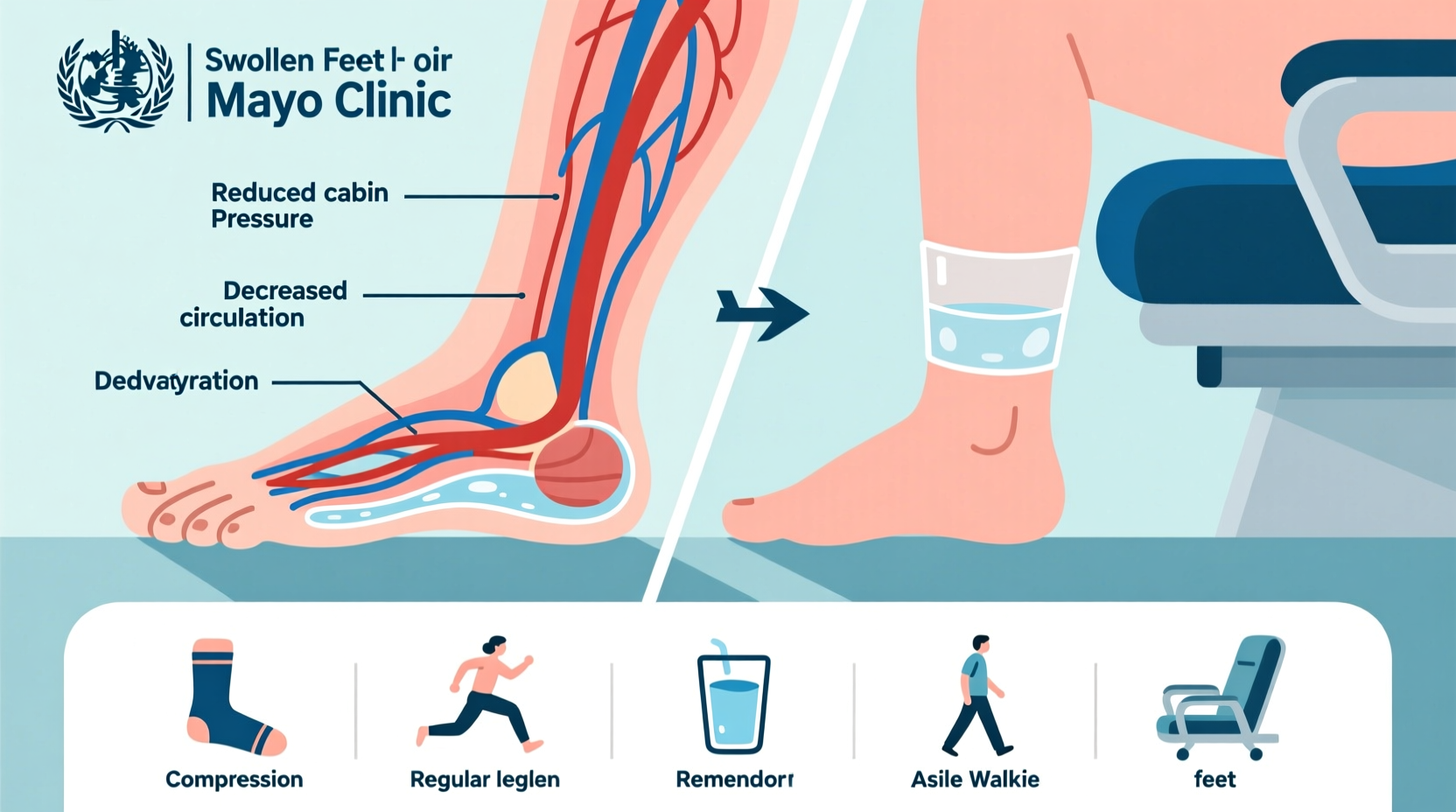
The human body is sensitive to environmental shifts, and air travel presents several unique stressors that contribute to fluid retention in the lower extremities.
- Reduced cabin pressure: Airplane cabins are pressurized to simulate altitudes between 6,000 and 8,000 feet above sea level. At these simulated elevations, oxygen levels drop slightly, prompting subtle changes in circulation and vascular permeability, which can encourage fluid leakage into surrounding tissues.
- Immobility: Sitting for extended periods—especially in cramped economy seating—slows blood flow in the legs. The calf muscles act as pumps to return blood to the heart; without regular contraction, venous return diminishes, leading to pooling and swelling.
- Dehydration: Cabin air is extremely dry, often below 20% humidity. This accelerates fluid loss through respiration and skin evaporation. Paradoxically, dehydration triggers the body to retain water, worsening swelling.
- High sodium intake: Airline meals and snacks are typically high in salt. Sodium increases fluid retention by altering osmotic balance in the bloodstream.
- Gravity: In seated positions, gravity pulls fluids downward. Without movement to counteract this, fluid collects in the feet and ankles.
These factors combine to create what medical professionals call “economy class syndrome”—a term coined to describe circulatory issues arising from prolonged immobility during flights, particularly affecting the lower limbs.
Who Is Most at Risk?
While anyone can experience mild foot swelling after flying, certain individuals face higher risks due to physiological or medical factors.
| Risk Group | Why They're Vulnerable |
|---|---|
| Pregnant individuals | Increased blood volume and hormonal shifts promote fluid retention. Pressure from the growing uterus can also impede venous return. |
| Older adults (over 60) | Natural decline in circulatory efficiency and muscle tone reduces pumping action in the legs. |
| People with heart or kidney disease | Impaired organ function affects fluid regulation and excretion. |
| Those with varicose veins or chronic venous insufficiency | Valve dysfunction in leg veins allows backward blood flow, increasing pressure and leakage into tissues. |
| Obese individuals | Excess weight increases venous pressure and restricts mobility. |
| Long-haul travelers (flights over 4 hours) | Duration directly correlates with risk; longer immobility = greater chance of swelling and clot formation. |
“Prolonged sitting during flights disrupts normal hemodynamics. Even healthy passengers should take preventive steps.” — Dr. Lena Patel, Vascular Medicine Specialist, Cleveland Clinic
Effective Prevention Strategies Before and During Your Flight
Preventing swollen feet starts well before boarding. A proactive approach combining preparation, in-flight habits, and smart choices can drastically reduce discomfort.
Step-by-Step Guide: Preventing Foot Swelling on Flights
- Stay hydrated 24–48 hours before departure: Begin drinking extra water two days prior. Avoid alcohol and caffeine, both diuretics that worsen dehydration.
- Wear compression socks: Graduated compression stockings apply gentle pressure from ankle to calf, improving venous return. Choose 15–20 mmHg strength unless prescribed otherwise.
- Avoid salty foods the day before and during the flight: Opt for fresh fruit, vegetables, and low-sodium snacks. Bring your own if airline meals are unreliable.
- Choose loose, non-restrictive clothing: Tight waistbands, belts, or socks with tight elastic bands can obstruct circulation.
- Book an aisle seat when possible: Easier access encourages frequent standing and walking. If you’re in a window seat, commit to getting up every 45–60 minutes.
- Perform seated exercises hourly: Flex and point toes, rotate ankles clockwise and counterclockwise, and press heels into the floor to engage calf muscles.
- Elevate feet when feasible: Use a carry-on bag or footrest to keep feet slightly off the floor, reducing gravitational pooling.
- Limit alcohol and caffeine inflight: These substances increase dehydration and vasodilation, both contributing to swelling.
Real Example: Sarah’s Transatlantic Flight Experience
Sarah, a 47-year-old marketing executive, flew from New York to Dubai for a business conference. The 14-hour flight left her with visibly swollen feet and difficulty slipping her shoes back on after landing. She hadn’t drunk enough water, consumed multiple glasses of wine, and remained seated throughout most of the journey.
On her return flight three days later, she applied new habits: she wore compression socks, brought a refillable water bottle, chose an aisle seat, and walked the cabin every hour. She also packed almonds, apples, and rice cakes instead of relying on in-flight meals. Result? Minimal swelling, no pain, and full mobility upon arrival.
“I didn’t realize how much small changes could make,” Sarah said. “Now I pack compression socks like I pack my passport.”
Do’s and Don’ts During Air Travel
| Do’s | Don’ts |
|---|---|
| Drink 8–10 oz of water per hour | Consume alcohol or sugary drinks |
| Wear compression socks | Wear tight shoes or restrictive footwear |
| Move every hour (walk or stretch) | Sit continuously for more than 90 minutes |
| Bring low-sodium snacks | Eat large portions of salty airline food |
| Loosen shoe laces during flight | Cross your legs for extended periods |
“Crossing your legs may seem comfortable, but it compresses veins behind the knee and reduces blood flow,” says Dr. Rajiv Mehta, a cardiologist at Massachusetts General Hospital. “It’s one of the simplest habits to change for better circulation.”
Post-Flight Recovery: What to Do When You Land
Even with precautions, some swelling may still occur. The key is managing it effectively after deplaning.
- Walk immediately: As soon as you exit the plane, start moving. Walking activates the calf pump mechanism and helps drain accumulated fluid.
- Elevate your legs: Once home or at your hotel, lie down and prop your feet above heart level for 15–20 minutes.
- Hydrate: Continue drinking water to flush out excess sodium and support kidney function.
- Take a warm bath with Epsom salts: Magnesium in Epsom salts may help relax blood vessels and reduce inflammation (though evidence is anecdotal).
- Avoid standing still for long periods: If you have a layover or immediate meeting post-flight, sit when possible and shift weight frequently.
If swelling persists beyond 24 hours, is painful, warm to the touch, or accompanied by redness or shortness of breath, seek medical attention immediately. These could be signs of DVT or another serious condition.
Frequently Asked Questions
Is foot swelling after flying dangerous?
Mild swelling that resolves within a few hours is usually harmless. However, persistent, one-sided swelling with pain or warmth may indicate a blood clot and requires urgent evaluation.
Can I wear regular socks instead of compression socks?
Regular socks, especially those with tight elastic bands, can restrict circulation. Compression socks are specifically designed to improve blood flow and are strongly recommended for long flights.
Does flying affect people with diabetes differently?
Yes. Individuals with diabetes often have compromised circulation and nerve sensitivity. Swelling can go unnoticed due to neuropathy, increasing the risk of injury or infection. Extra vigilance with hydration, movement, and foot checks is essential.
Essential Checklist for Your Next Flight
Use this checklist to prepare for a comfortable, swelling-free journey:
- ✅ Pack graduated compression socks (15–20 mmHg)
- ✅ Fill a reusable water bottle before security
- ✅ Choose an aisle seat or request extra legroom
- ✅ Bring low-sodium snacks (nuts, fruit, granola bars)
- ✅ Wear loose clothing and comfortable shoes
- ✅ Download a stretching or reminder app for movement alerts
- ✅ Avoid alcohol and caffeine 12 hours before and during flight
- ✅ Perform ankle circles and toe raises every hour
- ✅ Walk the cabin at least once per hour
- ✅ Elevate legs and hydrate upon arrival
Final Thoughts: Fly Smart, Arrive Comfortable
Swollen feet after flying don’t have to be an inevitable part of travel. With awareness and simple lifestyle adjustments, you can protect your circulation, enhance comfort, and reduce health risks. Whether you're a frequent flyer or preparing for a once-in-a-lifetime vacation, taking care of your legs and feet is an investment in your overall well-being.
Compression socks, hydration, and movement aren’t just recommendations—they’re proven tools backed by medicine and real-world experience. Start applying them now so your next journey ends not with swollen ankles, but with energy and ease.




 浙公网安备
33010002000092号
浙公网安备
33010002000092号 浙B2-20120091-4
Comments
No comments yet. Why don't you start the discussion?